
LEAD ANALYST
Utkarsh Khirodkar is a Lead Market Research Analyst at MetaStat Insight, specializing in market intelligence, technology sector assessments, and competitive strategy.

Global Gamma Knife Market Size, Share, By Product Type (Leksell Gamma Knife Esprit, Leksell Gamma Knife Icon, Leksell Gamma Knife Perfexion, Legacy Gamma Knife Systems), By Application (Brain Metastases, Meningiomas, Arteriovenous Malformations (AVMs), Vestibular Schwannomas, Pituitary Adenomas, Trigeminal Neuralgia, Others (Functional Neurological Disorders)), By End-user (Hospitals, Specialty Cancer Centers, Dedicated Radiosurgery Centers, Academic Medical Centers, Others (Specialized Neurological Treatment Facilities)), Industry Analysis, Growth, Trends, and Forecast, 2026-2033
Report ID
MSI-5711
Published
November, 2026
Pages
309 Pages
Format
Historical
Base year
Forecast
Forecast period
Report Details
Market Valuation: Valued at $479.6 Million in 2025, projected to reach $725.2 Million by 2033 at a 5.3% CAGR.
Dominant Segment: The Leksell Gamma Knife Icon leads the market, driven by strong demand from medical facilities seeking effective treatment capabilities for neurological conditions.
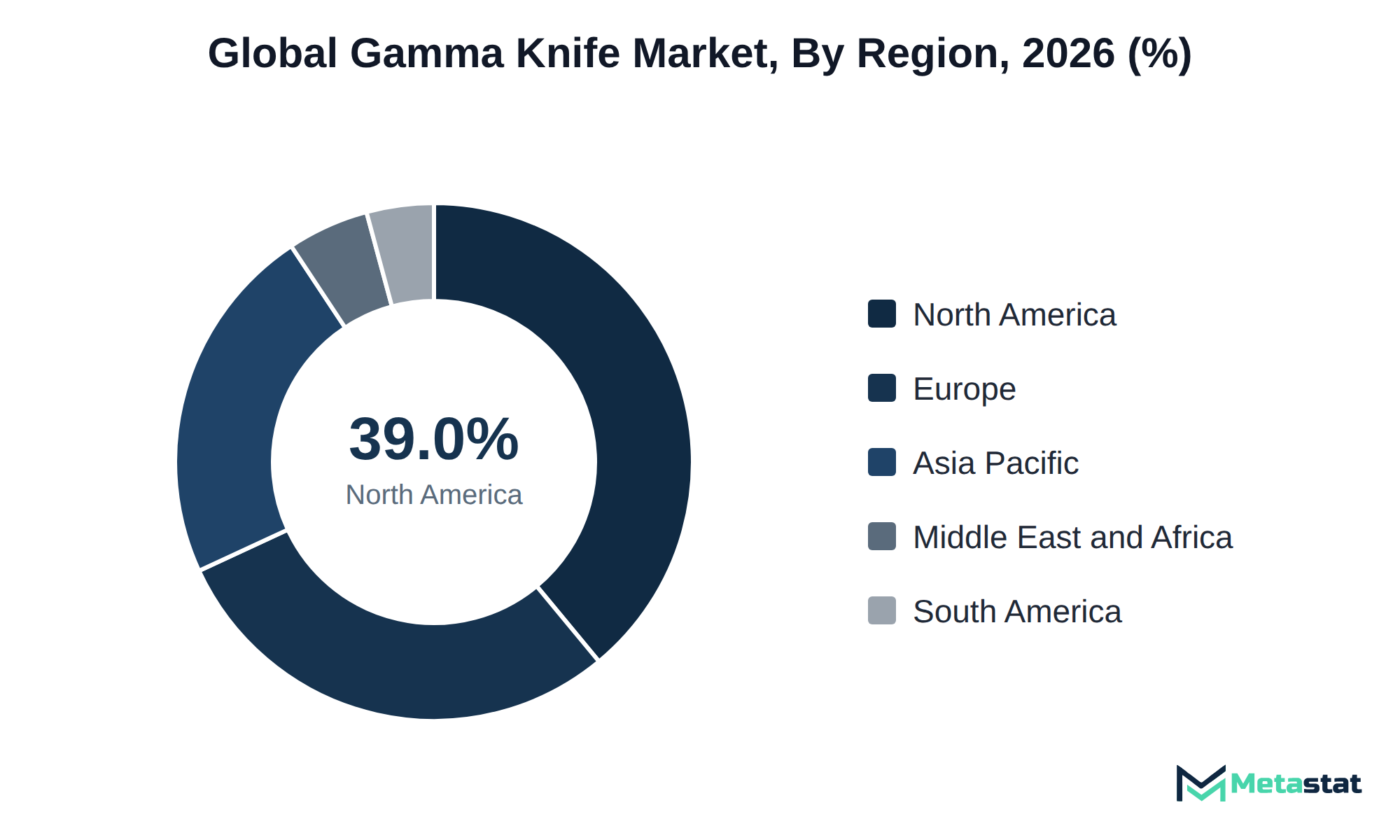
Geographic Lead: North America is the leading region, holding 39.0% of the market in 2025, with the US expected to maintain this dominance due to robust healthcare infrastructure and high demand for innovative solutions.
What's Inside: The report provides comprehensive competitive coverage, detailed analyses of market dynamics, and forecasts through 2033, focusing on product types, applications, and end-user segments.
Growing Applications: The application for brain metastases is projected to experience significant growth, reflecting a compound annual growth rate of 5.9% from 2026 to 2033, driven by rising patient needs and technological advancements.
Technological Advancements: Emerging technologies in imaging and treatment planning are enhancing the precision and effectiveness of Gamma Knife systems, attracting investments from healthcare providers.
Choose Your License
Global Gamma Knife Market
The global Gamma Knife market was valued at USD 479.6 million in 2025 and is projected to reach USD 725.2 million by 2033, growing at a CAGR of 5.3% over the forecast period.
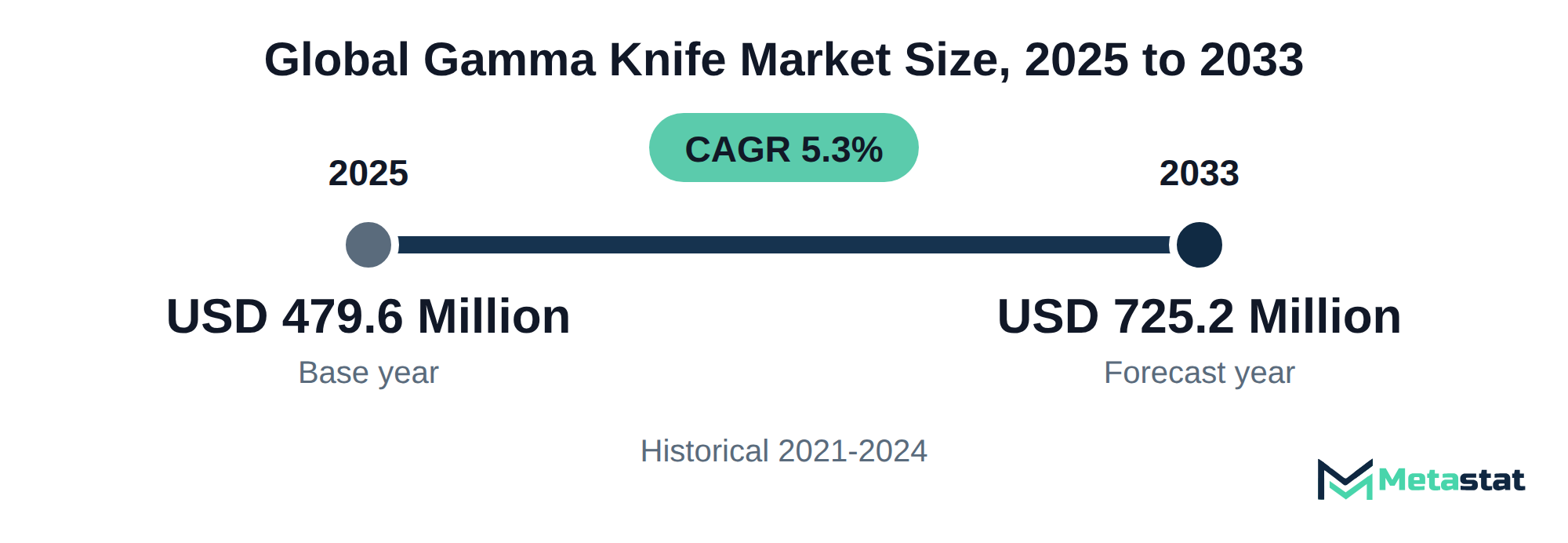
The Gamma Knife market encompasses advanced radiosurgery systems designed to treat various neurological conditions, particularly tumors and malformations. Buyer investments in this technology stem from the increasing prevalence of brain disorders and the desire for minimally invasive treatment options. Hospitals, specialty cancer centers, and dedicated radiosurgery centers represent the primary buyers, driven by the need for effective and precise treatment modalities that enhance patient outcomes.
Growth in the market is primarily fueled by advancements in technology and rising healthcare expenditures. Among the various segments, the Leksell Gamma Knife Icon demonstrates the most significant value, with strong demand from medical facilities seeking effective treatment capabilities. North America holds 39.0% of the market in 2025, with the US leading in 2026. This regional lead reflects strong infrastructure and high demand for innovative healthcare solutions.
Technological innovations, including improved imaging and treatment planning software, drive market expansion. The increasing adoption of radiosurgery techniques, particularly for treating brain metastases, reflects a shift toward non-invasive procedures that shorten recovery times and reduce patient risk. The Gamma Knife market is expected to keep growing, supported by changing healthcare practices and a focus on patient care.
The Gamma Knife market addresses the increasing demand for non-invasive treatment solutions for neurological disorders. Hospitals, specialty cancer centers, and dedicated radiosurgery centers invest in these advanced technologies to enhance patient outcomes and improve operational efficiency. The integration of Gamma Knife systems into treatment protocols reflects ongoing progress in medical technology, which provides targeted therapies that minimize damage to surrounding tissues.
Growth in the market is primarily driven by the rising incidence of brain metastases and other neurological conditions that necessitate precision treatment options. Among the various segments, the application for brain metastases holds the most significant value, reflecting substantial investment from healthcare providers. North America holds 39.0% of the market in 2025, with the US leading in 2026, indicating strong regional support for Gamma Knife technologies.
Advancements in Gamma Knife technology, including improved imaging and treatment planning capabilities, enhance the effectiveness of these systems. These innovations attract investments from healthcare institutions aiming to deliver high-quality care. Rising patient volumes and technological enhancements position the market for sustained growth over the coming years.
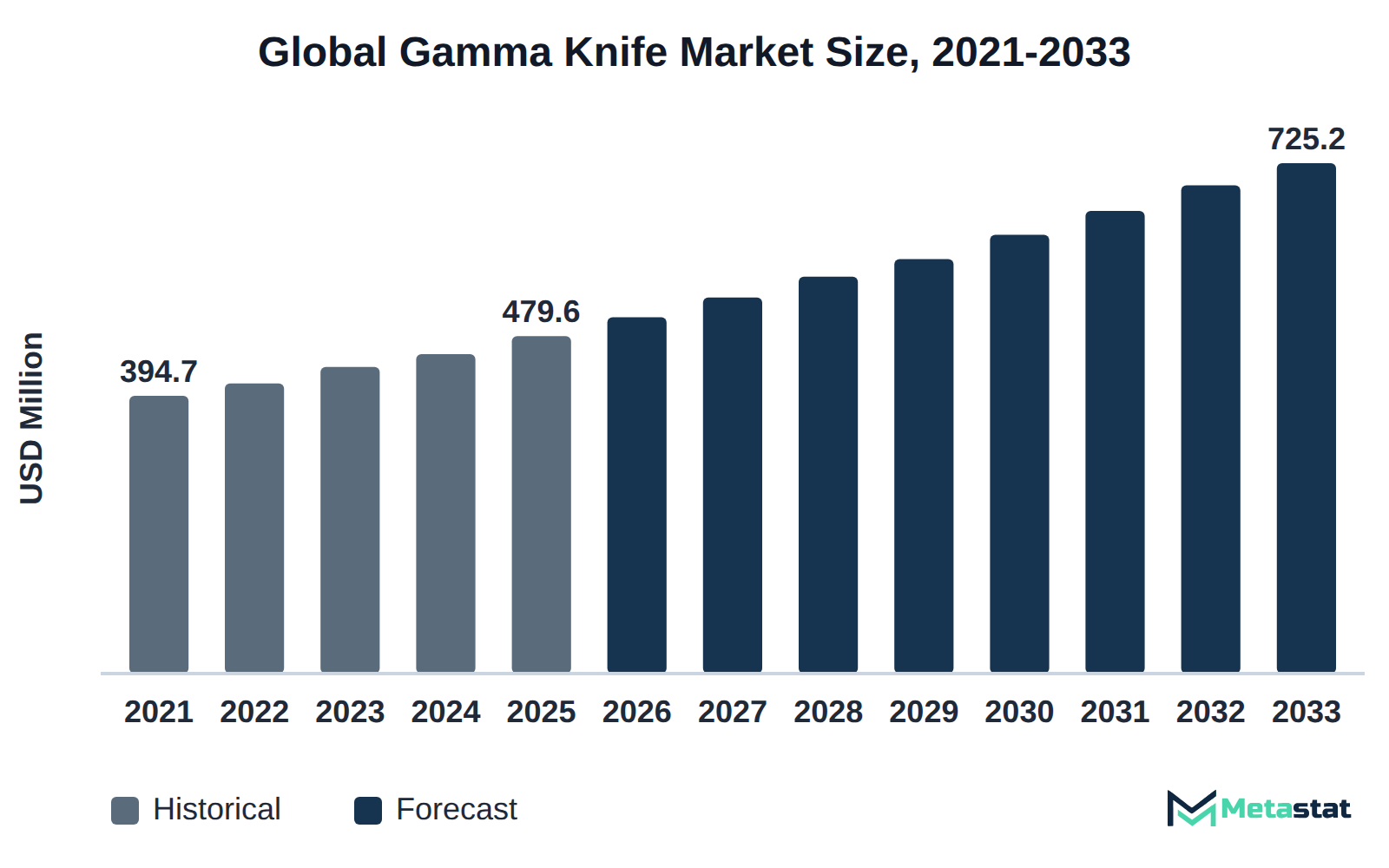
Innovations within the Gamma Knife market focus on enhancing the precision of radiosurgery and treatment planning methodologies. The Leksell Gamma Knife Esprit, a leading product in this market, is projected to experience a compound annual growth rate (CAGR) of 7.9% from USD 120.3 million in 2026 to USD 204.4 million by 2033. This advancement highlights a significant shift toward more accurate treatment options for patients with complex neurological conditions.
The integration of advanced imaging technologies, including MRI and CT scans, into the treatment planning process enables clinicians to deliver targeted radiation therapy with higher accuracy. Such technologies help clinicians understand tumor morphology in detail, which improves the effectiveness of radiosurgery. The ability to accurately delineate tumor boundaries directly contributes to improved patient outcomes and minimizes damage to surrounding healthy tissues.
Advancements in software algorithms and treatment planning systems enhance the efficiency of the planning process. Enhanced computational capabilities allow for the rapid generation of individualized treatment plans, thereby expediting patient care. The commercial implications of these developments are substantial, with healthcare institutions increasingly prioritizing investment in technologies that promise better patient safety and treatment efficacy. The Gamma Knife market evolves in response to the growing demand for precision in radiosurgery.
The Gamma Knife market experiences a noticeable shift in purchasing practices, particularly influenced by the expanding applications for brain metastases and benign intracranial tumors. Buyers increasingly prefer long-term contracts with suppliers, focusing on total cost of ownership rather than mere upfront costs. This trend emerges from the need for predictable budgeting in healthcare facilities, where procurement involves significant investment in high-precision medical equipment.
For instance, hospitals represent a key buyer group, anticipated to grow from USD 244.2 million in 2026 to USD 345.3 million by 2033 in the segment. This growth results from the rising need for advanced treatment options, driving hospitals to negotiate comprehensive service agreements that include maintenance and support in addition to equipment purchase. Suppliers, in turn, adapt pricing strategies to accommodate these evolving demands, establishing long-term relationships with clients.
These changes in purchasing behavior directly influence market dynamics, promoting consolidation among suppliers who offer extensive service packages. Such shifts enhance customer satisfaction and contribute to revenue stability for suppliers in the Gamma Knife market.
Hospital adoption of Gamma Knife systems represents a significant trend within the market, driven by the increasing need for precision in treating complex neurological conditions. In particular, hospitals are projected to increase their investments in Gamma Knife technology, with anticipated values rising from USD 244.2 million in 2026 to USD 345.3 million by 2033. This growth reflects a broader commitment to enhancing patient outcomes through advanced radiosurgical methods.
Key factors contributing to this trend include the demand for minimally invasive treatment options and the need for improved patient access to stereotactic radiosurgery. Hospitals recognize that investing in Gamma Knife technology allows them to address a range of conditions, including brain metastases, meningiomas, and arteriovenous malformations. By providing these services, hospitals enhance their competitive edge while catering to patient needs.
The Gamma Knife market expansion in the hospital sector aligns with broader healthcare trends emphasizing quality and efficiency in patient care. Investments in these advanced systems not only improve treatment efficacy but increase patient throughput, thereby driving revenue growth for healthcare providers. Such investments reinforce hospitals' roles as providers of advanced neurological treatments.
Gamma Knife radiosurgery significantly enhances non-invasive treatment options for neurological disorders, particularly in patients with brain metastases. The demand for this treatment modality is supported by the increasing prevalence of brain metastases, projected to reach a value of USD 262.1 million by 2033, reflecting a compound annual growth rate (CAGR) of 5.9% from 2026. The advanced precision and minimal invasiveness of Gamma Knife technology contribute to its growing adoption among healthcare providers seeking effective solutions for patients.
This transformation in treatment approaches stems from the technology's ability to deliver high-dose radiation with pinpoint accuracy, minimizing damage to surrounding healthy tissue. Hospitals, which account for a substantial portion of the Gamma Knife market, expand their integration of such advanced technologies to improve patient outcomes and streamline treatment processes. The financial implications are notable. Hospitals that adopt this technology expand their service offerings, attract more patients, and ultimately drive revenue growth, which reflects the dynamic nature of the market.
Investments by hospitals in radiosurgery technologies significantly drive growth within the market. Enhanced capabilities in treating complex neurological conditions have prompted hospitals to expand their offerings, leading to higher demand for advanced systems. The rise in patient volume requiring precise treatment creates a stronger need for efficient radiosurgical solutions. This shift occurs due to increasing patient awareness of non-invasive treatment options and advancements in medical technologies, which improve treatment standards. Hospitals, primary buyers, prioritize acquiring the latest systems to enhance their service portfolios and improve patient outcomes. In 2026, hospitals are projected to generate USD 244.2 million, with this value expected to increase to USD 345.3 million by 2033, reflecting a compound annual growth rate of 5.1%. This growth highlights the critical role hospitals play in shaping the dynamics of the Gamma Knife market.
Emerging technologies within radiosurgery significantly influence the Gamma Knife market. Innovations in imaging techniques and treatment planning enhance the accuracy and effectiveness of procedures. These advancements facilitate real-time monitoring of tumors and precise targeting, minimizing damage to surrounding tissues. Improved software algorithms for treatment planning streamline the process, enabling healthcare providers to customize therapies based on individual patient anatomy and conditions. The integration of artificial intelligence in treatment protocols offers potential for further refinement in patient outcomes.
Healthcare providers increasingly prioritize these technological improvements, driving demand for advanced Gamma Knife systems. Hospitals and specialty cancer centers recognizing the benefits of enhanced precision and lower complication rates invest in these technologies, promoting market growth. While the environment of radiosurgery evolves through technological integration, continuous innovation remains critical for maintaining competitive advantages. The combination of advanced technologies and a growing understanding of radiosurgery applications supports market expansion.
Rising treatment costs for Gamma Knife systems hinder adoption among hospitals and specialty cancer centers. The financial burden associated with these advanced radiosurgery technologies leads to slower uptake, particularly in regions with budget constraints. Hospitals face pressure to allocate funds effectively, resulting in smaller orders or delayed replacements of outdated systems. This environment influences purchasing strategies, with several facilities opting for less expensive alternatives or postponing investments altogether. Consequently, the market experiences a tempered growth rate, driven by organizations striving to balance the need for innovative treatment options with financial limitations. Buyers increasingly prioritize cost-effective solutions, impacting overall demand for Gamma Knife technology.
Suppliers in the Gamma Knife market face significant challenges related to input costs, particularly due to rising material prices and increased competition for essential components. These pressures impact profitability and operational sustainability. Many suppliers respond by implementing cost-reduction strategies, including optimizing supply chain operations and negotiating better terms with manufacturers. Enhanced collaboration with component providers aims to secure stable pricing and reliable quality, thus reducing overall expenditure.
Suppliers invest in research and development to innovate and create more cost-effective production processes. This focus on efficiency enables firms to maintain competitive pricing while delivering high-quality products. Despite these strategies, margin compression remains a persistent issue, compelling suppliers to explore new markets and applications for Gamma Knife systems. This strategic shift toward diversified offerings seeks to counterbalance the effects of rising costs and ensure sustained demand in the market.
The segment addressing brain metastases is projected to experience significant expansion within the Gamma Knife market, reflecting a compound annual growth rate (CAGR) of 5.9% from 2026 to 2033. This growth is driven by the increasing prevalence of secondary brain tumors and heightened awareness surrounding effective treatment options among healthcare providers. Hospitals and specialty cancer centers represent key buyers within this segment, prioritizing advanced technologies to improve patient outcomes. Investments in the Leksell Gamma Knife Esprit and Icon systems will cater to the rising demand for precise and targeted treatments for brain metastases. The value for this application is anticipated to reach USD 262.1 million by 2033, underlining the importance of addressing this clinical need and capturing a larger market share. The market's expansion within this application indicates a strong focus on improving therapeutic interventions for patients facing complex neurological challenges.
The Global Gamma Knife market is segmented based on Product Type, Application, and End-user.
This advanced radiosurgery system finds widespread application in treating brain tumors and other neurological conditions, primarily in hospitals and specialized cancer centers. A significant driver for this segment stems from the growing demand for non-invasive treatment options, enhancing patient outcomes and recovery times. Compared to other product types, including Leksell Gamma Knife Icon, which has a CAGR of 5.6%, the Esprit segment exhibits a stronger growth trajectory. This increased adoption reflects its advanced technological features, contributing to heightened precision in targeting and minimizing damage to surrounding healthy tissue, making it a preferred choice among medical facilities focused on improving treatment efficacy.
Leksell Gamma Knife Icon segment is estimated to reach USD 234 million by 2033, at a CAGR of 5.6% during the forecast period. This advanced radiosurgery system targets various neurological conditions, proving essential for hospitals and specialty cancer centers seeking non-invasive treatments. The rising prevalence of brain metastases drives demand for this segment, leading to an increasing focus on precision in treatment planning. Compared to other product types, including Leksell Gamma Knife Perfexion, which has a different growth trajectory, the Icon segment demonstrates a stronger growth rate, reflecting its advanced technology and efficacy. With hospitals investing heavily in this technology, the market is expected to see sustained interest and expansion, especially in regions prioritizing innovative medical solutions. Continuous improvements in treatment accuracy and patient outcomes significantly enhance its appeal among medical professionals, reinforcing the segment's vital role in the Gamma Knife market.
Leksell Gamma Knife Perfexion segment is expected to reach USD 169.8 million by 2033. This system offers advanced radiosurgical capabilities for the treatment of brain tumors and vascular malformations, primarily used by hospitals and specialized cancer treatment centers. Strong demand for precise and effective targeting of tumors drives growth in this segment, reflected in its projected compound annual growth rate (CAGR) of 5.6%. This growth outpaces other systems, driven by superior technology and effectiveness. The higher price point of Leksell Gamma Knife Perfexion systems compared to legacy models reflects both advanced technology and the increasing willingness of healthcare facilities to invest in innovative treatment options, enhancing patient outcomes.
Legacy Gamma Knife Systems segment is projected to grow at a CAGR of 4% during the forecast period. This segment includes older models of Gamma Knife technology used for the treatment of various neurological conditions, particularly brain tumors and vascular malformations. Hospitals and specialized treatment centers use these systems for their established performance and reliability. The growth of this segment is driven by a combination of the need for cost-effective treatment options and the existing infrastructure supporting older systems. While other product types including the Leksell Gamma Knife Esprit show faster growth rates due to advanced features, Legacy Gamma Knife Systems continue to appeal to facilities seeking to maximize their existing investments. This segment remains essential for many healthcare providers focusing on maintaining effective treatment solutions without incurring excessively high costs associated with newer technologies.
This segment plays a critical role in treating metastatic brain tumors, primarily by hospitals and specialty cancer centers. The increasing prevalence of brain metastases significantly influences demand, driven by advancements in gamma knife technology that enhance treatment efficacy and patient outcomes. Compared to related segments, this segment experiences a faster growth trajectory, supported by a rising number of patients requiring effective non-invasive treatment options. Hospitals invest in these advanced systems not only for their precision but to address the growing patient volume, driving a shift toward enhanced care models. The combination of technological improvements and rising patient needs positions this segment as a key focus area within the market.
Meningiomas segment is estimated to reach USD 139.3 million by 2033, at a CAGR of 5% during the forecast period. This segment involves the treatment of meningiomas, which are tumors located in the protective membranes covering the brain and spinal cord. Hospitals and specialty cancer centers primarily apply gamma knife technology for this application, focusing on non-invasive surgical options for patients. Increasing awareness of the advantages of radiosurgery, including reduced recovery times and lower complication rates, drives demand in this segment. Compared to other applications, including brain metastases, the meningiomas segment exhibits relatively slower growth, reflecting a more mature adoption rate. Nevertheless, advancements in technology and techniques continue to enhance treatment efficacy and patient outcomes across the Gamma Knife market.
Arteriovenous Malformations (AVMs) segment is expected to reach USD 99.6 million by 2033. This segment focuses on the treatment of abnormal connections between arteries and veins, which lead to significant health complications. Hospitals and specialized cancer centers apply Gamma Knife technology to deliver targeted radiation therapy for AVMs, enabling precise treatment with minimal invasiveness. Growth in this segment is driven by the increasing prevalence of AVMs and rising demand for non-invasive treatment options. Compared to other applications, AVMs show a compound annual growth rate (CAGR) of 5% during the forecast period, reflecting a need for effective treatment solutions. The market focus on technological advancements contributes to the competitive positioning of Gamma Knife systems, enhancing their appeal to healthcare providers.
Vestibular Schwannomas segment is projected to grow at a CAGR of 5% during the forecast period. This segment addresses benign tumors that develop on the vestibulocochlear nerve, affecting hearing and balance. Hospitals and specialty cancer centers employ Gamma Knife technology for non-invasive treatment of these tumors, leading to increased demand for precise targeting techniques. Growth in this segment is primarily driven by advancements in radiosurgery technologies that enhance treatment efficacy and patient outcomes. Compared to other segments, the Vestibular Schwannomas segment offers competitive pricing while catering to a specific patient demographic with unique therapeutic needs. Anticipated growth aligns with broader trends in the market, where the focus shifts toward non-invasive procedures that minimize recovery times and healthcare costs.
Pituitary Adenomas represent a critical application of Gamma Knife technology, primarily for the non-invasive treatment of these tumors at the base of the brain. Hospitals and dedicated radiosurgery centers frequently employ this technology to ensure precision and safety in treatment delivery. The growing prevalence of pituitary adenomas and the increasing focus on minimally invasive procedures drive demand for this application. Compared to other segments, this application experiences slower growth, influenced by specific patient demographics and treatment protocols that differ from broader applications like brain metastases. The market experiences competitive dynamics, with hospitals seeking advanced technologies to enhance patient outcomes while managing operational costs. Demand for advanced solutions in treating pituitary adenomas positions the market for gradual growth, supported by ongoing developments in radiosurgical techniques.
Trigeminal Neuralgia involves a severe pain condition affecting the trigeminal nerve, often leading to significant discomfort for patients. This application is primarily found in dedicated radiosurgery centers and hospitals, where non-invasive treatment options are increasingly sought. The demand for effective pain management drives growth within this application segment. Technological advancements in radiosurgery contribute to enhanced treatment outcomes, influencing adoption rates among healthcare providers. Compared to other applications, including Brain Metastases and Meningiomas, the Trigeminal Neuralgia segment has its own unique characteristics, focusing on pain relief rather than tumor removal. This specialization positions it uniquely within the broader Gamma Knife market, serving specific patient needs while emphasizing the diversity of applications available in the market.
This segment addresses functional neurological disorders, applying Gamma Knife technology for non-invasive treatment of conditions including trigeminal neuralgia and other functional neurological disorders. Hospitals and specialty clinics typically adopt this approach to provide patients with effective alternatives to traditional surgery. A significant factor driving growth in this area involves advancements in radiosurgery techniques, enhancing precision and efficacy. The rise in patient awareness and demand for minimally invasive options supports expansion in this segment. Compared to other applications, this segment experiences slower growth, reflecting a more niche market with specific patient profiles rather than broader applications like brain metastases. Different buyer groups, including dedicated radiosurgery centers, influence purchasing trends, emphasizing the need for specialized equipment tailored to specific disorders. This unique focus distinguishes it from broader applications within the Gamma Knife market.
Hospitals employ Gamma Knife technology for precise and effective treatment of various brain tumors and neurological conditions. The demand within this segment is influenced by the increasing prevalence of brain-related disorders and ongoing advancements in radiosurgery technology. Compared to specialty cancer centers and dedicated radiosurgery centers, the hospitals segment experiences steady growth due to broader patient bases and varied treatment capabilities. While the hospitals segment grows at a healthy pace, other segments exhibit higher growth rates, driven by niche applications and specialized facilities catering to specific conditions. Focus on improving patient outcomes through non-invasive procedures continues to shape investment decisions, enhancing the segment's prominence in the market.
Specialty Cancer Centers segment is estimated to reach USD 146.1 million by 2033, at a CAGR of 5.8% during the forecast period. These centers focus on providing comprehensive cancer treatment, employing advanced technologies including the Gamma Knife for non-invasive surgery. The demand for effective, targeted treatment options drives growth in this segment, particularly for patients with specific types of tumors. Compared to other end-users, Specialty Cancer Centers achieve faster adoption due to their specialized focus and access to advanced medical technologies. The higher price point associated with specialized care reflects increased investment in technology and expertise, distinguishing this segment from more generalized treatment facilities. Other end-user segments, including hospitals, experience different growth rates and pricing dynamics, evidenced by their projected CAGR of 5.1% for the same period. This differentiated growth highlights the unique positioning of Specialty Cancer Centers within the broader market.
Dedicated Radiosurgery Centers segment is expected to reach USD 115 million by 2033. This segment is primarily used by specialized facilities focused on non-invasive treatment options for patients with brain tumors and other neurological conditions. The growth of this segment is driven by increasing demand for targeted therapies and advancements in technology that enhance the precision of treatments. Dedicated Radiosurgery Centers differ from other end-user segments, including hospitals, where broader medical services are offered. This segment's growth rate, supported by a compound annual growth rate (CAGR) of 5%, reflects a significant focus on specialized care, catering to patients who require advanced radiosurgery solutions. The need for improved patient outcomes in neurological treatments further enhances demand for dedicated facilities, making this segment a critical component of the Gamma Knife market.
Academic Medical Centers segment is projected to grow at a CAGR of 5% during the forecast period. These facilities are essential in providing advanced medical treatments and research opportunities, particularly in neurosurgery and oncology. Medical professionals at these centers leverage Gamma Knife technology for non-invasive treatment of conditions including brain tumors and arteriovenous malformations. The demand for advanced treatment options drives growth in this segment, with institutions emphasizing improved patient outcomes and reduced recovery times. Compared to specialty cancer centers, this segment focuses more on comprehensive care and research, potentially influencing pricing strategies. Academic Medical Centers differ from other end-user segments due to their emphasis on research and patient education, resulting in a distinct buyer profile that prioritizes innovation and clinical excellence. This focus positions them uniquely in the overall market, contributing to the evolving dynamics of the Gamma Knife market.
This segment encompasses specialized facilities focused on neurological treatments that extend beyond traditional hospitals and cancer centers. These facilities use Gamma Knife technology for minimally invasive procedures targeting various neurological disorders, including functional and non-functional conditions. A growing recognition of non-invasive treatment options drives demand for this segment, appealing particularly to patients seeking alternatives to surgery. Advancements in technology streamline treatment processes, enhancing patient outcomes and influencing facility adoption rates. Compared to hospitals and specialty centers, this segment features unique service offerings that cater to specific patient needs, allowing for distinct operational models in the market. The emphasis on specialized care distinguishes this segment from broader healthcare facilities, creating a distinct niche within the market.
This segment caters to various specialized neurological treatment facilities, focusing on advanced techniques in radiosurgery. Key drivers for growth in this segment include increasing demand for non-invasive treatment options and advancements in technology that enhance precision and efficacy. Compared to hospitals and specialty cancer centers, this segment features a distinct pricing structure and patient demographic, appealing primarily to those seeking targeted interventions for complex neurological conditions. The combination of innovative treatment capabilities and growing awareness regarding the benefits of Gamma Knife technology positions this segment favorably within the broader Gamma Knife market.
Based on geography, the Global Gamma Knife market is divided into North America, Europe, Asia-Pacific, South America, Middle East, and Africa.
The regional Gamma Knife market in North America benefits from advanced healthcare infrastructure and a strong emphasis on innovative treatment options. The United States, Canada, and Mexico stand out with their increasing investments in healthcare technologies and a growing preference for non-invasive treatment methods. North America is projected to reach USD 274.3 million by the end of 2033. Adoption of Gamma Knife technology is driven by rising incidences of neurological disorders, leading hospitals and specialty cancer centers to integrate these systems into their treatment plans. An increasing number of dedicated radiosurgery centers enhances access to these advanced therapeutic options, reinforcing the market's growth potential. With a 39% share of the global market in 2025, North America remains a key player in the Gamma Knife market.
European countries, including Germany, France, the UK, Italy, and Spain, represent significant contributors to the Gamma Knife market. Investments in advanced healthcare technologies and a robust focus on cancer treatment drive demand in the region. The presence of numerous specialty cancer centers and hospitals equipped with the latest Gamma Knife systems enables effective treatment options for patients. Regulatory frameworks supporting the adoption of innovative medical technologies further enhance market growth. In 2025, Europe holds a share of 29.1% of the global market, reflecting the region's commitment to improving patient outcomes through advanced radiation therapy solutions. Russia and other parts of Europe experience an increase in installations of Gamma Knife systems, contributing to expanding market dynamics.
The Asia-Pacific region contributes 22.6% to the global Gamma Knife market share in 2025. Increasing healthcare investments drive demand for advanced treatment options, particularly in countries including China and Japan. The growing prevalence of neurological disorders, including brain tumors, necessitates the adoption of innovative technologies like Gamma Knife systems. Key buyer groups include hospitals and specialty cancer centers, which prioritize efficient and non-invasive treatment solutions. Infrastructure improvements in urban healthcare facilities enhance the availability of these technologies, further supporting market growth. The competitive environment features several local and international players striving to capture a share of this expanding market.
The Gamma Knife market in South America reflects unique characteristics influencing its growth. Brazil and Argentina drive the demand for advanced treatment technologies, characterized by a rising prevalence of neurological disorders. Regional healthcare facilities increasingly adopt innovative solutions to establish efficient treatment protocols. The market share stands at 4.2% of the global total in 2025, highlighting the region's potential for future expansion. Investments in healthcare infrastructure, particularly in urban areas, enhance access to radiosurgery treatments, creating opportunities for hospitals and specialized centers. Continuous training and education in emerging treatment modalities improve the capabilities of medical professionals, ensuring effective utilization of Gamma Knife technologies in the region.
The Gamma Knife market in the Middle East and Africa experiences growth driven by increasing awareness of non-invasive treatment options and advancements in healthcare technology. Countries including Saudi Arabia and the UAE invest significantly in modernizing their healthcare systems, focusing on oncology services. South Africa's emergence as a regional hub for specialized medical treatments supports demand within the market. Ongoing investment in healthcare infrastructure reflects the region's expanding role in the global market. Development initiatives enhance access to advanced treatment facilities, facilitating the adoption of Gamma Knife technology across various healthcare settings. The market is expected to expand as healthcare providers adapt to rising patient needs and seek innovative therapeutic solutions.
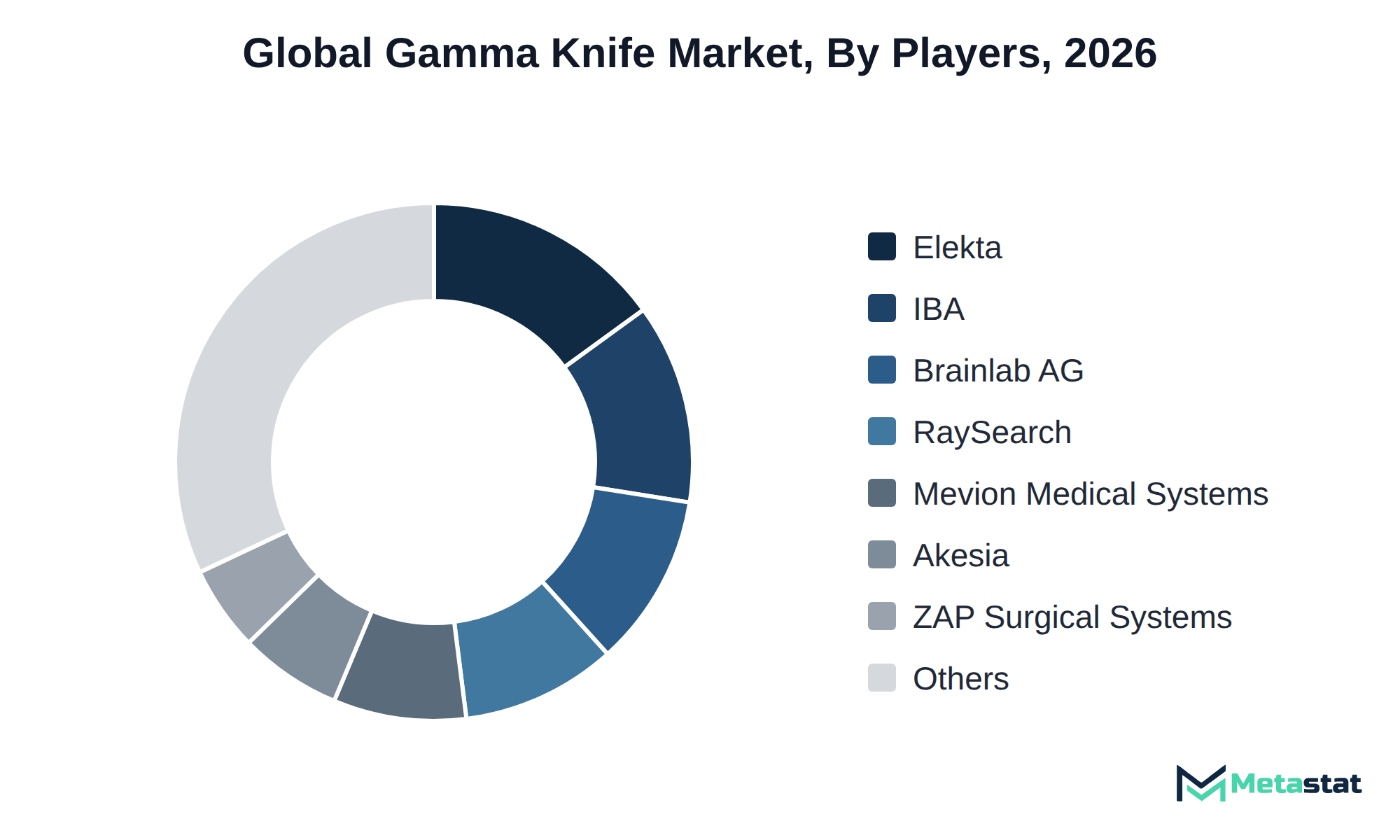
The Gamma Knife market features a diverse range of companies competing through various strategies. Key factors influencing buyer decisions include price, certification, customization, service, and the overall ecosystem offered by suppliers. Companies focus on enhancing technological capabilities and expanding their service offerings to meet specific market needs.
Elekta operates in developing advanced Gamma Knife systems, positioning its products for efficiency and precision in radiosurgery. Akesis Inc. emphasizes innovative solutions in the market, targeting specialized treatment centers. Other players, including IBA and Nordion Inc., focus on integrating their offerings with broader healthcare solutions, enhancing their competitive position through comprehensive service models.
RaySearch and Mevion Medical Systems prioritize research and development to refine their technology, catering to hospitals and specialty cancer centers. ZAP Surgical Systems, Inc. and Brainlab AG leverage their expertise in software and hardware integration, attracting buyers seeking customizable and efficient surgical tools. This strategic focus on innovation and customer-centric solutions shapes the competitive dynamics of the Gamma Knife market.
For the market to achieve this growth, several key developments require attention. The expansion of the Leksell Gamma Knife Esprit segment, with a projected CAGR of 7.9%, will play a critical role in reaching the forecast. This growth hinges on increased demand from hospitals, which are anticipated to invest in advanced technologies for precise treatment. The rise in cases of brain metastases will stimulate growth within that application segment, expected to see a CAGR of 5.9%. On the other hand, risks could impede this trajectory. Economic downturns or regulatory changes in key regions, especially North America, could slow investments in Gamma Knife systems. Given that North America holds a significant market share of 39% in 2025, any adverse developments in this region could have a pronounced effect on overall growth. Therefore, while the Gamma Knife market has strong potential for expansion, certain external factors align for the market to reach its 2033 target.
By Product Type: Leksell Gamma Knife Esprit, Leksell Gamma Knife Icon, Leksell Gamma Knife Perfexion, Legacy Gamma Knife Systems
By Application: Brain Metastases, Meningiomas, Arteriovenous Malformations (AVMs), Vestibular Schwannomas, Pituitary Adenomas, Trigeminal Neuralgia, Others (Functional Neurological Disorders)
By End-user: Hospitals, Specialty Cancer Centers, Dedicated Radiosurgery Centers, Academic Medical Centers, Others (Specialized Neurological Treatment Facilities), By
The report strategically identifies and profiles the key market players and analyses their core competencies in each sub-segment of the Gamma Knife market.
Report Attributes | Details |
Study Period | 2021-2033 |
Base Year | 2025 |
Estimated Year | 2026 |
Forecast Period | 2026-2033 |
Historical Period | 2021-2025 |
Growth Rate | CAGR 5.3% from 2026 to 2033 |
Revenue Unit | USD million |
Segmentation | By Product Type, Application, End-user, and Region |
By Region | North America (By Product Type, Application, End-user, and Country)
|
Europe (By Product Type, Application, End-user, and Country)
| |
Asia Pacific (By Product Type, Application, End-user, and Country)
| |
South America (By Product Type, Application, End-user, and Country)
| |
Middle East and Africa (By Product Type, Application, End-user, and Country)
|
Find answers to common questions about this report
The Gamma Knife market size was valued at USD 479.6 million in 2025.
The market is projected to grow at a CAGR of 5.3% during the forecast period from 2026 to 2033.
The North America Gamma Knife market size is estimated to reach USD 274.3 million by 2033.
Leksell Gamma Knife Icon leads the Gamma Knife market with a projected value of USD 234 million by 2033. This segment surpasses others in terms of revenue generation within the product type category.
Investments by hospitals in radiosurgery technologies significantly drive growth within the market. Emerging technologies within radiosurgery enhance the accuracy and effectiveness of procedures, promoting demand for advanced Gamma Knife systems.
North America holds the dominant share of the Gamma Knife market, with a value of USD 274.3 million projected for 2033, representing 39 percent of the total market.
Rising treatment costs for Gamma Knife systems hinder adoption among hospitals and specialty cancer centers. Financial burdens lead to slower uptake, particularly in budget-constrained regions, influencing purchasing strategies and resulting in smaller orders or delayed replacements of outdated systems.
The Gamma Knife market is estimated to reach a valuation of USD 725.2 million by 2033.
Key players operating in the Gamma Knife market include Elekta, Akesis Inc., IBA, Nordion Inc., RaySearch, Penn Medicine, UCSF, Mevion Medical Systems, ZAP Surgical Systems, Inc., and Brainlab AG.
The brain metastases segment is anticipated to reach USD 262.1 million by 2033, reflecting a compound annual growth rate of 5.9% from 2026.
The analysts below cover Medical Devices research at Metastat Insights.
LEAD ANALYST
Utkarsh Khirodkar is a Lead Market Research Analyst at MetaStat Insight, specializing in market intelligence, technology sector assessments, and competitive strategy.

LEAD PRINCIPAL ANALYST, PHARMA AND HEALTHCARE
Food and Beverages · Healthcare · Healthcare IT · Medical Devices
Ajay Devgire is the Lead Healthcare Analyst at MetaStat Insight, leading strategic research and market intelligence initiatives across the global healthcare domain.

SENIOR RESEARCH ANALYST
Biotechnology · Food and Beverages · Medical Devices · Packaging
Snehal Pasalkar is a Research Analyst at MetaStat Insight, operating at the intersection of life sciences research, competitive strategy, and market intelligence.
Most industry reports on warehouse automation bundle autonomous mobile robots and fixed conveyor installations into the same top-level numbers, which complicates advisory work. This study split the market cleanly by payload tiers, navigation technology, and fleet management software layers. The regional forecast for Western Europe gave our team defensible adoption benchmarks when evaluating capital allocation for logistics clients, saving us days of secondary data scrubbing.
Standard industry briefs frequently blur the operational distinctions between isobaric pressure exchangers and centrifugal turbines. In this study, MetaStat Insight categorized mega-scale desalination tenders across the GCC and Mediterranean basins by membrane replacement frequencies and salinity tolerances. Their primary research helped us evaluate local content requirements in Saudi Arabia and the UAE without relying on marketing literature. We found the segment-level equipment replacement estimates grounded and well-reasoned throughout.
The technical breakdown of ISO 20022 migration readiness across correspondent banking corridors was remarkably thorough. Rather than treating cross-border corporate payments as a single block, the report drew a useful distinction between multilateral netting platforms and domestic instant payment rails across ASEAN economies. MetaStat Insight highlighted regulatory constraints on foreign exchange liquidity management that many publications gloss over. The research material offered practical clarity for our platform development roadmap.
Explore related market intelligence reports worth reading alongside this one.