
LEAD ANALYST
Utkarsh Khirodkar is a Lead Market Research Analyst at MetaStat Insight, specializing in market intelligence, technology sector assessments, and competitive strategy.

Australia Botulinum Toxin Market Size, Share, By Product Type (OnabotulinumtoxinA (Botox), AbobotulinumtoxinA (Dysport), IncobotulinumtoxinA (Xeomin), PrabotulinumtoxinA (Nuceiva), LetibotulinumtoxinA (Letybo), DaxibotulinumtoxinA (Daxxify)), By Application (Aesthetic Applications, Therapeutic Applications), By Therapeutic Indication (Facial Aesthetic Treatments (Glabellar Lines, Forehead Lines and Crow's Feet), Focal Spasticity, Cervical Dystonia, Blepharospasm and Hemifacial Spasm, Chronic Migraine, Hyperhidrosis, Sialorrhea, Others (Overactive Bladder and Neurogenic Detrusor Overactivity)), By End User (Specialty & Dermatology Clinics, Hospitals & Clinics, Others (Specialist Outpatient and Ambulatory Care Facilities)), Industry Analysis, Growth, Trends, and Forecast, 2026-2033
Report ID
MSI-5781
Published
November, 2026
Pages
257 Pages
Format
Historical
Base year
Forecast
Forecast period
Report Details
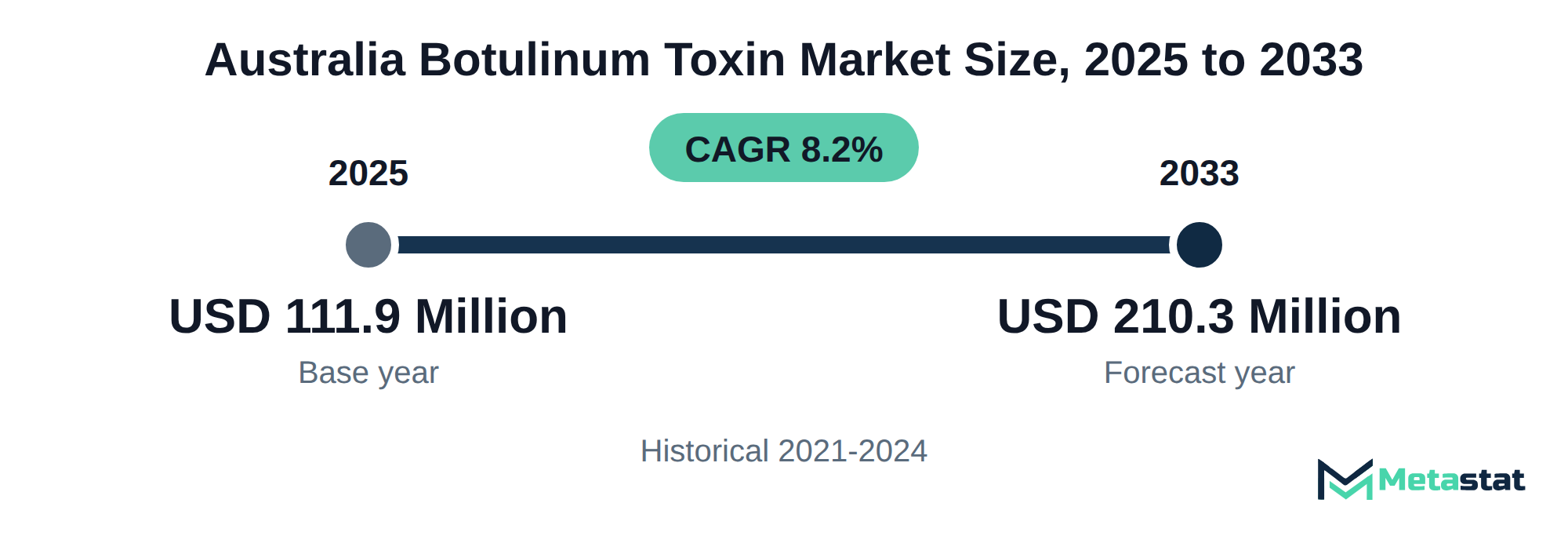
Market Valuation: Valued at $111.9 Million in 2025, projected to reach $210.3 Million by 2033 at a 8.2% CAGR.
Dominant Segment: The aesthetic applications segment leads the market, driven by increasing consumer demand for non-surgical cosmetic treatments. This segment is projected to grow from USD 83.5 million in 2026 to USD 147.7 million by 2033, reflecting a CAGR of 8.5%.
Geographic Lead: Australia exhibits significant market activity, particularly in urban areas where access to aesthetic and therapeutic treatments is prevalent. The Asia-Pacific region is expected to lead in market share, supported by a growing population and rising disposable incomes.
What's Inside: The report provides a comprehensive analysis of the Australia Botulinum Toxin market, covering product types, applications, and therapeutic indications. It includes competitive insights and forecasts from 2026 to 2033, detailing market dynamics and growth trends.
Rising Demand for Non-Surgical Aesthetic: There is a notable increase in consumer interest in non-surgical aesthetic procedures, particularly among women aged 25 to 45. This trend is fueled by social media influence and a cultural shift towards prioritizing appearance and self-care.
Technological Advancements: Innovations in botulinum toxin formulations, such as PrabotulinumtoxinA and DaxibotulinumtoxinA, are enhancing treatment efficacy and safety. These advancements are attracting both consumers and healthcare professionals, further driving market growth.
Choose Your License
Australia Botulinum Toxin Market
The Australia Botulinum Toxin market was valued at USD 111.9 million in 2025 and is projected to reach USD 210.3 million by 2033, growing at a CAGR of 8.2% over the forecast period.
The Australia Botulinum Toxin market encompasses a variety of products designed for both aesthetic and therapeutic applications. Purchases in this sector stem from specialty clinics and hospitals, driven by the demand for effective treatments addressing both cosmetic concerns and medical conditions. Increasing public awareness regarding aesthetic enhancements and advancements in therapeutic applications contribute significantly to market growth.
Growth in the market is supported by several factors, particularly the rising popularity of aesthetic applications, which account for the largest share of market value. The aesthetic segment shows strong demand, driven by consumers' pursuit of youthfulness and beauty. An expanding demographic seeks these treatments, positioning the market for continued expansion. This reflects wider consumer interest in anti-aging products, services and devices.
The market is active throughout Australia, with growth expected mainly in urban areas where access to aesthetic and therapeutic treatments is more prevalent. Increasing investment in healthcare and aesthetic procedures enhances the overall market landscape, positioning the sector favorably for sustained growth.
The market offers innovative solutions that cater to the aesthetic needs of consumers, particularly those seeking facial treatments and other cosmetic enhancements. Botulinum toxin injections can also be paired with other procedures within aesthetics combination therapy. Buyers invest in these products to achieve desired aesthetic outcomes, driven by societal trends prioritizing appearance and self-care. Demand for aesthetic applications significantly contributes to the market's expansion, reflecting a shift towards non-invasive procedures that enhance physical appearance.
Aesthetic applications represent the highest value segment within the market, capturing a substantial share of expenditures. Growth in the market is largely attributed to increased consumer awareness regarding the effectiveness of botulinum toxin products for facial aesthetic treatments. The Asia-Pacific region leads in market share, influenced by a growing population and rising disposable income, facilitating greater access to these treatments.
Continuous advancements in botulinum toxin formulations enhance their efficacy and safety, further driving market growth. Innovations in product types, including OnabotulinumtoxinA and AbobotulinumtoxinA, support the demand from both aesthetic and therapeutic applications. Consumers increasingly seek reliable solutions for various indications, and evolving preferences and technological advancements support sustained growth.
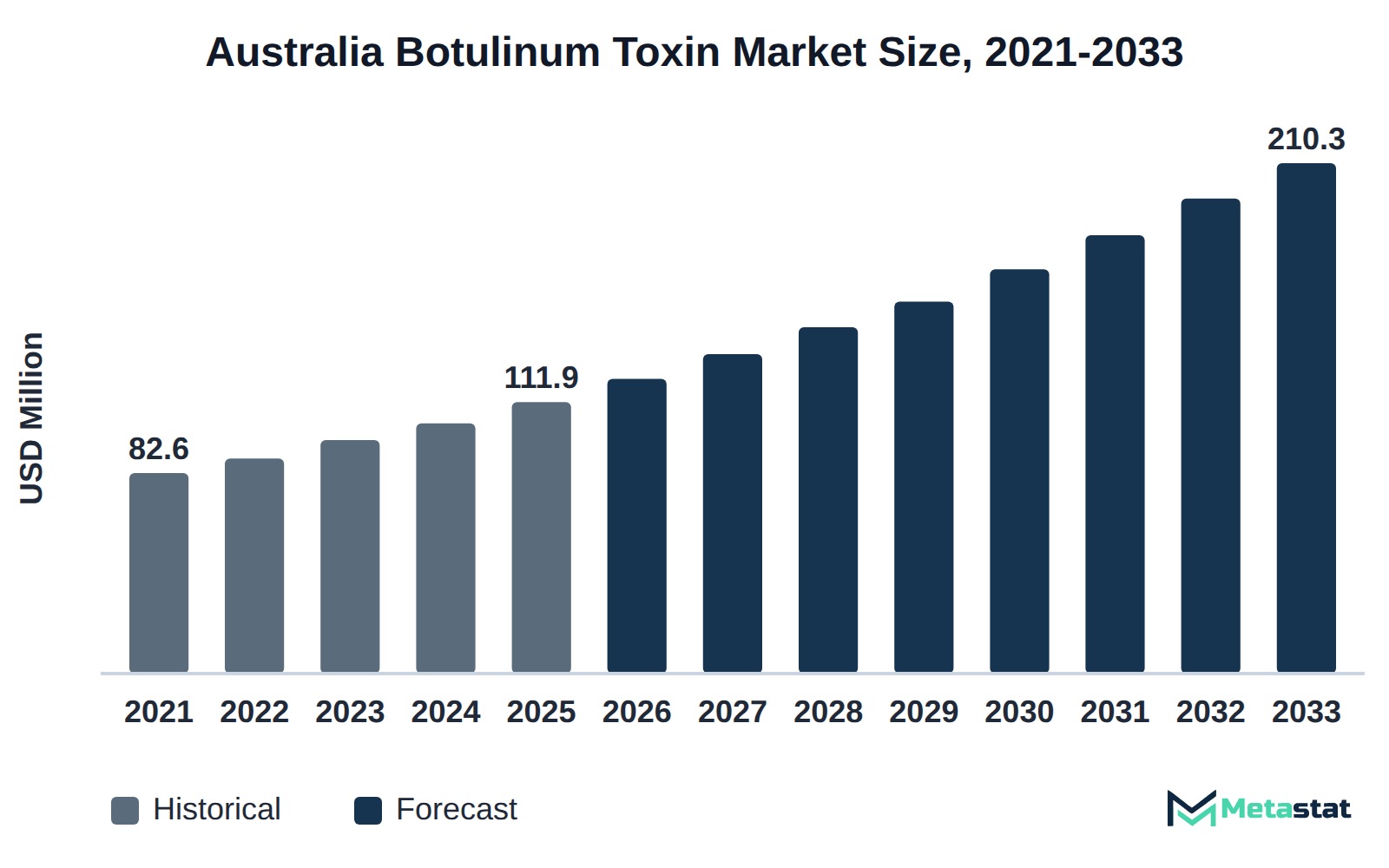
Significant growth in the demand for premium botulinum toxin formulations has emerged in Australia, reflecting a shift towards non-surgical aesthetic treatments. The aesthetic applications segment is projected to increase from USD 83.5 million in 2026 to USD 147.7 million by 2033, representing a compound annual growth rate (CAGR) of 8.5%. This trend highlights a broader consumer preference for less invasive procedures that yield immediate and satisfying results, appealing to individuals seeking cosmetic enhancements without the recovery time associated with surgical options. Non-surgical options of this kind also include hyaluronic acid-based dermal fillers.
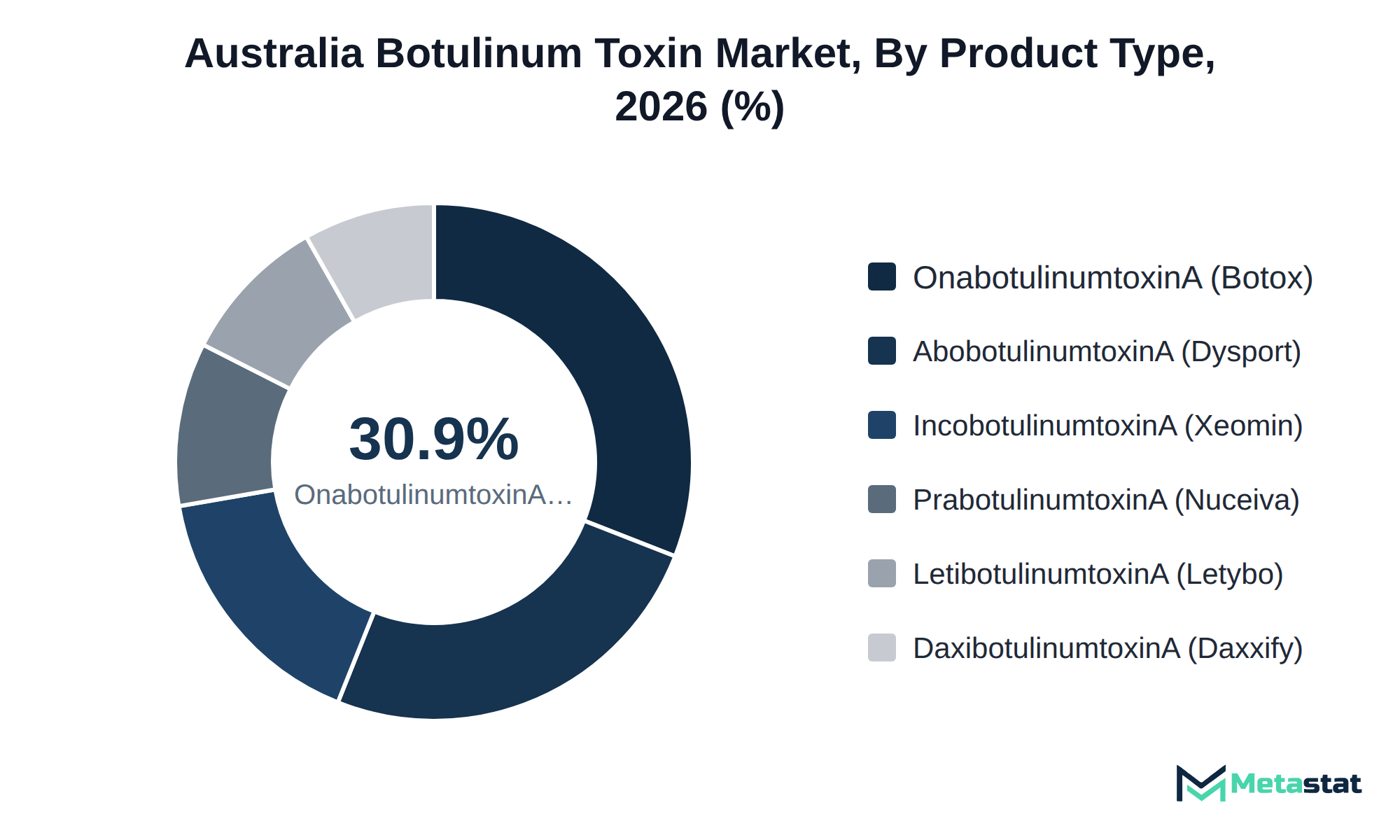
In particular, formulations including OnabotulinumtoxinA (Botox) and AbobotulinumtoxinA (Dysport) dominate this sector, with OnabotulinumtoxinA expected to rise from USD 37.2 million in 2026 to USD 59.8 million by 2033, corresponding to a CAGR of 7%. Ongoing innovation within this market, focusing on enhanced efficacy and safety profiles, continues to attract a diverse clientele, ranging from young adults to older consumers. Practitioners adopting these advanced formulations enhance their treatment offerings, allowing for tailored solutions that meet varied aesthetic needs.
This increasing preference for premium options within the Australia Botulinum Toxin market indicates a shift in consumer expectations, driving clinics and hospitals to invest in higher-quality products and training for providers. These operational changes improve patient satisfaction and contribute to overall market expansion in Australia.
The therapeutic applications of botulinum neurotoxins in treating neurological and muscular disorders represent a significant segment in the Australia Botulinum Toxin market. Specialty and dermatology clinics comprise a vital end user group, driving demand for these products. In 2026, the revenue for this segment is forecasted to reach USD 76.5 million, increasing to USD 137 million by 2033, reflecting a compound annual growth rate of 8.7%.
Pricing strategies for botulinum toxins vary depending on the product type and therapeutic application. The most common approach involves a per-unit pricing model, where clinics pay for dosage amounts based on patient requirements. Factors influencing pricing include manufacturer reputation, product efficacy, and market competition. For example, OnabotulinumtoxinA (Botox) and AbobotulinumtoxinA (Dysport) are prominent products in this field, both projected to maintain strong sales growth, with revenues of USD 59.8 million and USD 50.8 million, respectively, by 2033.
Contract models often play a role in the procurement process. Many clinics establish agreements with suppliers to ensure consistent product availability and negotiate favorable pricing terms. These procurement practices are part of healthcare supply chain management. These contracts include volume discounts, ensuring that clinics benefit from lower per-unit costs as they increase their purchase quantities. Such arrangements enhance operational efficiency and support sustained growth in the market.
Specialty and dermatology clinics represent a critical buyer group within the Australia Botulinum Toxin market, driven by a distinct focus on aesthetic applications. These clinics prioritize effective solutions for facial aesthetic treatments, including glabellar lines, forehead lines, and crow's feet. This focus places them within the wider field of aesthetic dermatology.
This segment’s expansion stems from rising consumer demand for non-surgical cosmetic procedures. Specialty clinics develop tailored offerings that meet diverse client expectations, enhancing their competitive positioning. Established brands including OnabotulinumtoxinA (Botox) and AbobotulinumtoxinA (Dysport) have carved a share, while emerging brands, including PrabotulinumtoxinA (Nuceiva), capitalize on innovation and unique marketing strategies to attract clientele.
Competition within this buyer group intensifies as clinics aim to differentiate themselves through high-quality service, advanced techniques, and appealing pricing structures. This landscape shapes the commercial strategies of brands entering the market, leading to continual improvements in product offerings and customer engagement.
A significant increase in the adoption of Botulinum toxin injections in Australia stems from the growing demand for aesthetic applications. This demand is driven primarily by rising awareness of cosmetic procedures and their accessibility. This expansion indicates a shift in consumer perception, where more individuals seek non-invasive cosmetic enhancements.
Healthcare providers, including specialty and dermatology clinics, help drive this trend. More clinics offering these procedures attract a broader clientele interested in aesthetic improvements. The financial implications for these clinics are substantial. Rising demand increases revenue and enables further investment in technology and training. This dynamic reinforces the position of the Australia Botulinum Toxin market as a significant segment within the beauty and therapeutic landscape.
Growing consumer interest in aesthetic procedures drives significant spending in the market. This trend reflects a broader societal shift towards non-surgical cosmetic enhancements, which attract a diverse demographic, particularly women aged 25 to 45 seeking facial treatments. Specialty and dermatology clinics report increased consultations and procedures, resulting in higher volumes of botulinum toxin usage. Enhanced social media presence and the influence of beauty culture contribute to this demand, prompting buyers to seek out premium formulations and advanced techniques. Willingness to invest in these procedures increases revenue opportunities for clinics and suppliers and keeps competition strong in the Australia Botulinum Toxin market.
Shifting buyer preferences toward minimally invasive treatments create a fertile environment for market expansion. Increasing awareness of the benefits of botulinum toxin products helps clinics reach new customer segments and boost overall market growth.
Innovations in product formulations drive market growth through enhanced efficacy and safety profiles. The introduction of new botulinum toxin variants, including PrabotulinumtoxinA (Nuceiva) and DaxibotulinumtoxinA (Daxxify), expands treatment options for both aesthetic and therapeutic applications. These advancements attract consumers and healthcare professionals seeking superior outcomes in facial aesthetic treatments and therapeutic interventions.
Improved manufacturing processes contribute to more consistent product quality, appealing to clinicians and patients. Suppliers investing in research and development increase their competitive edge in the Australia Botulinum Toxin market, stimulating further adoption. Enhanced delivery systems and formulations reduce adverse effects, making treatments safer and more appealing. This trend influences purchasing decisions among specialty clinics and hospitals, promoting a shift towards innovative solutions.
While the market evolves, ongoing technological advancements maintain the relevance of botulinum products in various applications, driving sustained demand. These factors position the market for growth in the coming years as aesthetic and therapeutic practices continue to change.
Price sensitivity significantly impacts adoption rates within the Australia Botulinum Toxin market, particularly among specialty and dermatology clinics. Patients face high costs associated with botulinum toxin treatments, leading to slower uptake of these procedures. This price barrier results in smaller orders from clinics, with many opting to delay treatments or seek alternative solutions. Increased competition among suppliers further exacerbates this issue, prompting clinics to prioritize cost efficiency. Financial considerations weigh heavily on decision-making and affect the overall growth trajectory of the market. Clinics assess treatment options, balancing quality and affordability to maintain patient satisfaction and clinic profitability. This creates a challenging environment for suppliers aiming to expand their presence and capture a larger share of the growing market. Addressing price sensitivity through strategic pricing and value-added services could enhance market prospects.
Suppliers in the Australia Botulinum Toxin market face increasing input costs that affect overall profitability. Rising prices for raw materials and manufacturing processes contribute to this challenge. Several suppliers respond by optimizing production efficiencies and exploring alternative sourcing strategies to mitigate these costs. Investments in advanced technologies facilitate streamlined operations, helping to contain expenses and maximize output. Partnerships with local suppliers enhance supply chain resilience, ensuring timely access to essential components. These actions allow suppliers to maintain competitive pricing while addressing the challenges posed by escalating costs. The market dynamics compel ongoing adaptation among stakeholders to sustain revenue growth.
Rising input costs push suppliers to innovate and adopt cost-saving measures to remain competitive.
A significant opportunity exists within the aesthetic applications segment of the Australia Botulinum Toxin market. Specialty and dermatology clinics represent the fastest-growing end user category, projected to expand from USD 76.5 million in 2026 to USD 137 million by 2033, reflecting a compound annual growth rate (CAGR) of 8.7%. This growth stems from increasing consumer demand for non-surgical aesthetic procedures and enhancements. The popularity of botulinum toxin injections for facial aesthetic treatments, including glabellar lines and crow's feet, further fuels this demand. The expansion of specialty clinics focused on aesthetic treatments positions them as key players in capturing this demand. Enhanced training and expertise in these clinics facilitate greater consumer confidence, ultimately driving market growth.
The Australia Botulinum Toxin market is segmented based on Product Type, Application, Therapeutic Indication, and End User.
This product primarily serves aesthetic applications, with significant usage among consumers seeking facial treatments including glabellar lines, forehead lines, and crow's feet. The driving force behind this segment's growth is the increasing consumer demand for non-invasive cosmetic procedures, leading to higher expenditure in the market. Compared to other product types, OnabotulinumtoxinA (Botox) experiences a slower growth rate relative to AbobotulinumtoxinA (Dysport), which has a projected CAGR of 7.6%. This variation in growth rates reflects different consumer preferences and the competitive positioning of available formulations, influencing buyer choices across specialty and dermatology clinics in the Australia Botulinum Toxin market.
AbobotulinumtoxinA (Dysport) segment is estimated to reach USD 50.8 million by 2033, at a CAGR of 7.6% during the forecast period. This product primarily finds application in both aesthetic and therapeutic treatments. Aesthetic clinics use Dysport for facial treatments, including wrinkle reduction, enhancing its appeal among consumers seeking non-invasive cosmetic solutions. The therapeutic applications target various medical conditions, allowing hospitals and clinics to adopt this product for treatments including cervical dystonia and spasticity. Key drivers for this segment include rising demand for effective aesthetic solutions, which supports its growth rate of 7.6%, higher than other segments. Pricing strategies and market positioning create notable distinctions; Dysport typically occupies a premium pricing tier, attracting a specific demographic focused on quality and effectiveness. This positioning differentiates it from alternatives like OnabotulinumtoxinA, which targets a broader consumer base and emphasizes affordability.
IncobotulinumtoxinA (Xeomin) segment is expected to reach USD 35.2 million by 2033. This formulation functions primarily in aesthetic applications, particularly in reducing the appearance of wrinkles and fine lines. Surgeons and dermatologists apply it in both cosmetic and therapeutic settings. Demand for IncobotulinumtoxinA is driven by lower immunogenicity compared to other products, appealing to clients seeking long-lasting results without frequent treatments. The growth of this segment occurs at a compound annual growth rate (CAGR) of 7.0%, making it slower than other competitors including AbobotulinumtoxinA (Dysport), which sees a CAGR of 7.6%. Price variations in the segment influence buyer choices, with clients increasingly favoring value-driven options while prioritizing quality, contributing to a more competitive market environment in Australia.
PrabotulinumtoxinA (Nuceiva) segment is projected to grow at a CAGR of 8.8% during the forecast period. This product is primarily for aesthetic procedures, targeting facial wrinkles and fine lines. Specialty and dermatology clinics form the main user base, driven by rising consumer demand for non-invasive cosmetic treatments. Increasing awareness of the benefits associated with PrabotulinumtoxinA (Nuceiva) boosts user interest, enhancing its market position. The segment distinguishes itself from others, including OnabotulinumtoxinA (Botox), which has a lower projected growth rate of 7% during the same period. Pricing strategies impact adoption rates, particularly in a price-sensitive market, where aesthetic clinics evaluate cost-effectiveness against treatment results. The expected revenue for this segment highlights its competitive edge, contributing to the overall dynamics of the Australia botulinum toxin market.
LetibotulinumtoxinA (Letybo) offers a distinctive alternative within the Product Type segment of the market. This formulation targets specific aesthetic applications, appealing primarily to patients and practitioners seeking advanced treatment options. Increasing consumer interest in non-surgical aesthetic procedures drives heightened demand for this product. The aesthetic sector's growth contrasts with the therapeutic application segment, which typically experiences slower uptake due to stringent regulatory requirements and broader treatment protocols. Specialty and dermatology clinics often select LetibotulinumtoxinA for its perceived benefits, including fewer adverse reactions compared to traditional formulations. The growing focus on safety and efficacy positions LetibotulinumtoxinA favorably, differentiating it from other botulinum toxin products available in the market.
DaxibotulinumtoxinA (Daxxify) is an advanced formulation within the Botulinum Toxin landscape, targeting aesthetic applications. It primarily serves to reduce the appearance of facial wrinkles and lines, appealing to consumers seeking non-surgical cosmetic enhancements. Specialty and dermatology clinics frequently administer this treatment, aligning with the growing trend of minimally invasive procedures. A key driver for this segment involves increasing consumer awareness of options for facial rejuvenation, contributing to its uptake. DaxibotulinumtoxinA differentiates itself from other product types through specific technological advancements that enhance its efficacy and safety, likely supporting its competitive positioning in the market. Its pricing structure reflects premium positioning in this competitive landscape, catering to clients willing to invest in high-quality aesthetic treatments. This segment's dynamics significantly impact overall trends and consumer preferences within the Australia Botulinum Toxin market.
This segment primarily focuses on cosmetic procedures including wrinkle reduction and facial contouring, attracting clients from various demographics looking to enhance their appearance. Patients may also turn to aesthetic laser treatments for some of the same goals, such as improving skin appearance. Increased consumer interest in non-invasive aesthetic treatments fuels demand for these procedures, particularly among younger adults. In comparison to Therapeutic Applications, which target medical conditions like spasticity, the Aesthetic Applications segment experiences a higher growth rate driven by aesthetic trends and social media influence. The higher price points associated with aesthetic treatments often align with a demographic that prioritizes cosmetic enhancement over medical necessity, influencing spending behavior in the market.
Therapeutic Applications segment is estimated to reach USD 62.6 million by 2033, at a CAGR of 7.4% during the forecast period. This segment serves to treat various medical conditions, including cervical dystonia, spasticity, and blepharospasm, primarily used by healthcare providers in hospitals and specialty clinics. Many of these conditions are neurological, which places them within central nervous system therapeutics. The increasing prevalence of neurological disorders drives significant growth in this segment, reflecting substantial demand for effective treatment options. Compared to aesthetic applications, this segment experiences slower growth due to longer approval timelines for therapeutic uses and varying reimbursement policies across different regions. Treatment costs associated with therapeutic applications are higher, influencing purchasing decisions among healthcare providers. The therapeutic applications segment represents a distinct area within the Australia Botulinum Toxin market, emphasizing medical efficacy rather than cosmetic appeal.
Facial Aesthetic Treatments (Glabellar Lines, Forehead Lines and Crow's Feet) segment is valued at USD 71.6 million in 2026 and is projected to reach USD 128.6 million by 2033, at a CAGR of 8.7% during the forecast period. This segment focuses on non-surgical cosmetic procedures aimed at reducing wrinkles and fine lines, catering primarily to consumers seeking aesthetic enhancements. The growing popularity of these treatments among individuals prioritizing appearance drives market demand significantly. Advancements in formulation technologies enhance the effectiveness and safety of these treatments, attracting more clients to specialty and dermatology clinics. Compared to other therapeutic indications, this segment experiences faster growth due to increasing societal acceptance of aesthetic procedures and the willingness of patients to invest in their appearance. The rising preference for minimally invasive treatments further distinguishes this segment, emphasizing its unique position within the Australia Botulinum Toxin market.
Focal Spasticity segment is estimated to reach USD 19.8 million by 2033, at a CAGR of 7.3% during the forecast period. This segment addresses muscle stiffness and spasms associated with neurological conditions, predominantly used by healthcare professionals in rehabilitation settings. Rehabilitation care for spasticity also draws on physiotherapy. Factors driving this segment include rising awareness of treatment options and increased diagnosis rates of related conditions. Compared to other therapeutic indications, Focal Spasticity experiences moderate growth, influenced by patient demand for improved mobility and the evolving treatment landscape. The market for therapeutic applications focuses on addressing specific medical needs, contributing to distinct pricing dynamics and buyer profiles across segments. This market reflects broadening acceptance of botulinum toxin treatments, enhancing the potential for greater adoption among specialty clinics and hospitals.
Cervical Dystonia segment is expected to reach USD 14.4 million by 2033. This segment focuses on the treatment of involuntary muscle contractions in the neck, affecting posture and movement, leading to discomfort and pain. Neurologists and specialized clinics primarily administer treatments, applying botulinum toxin injections to alleviate symptoms effectively. Demand for this segment is driven by increasing awareness of the condition and the benefits of botulinum toxin in managing symptoms. With a CAGR of 7.3%, growth in this segment remains slower compared to Facial Aesthetic Treatments, which experience a CAGR of 8.7%. The therapeutic applications for this segment differ from aesthetic applications, which cater to patients seeking cosmetic enhancements. The growing prevalence of cervical dystonia among various age groups enhances the market's potential, encouraging investment and research into more effective treatment options.
Blepharospasm and Hemifacial Spasm segment is projected to grow at a CAGR of 7.3% during the forecast period. This segment focuses on treating involuntary muscle contractions around the eyes and face, primarily using botulinum toxin injections. Ophthalmologists and neurologists administer these treatments to improve the quality of life for patients affected by these conditions. The increasing prevalence of neurological disorders contributes to the segment's growth, reflecting broader acceptance of botulinum toxin as a viable treatment option. Compared to other therapeutic indications, including Facial Aesthetic Treatments, this segment experiences slower growth but often at a lower price point. The specific targeting of this segment allows healthcare providers to differentiate their offerings, catering to a unique patient base that requires specialized care, ultimately shaping the dynamics of the Australia Botulinum Toxin market.
Chronic Migraine involves persistent headache conditions that significantly impact quality of life. This segment is used mainly by neurologists and headache specialists to provide relief for patients experiencing debilitating migraine episodes. Rising awareness about chronic migraine treatments drives demand, supported by growing patient advocacy and healthcare initiatives aimed at improving treatment access. Comparatively, the segment experiences slower growth than aesthetic applications, influenced by higher costs and a more complex treatment process. Healthcare professionals face challenges in educating patients about available options, which restricts adoption rates in certain demographics. Advances in treatment protocols and patient management strategies contribute to evolving market dynamics, ensuring that the needs of chronic migraine sufferers receive adequate attention in the wider context of the Australia Botulinum Toxin market.
Hyperhidrosis refers to a medical condition characterized by excessive sweating, which is effectively treated using botulinum toxin injections. This treatment is commonly used by dermatologists and specialty clinics to help patients manage their symptoms and improve quality of life. Demand for treatments targeting hyperhidrosis has grown due to increasing awareness of the condition and its impact on daily living. Many patients seek interventions that offer more immediate results compared to traditional treatments, propelling acceptance in the market. Compared to other therapeutic indications, the focus on hyperhidrosis yields different buyer profiles, reflecting a preference for individuals seeking immediate relief rather than purely aesthetic benefits. This segment benefits from advancements in injection techniques and increasing clinical evidence supporting efficacy, contributing to its positive trajectory in the Australia botulinum toxin market.
Sialorrhea involves excessive salivation, requiring effective management through therapeutic interventions. This condition often affects individuals with neurological disorders or those undergoing various medical treatments. Specialty and dermatology clinics serve patients experiencing sialorrhea, employing botulinum toxin to reduce saliva production. Demand for this treatment is influenced by the growing prevalence of related neurological disorders, which increases patient consultations in these clinics. Compared to other therapeutic indications, sialorrhea experiences slower adoption due to the specific patient demographics involved and the need for tailored treatment protocols. The Australia Botulinum Toxin market reflects a comprehensive approach to addressing such conditions, contributing to a broad spectrum of therapeutic applications.
Others (Overactive Bladder and Neurogenic Detrusor Overactivity) involves the use of botulinum toxin for treating specific bladder conditions, enhancing the quality of life for patients experiencing debilitating symptoms. Urologists and specialists in outpatient settings administer these treatments to patients suffering from involuntary bladder contractions. Another approach to bladder dysfunction is sacral neuromodulation. Key drivers for this segment include increasing awareness of treatment options among healthcare providers and patients, alongside a growing prevalence of urinary disorders linked to aging populations. Compared to other therapeutic indications, this segment experiences slower growth due to regulatory hurdles and the need for extensive clinical validation, which impacts adoption rates. Advancements in formulation and delivery methods could stimulate interest. Overall, the Australia Botulinum Toxin market reflects a diverse range of therapeutic applications, positioning this sub-segment as an integral part of the treatment landscape.
This segment primarily serves patients seeking both aesthetic and therapeutic botulinum toxin treatments, including wrinkle reduction and management of various muscular conditions. A significant driver of growth within this segment stems from increasing consumer awareness regarding aesthetic procedures. Patients are more inclined to seek services at clinics offering advanced botulinum toxin treatments, leading to heightened demand. Compared to Hospitals & Clinics, which are anticipated to grow at a CAGR of 7.3%, the Specialty & Dermatology Clinics segment exhibits faster growth, reflecting a shift toward outpatient care and specialized treatment options. The market increasingly recognizes the importance of specialized facilities in delivering effective botulinum toxin therapies.
Hospitals & Clinics segment is estimated to reach USD 57.1 million by 2033, at a CAGR of 7.3% during the forecast period. This segment primarily serves patients seeking both aesthetic and therapeutic treatments in clinical settings. A growing focus on minimally invasive procedures drives demand for botulinum toxin products within these facilities, particularly among dermatologists and specialists in aesthetic medicine. Compared to other segments, this area reflects a more moderate growth rate, primarily driven by the stringent regulatory environment and budgetary constraints faced by hospitals. The market for therapeutic applications in hospitals and clinics continues to expand, influenced by higher patient volumes and increased acceptance of botulinum toxin treatments for various medical conditions. Overall, the Hospitals & Clinics segment represents a crucial component of the Australia Botulinum Toxin market, balancing both therapeutic and aesthetic needs.
USD 16.2 million is the projected value for the Others (Specialist Outpatient and Ambulatory Care Facilities) segment by 2033. This segment encompasses facilities that provide specialized care and outpatient services for various medical conditions, including aesthetic treatments and therapeutic interventions. Healthcare providers in this segment include outpatient clinics and ambulatory care facilities that focus on delivering efficient and effective treatments to patients. Demand for this segment is driven by the increasing preference for non-invasive procedures and advancements in botulinum toxin formulations. Unlike other segments, this one experiences slightly slower growth compared to Specialty & Dermatology Clinics, projected at a CAGR of 8.7%. The market benefits from the growing acceptance of botulinum toxin treatments as viable options for therapeutic and aesthetic applications.
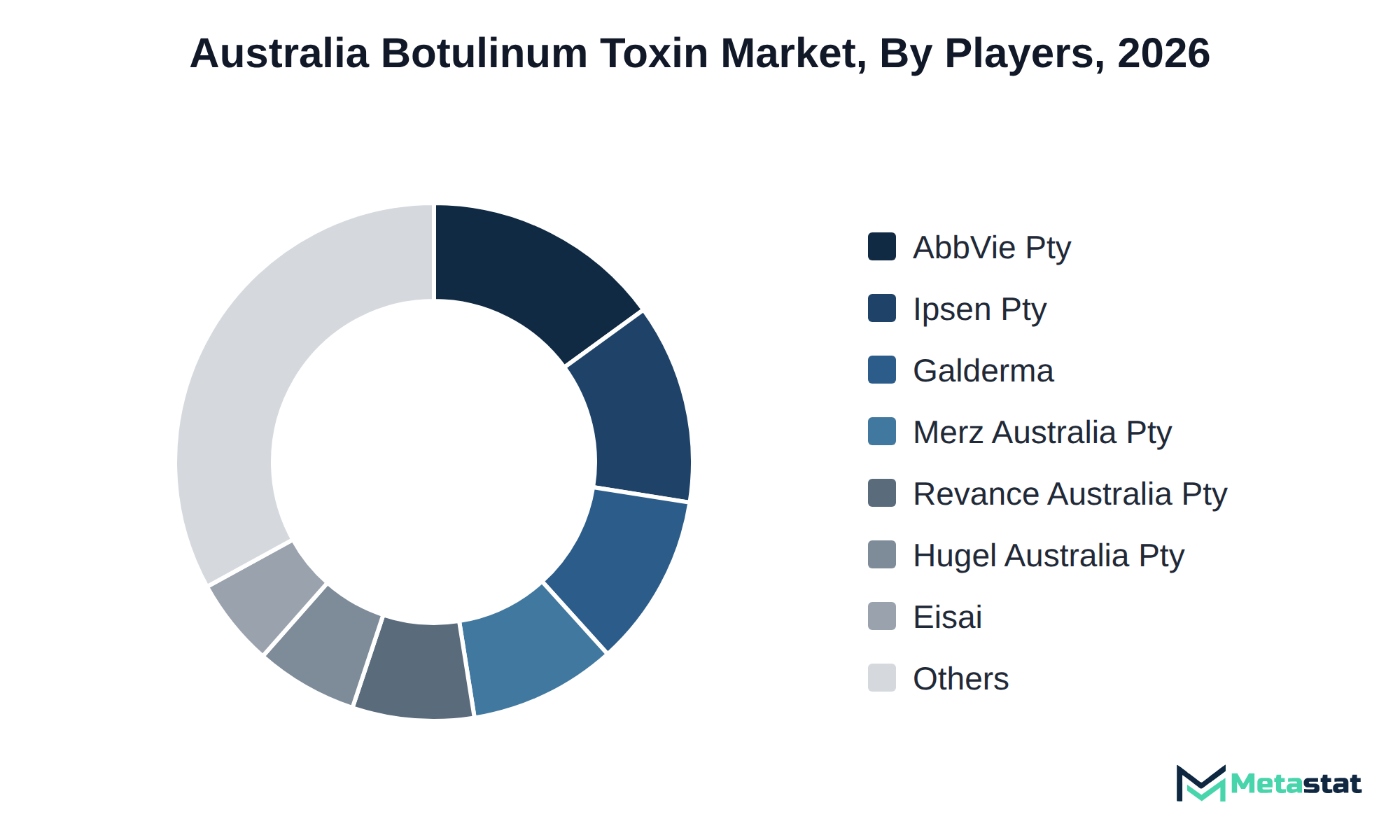
The Australia Botulinum Toxin market is competitive, with suppliers focusing on different product types and applications. Companies differentiate themselves through multiple factors, including pricing strategies, product efficacy, and customer service. Buyers prioritize certification, customization, and the overall service ecosystem when selecting suppliers.
AbbVie Pty Ltd operates with its prominent offering of OnabotulinumtoxinA (Botox), targeting both aesthetic and therapeutic applications. Ipsen Pty Ltd emphasizes AbobotulinumtoxinA (Dysport) and positions itself within the therapeutic sector. Merz Australia Pty Ltd, while offering various products, primarily focuses on providing advanced solutions for aesthetic applications, enhancing its presence in the market.
The market expansion relies on several key developments. First, growth in aesthetic applications, particularly Facial Aesthetic Treatments, will significantly boost demand. This segment is projected to increase from USD 71.6 million in 2026 to USD 128.6 million by 2033, driven by rising consumer interest in cosmetic procedures. Second, the therapeutic applications segment is anticipated to enhance revenue, with Focal Spasticity and Cervical Dystonia treatments playing critical roles in this growth. Third, increased adoption of OnabotulinumtoxinA (Botox) and AbobotulinumtoxinA (Dysport) will contribute to the overall market increase, expected to see CAGR rates of 7% and 7.6%, respectively, through 2033.
However, potential risks could hinder progress. Regulatory challenges and supply chain disruptions represent significant threats to market stability. If these challenges remain unresolved, growth could slow, impacting investments and innovation in the Australia Botulinum Toxin market. Companies manage these risks while pursuing opportunities in therapeutic and aesthetic segments to realize the full market potential.
By Product Type: OnabotulinumtoxinA (Botox), AbobotulinumtoxinA (Dysport), IncobotulinumtoxinA (Xeomin), PrabotulinumtoxinA (Nuceiva), LetibotulinumtoxinA (Letybo), DaxibotulinumtoxinA (Daxxify)
By Application: Aesthetic Applications, Therapeutic Applications
By Therapeutic Indication: Facial Aesthetic Treatments (Glabellar Lines, Forehead Lines and Crow's Feet), Focal Spasticity, Cervical Dystonia, Blepharospasm and Hemifacial Spasm, Chronic Migraine, Hyperhidrosis, Sialorrhea, Others (Overactive Bladder and Neurogenic Detrusor Overactivity)
By End User: Specialty & Dermatology Clinics, Hospitals & Clinics, Others (Specialist Outpatient and Ambulatory Care Facilities)
The report strategically identifies and profiles the key market players and analyses their core competencies in each sub-segment of the Botulinum Toxin market.
Report Attributes | Details |
Study Period | 2021-2033 |
Base Year | 2025 |
Estimated Year | 2026 |
Forecast Period | 2026-2033 |
Historical Period | 2021-2025 |
Growth Rate | CAGR 8.2% from 2026 to 2033 |
Revenue Unit | USD million |
Segmentation | By Product Type, Application, Therapeutic Indication, End User, and Region |
Find answers to common questions about this report
The Botulinum Toxin market size was valued at USD 111.9 million in 2025.
The market is projected to grow at a CAGR of 8.2% during the forecast period from 2026 to 2033.
Aesthetic Applications leads the Botulinum Toxin market with a value of USD 83.5 million in 2026. This segment surpasses Therapeutic Applications, which has a projected value of USD 62.6 million by 2033.
Key drivers for the Botulinum Toxin market include increasing consumer interest in aesthetic procedures and the growing influence of beauty culture. Enhanced social media presence fuels demand for premium formulations and advanced techniques, leading to higher spending in the market.
Price sensitivity restrains adoption rates, resulting in slower uptake of botulinum toxin treatments. Increasing input costs affect supplier profitability, compelling them to optimize production efficiencies and explore alternative sourcing strategies. These factors contribute to challenges in market growth.
Factors favoring adoption in the Australia Botulinum Toxin market include rising consumer interest in aesthetic procedures and the expansion of specialty and dermatology clinics. The aesthetic applications segment is projected to grow from USD 83.5 million in 2026 to USD 147.7 million by 2033, reflecting a compound annual growth rate of 8.5 percent.
The Botulinum Toxin market is estimated to reach a valuation of USD 210.3 million by 2033.
Key players operating in the Botulinum Toxin market include AbbVie Pty Ltd, Ipsen Pty Ltd, Merz Australia Pty Ltd, PPD Australia Pty Ltd, Hugel Australia Pty Ltd, Revance Australia Pty Ltd, Eisai Co., Ltd., and Galderma S.A.
Botulinum toxin is primarily used in aesthetic applications, including facial treatments, and therapeutic applications for conditions including focal spasticity and cervical dystonia.
Specialty and dermatology clinics represent the fastest-growing end user segment, projected to expand from USD 76.5 million in 2026 to USD 137 million by 2033.
The analysts below cover Medical Devices research at Metastat Insights.
LEAD ANALYST
Utkarsh Khirodkar is a Lead Market Research Analyst at MetaStat Insight, specializing in market intelligence, technology sector assessments, and competitive strategy.

LEAD PRINCIPAL ANALYST, PHARMA AND HEALTHCARE
Food and Beverages · Healthcare · Healthcare IT · Medical Devices
Ajay Devgire is the Lead Healthcare Analyst at MetaStat Insight, leading strategic research and market intelligence initiatives across the global healthcare domain.

SENIOR RESEARCH ANALYST
Biotechnology · Food and Beverages · Medical Devices · Packaging
Snehal Pasalkar is a Research Analyst at MetaStat Insight, operating at the intersection of life sciences research, competitive strategy, and market intelligence.
Assessing 200mm wafer transition schedules and substrate supply bottlenecks requires precise technical intelligence. MetaStat Insight supplied an actionable breakdown comparing planar and trench MOSFET architectures across automotive and industrial drive markets. The regional capacity estimates for Asia-Pacific foundries helped clarify lead-time uncertainties during our strategic planning session. When we needed additional clarification on high-purity raw material sourcing, their analyst team responded with helpful context within twenty-four hours.
Tracking maintenance cycle demand for secondary flight display units and terrain collision avoidance systems across regional jet fleets involves complex aftermarket dynamics. MetaStat Insight provided practical analysis separating airline retrofit programs from OEM forward-fit production schedules in North America and Southeast Asia. The supplier matrix highlighted component obsolescence timelines without resorting to vague generalizations. The dataset served as a dependable reference during our annual program review meetings.
Evaluating secondary resin quality across post-consumer packaging streams requires reliable technical segmentation. MetaStat Insight delivered an objective assessment that distinguished between extrusion-grade flake pricing and optical sorting throughput limitations across Western Europe. The competitive positioning breakdown for licensed depolymerization technology providers answered several questions during our feedstock feasibility audit. Their team clarified regional trade restrictions on mixed plastic scrap quickly when our team submitted follow-up requests.
Explore related market intelligence reports worth reading alongside this one.