
LEAD ANALYST
Utkarsh Khirodkar is a Lead Market Research Analyst at MetaStat Insight, specializing in market intelligence, technology sector assessments, and competitive strategy.

Global Anti-Decubitus Dynamic Mattresses Market Size, Share, By Product Type (Alternating Pressure Air Mattresses, Low-Air-Loss Mattresses, Hybrid Air and Foam Mattresses, Continuous Lateral Rotation Mattresses, Air-Fluidized Mattresses), By Care Setting (Hospitals and Acute Care Facilities, Long-Term Care Facilities, Home Healthcare, Rehabilitation Centers), By Product Configuration (Replacement Mattress Systems, Mattress Overlay Systems, Integrated Bed Mattress Systems, Bariatric Mattress Systems), By Procurement Channel (Direct Manufacturer Contracts, Medical Equipment Distributors, Public Tenders and Group Purchasing, Online Medical Supply Platforms), Industry Analysis, Growth, Trends, and Forecast, 2026-2033
Report ID
MSI-2450
Published
November, 2026
Pages
276 Pages
Format
Historical
Base year
Forecast
Forecast period
Report Details
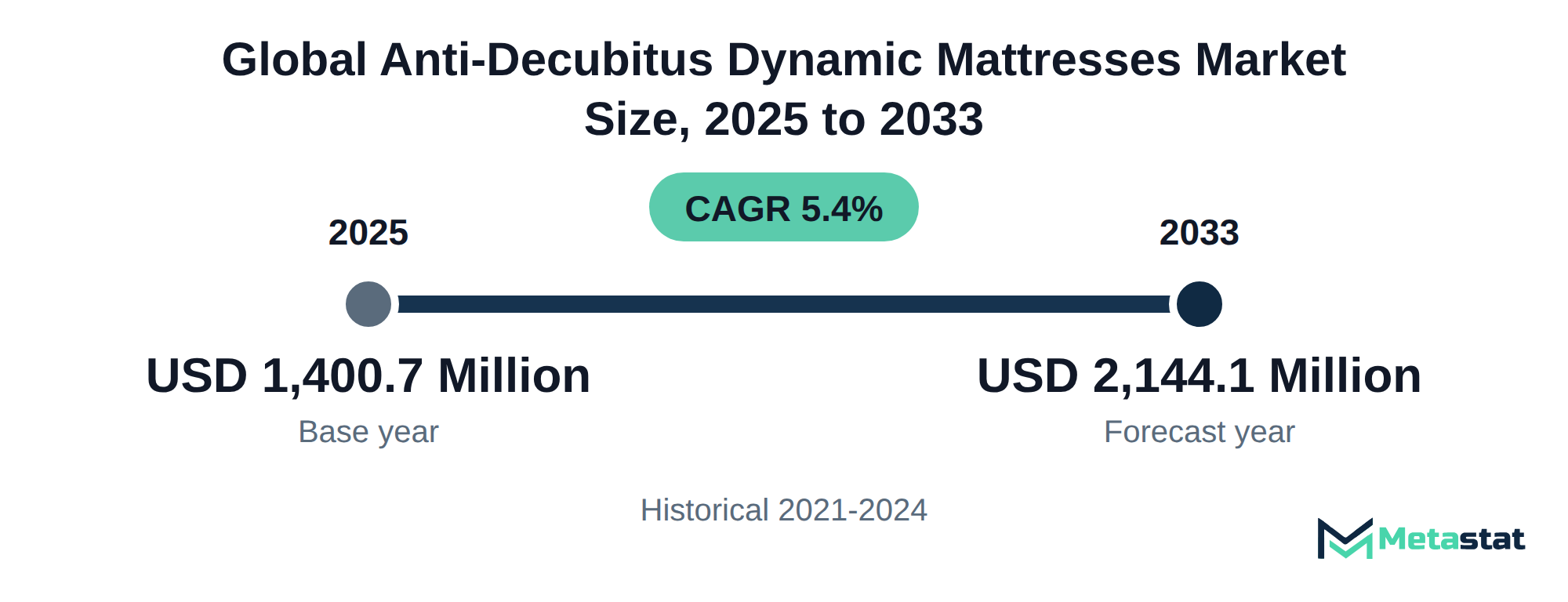
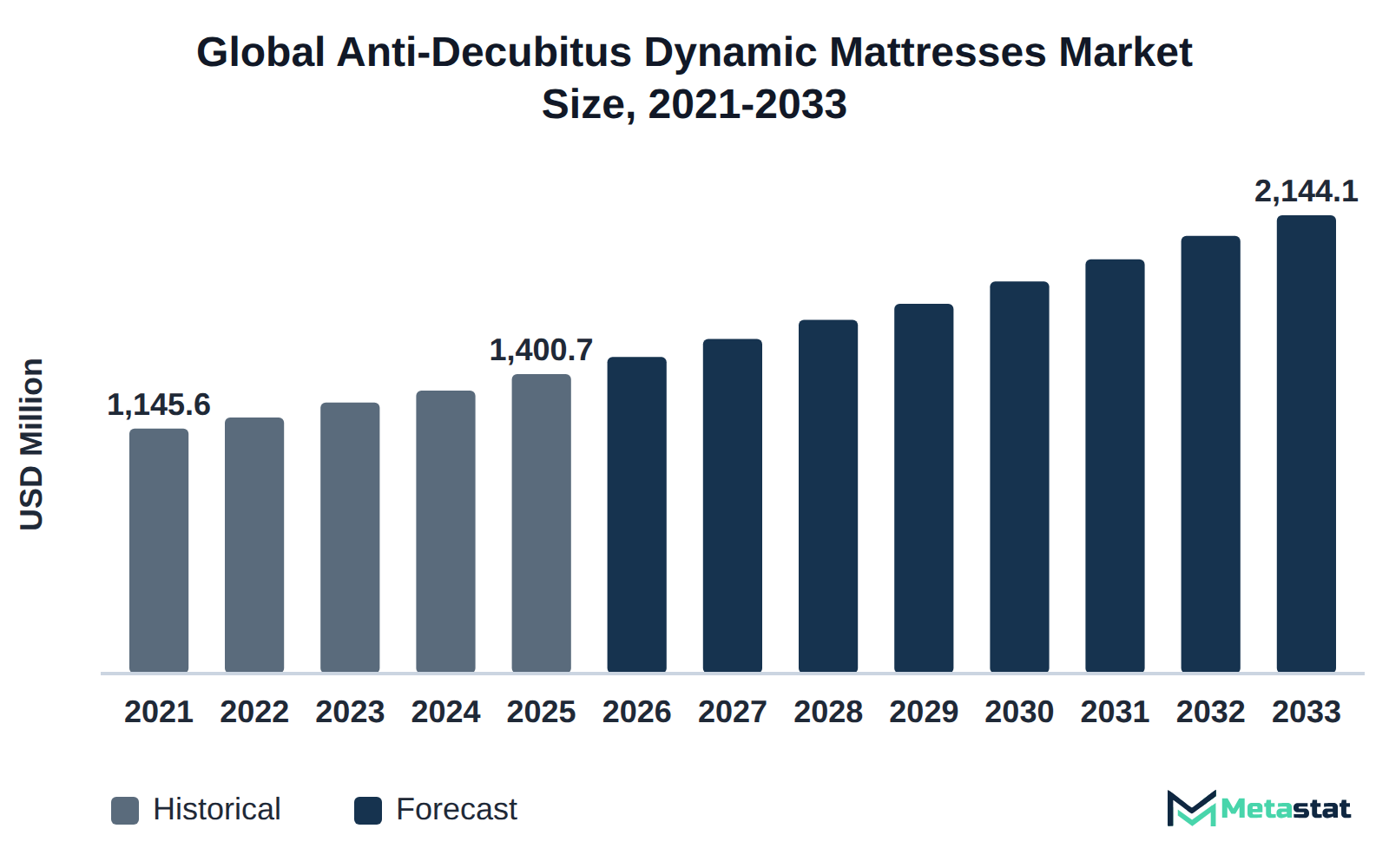
Market Valuation: Valued at $1,400.7 Million in 2025, projected to reach $2,144.1 Million by 2033 at a 5.4% CAGR.
Dominant Segment: Alternating Pressure Air Mattresses lead the market, driven by their effectiveness in preventing pressure ulcers and enhancing patient comfort.
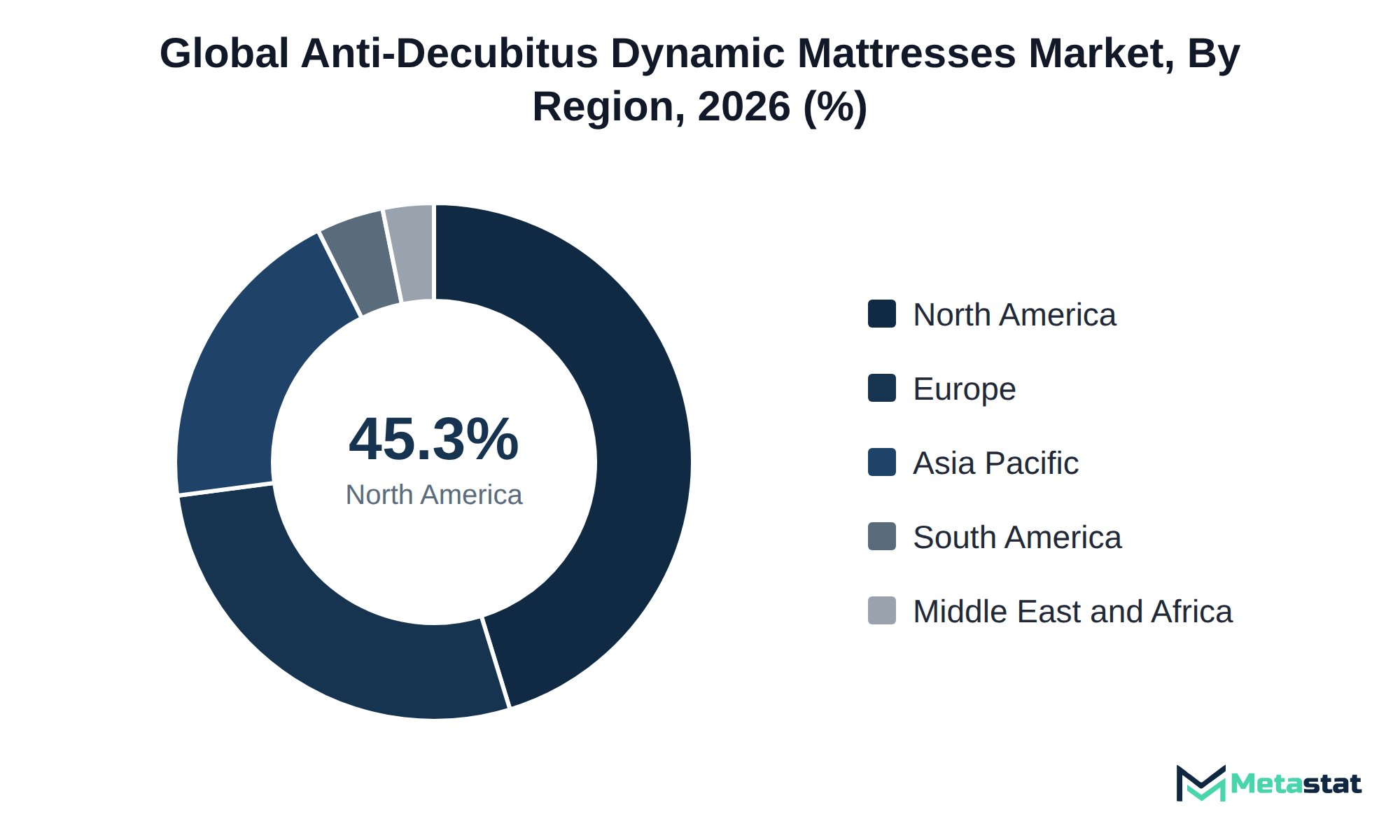
Geographic Lead: North America is the leading region, accounting for 45.3% of the market in 2025, with the US projected to maintain strong demand through 2026.
What's Inside: The report provides comprehensive competitive coverage, market segmentation, and detailed analyses of growth trends and forecasts from 2026 to 2033.
Growth Drivers: The market is fueled by an aging population and rising chronic illnesses, increasing the demand for effective pressure relief solutions.
Emerging Trends: Technological advancements in mattress design, including features like adjustable firmness and improved airflow, are enhancing product performance and driving market growth.
Choose Your License
Global Anti-Decubitus Dynamic Mattresses Market
The global Anti-Decubitus Dynamic Mattresses market was valued at USD 1,400.7 million in 2025 and is projected to reach USD 2,144.1 million by 2033, growing at a CAGR of 5.4% over the forecast period.
The Anti-Decubitus Dynamic Mattresses market focuses on innovative solutions designed to prevent pressure ulcers in patients with limited mobility. Buyers invest in these products to enhance patient comfort, reduce the risk of skin damage, and improve overall healthcare outcomes. The market caters primarily to hospitals, long-term care facilities, and home healthcare settings, where the need for effective pressure relief solutions is critical.
Growth in this market is driven by an increasing aging population and a rising prevalence of chronic illnesses that necessitate extended bed rest. Older adults receiving aged care are among the groups most exposed to pressure injuries. Among the various segments, Alternating Pressure Air Mattresses represent the highest value, contributing significantly to overall market revenue. North America holds 45.3% of the market in 2025, with the US leading in 2026, highlighting the region's strong demand for advanced mattress systems.
Technological advancements support market expansion by offering enhanced features, including adjustable firmness and improved airflow. The Low-Air-Loss Mattresses segment is projected to experience growth, driven by healthcare providers' emphasis on patient safety and comfort. Continuous innovation positions the market favorably to meet evolving healthcare demands.
The market encompasses a variety of dynamic mattresses that provide effective pressure relief solutions for individuals at risk of developing pressure ulcers. Hospitals, long-term care facilities, and home healthcare providers are the primary buyers, driven by the need for enhanced patient comfort and improved clinical outcomes. Investment in these mattresses significantly reduces the incidence of pressure ulcers, which lowers healthcare costs associated with treatment and patient management.
Growth in the market is fueled by increasing awareness of patient care standards and a growing elderly population. The segment of Alternating Pressure Air Mattresses holds the highest value, reflecting a strong preference for advanced technologies that promote patient mobility and comfort. North America's dominance arises from a well-established healthcare infrastructure and higher healthcare spending.
Advancements in mattress technology, including features that enhance airflow and moisture management, contribute to market expansion. Hospitals and acute care facilities represent a substantial share of demand, focusing on quality and reliability in patient care. The trend towards integrating therapeutic and comfort features drives competition among manufacturers and pushes them to innovate continuously.
Alternating pressure and low-air-loss systems represent significant advancements in the Anti-Decubitus Dynamic Mattresses market, specifically tailored for effective pressure-injury care. These systems actively redistribute body weight, minimizing pressure points and promoting better blood circulation, which is crucial for patient recovery. The demand for such innovative solutions is reflected in the projected growth of low-air-loss mattresses, anticipated to reach USD 535.2 million by 2033, indicating a compound annual growth rate (CAGR) of 6.6%.
This growth stems from several factors, including the increasing prevalence of pressure injuries in healthcare settings, particularly in long-term care facilities and hospitals. Healthcare providers prioritize patient comfort and safety, prompting investments in advanced mattress technologies. The integration of alternating pressure features within mattress systems allows for enhanced therapeutic benefits, driving adoption across various care settings.
With advancements in materials and technology, manufacturers focus on improving the efficacy of these systems, positioning themselves competitively in the market. The shift towards these specialized mattresses supports improved patient outcomes and strengthens operational efficiencies for healthcare providers, which improves resource allocation and reduces long-term care costs. The continued emphasis on quality in patient care sustains investment in these technologies and supports overall market growth.
Pricing strategies for Anti-Decubitus Dynamic Mattresses vary significantly across different care settings. Facilities operating in hospitals and acute care locations, which will account for USD 1,101.7 million in the market by 2033, often secure these mattresses through direct manufacturer contracts. This procurement channel is projected to grow from USD 515.5 million in 2026 to USD 754.3 million in 2033, reflecting a trend towards negotiated pricing models that favor bulk purchases.
Long-term care facilities and home healthcare sectors follow distinct purchasing patterns. These segments emphasize cost control, often using group purchasing organizations to pool buying power. The trend towards online medical supply platforms introduces additional flexibility in sourcing, with an anticipated 8% CAGR in this procurement channel, encouraging facilities to explore competitive pricing options. These sourcing decisions form part of broader healthcare supply chain management for care providers.
Stakeholders aiming to optimize their budgets need to understand these purchasing models. The increasing focus on cost-effectiveness drives hospitals and care facilities to evaluate long-term contracts with suppliers, ensuring consistent supply while managing overall expenditure. This strategic approach reinforces the competitive environment within the Anti-Decubitus Dynamic Mattresses market.
Long-term care facilities present a critical buyer group within the Anti-Decubitus Dynamic Mattresses market, requiring specialized solutions to meet the needs of patients with varying acuity levels. The increasing prevalence of chronic conditions drives greater demand for hybrid support surfaces, which combine advanced technology and comfort to promote patient mobility and reduce pressure ulcers. In 2033, the segment for Long-Term Care Facilities is projected to reach USD 457.3 million, reflecting a compound annual growth rate of 5.8%.
The adoption of hybrid air and foam mattresses represents a significant development, enabling tailored support for patients transitioning between different levels of care, including post-acute care. These mattresses enhance comfort while maintaining effective pressure redistribution, which is essential for preventing decubitus ulcers. Long-term care providers benefit from integrating these solutions into their offerings, which aligns with evolving patient care protocols and improves overall care quality.
Investing in hybrid support surfaces reinforces a facility's commitment to patient safety and comfort. This strategic focus on patient-centered care improves health outcomes and strengthens a facility's competitive position in the market. By addressing the distinct needs of long-term care, organizations position themselves for a market that increasingly values quality and innovation in patient care.
Anti-decubitus dynamic mattresses are central to preventing pressure injuries, particularly among vulnerable populations including the elderly and those with limited mobility. These mattresses distribute body weight evenly, which reduces pressure points that contribute to skin breakdown. In hospitals and acute care facilities, where patient care is essential, the demand for such specialized equipment is significant.
Specifically, the segment for alternating pressure air mattresses is expected to grow from USD 658.1 million in 2026 to USD 916.8 million by 2033, indicating strong adoption in care settings. This growth stems from increasing awareness of the importance of pressure injury prevention among healthcare providers and the necessity for effective treatment solutions.
Implementing anti-decubitus dynamic mattresses enhances patient comfort and reduces the substantial costs associated with treating pressure injuries. The financial implications for healthcare facilities, particularly hospitals, highlight the importance of investing in such technology. With hospitals and acute care facilities projected to grow from USD 787.7 million in 2026 to USD 1,101.7 million by 2033, this segment demonstrates the strong demand for advanced mattress solutions that effectively mitigate the risks of pressure injuries. Treating established pressure injuries typically involves advanced wound care products, a related category that adds to these treatment costs.
Demographic shifts, particularly the aging population, drive increased spending in the healthcare sector. Hospitals and long-term care facilities, the primary buyers of Anti-Decubitus Dynamic Mattresses, exhibit heightened awareness regarding the importance of preventing pressure injuries among patients with limited mobility. This awareness prompts healthcare providers to invest in advanced mattress technologies that enhance patient comfort and care outcomes. The expected CAGR for the market is 5.4% through 2033, reflecting the urgency behind these purchasing decisions. Hospitals are transitioning to high-quality dynamic mattresses, which inevitably raises demand and influences pricing strategies. The growing emphasis on patient safety and quality of care reinforces the market's expansion, with healthcare facilities seeking to comply with best practices and improve patient satisfaction.
Increased technological advancements in mattress design support this trend, enabling the market to adapt to the evolving needs of healthcare providers and patients alike.
Innovations in material science significantly influence the effectiveness of Anti-Decubitus Dynamic Mattresses. The introduction of advanced pressure-relief technologies allows for better weight distribution, reducing the risk of pressure injuries. Manufacturers increasingly adopt smart technologies that monitor patient conditions in real time, enabling personalized care. These advancements lead to improved patient outcomes by providing optimal support and comfort during prolonged bed rest.
Research and development efforts focus on enhancing mattress configurations and functionalities. Product lines incorporating hybrid materials are gaining traction, catering to diverse patient needs across various healthcare settings. This strategic alignment with healthcare requirements drives higher adoption rates of dynamic mattresses. Competition among suppliers drives continuous innovation, leading to improved product features and lower prices. Advancements in the Anti-Decubitus Dynamic Mattresses market reflect an industry commitment to enhancing patient care while addressing the growing demand for effective pressure injury prevention solutions.
Price sensitivity represents a significant challenge within the Anti-Decubitus Dynamic Mattresses market, particularly for long-term care facilities and home healthcare providers. Higher costs associated with advanced mattress technologies lead to slower uptake rates among these buyer groups. Facilities operating under tight budget constraints often delay the acquisition of new mattresses, opting instead for lower-cost alternatives or postponing replacements. This trend limits overall market growth potential, as reduced orders and extended replacement cycles restrict revenue expansion for manufacturers.
Hospitals and acute care facilities are more likely to secure funding for advanced solutions, but this financial disparity creates a gap in adoption rates among different care settings. Consequently, market players face pressure to demonstrate value through clinical outcomes to attract budget-conscious buyers in the long-term care and home healthcare segments.
Suppliers in the Anti-Decubitus Dynamic Mattresses market face significant margin pressures due to rising input costs and competitive pricing strategies. Increased demand for advanced mattress technologies necessitates higher-quality materials, driving production costs upward. Competition among manufacturers intensifies, compelling suppliers to offer attractive pricing structures to maintain market share. This competition erodes profit margins, especially for smaller players lacking economies of scale.
In response to these challenges, suppliers implement various strategies. Streamlining production processes and enhancing operational efficiencies have become common practices to offset rising costs. Investing in research and development drives innovation, enabling suppliers to introduce advanced features that justify higher price points. Establishing strategic partnerships with material suppliers ensures better access to high-quality inputs at competitive rates. Such measures help sustain profitability while navigating the competitive environment.
Increased awareness surrounding pressure injury prevention in vulnerable patient populations triggers demand for low-air-loss mattresses. Long-term care facilities and hospitals show particular interest in these products due to their effectiveness in maintaining skin integrity and promoting healing. The emphasis on enhancing patient comfort and quality of care aligns with the growing trend toward specialized healthcare solutions. This segment stands out due to its ability to address the needs of diverse care settings while ensuring optimal therapeutic outcomes. The increasing adoption of low-air-loss technology in home healthcare signifies an expanding market landscape, facilitating access to these innovative solutions for individuals requiring at-home care.
The Global Anti-Decubitus Dynamic Mattresses market is segmented based on Product Type, Care Setting, Product Configuration, and Procurement Channel.
These mattresses are primarily used in healthcare settings to prevent pressure ulcers among patients with limited mobility. Hospitals and acute care facilities predominantly drive demand due to their focus on patient safety and recovery outcomes. The segment differs from others by offering a specific mechanism of action that alternates pressure on various body parts, enhancing comfort for the user. Compared to Low-Air-Loss Mattresses, which show a higher CAGR of 6.6%, Alternating Pressure Air Mattresses present a more stable growth trajectory. This positioning appeals to healthcare providers who prioritize reliability and proven efficacy in treatment solutions.
These mattresses employ a combination of air and moisture management technology to maintain skin integrity and promote healing in patients at risk of pressure ulcers. Hospitals, long-term care facilities, and home healthcare settings primarily use this segment to provide comfort and support to individuals with limited mobility. Strong demand for Low-Air-Loss Mattresses stems from the increasing prevalence of chronic illnesses and a growing focus on patient care quality. This segment experiences faster growth than several other product types, reflecting a shift toward more sophisticated pressure relief solutions. The higher price point compared to basic mattresses reflects its advanced technology and benefits, which improve patient outcomes and satisfaction.
Hybrid Air and Foam Mattresses segment is expected to reach USD 370.1 million by 2033. These mattresses combine air and foam technology to provide pressure relief and comfort for patients at risk of pressure injuries. Common users include hospitals and long-term care facilities, where patient comfort and safety are priorities. The increasing focus on patient outcomes drives demand in this segment, supported by rising awareness of pressure ulcer prevention. Compared to other segments, Hybrid Air and Foam Mattresses often command a higher price due to advanced technology, leading to a projected compound annual growth rate of 5.8%. This growth reflects a strong market position driven by the need for effective solutions that enhance patient care and recovery in various healthcare settings.
Continuous Lateral Rotation Mattresses segment is projected to grow at a CAGR of 5.8% during the forecast period. These mattresses are designed to provide rotational movement, which effectively enhances pressure relief for immobile patients, primarily used in hospitals and long-term care facilities. The increasing focus on patient comfort and safety drives demand for this segment, encouraging healthcare providers to adopt advanced solutions. Unlike other product types, Continuous Lateral Rotation Mattresses often come at a higher price point, appealing to facilities prioritizing specialized care. Adoption barriers include initial investment costs, but the long-term benefits of reducing pressure ulcers contribute to their value. In comparison to Low-Air-Loss and Alternating Pressure Mattresses, this segment focuses on continuous motion, offering distinct advantages in managing patient positioning and comfort during extended stays in healthcare settings. The market recognizes this innovative approach, supporting the growth of Continuous Lateral Rotation Mattresses.
Air-Fluidized Mattresses employ a unique technology that provides a gentle flow of air over the surface to create a fluid-like effect. This design offers effective pressure relief for patients confined to beds for extended periods. Hospitals, long-term care facilities, and rehabilitation centers commonly use these mattresses to prevent pressure ulcers in at-risk populations, including the elderly and those with limited mobility. Demand for Air-Fluidized Mattresses is influenced by the increasing recognition of pressure injury prevention and the growing aging population. Compared to other segments, including Low-Air-Loss Mattresses, Air-Fluidized Mattresses experience slower growth due to higher production costs and a more specialized application. The market evolves while healthcare providers seek advanced solutions for patient care.
Others (Pulsation and Lateral-Tilt Mattresses) focus on specialized solutions designed to enhance patient care and comfort, particularly for individuals at risk of pressure injuries. These mattresses feature unique technology aimed at improving circulation and reducing skin pressure, which is beneficial in various healthcare environments, including hospitals and long-term care facilities. Demand for this segment derives from the increasing recognition of the importance of patient comfort and the prevention of pressure injuries. Unlike other segments, this category experiences slower growth due to niche applications and higher manufacturing costs. With an emphasis on innovation and technology, products in this segment provide distinct advantages, appealing to healthcare providers seeking advanced solutions for vulnerable patients. This segment stands out due to its unique offerings compared to traditional mattress types, which focus more on general pressure relief rather than specialized treatment. The market continues to evolve with advancements that enhance both safety and efficacy for end users.
This segment primarily serves healthcare providers focused on delivering critical care to patients at risk of pressure injuries. The increase in hospital admissions and the growing emphasis on quality patient care significantly drive demand for advanced support surfaces. Compared to Long-Term Care Facilities, this segment experiences a slower growth rate due to high operational costs associated with acute care. Technological advancements in mattress design and materials enhance product efficacy, appealing to hospitals prioritizing patient comfort and safety. The market reflects these shifts, emphasizing the need for innovative solutions tailored to the specific requirements of acute care settings.
This segment serves individuals requiring ongoing medical care and supervision, including those with chronic illnesses or disabilities. The growing demand for quality care in these settings drives investments in advanced therapeutic solutions, including dynamic mattresses. In residential care, dynamic mattresses are placed on nursing home beds used by residents with limited mobility. Increased emphasis on patient comfort and pressure injury prevention influences purchasing decisions in long-term care facilities. Compared to other care settings, this segment experiences stable growth due to consistent demand from rehabilitation centers and residential care facilities, where patient needs remain significant. The projected growth of 5.8% aligns with rising awareness of pressure management and skin integrity among healthcare providers.
Home Healthcare segment is expected to reach USD 357.9 million by 2033. This segment serves individuals receiving medical care in their residences, focusing on patients with limited mobility or chronic conditions requiring ongoing treatment. Increasing adoption of home healthcare services drives demand, influenced by an aging population seeking alternatives to institutional care. For older patients at home, dynamic mattresses are among the senior care products used to protect skin integrity. Compared to hospitals and acute care facilities, the home healthcare segment represents a different purchasing dynamic, with a preference for cost-effective solutions. Growth in this segment is projected at a CAGR of 5.8%, reflecting a substantial shift toward home-based medical support. The market for Anti-Decubitus Dynamic Mattresses benefits from this trend, with healthcare providers aiming to enhance patient comfort and effectively prevent pressure injuries.
Rehabilitation Centers segment is projected to grow at a CAGR of 4.8% during the forecast period. This segment caters to facilities focused on restoring patients' functional abilities after injuries or illnesses. Rehabilitation centers use Anti-Decubitus Dynamic Mattresses primarily for patients who are immobile or face challenges in movement. Demand for these mattresses arises from the necessity to prevent pressure injuries and enhance patient comfort during recovery. Compared to other segments, including Hospitals and Acute Care Facilities, which are expected to reach USD 1,101.7 million by 2033, the Rehabilitation Centers segment experiences a comparatively slower growth rate. This difference highlights ongoing needs for specialized care solutions, impacting purchasing decisions within this segment.
This sub-segment encompasses hospices and ambulatory care facilities, which require specialized solutions to support patients with limited mobility and those at risk of developing pressure ulcers. Typically, healthcare providers in hospices and ambulatory care prioritize comfort and effective pressure relief for patients. The growing focus on patient-centered care drives strong demand within this segment, reflecting an increasing awareness of the importance of quality of life in healthcare. Differentiating factors include a higher emphasis on patient comfort; these settings cater to individuals with chronic conditions or those recovering from surgeries. Compared to other care settings, this sub-segment experiences slower growth due to a limited patient population and budget constraints faced by smaller care facilities. The market continues to evolve, with innovative solutions enhancing care and patient outcomes in these specialized environments.
Replacement Mattress Systems segment is valued at USD 700.5 million in 2026 and is projected to reach USD 1,047 million by 2033, at a CAGR of 5.9% during the forecast period. These systems play a significant role in preventing pressure ulcers, primarily in hospitals and long-term care facilities, where patient mobility is often limited. Demand for such systems increases due to a growing focus on patient care and comfort, alongside regulatory requirements that highlight the need for effective pressure management solutions. This segment differentiates itself from others through its consistent growth rate, with a CAGR of 5.9%, which positions it as a stable choice within the competitive landscape. In contrast, segments like Mattress Overlay Systems face slower growth, with a CAGR of 3.5%. The increasing adoption of advanced technologies in the development of these systems enhances their market potential.
Mattress Overlay Systems segment is estimated to reach USD 461.8 million by 2033, at a CAGR of 3.5% during the forecast period. These systems provide additional comfort and support for patients, primarily found in long-term care facilities, rehabilitation centers, and home healthcare settings. The demand for Mattress Overlay Systems is driven by increasing awareness of pressure ulcer prevention and the rising number of patients with limited mobility. This segment exhibits slower growth compared to others, including Low-Air-Loss Mattresses, which is projected to grow at a CAGR of 6.6%. The pricing of Mattress Overlay Systems typically falls below that of Replacement Mattress Systems, appealing to facilities focused on cost-effective solutions while maintaining patient care quality. The unique application and features of Mattress Overlay Systems differentiate it from other configurations in the market, catering specifically to users seeking affordable, supportive options.
Integrated Bed Mattress Systems segment is expected to reach USD 318.8 million by 2033. This sub-segment caters to healthcare settings requiring advanced solutions for patient care, predominantly in hospitals and rehabilitation centers. Because the mattress is built into the bed itself, this configuration is closely tied to the medical beds used in those settings. The demand for integrated systems is driven by the increasing focus on improving patient outcomes and reducing hospital-acquired conditions. With a projected compound annual growth rate (CAGR) of 5.9%, this segment outpaces alternatives including Mattress Overlay Systems, which exhibit a CAGR of 3.5%. Integrated Bed Mattress Systems offer unique benefits, including enhanced comfort and support for patients with limited mobility, distinguishing them from other configurations. This differentiation positions the segment favorably within the Anti-Decubitus Dynamic Mattresses market, creating a competitive edge that contributes to sustained revenue growth through 2033.
Bariatric Mattress Systems segment is projected to grow at a CAGR of 6.9% during the forecast period. This segment caters to individuals with higher weight requirements and is primarily found in long-term care facilities and hospitals. The increasing prevalence of obesity and related health issues drives demand for specialized solutions that prevent pressure injuries. Healthcare providers prioritize patient comfort and safety, leading to greater adoption of these systems. Compared to other configurations, Bariatric Mattress Systems typically feature enhanced support and durability to accommodate larger patients, ensuring effective weight distribution. This aspect distinguishes it from other products in the market, which do not offer the same level of support for heavier individuals.
Others (Pediatric and Transport Systems) encompasses specialized mattress solutions tailored for children and transport scenarios. These systems find application in both home healthcare and institutional settings, catering to young patients or those requiring mobility assistance during transport. Demand for this segment is influenced by increasing awareness of pediatric healthcare needs and the growing focus on patient comfort during transit. In institutional settings, these mattresses are used on medical pediatric beds sized for young patients. This segment distinguishes itself from others, particularly in its user demographic, emphasizing the necessity for child-specific designs that prioritize safety and support compared to standard adult systems. The market's segmentation allows for targeted innovation and adaptation, ensuring the unique requirements of these specific user groups are addressed effectively.
Direct Manufacturer Contracts segment is valued at USD 515.5 million in 2026 and is projected to reach USD 754.3 million by 2033, at a CAGR of 5.6% during the forecast period. This procurement channel is commonly used by healthcare facilities seeking to streamline their purchasing processes and ensure access to high-quality anti-decubitus dynamic mattresses. Hospitals and long-term care facilities primarily engage in direct manufacturer contracts, benefiting from the ability to negotiate prices and terms directly with producers. Growth within this segment is influenced by the increasing focus on patient safety and comfort, driving demand for advanced mattress solutions. Compared to other procurement methods, including Medical Equipment Distributors, the Direct Manufacturer Contracts segment experiences a more stable price structure, enhancing the market's overall competitiveness and resulting in a higher market share, with 5.6% growth projected through 2033.
Medical Equipment Distributors segment is estimated to reach USD 578.5 million by 2033, at a CAGR of 4.4% during the forecast period. This segment supplies anti-decubitus dynamic mattresses through various distribution channels to healthcare facilities, including hospitals and long-term care centers. The growing demand for these mattresses stems from the increased focus on patient care and the reduction of pressure ulcers in vulnerable populations. Factors including cost-effectiveness and accessibility influence this segment's growth, with a more straightforward procurement process compared to direct manufacturer contracts. While Medical Equipment Distributors show steady growth, they contrast with online medical supply platforms, which are projected to grow at a higher CAGR of 8%. Distinct pricing strategies and buyer bases further differentiate this segment within the market.
Public Tenders and Group Purchasing segment is expected to reach USD 442.1 million by 2033. This segment primarily serves healthcare providers and institutions seeking cost-effective procurement solutions for anti-decubitus dynamic mattresses. The increasing focus on cost containment in healthcare drives demand, with organizations prioritizing budget-friendly options while ensuring quality care for patients. Compared to other procurement channels, this segment operates under competitive bidding processes, often resulting in lower prices for bulk purchases. This pricing advantage supports adoption among facilities requiring large quantities of products, distinguishing it from segments including Direct Manufacturer Contracts, which involve negotiated pricing rather than competitive bidding. In addition, the market experiences growth driven by a heightened emphasis on patient safety and comfort, making effective procurement strategies essential for healthcare providers.
Online Medical Supply Platforms segment is projected to grow at a CAGR of 8% during the forecast period. This segment serves as a vital procurement channel for customers seeking Anti-Decubitus Dynamic Mattresses. Healthcare providers, including hospitals and home healthcare services, access these platforms for convenience and efficiency in acquiring medical supplies. The increasing digitization of the medical supply chain drives demand, enabling healthcare professionals to access a broader range of products and competitive pricing. This segment distinguishes itself with faster growth compared to other procurement channels, enhancing purchasing efficiency through online accessibility and user-friendly interfaces. In contrast, traditional procurement methods, including Direct Manufacturer Contracts and Medical Equipment Distributors, experience slower growth rates, reflecting the shift towards digital solutions in the market.
This sub-segment focuses on rental and managed equipment services, catering to healthcare facilities that require flexibility in acquiring Anti-Decubitus Dynamic Mattresses. Such services benefit long-term care facilities, hospitals, and rehabilitation centers by providing access to critical equipment without the financial burden of purchase. A significant driver for this segment stems from the increasing emphasis on cost-effective healthcare solutions, prompting facilities to seek rental options over outright purchases. This approach contrasts with direct manufacturer contracts and medical equipment distributors, which involve higher upfront costs and longer-term commitments. The market for rental and managed services allows for adaptable patient care solutions, facilitating efficient resource management while addressing specific patient needs.
Based on geography, the Global Anti-Decubitus Dynamic Mattresses market is divided into North America, Europe, Asia-Pacific, South America, Middle East, and Africa.
Demand for Anti-Decubitus Dynamic Mattresses in North America originates primarily from hospitals, long-term care facilities, and home healthcare providers. The region benefits from advanced healthcare infrastructure, which facilitates the integration of these mattresses into patient care protocols. Regulations emphasizing patient safety and comfort drive the necessity for high-quality products. North America accounted for 45.3% in 2025. North America is projected to reach USD 940.4 million by the end of 2033. The rising incidence of pressure ulcers and increased awareness regarding patient care contribute to market growth, prompting investments in innovative mattress technologies. The competitive landscape features several prominent players actively enhancing their product offerings, positioning them favorably to meet the evolving demands of the market.
In Europe, the demand for Anti-Decubitus Dynamic Mattresses is driven by the increasing prevalence of chronic diseases and an aging population. Germany, France, the UK, Italy, and Spain stand out with advanced healthcare infrastructure, facilitating the adoption of innovative healthcare solutions. Regulatory frameworks across these countries emphasize patient safety and comfort, prompting healthcare facilities to invest in high-quality mattress systems. By 2025, Europe is expected to represent 27.7% of the global market share. The integration of advanced technology in mattress design, including features for pressure relief, aligns with the growing awareness of patient-centered care in hospitals and long-term care facilities. This demand enhances revenue potential and stimulates competition among manufacturers operating in the region.
The Asia-Pacific region accounts for a significant share of the global Anti-Decubitus Dynamic Mattresses market, reflecting a growing emphasis on healthcare infrastructure. Increasing elderly populations in countries like China and Japan drive demand for effective solutions to prevent pressure ulcers. Rising healthcare expenditure in India and South Korea supports investments in advanced medical equipment, including dynamic mattresses. The emphasis on home healthcare solutions in Australia enhances accessibility for patients requiring continuous care. The market benefits from a growing awareness of the importance of patient comfort and safety across healthcare settings. The region's unique demographics and healthcare requirements contribute to a positive growth trajectory for Anti-Decubitus Dynamic Mattresses.
In South America, the penetration of the Anti-Decubitus Dynamic Mattresses market reflects a growing awareness of the importance of pressure ulcer prevention in healthcare settings. Brazil and Argentina drive demand, largely due to increasing healthcare expenditures and an expanding elderly population that requires advanced medical support. The region's limited healthcare infrastructure affects the distribution and accessibility of dynamic mattresses, impacting adoption rates in long-term care facilities and hospitals. Regulatory focus on improving patient care outcomes supports market growth. By 2025, South America is expected to capture a notable market share globally, signaling emerging opportunities for manufacturers looking to establish a presence in this developing market.
Growth in the Anti-Decubitus Dynamic Mattresses market within the Middle East and Africa is driven by an increasing focus on improving healthcare facilities and the rising incidence of pressure ulcers. Countries including Saudi Arabia and the UAE are making substantial investments in healthcare infrastructure, enhancing the availability of advanced medical equipment. South Africa experiences demand stemming from both public and private healthcare sectors, emphasizing the importance of effective patient care solutions.
Regulatory frameworks in the region emphasize quality standards for medical devices, pushing healthcare providers to adopt innovative solutions. The market highlights its emerging significance. Expanding healthcare facilities create growth opportunities that align with regional healthcare priorities.
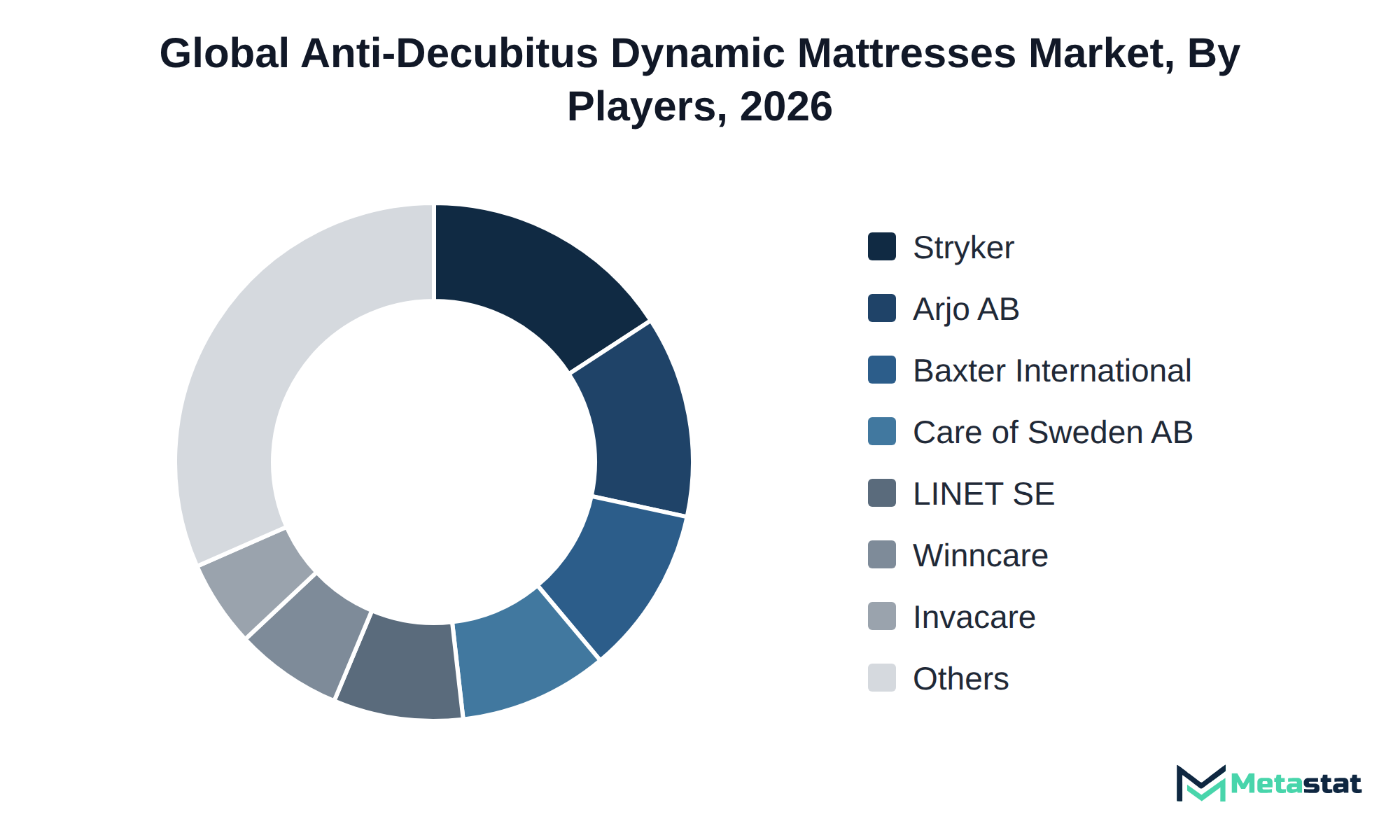
The competitive environment in the Anti-Decubitus Dynamic Mattresses market displays a variety of strategic approaches among key players. Companies differentiate through product offerings, pricing strategies, and service quality, catering to diverse buyer preferences. For instance, Arjo AB and Stryker Corporation emphasize advanced technology and comprehensive service support, appealing to healthcare facilities aiming for enhanced patient outcomes.
Pricing and certification emerge as critical factors influencing buyer decisions. Care of Sweden AB focuses on high-quality, certified mattresses that meet rigorous industry standards. Invacare Corporation prioritizes customization options, allowing healthcare providers to tailor solutions for specific patient needs. Medline Industries, LP stands out for its extensive distribution network and reliable service, further enhancing its competitive positioning in the market.
Achieving this growth relies on several key developments within the Anti-Decubitus Dynamic Mattresses market. A significant factor is the increasing demand from hospitals and acute care facilities, which is expected to drive revenue in this segment, reaching USD 1,101.7 million by 2033, reflective of a 4.9% CAGR. The rise of online medical supply platforms allows for broader access to products, with projected growth of 8% in this procurement channel, enhancing market penetration. However, potential risks pose challenges to this outlook. Economic fluctuations could influence budget allocations in healthcare settings, particularly in regions like South America where spending on medical equipment tends to be limited. If investment in healthcare infrastructure stagnates, growth in the Anti-Decubitus Dynamic Mattresses market could experience delays. Therefore, maintaining steady growth hinges on consistent demand across healthcare sectors and continued investment in procurement channels that facilitate product access and distribution.
By Product Type: Alternating Pressure Air Mattresses, Low-Air-Loss Mattresses, Hybrid Air and Foam Mattresses, Continuous Lateral Rotation Mattresses, Air-Fluidized Mattresses, Others (Pulsation and Lateral-Tilt Mattresses)
By Care Setting: Hospitals and Acute Care Facilities, Long-Term Care Facilities, Home Healthcare, Rehabilitation Centers, Others (Hospices and Ambulatory Care)
By Product Configuration: Replacement Mattress Systems, Mattress Overlay Systems, Integrated Bed Mattress Systems, Bariatric Mattress Systems, Others (Pediatric and Transport Systems)
By Procurement Channel: Direct Manufacturer Contracts, Medical Equipment Distributors, Public Tenders and Group Purchasing, Online Medical Supply Platforms, Others (Rental and Managed Equipment Services)
The report strategically identifies and profiles the key market players and analyses their core competencies in each sub-segment of the Anti-Decubitus Dynamic Mattresses market.
|
Report Attributes |
Details |
|
Study Period |
2021-2033 |
|
Base Year |
2025 |
|
Estimated Year |
2026 |
|
Forecast Period |
2026-2033 |
|
Historical Period |
2021-2025 |
|
Growth Rate |
CAGR 5.4% from 2026 to 2033 |
|
Revenue Unit |
USD million |
|
Segmentation |
By Product Type, Care Setting, Product Configuration, Procurement Channel, and Region |
|
By Region |
North America (By Product Type, Care Setting, Product Configuration, Procurement Channel, and Country)
|
|
Europe (By Product Type, Care Setting, Product Configuration, Procurement Channel, and Country)
|
|
|
Asia Pacific (By Product Type, Care Setting, Product Configuration, Procurement Channel, and Country)
|
|
|
South America (By Product Type, Care Setting, Product Configuration, Procurement Channel, and Country)
|
|
|
Middle East and Africa (By Product Type, Care Setting, Product Configuration, Procurement Channel, and Country)
|
Find answers to common questions about this report
The Anti-Decubitus Dynamic Mattresses market size was valued at USD 1,400.7 million in 2025.
The market is projected to grow at a CAGR of 5.4% during the forecast period from 2026 to 2033.
The North America Anti-Decubitus Dynamic Mattresses market size is estimated to reach USD 940.4 million by 2033.
Alternating Pressure Air Mattresses lead the market with a projected value of USD 916.8 million by 2033, reflecting the highest growth potential among the product types.
Key drivers for the Anti-Decubitus Dynamic Mattresses market include demographic shifts, particularly the aging population, which increases healthcare spending. The growing emphasis on patient safety and quality of care further supports market expansion, prompting healthcare facilities to invest in advanced mattress technologies.
North America holds the dominant share of the Anti-Decubitus Dynamic Mattresses market, with a value of USD 940.4 million projected for 2033, representing 45.3 percent of the total market.
Price sensitivity restrains growth in the Anti-Decubitus Dynamic Mattresses market, particularly for long-term care facilities and home healthcare providers. Higher costs associated with advanced mattress technologies result in slower uptake rates among these buyer groups, impacting overall market expansion potential.
Increased awareness of pressure injury prevention in vulnerable patient populations drives adoption of advanced solutions like Low-Air-Loss Mattresses. Their effectiveness in maintaining skin integrity and promoting healing supports enhanced patient comfort and quality of care, particularly in long-term care facilities and hospitals.
The Anti-Decubitus Dynamic Mattresses market is estimated to reach a valuation of USD 2,144.1 million by 2033.
Key players operating in the Anti-Decubitus Dynamic Mattresses market include Arjo AB, Stryker Corporation, Baxter International Inc., Care of Sweden AB, LINET Group SE, and Med-Mizer, Inc.
The analysts below cover Medical Devices research at Metastat Insights.
LEAD ANALYST
Utkarsh Khirodkar is a Lead Market Research Analyst at MetaStat Insight, specializing in market intelligence, technology sector assessments, and competitive strategy.

LEAD PRINCIPAL ANALYST, PHARMA AND HEALTHCARE
Food and Beverages · Healthcare · Healthcare IT · Medical Devices
Ajay Devgire is the Lead Healthcare Analyst at MetaStat Insight, leading strategic research and market intelligence initiatives across the global healthcare domain.

SENIOR RESEARCH ANALYST
Biotechnology · Food and Beverages · Medical Devices · Packaging
Snehal Pasalkar is a Research Analyst at MetaStat Insight, operating at the intersection of life sciences research, competitive strategy, and market intelligence.
When planning edge sensor rollouts across refinery environments, generic IoT reports typically miss the harsh-environment certification bottlenecks. MetaStat Insight gave an objective evaluation of ATEX and Class 1 Division 2 hardware availability, along with realistic five-year maintenance cycle cost projections. The comparison of wireless mesh versus private cellular backhaul helped our team pressure-test network reliability models for remote processing facilities.
In the biological seed treatment space, registration timelines vary drastically between the European Union, Brazil, and North America. The MetaStat Insight research handled these cross-border regulatory barriers with genuine nuance, mapping commercialization pathways alongside historical field adoption rates. The segmentation between microbial strains and biochemical active ingredients was particularly well structured.
Our team was tracking whether regional recycling infrastructure could realistically absorb the growing volume of lithium iron phosphate batteries over the next decade. The report did a solid job separating announced hydrometallurgical plant capacity from active, permitted operational throughput. That distinction made the feedstock availability projections and regional recovery rate models far more credible than standard commercial overviews.
Explore related market intelligence reports worth reading alongside this one.