
LEAD ANALYST
Utkarsh Khirodkar is a Lead Market Research Analyst at MetaStat Insight, specializing in market intelligence, technology sector assessments, and competitive strategy.

Australia Aesthetics Combination Therapy Market Size, Share, By Treatment Type (Energy-Based Treatments Only, Injectables and Energy-Based Treatments, Injectables Only, Three-Family Multimodal Treatments), By Application (Skin Rejuvenation and Wrinkle Reduction, Pigmentation and Vascular Concerns, Acne and Scar Management, Body Contouring and Cellulite Reduction, Hair Restoration), By End User (Medical Aesthetic Clinics, Dermatology Clinics, Beauty and Dermal Therapy Clinics, Hospitals), By Treatment Area (Face, Neck and Décolletage, Abdomen and Flanks, Thighs and Buttocks, Scalp), Industry Analysis, Growth, Trends, and Forecast, 2026-2033
Report ID
MSI-5697
Published
November, 2026
Pages
283 Pages
Format
Historical
Base year
Forecast
Forecast period
Report Details
Market Valuation: Valued at $79 Million in 2025, projected to reach $263.8 Million by 2033 at a 16.2% CAGR.
Dominant Segment: Injectables and energy-based treatments lead the market, driven by the rising demand for minimally invasive procedures that enhance aesthetic results.
Geographic Lead: The Asia-Pacific region is experiencing the fastest growth, supported by a growing middle class with increasing disposable incomes and a heightened focus on personal grooming.
What's Inside: The report includes a comprehensive analysis of market dynamics, competitive landscape, and detailed forecasts for the Australia Aesthetics Combination Therapy market from 2026 to 2033.
Emerging Trends: Technological advancements in energy-based treatments are reshaping the market, providing innovative solutions that cater to diverse consumer needs and improve treatment efficacy.
Consumer Behavior: There is a notable shift towards multimodal treatment approaches, with consumers increasingly seeking comprehensive solutions that address multiple aesthetic concerns.
Choose Your License
Australia Aesthetics Combination Therapy Market
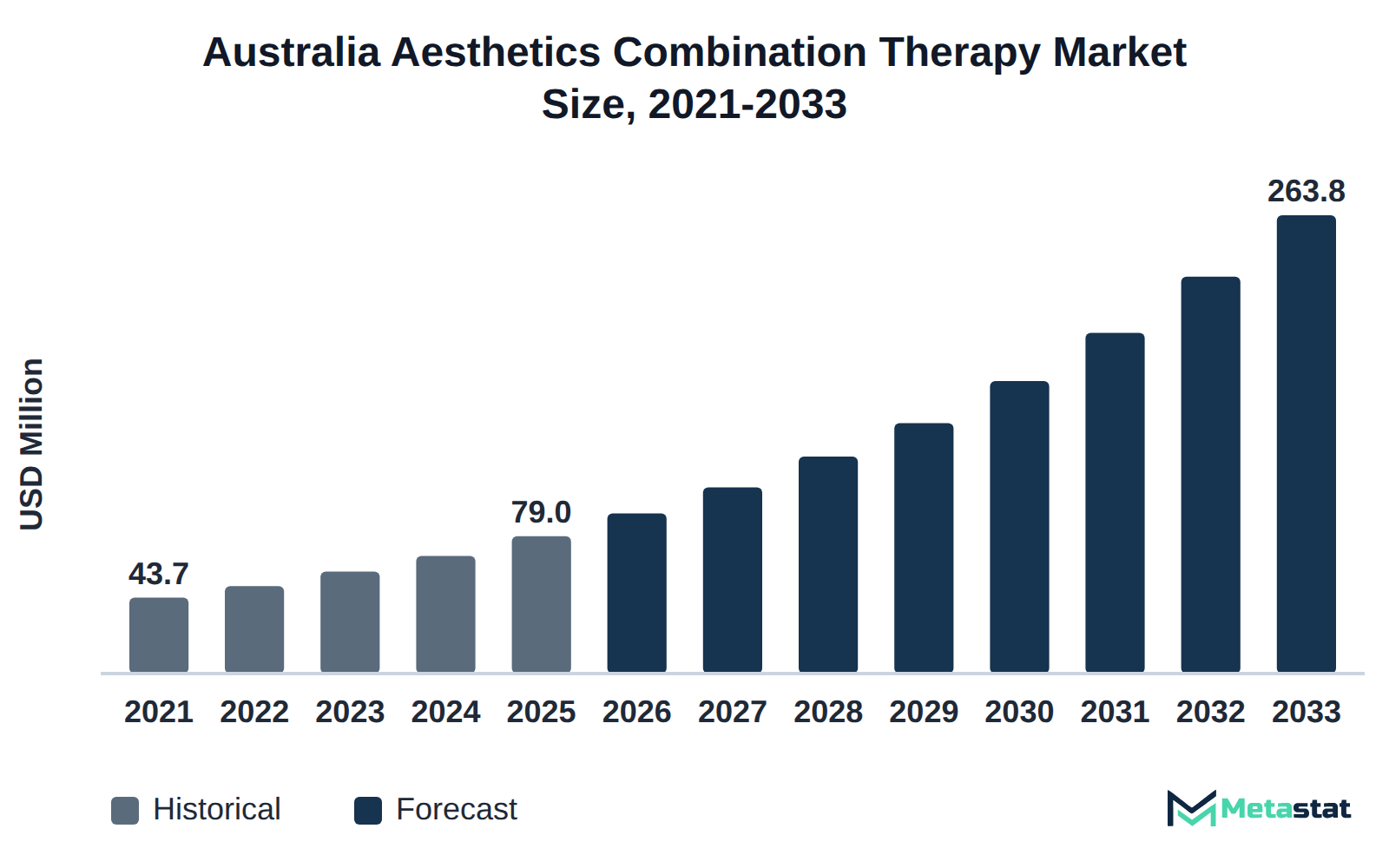
The Australia Aesthetics Combination Therapy market was valued at USD 79 million in 2025 and is projected to reach USD 263.8 million by 2033, growing at a CAGR of 16.2% over the forecast period.
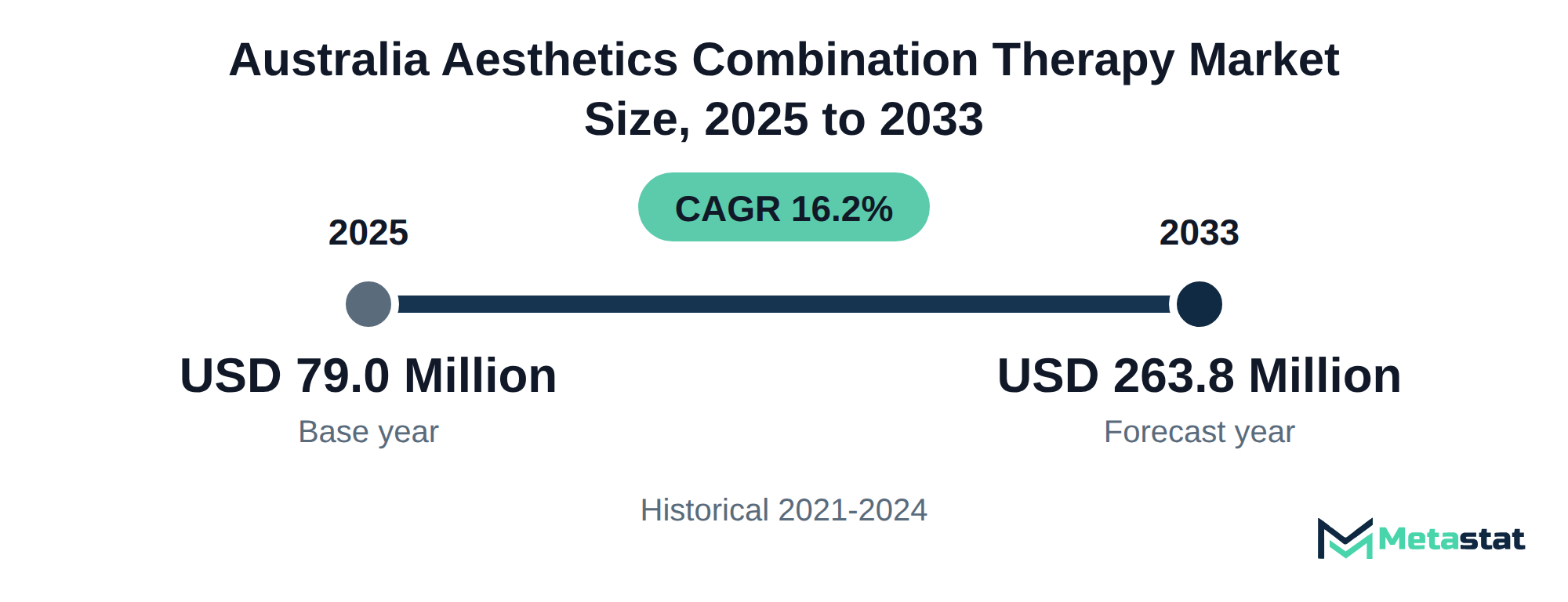
The Australia Aesthetics Combination Therapy market encompasses a range of aesthetic treatments designed to enhance physical appearance through a combination of procedures. Buyers invest in these therapies driven by the increasing desire for cosmetic improvement and the pursuit of youthful looks. The market addresses various concerns, including skin rejuvenation, wrinkle reduction, and body contouring, appealing to diverse consumer needs.
Growth in the market stems from several factors, including advancements in technology and techniques that lead to improved treatment outcomes. Among the segments, injectables and energy-based treatments stand out, representing the largest share of market value. The medical aesthetic clinics segment is significant, reflecting strong demand for combination therapies that yield optimal results.
Rising disposable incomes and increased awareness of aesthetic procedures contribute to market expansion. The Australia Aesthetics Combination Therapy market experiences heightened interest, particularly in urban areas where consumers prioritize personal appearance. Continuous innovation in treatment options drives consumer adoption and sustains growth as consumer preferences evolve.
Investment in the Australia Aesthetics Combination Therapy market reflects strong consumer demand for enhanced personal aesthetics and improved self-confidence. Buyers across medical aesthetic clinics, dermatology clinics, and beauty therapy clinics recognize the effectiveness of combination therapies in delivering superior results. Integrating multiple treatment modalities gives patients a single approach that addresses several skin concerns and enhances overall appearance.
Among the various segments, Skin Rejuvenation and Wrinkle Reduction commands the highest market value, driven by increasing interest in anti-aging treatments and preventative skincare. The market experiences significant growth due to rising awareness of aesthetic procedures and advancements in technology that enhance treatment outcomes. The Asia-Pacific region stands out, reflecting a growing middle class with higher disposable incomes and an increasing focus on personal grooming and aesthetics.
Continued technological advancements drive market expansion by providing treatment options that suit diverse consumer needs. These advancements improve the efficacy of treatments and enhance patient experience, leading to higher satisfaction and repeat business. Together, these factors support growth in the Australia Aesthetics Combination Therapy market.
Laser stacking, which involves combining multiple aesthetic laser treatments, alongside injectable pairings, is reshaping treatment protocols within the Australia Aesthetics Combination Therapy market. This method enhances treatment outcomes by targeting various skin concerns simultaneously. For instance, integrating energy-based treatments with injectables allows practitioners to address issues like skin rejuvenation and wrinkle reduction more effectively. In 2026, the segment for Skin Rejuvenation and Wrinkle Reduction is projected to reach USD 44.2 million, escalating to USD 123 million by 2033, reflecting a robust compound annual growth rate of 15.7%.
The rise in popularity of these combined approaches results from increasing patient demand for comprehensive solutions that yield faster and longer-lasting results. Medical aesthetic clinics are rapidly adopting this method, which positions them competitively within the market. With the end-user segment of Medical Aesthetic Clinics anticipated to grow from USD 47.6 million in 2026 to USD 139.2 million in 2033, the commercial ramifications are significant. This trend enhances treatment efficiency, maximizes patient satisfaction, and ultimately drives revenue growth for clinics implementing these advanced techniques.
Growing awareness of skin health significantly influences purchasing behaviors within the Australia Aesthetics Combination Therapy market. Demand for effective treatments to address pigmentation and acne scarring drives buyers to invest in multimodal approaches, often encompassing both injectables and energy-based treatments. This trend reflects a shift from singular treatment options to more comprehensive solutions that address multiple skin concerns simultaneously.
In 2026, the segment for pigmentation and vascular concerns is projected to reach USD 47.9 million by 2033, highlighting the commercial viability of these combined treatment methodologies. Clinics increasingly adopt flexible pricing and contract models, enabling them to offer customized treatment plans that cater to individual patient needs. This flexibility enhances patient loyalty and encourages repeat business, as clients seek tailored care that delivers optimal results.
Buyers prioritize value and effectiveness, while aesthetic clinics emphasize transparent pricing structures that align with patient expectations. This approach builds trust and satisfaction, reinforcing the market's growth trajectory and establishing a competitive advantage for practices that excel in delivering comprehensive care solutions. Consequently, the focus on pigmentation and acne scarring raises treatment standards and drives revenue growth within the aesthetics sector.
Clinic consolidation significantly influences access to combination therapies within the Australia Aesthetics Combination Therapy market. This trend arises from the strategic alignment of clinics seeking to enhance service offerings through collaborative packages. Consolidated clinics offer comprehensive treatment options at competitive rates, attracting a broader clientele. The increasing importance of package pricing facilitates accessibility to various treatments, effectively lowering the average cost per procedure for consumers, which is essential in a price-sensitive market.
Clinics merging and creating bundled packages improve the efficiency of service delivery, leading to better patient outcomes. The combination of cost savings and enhanced treatment efficacy positions these consolidated entities favorably in the market. Increased accessibility to combination therapies enhances consumer engagement, driving demand further. Consequently, this consolidation trend reshapes competitive dynamics, compelling independent clinics to innovate and reconsider pricing strategies to remain relevant in the evolving landscape.
Aesthetic combination treatment plans in Australia include various aesthetic procedures tailored to address multiple skin concerns simultaneously. These plans often incorporate a mix of injectables and energy-based treatments, optimizing results for clients seeking comprehensive solutions. The segment dedicated to injectables and energy-based treatments is projected to reach USD 70.5 million by 2033, reflecting a significant growth trend within the market.
Clients frequently seek combination therapies for conditions including skin rejuvenation, wrinkle reduction, and pigmentation issues. This growth indicates robust interest in aesthetic solutions that deliver enhanced results through combined approaches.
Medical aesthetic clinics, dermatology clinics, and beauty therapy clinics predominantly administer these plans, tailoring strategies to meet diverse client needs. Practitioners use advances in technology and treatment techniques to improve patient satisfaction and overall treatment efficiency. Clinics that offer full aesthetic service menus strengthen their market presence, which drives ongoing investment and client loyalty.
Growing awareness of personal aesthetics significantly influences spending patterns among consumers. Medical aesthetic clinics experience heightened interest in combination therapies due to evolving preferences for comprehensive treatment solutions. Many buyers seek effective treatments that address multiple concerns simultaneously, including skin rejuvenation, wrinkle reduction, and body contouring. Increased prioritization of aesthetic outcomes drives higher volume and revenue in the market. This growth indicates a substantial shift in consumer behavior, emphasizing the importance of tailored treatment plans that enhance perceived value and results.
Technological advancements in energy-based treatments drive innovation within the Australia Aesthetics Combination Therapy market. New modalities, including radiofrequency and ultrasound technologies, enhance treatment efficacy and patient outcomes. These procedures deliver non-invasive or minimally invasive options, appealing to a broad consumer demographic seeking effective solutions for skin rejuvenation and wrinkle reduction.
The growing sophistication of these technologies results in improved precision and safety profiles, attracting medical aesthetic clinics and dermatology clinics aiming to expand their treatment offerings. Enhanced treatment modalities facilitate tailored approaches to address diverse patient needs, leading to increased engagement and satisfaction. Practitioners adopting these technologies position themselves competitively in the market, building long-term customer loyalty and driving revenue growth.
Investments in research and development support ongoing improvements in energy-based treatments, further establishing their role in combination therapy protocols. This trend supports strong growth, with the market projected to expand substantially through the forecast period, driven by these technological advancements.
Price sensitivity among buyers remains a significant restraint in the Australia Aesthetics Combination Therapy market. Medical aesthetic clinics and dermatology clinics face challenges in justifying the costs associated with advanced combination treatments, leading to slower adoption rates. Increasing expenses related to energy-based treatments and injectables contribute to this price sensitivity, affecting clinic profitability and patient uptake. Many potential clients postpone treatments or opt for alternative solutions when confronted with high costs. The impact of this price restraint highlights the need for competitive pricing strategies to enhance patient access to aesthetic services, ultimately influencing market growth trajectories. This situation emphasizes the importance of creating awareness about the benefits of combination therapies to stimulate demand and encourage investment in this expanding market.
Suppliers in the Australia Aesthetics Combination Therapy market face mounting operational costs, hindering profit margins. Factors contributing to rising expenses include talent acquisition, training, and retention, particularly in a competitive environment where skilled practitioners are essential. Many clinics experience increased billing pressure due to heightened patient expectations and demands for quality service. In response, suppliers implement various strategies to maintain profitability. Several adopt advanced technologies and automate processes, enhancing efficiency and reducing labor costs. Others focus on expanding service offerings to attract a broader clientele, enabling improved revenue streams. Increasing utilization rates through targeted marketing campaigns contribute to better financial performance. Adjusting pricing strategies, including tiered service packages, allows clinics to offer competitive pricing while preserving service quality. Overall, these adaptations aim to mitigate the impact of rising operational costs on profitability within the market.
The popularity of injectables in combination with energy-based treatments represents a notable growth opportunity within the market. This segment is expected to reach USD 70.5 million by 2033, experiencing a compound annual growth rate (CAGR) of 18%. The increasing demand for minimally invasive procedures drives consumer interest, coupled with a focus on achieving enhanced aesthetic results through multimodal approaches. Medical aesthetic clinics and dermatology clinics prominently apply these therapies, responding to the sustained rise in consumer awareness regarding personal appearance. Combining injectables with energy-based treatments marks a shift in treatment protocols that lets clinics address a wider range of aesthetic concerns and improve patient outcomes. Enhanced training for practitioners and advancements in technology further support this growth area, providing avenues for clinics to expand their service offerings effectively. This segment's growth trajectory reflects broader trends in the Australia Aesthetics Combination Therapy market, where patient-centric solutions gain prominence in treatment planning.
The Australia Aesthetics Combination Therapy market is segmented based on Treatment Type, Application, End User, and Treatment Area.
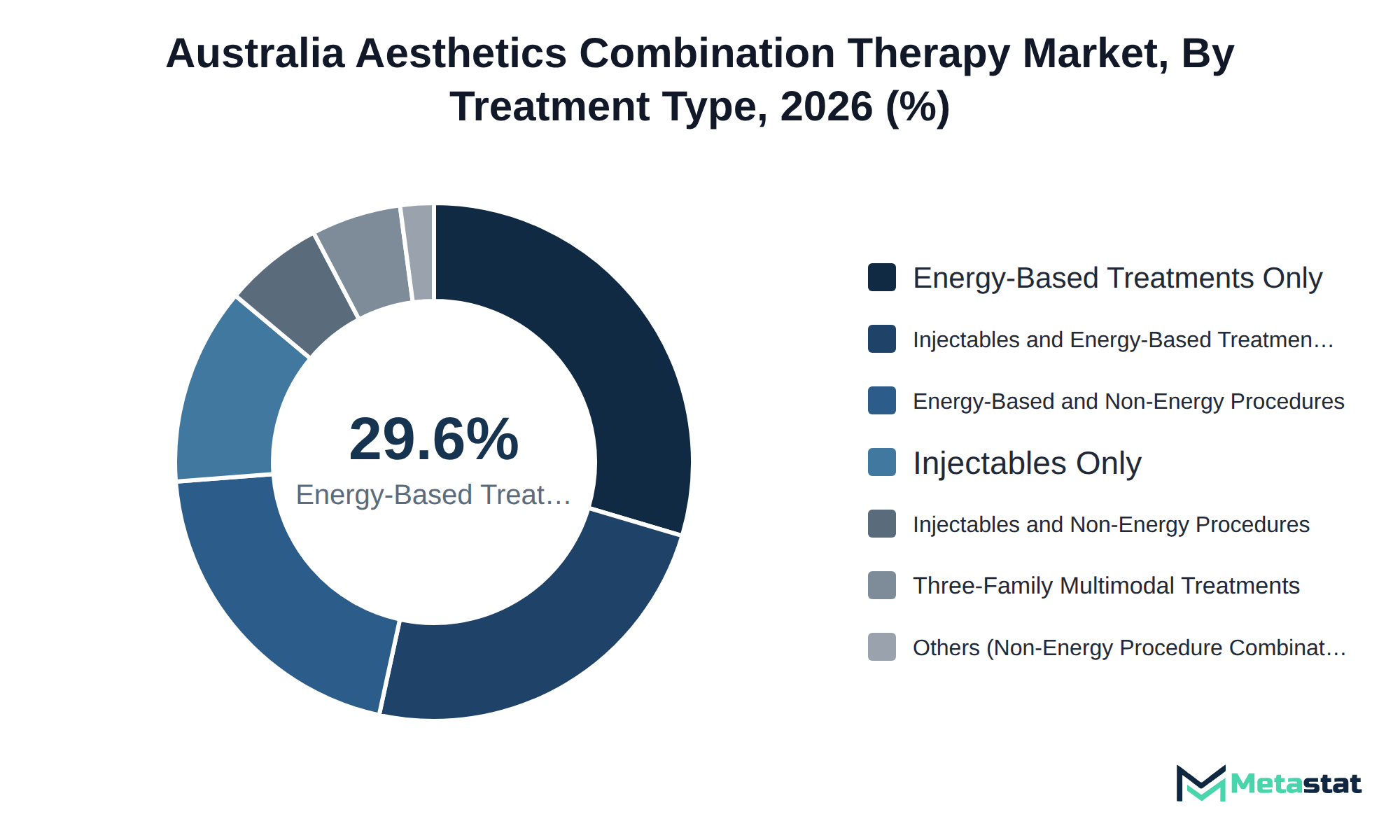
Energy-Based Treatments Only segment is valued at USD 27.2 million in 2026 and is projected to reach USD 74.8 million by 2033, at a CAGR of 15.5% during the forecast period. This segment focuses on treatments that employ various energy modalities, including laser and radiofrequency technologies, to enhance skin appearance and address aesthetic concerns. Medical aesthetic clinics frequently apply these treatments for skin rejuvenation, wrinkle reduction, and other cosmetic procedures. Rapid technological advancements drive demand, with consumers increasingly seeking effective solutions for their aesthetic needs. Compared to other segments, Energy-Based Treatments Only exhibits a competitive CAGR of 15.5%, surpassing the growth rates in categories including Injectables Only, which has a CAGR of 15.2%. This positioning highlights the segment's importance in the Australia Aesthetics Combination Therapy market, capturing a growing share of consumer interest in non-invasive and minimally invasive treatments.
Injectables and Energy-Based Treatments segment is estimated to reach USD 70.5 million by 2033, at a CAGR of 18% during the forecast period. This segment focuses on enhancing skin appearance through the use of injectable agents combined with energy-based modalities. Medical aesthetic clinics primarily adopt this approach, catering to clients seeking effective solutions for skin rejuvenation and wrinkle reduction. The rising demand for minimally invasive procedures drives growth in this segment, supported by an increasing preference for non-surgical treatments. Compared to other treatment types, Injectables and Energy-Based Treatments exhibit a faster growth rate, reflecting a shift in consumer preferences towards integrated aesthetic solutions. The combination of injectables with energy-based treatments differentiates this segment, appealing to a broader audience while maintaining competitive pricing structures in the Australia Aesthetics Combination Therapy market.
Energy-Based and Non-Energy Procedures segment is expected to reach USD 48.9 million by 2033. This segment includes a variety of aesthetic procedures that leverage both energy-based technologies and traditional non-energy methods, appealing to medical aesthetic clinics and dermatology clinics. Increasing consumer demand for effective, multifaceted approaches to skin rejuvenation drives growth in this segment. The blend of these treatment types enables clinics to offer comprehensive solutions tailored to individual patient needs. Compared to purely energy-based options, this segment experiences slower growth, reflected in its CAGR. Energy-Based and Non-Energy Procedures differ from injectables and energy treatments, positioning themselves at a slightly different price point while catering to a broad range of aesthetic concerns. The Australia Aesthetics Combination Therapy market increasingly recognizes the benefits of integrating various treatment modalities to enhance patient outcomes.
Injectables Only segment is projected to grow at a CAGR of 15.2% during the forecast period. This segment primarily focuses on the application of injectable treatments designed to enhance facial aesthetics, including wrinkle reduction and volumization. Medical aesthetic clinics and dermatology clinics predominantly apply these injectables to cater to clients seeking non-invasive solutions for cosmetic concerns. A notable demand driver for this segment relates to the increasing preference for minimally invasive procedures among consumers seeking quicker recovery times compared to surgical alternatives. In comparison to other segments, including Injectables and Energy-Based Treatments, which are expected to achieve a CAGR of 18%, this segment demonstrates relatively slower growth. This difference stems from the broader appeal of combination therapies that integrate injectables with energy-based treatments, leading to enhanced outcomes for patients. The market for Injectables Only is anticipated to reach USD 70.5 million by 2033.
Injectables and Non-Energy Procedures encompass a variety of aesthetic treatments focused on enhancing physical appearance without the use of energy-based methods. These procedures serve diverse purposes, including wrinkle reduction, facial volumization, and skin rejuvenation. Medical aesthetic clinics, dermatology clinics, and beauty therapy clinics frequently apply these treatments to meet the demands of consumers seeking non-invasive solutions. Key factors influencing this segment include the popularity of injectables driven by advancements in formulation and technique. Compared to other segments, this sub-segment exhibits a slower growth rate, resulting from increased competition and a higher price point associated with specialized injectables. In contrast to energy-based treatments, which benefit from rapid technological advancements, injectables and non-energy procedures often face regulatory scrutiny, impacting the speed of new product introductions. This dynamic contributes to the overall landscape of the Australia Aesthetics Combination Therapy market.
Three-Family Multimodal Treatments encompass a strategy that integrates multiple therapies to address diverse aesthetic concerns, enhancing treatment efficacy. This approach finds usage among a variety of clinics, including medical aesthetic clinics and dermatology clinics, which seek comprehensive solutions for their clients. Demand for these treatments is driven by a growing desire for integrated care that combines different modalities, reflecting advancements in aesthetic technologies. Compared to other treatment types, this segment stands out due to its capacity to cater to complex client needs, often resulting in higher price points. While injectables and energy-based treatments show a significant growth trajectory, the Three-Family Multimodal Treatments provide practitioners with versatile options that address a spectrum of skin conditions simultaneously. This adaptability supports increased consumer interest, further propelling growth in the Australia Aesthetics Combination Therapy market.
This segment encompasses a variety of non-energy procedure combinations employed to address various aesthetic concerns effectively. Medical aesthetic clinics and dermatology practices often deploy these combinations to meet diverse client needs, particularly where energy-based treatments are not suitable. The driving force behind this segment includes the increasing demand for personalized treatment plans tailored to unique skin conditions, supported by growing consumer awareness of aesthetic options. Compared to energy-based treatments, this segment typically features a different pricing structure, appealing to a broader range of clients seeking non-invasive options. Market dynamics reflect consistent interest from buyers prioritizing safety and efficacy, contributing to the segment's stability in the broader Australia Aesthetics Combination Therapy market. The focus on non-invasive approaches positions this segment uniquely alongside more aggressive treatment methodologies, reinforcing its relevance given evolving consumer preferences.
This segment focuses on enhancing skin appearance and reducing the signs of aging, primarily adopted by medical aesthetic clinics and dermatology clinics. The increasing demand for non-invasive aesthetic procedures drives growth in this segment, attracting consumers seeking effective solutions for skin rejuvenation. This segment experiences a higher growth rate compared to others, including Pigmentation and Vascular Concerns, which has a projected CAGR of 15.5%. Such dynamics reflect strong consumer interest and investment in aesthetic treatments that promote youthful skin and overall appearance, highlighting the ongoing evolution of the Australia Aesthetics Combination Therapy market.
The Pigmentation and Vascular Concerns segment is estimated to reach USD 47.9 million by 2033, at a CAGR of 15.5% during the forecast period. This segment focuses on treatments addressing skin pigmentation and vascular issues, widely used by individuals seeking improved skin health and appearance. Medical aesthetic clinics frequently provide these treatments, catering to clients with specific concerns including sun damage, discoloration, and broken capillaries. Demand for services in this segment is driven by increasing consumer awareness of skin health, alongside advancements in treatment technologies. Compared to other segments, this group exhibits a moderate growth rate, influenced by consumer education and the availability of innovative treatment options. The competitive landscape of the market presents various choices for buyers, enhancing treatment accessibility and increasing growth in consumer spending.
The Acne and Scar Management segment is expected to reach USD 46.2 million by 2033. This segment focuses on addressing skin conditions resulting from acne and the scars left behind. It is used primarily by dermatology clinics and medical aesthetic facilities, targeting individuals seeking to enhance their skin's appearance. Factors driving this segment include increased consumer awareness of the psychological impact of acne and the effectiveness of advanced treatment options. Compared to other application segments, this area experiences steady growth, characterized by a strong CAGR of 15.5%. The specific focus on acne differentiates it from broader approaches, including skin rejuvenation, leading to targeted investments in specialized technologies and therapies. The market reflects a commitment to improving skin health and aesthetics through tailored solutions.
Body Contouring and Cellulite Reduction segment is projected to grow at a CAGR of 17.8% during the forecast period. This segment focuses on aesthetic treatments designed to improve body shape and reduce the appearance of cellulite. Medical aesthetic clinics and beauty therapy clinics frequently employ these treatments to address body contouring concerns among clients seeking enhanced body aesthetics. Demand for these services arises from increasing consumer interest in physical appearance and the desire for non-invasive solutions. Compared to other segments, this category exhibits faster growth, driven by evolving techniques and heightened consumer awareness. The prices associated with body contouring treatments often reflect advanced technologies, positioning this segment as a premium offering within the Australia Aesthetics Combination Therapy market. Enhanced procedures in this area attract buyers seeking effective and lasting results.
Hair Restoration involves techniques and treatments aimed at regaining lost hair, often through non-invasive methods. Consumers seeking aesthetic improvement frequently access this segment, driven by the desire for fuller hair and a more youthful appearance. The rising prevalence of hair loss among various demographics directly influences market demand. Unique product formulations and innovative technologies support the expansion of this segment, distinguishing it from others including Skin Rejuvenation and Wrinkle Reduction, which address skin texture and aging concerns. While Hair Restoration focuses on a specific aesthetic issue, the broader applications in the market cater to diverse beauty needs, highlighting the varied approaches consumers take in beauty enhancement.
This segment focuses on non-invasive treatments targeting issues like stretch marks and tattoo clearance. Such therapies cater to clients seeking improvements in their skin appearance, often through innovative techniques aimed at enhancing aesthetic outcomes. Demand for these specialized treatments increases due to rising consumer awareness of aesthetic options, alongside a growing acceptance of body modification and enhancement. This segment distinguishes itself from others by appealing primarily to individuals prioritizing cosmetic improvements without the use of invasive procedures. Clients within this segment typically seek affordable yet effective solutions, contrasting with segments that involve higher-priced treatments. Thus, the Australia Aesthetics Combination Therapy market reflects a diverse array of consumer preferences and needs, enhancing the relevance of treatments within this segment.
These clinics provide a range of aesthetic treatments, including injectables and energy-based therapies, targeting customers seeking improvement in appearance and skin health. The segment experiences growth driven by increasing consumer interest in non-invasive cosmetic improvements and advancements in treatment technologies. This growth rate surpasses other segments like Beauty and Dermal Therapy Clinics, indicating a higher demand for specialized medical aesthetic services. While other segments involve a broader range of beauty treatments, medical aesthetic clinics maintain a focus on clinically backed procedures, enhancing their appeal to consumers seeking reliable and effective treatments. The market expands due to providers innovating their offerings and adapting to evolving preferences of consumers seeking aesthetic enhancements.
Dermatology Clinics segment is estimated to reach USD 74.2 million by 2033, at a CAGR of 16.4% during the forecast period. These clinics provide specialized services in skin health, addressing conditions including acne, pigmentation issues, and other dermatological concerns. Growth in this segment is driven by rising consumer awareness regarding skin health and increasing demand for effective treatment solutions. Compared to other segments, dermatology clinics experience significant growth due to their focus on both aesthetic dermatology and medical services, appealing to a diverse clientele. This segment features a higher customer retention rate, largely stemming from the ongoing relationship patients maintain with dermatologists for follow-up treatments. The Australia Aesthetics Combination Therapy market benefits from these dynamics, ensuring dermatology clinics play a vital role in the overall growth trajectory.
The Beauty and Dermal Therapy Clinics segment is expected to reach USD 40.1 million by 2033. These clinics provide aesthetic services targeting skin conditions and enhancing beauty through various treatments. The customer base includes individuals seeking non-invasive options for skin rejuvenation, acne management, and other aesthetic improvements. An increase in consumer awareness regarding personal appearance drives growth in this segment, contributing to a competitive landscape. Compared to other end-user segments, Beauty and Dermal Therapy Clinics exhibit distinct characteristics, including a lower projected CAGR, making it comparatively slower in growth relative to Medical Aesthetic Clinics, which are projected to reach USD 139.2 million by 2033. The demand for personalized treatments and the emphasis on minimal downtime encourage investment in this segment while influencing the dynamics of the Australia Aesthetics Combination Therapy market.
The hospitals segment is projected to grow at a CAGR of 13.4% during the forecast period. This segment primarily involves aesthetic procedures conducted in hospital settings, catering to patients seeking advanced treatments. Medical professionals, including dermatologists and plastic surgeons, use these facilities for their expertise and equipment. Demand for aesthetic treatments in hospitals is driven by an increasing preference for minimally invasive procedures, aiming for effective results with reduced recovery times. Compared to other end-user segments, hospitals provide a broader range of comprehensive treatments, which results in higher pricing structures. The hospitals segment differentiates itself through a focus on advanced technologies and a high standard of care, contributing to its sustained growth within the Australia Aesthetics Combination Therapy market.
Day Procedure Centres encompass facilities that provide aesthetic treatments on an outpatient basis, focusing on various enhancements to physical appearance. These centres attract clients seeking non-invasive procedures, including skin rejuvenation and body contouring. The increasing trend towards minimally invasive options drives demand for services provided by these centres. Unlike other end users, Day Procedure Centres feature flexible appointment schedules, appealing to clients with busy lifestyles. This segment experiences moderate growth compared to Medical Aesthetic Clinics, which command a larger share of the consumer base due to their comprehensive service offerings. In the Australia Aesthetics Combination Therapy market, Day Procedure Centres cater to a niche audience that prioritizes convenience and efficiency, distinguishing them from traditional clinics that offer a broader range of services but with longer wait times.
Valued at USD 58.7 million in 2026, the Face segment is projected to reach USD 162.2 million by 2033, at a CAGR of 15.6% during the forecast period. This segment focuses on aesthetic treatments targeting facial enhancements, primarily performed by medical aesthetic clinics and dermatology clinics. The increasing demand for non-invasive procedures drives growth in this area, reflecting a broader trend toward enhancing physical appearance with minimal recovery time. Compared to other treatment areas, the Face segment demonstrates significant growth, surpassing the growth rates of several applications. The combination of innovative energy-based treatments and injectables contributes to the appeal for consumers seeking effective solutions for facial rejuvenation. The market benefits from advancements in technology, facilitating improved outcomes and expanding options for patients.
The Neck and Décolletage segment is estimated to reach USD 44.1 million by 2033, at a CAGR of 17.4% during the forecast period. This segment focuses on aesthetic treatments aimed at enhancing the appearance of the neck and décolletage area, primarily by individuals seeking to reduce signs of aging, improve skin texture, and enhance overall appearance. Demand for these treatments is driven by increasing awareness of aesthetic options and an aging population seeking non-invasive solutions. Compared to other segments, this segment exhibits a faster growth trajectory, with a significant CAGR of 17.4%, reflecting a strong preference among consumers for targeted treatments that address specific areas of concern, contributing to the overall expansion of the market. The market sees a diverse range of providers, including specialized clinics that cater exclusively to aesthetic procedures.
The Abdomen and Flanks segment is expected to reach USD 19.5 million by 2033. This segment focuses on body contouring treatments that target fat reduction and skin tightening in the abdominal and flank areas. Typically, medical aesthetic clinics and dermatology clinics provide these services, appealing to clients seeking to enhance their body shape and overall appearance. Key drivers for growth in this segment include rising consumer awareness regarding aesthetic treatments and increasing demand for non-invasive body contouring options. Compared to other segments, including Skin Rejuvenation and Wrinkle Reduction, which experiences a CAGR of 15.7%, the Abdomen and Flanks segment demonstrates unique positioning due to its specific focus on body aesthetics, resulting in a different consumer profile and treatment approach. In the Australia Aesthetics Combination Therapy market, understanding these dynamics is crucial for stakeholders aiming to capitalize on emerging trends.
Valued at USD 19.5 million in 2026, the Thighs and Buttocks segment is projected to grow at a CAGR of 17.6% during the forecast period. This segment targets individuals seeking aesthetic improvements in body contours, specifically in the thigh and buttock areas. Patients frequently pursue procedures in this segment to enhance body shape and address issues related to cellulite. The increasing emphasis on body image among consumers drives demand, leading to a surge in aesthetic procedures. Compared to other treatment areas, the Thighs and Buttocks segment displays a relatively higher growth rate, reflecting growing interest in body contouring. The market sees increasing participation from medical aesthetic clinics and beauty therapy establishments focusing on advanced body aesthetic treatments, further strengthening its position in the Australia Aesthetics Combination Therapy market.
Scalp treatments focus on addressing various hair and scalp issues, including hair loss and thinning. These treatments cater primarily to individuals seeking solutions for hair restoration and overall scalp health. Increased awareness regarding personal grooming and aesthetic appearance drives demand for scalp treatments. Many patients from medical aesthetic clinics seek these services, indicating a preference for professional solutions to hair-related concerns. Scalp treatments differ from other segments, including face and body contouring, by emphasizing specialized care for hair and scalp issues rather than broader aesthetic enhancements. The Australia Aesthetics Combination Therapy market reflects a growing interest in targeted therapies that enhance individual well-being and appearance through a focus on scalp health.
This segment focuses on aesthetic treatments targeting issues related to the arms and hands. The procedures offered address concerns including skin laxity, pigmentation, and overall skin quality. Medical aesthetic clinics, dermatology clinics, and beauty therapy centers typically provide these services to clients seeking enhancements in these areas. Demand for treatments in this segment is driven by increasing consumer awareness of aesthetic options and a growing emphasis on comprehensive body care. Unlike other segments, this area experiences slower growth due to relatively lower demand compared to facial treatments. The Australia Aesthetics Combination Therapy market continues to evolve, with innovations enhancing treatment effectiveness for the arms and hands, attracting a diverse clientele focused on maintaining youthful appearances.
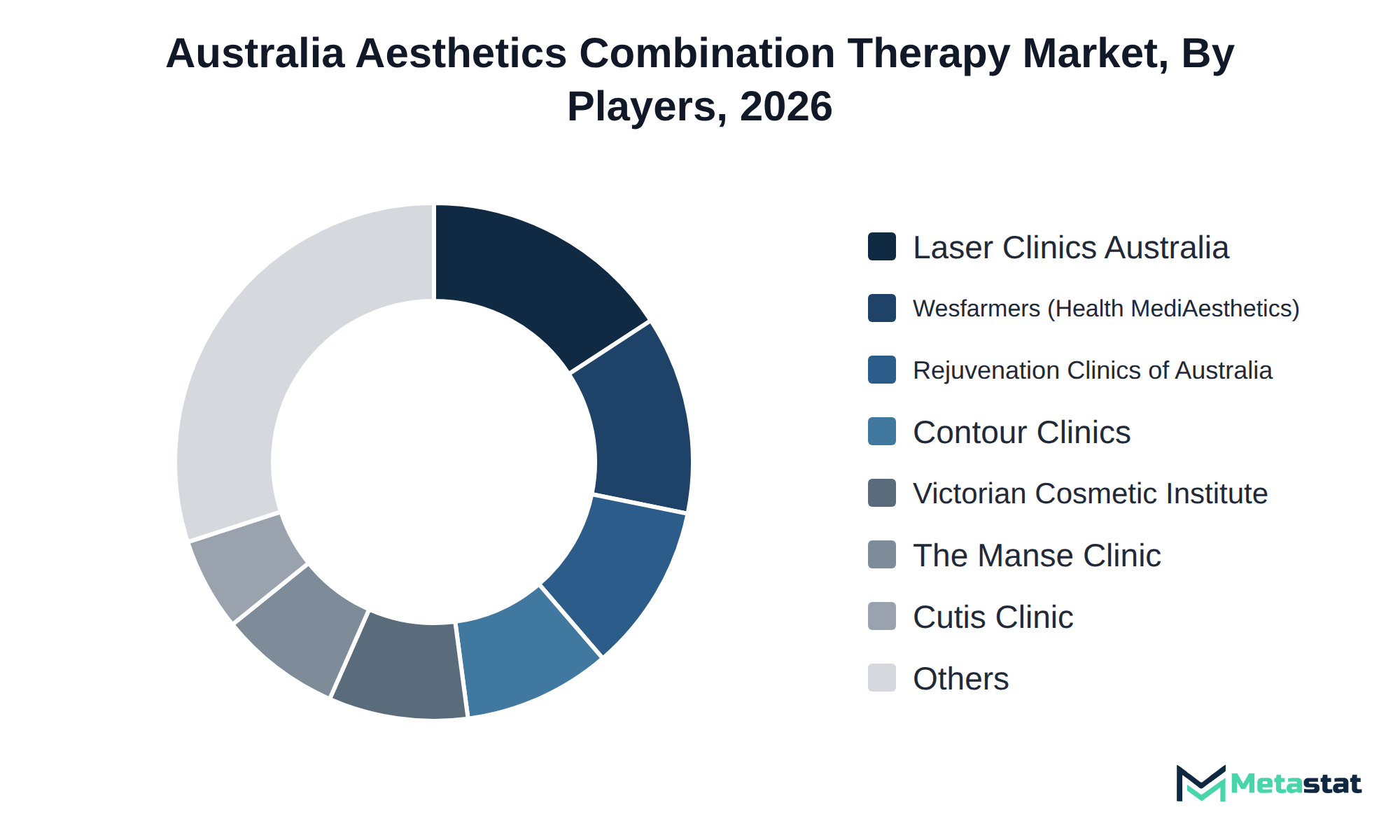
Competition within the Australia Aesthetics Combination Therapy market revolves around service variety and specialization. Companies including Wesfarmers Limited (Health MediAesthetics) and Laser Clinics Australia focus on comprehensive treatment options, integrating both energy-based and injectable therapies. Other players including Rejuvenation Clinics of Australia and The Manse Clinic emphasize targeted applications, catering to specific aesthetic needs including skin rejuvenation and wrinkle reduction.
Buyers prioritize factors including price, service quality, and treatment customization when selecting providers. For instance, Victorian Cosmetic Institute and Cutis Clinic differentiate their offerings through tailored service packages designed to address individual client concerns. Competitive pricing and effective marketing strategies influence buyer decisions across the market.
This growth relies on several factors, including advancements in treatment types and increasing demand across various applications. The segment of injectables and energy-based treatments is projected to play a significant role in market expansion, contributing to the anticipated compound annual growth rate (CAGR) of 16.2%. The rising prevalence of skin rejuvenation and wrinkle reduction treatments will drive demand, particularly within medical aesthetic clinics and dermatology clinics. These clinics serve primary end-users and are positioned to capitalize on the growing trend for aesthetic enhancements.
The market faces potential risks that could slow growth. Economic fluctuations and shifts in consumer spending power impact demand, particularly within the beauty and dermal therapy clinic segment. The overall trajectory of the Australia Aesthetics Combination Therapy market hinges on the successful implementation of innovative treatment procedures and the ability of clinics to adapt to changing consumer preferences. Should these developments occur, the market is expected to achieve its forecasted value by 2033.
By Treatment Type: Energy-Based Treatments Only, Injectables and Energy-Based Treatments, Energy-Based and Non-Energy Procedures, Injectables Only, Injectables and Non-Energy Procedures, Three-Family Multimodal Treatments, Others (Non-Energy Procedure Combinations)
By Application: Skin Rejuvenation and Wrinkle Reduction, Pigmentation and Vascular Concerns, Acne and Scar Management, Body Contouring and Cellulite Reduction, Hair Restoration, Others (Stretch Marks, Tattoo Clearance)
By End User: Medical Aesthetic Clinics, Dermatology Clinics, Beauty and Dermal Therapy Clinics, Hospitals, Others (Day Procedure Centres)
By Treatment Area: Face, Neck and Décolletage, Abdomen and Flanks, Thighs and Buttocks, Scalp, Others (Arms, Hands)
The report strategically identifies and profiles the key market players and analyses their core competencies in each sub-segment of the Aesthetics Combination Therapy market.
Report Attributes | Details |
Study Period | 2021-2033 |
Base Year | 2025 |
Estimated Year | 2026 |
Forecast Period | 2026-2033 |
Historical Period | 2021-2025 |
Growth Rate | CAGR 16.2% from 2026 to 2033 |
Revenue Unit | USD million |
Segmentation | By Treatment Type, Application, End User, Treatment Area, and Region |
Find answers to common questions about this report
The Aesthetics Combination Therapy market size was valued at USD 79 million in 2025.
The market is projected to grow at a CAGR of 16.2% during the forecast period from 2026 to 2033.
Injectables and Energy-Based Treatments lead the Aesthetics Combination Therapy market with a projected value of USD 70.5 million by 2033. This segment surpasses others in terms of revenue potential.
Growing awareness of personal aesthetics significantly influences spending patterns among consumers. Technological advancements in energy-based treatments drive innovation within the market, enhancing treatment efficacy and patient outcomes.
Price sensitivity among buyers significantly restrains market growth, as medical aesthetic clinics face challenges in justifying the costs of advanced combination treatments. Rising operational costs, including talent acquisition and training, hinder profit margins and affect clinic profitability.
The increasing popularity of injectables combined with energy-based treatments drives adoption in the industry, with this segment projected to reach USD 70.5 million by 2033. Enhanced training for practitioners and advancements in technology support clinics in expanding their service offerings, catering to a wider range of aesthetic concerns.
The Aesthetics Combination Therapy market is estimated to reach a valuation of USD 263.8 million by 2033.
Key players operating in the Aesthetics Combination Therapy market include Wesfarmers Limited (Health MediAesthetics), Laser Clinics Australia, Rejuvenation Clinics of Australia, The Manse Clinic, Victorian Cosmetic Institute, and Cosmetic Avenue.
The injectables segment is projected to experience a compound annual growth rate of 15.2 percent through 2033.
Body contouring and cellulite reduction is expected to grow at a compound annual growth rate of 17.8 percent.
The analysts below cover Medical Devices research at Metastat Insights.
LEAD ANALYST
Utkarsh Khirodkar is a Lead Market Research Analyst at MetaStat Insight, specializing in market intelligence, technology sector assessments, and competitive strategy.

LEAD PRINCIPAL ANALYST, PHARMA AND HEALTHCARE
Food and Beverages · Healthcare · Healthcare IT · Medical Devices
Ajay Devgire is the Lead Healthcare Analyst at MetaStat Insight, leading strategic research and market intelligence initiatives across the global healthcare domain.

SENIOR RESEARCH ANALYST
Biotechnology · Food and Beverages · Medical Devices · Packaging
Snehal Pasalkar is a Research Analyst at MetaStat Insight, operating at the intersection of life sciences research, competitive strategy, and market intelligence.
Evaluating secondary resin quality across post-consumer packaging streams requires reliable technical segmentation. MetaStat Insight delivered an objective assessment that distinguished between extrusion-grade flake pricing and optical sorting throughput limitations across Western Europe. The competitive positioning breakdown for licensed depolymerization technology providers answered several questions during our feedstock feasibility audit. Their team clarified regional trade restrictions on mixed plastic scrap quickly when our team submitted follow-up requests.
Evaluating sovereign cloud deployments for core banking platforms demands a clear view of data residency regulations and migration exit strategies. MetaStat Insight delivered an exhaustive review of regional latency tolerances, mainframe decommission milestones, and third-party vendor concentration risk. The regulatory compliance mapping across European and Asian financial jurisdictions gave our team a dependable baseline for multi-cloud infrastructure discussions.
Replacing petrochemical surfactants with bio-based alternatives requires realistic timelines on industrial precision fermentation scaling. The market research broke down commercialization timelines, feedstock sugar price sensitivities, and regional cosmetic ingredient regulatory approvals in Europe and East Asia. That supplier readiness mapping gave our formulations team reliable context when comparing renewable chemical sourcing roadmaps.
Explore related market intelligence reports worth reading alongside this one.