
Explore key questions buyers should ask Gluten Free Meat Substitute suppliers, from protein sources to allergen controls.
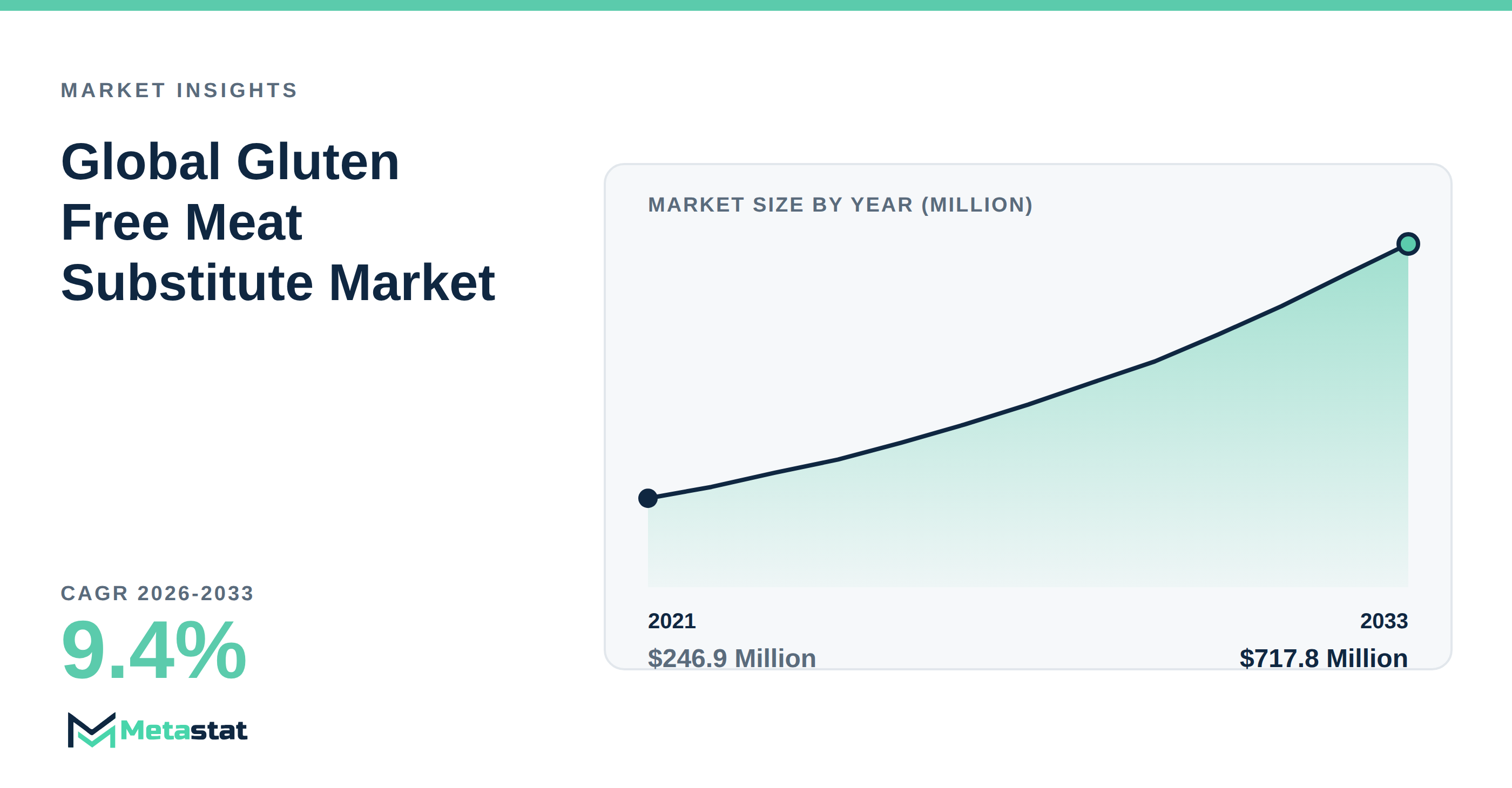
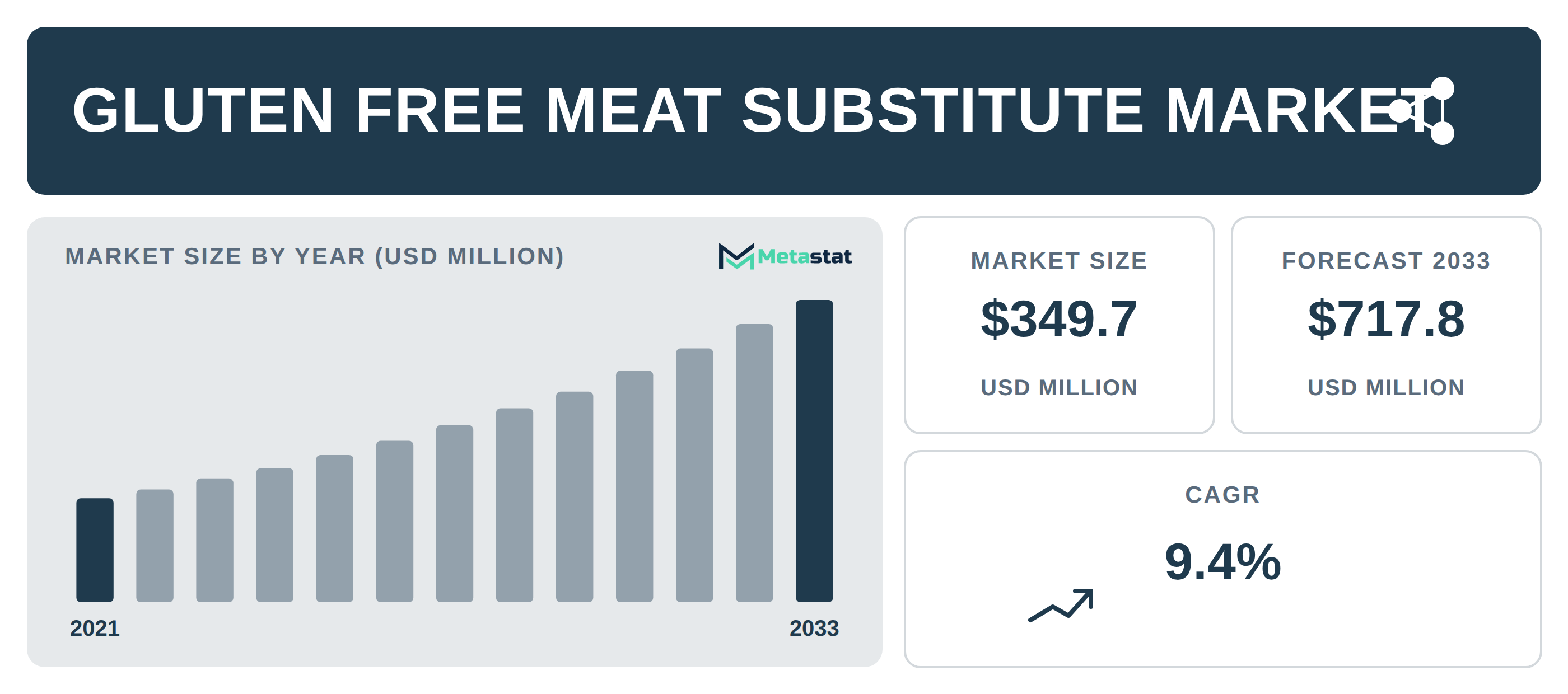
The demand for gluten-free meat substitutes has surged as consumers increasingly seek healthier and sustainable food options. With a variety of suppliers emerging in this space, buyers adopt a strategic approach when selecting partners. Essential questions should be considered to ensure informed decisions when choosing Gluten Free Meat Substitute suppliers. The full figures are in our Gluten Free Meat Substitute market size and forecast report.
1. What protein sources are used in your products?
Understanding the protein sources in gluten-free meat substitutes is vital. Suppliers should clearly identify whether they source soy, pea, or other plant-based proteins. Pea protein, for example, is expected to grow to USD 177.7 million by 2033, reflecting its increasing popularity due to its allergen-friendly profile. Suppliers focusing on diverse and innovative protein sources are likely to meet a broader range of dietary preferences, addressing the needs of health-conscious consumers.
2. How do you ensure allergen and cross-contamination controls?
Allergen management is critical for consumers with gluten sensitivities or celiac disease. Suppliers follow stringent regulations to avoid cross-contact with gluten-containing products. Buyers should inquire about manufacturing practices, dedicated facilities, and testing procedures. Ensuring effective allergen management not only protects consumers but enhances brand credibility, making it a significant factor for buyer consideration.
3. What innovations are you implementing in product formulations?
Innovation in product formulation is key to attracting buyers seeking taste and texture that resemble traditional meat. Suppliers who demonstrate commitment to evolving formulations, including new protein blends and technologies including 3D printing for texture improvement, will likely succeed in meeting consumer expectations. Those who offer products that replicate the mouthfeel and flavor of meat are positioned to drive customer loyalty.
4. What are your distribution channels and sales strategies?
The distribution strategy of suppliers directly impacts market reach and customer accessibility. Buyers should ask suppliers about their main distribution channels, whether they focus on supermarkets, specialty health stores, or online platforms. The online retail segment is anticipated to expand significantly, with brands investing in digital marketing to enhance visibility. Understanding where and how products are sold provides insights into promotional support and product availability.
5. How do you address price sensitivity in your offerings?
Price sensitivity remains a notable factor affecting consumer purchases of gluten-free meat substitutes. Suppliers should articulate their pricing strategies, including any tiered pricing models based on ingredient quality. Buyers should seek suppliers who balance affordability with quality, which will allow them to cater to price-sensitive consumers while maintaining competitive margins. Addressing this concern is instrumental for achieving sustained success.
6. What are your sustainability practices?
With growing consumer concern about environmental impact, sustainability practices play a crucial role in supplier selection. Buyers should inquire about sourcing methods, ingredient sustainability, and waste reduction initiatives. Suppliers who prioritize environmentally-friendly practices will appeal to a demographic increasingly focused on sustainability. Understanding a supplier's commitment to sustainability provides a deeper insight into their operational ethos and aligns with the values of health-conscious buyers.
Engaging with suppliers by asking these targeted questions enhances the decision-making process for buyers in the gluten-free meat substitute sector. Gaining insight into protein sources, allergen controls, innovation, distribution, pricing strategies, and sustainability practices provides a comprehensive view that aids in forming effective partnerships.
Tags
About the Authors

LEAD ANALYST
Utkarsh Khirodkar is a Lead Market Research Analyst at MetaStat Insight, specializing in market intelligence, technology sector assessments, and competitive strategy.

LEAD PRINCIPAL ANALYST, PHARMA AND HEALTHCARE
Food and Beverages · Healthcare · Healthcare IT · Medical Devices
Ajay Devgire is the Lead Healthcare Analyst at MetaStat Insight, leading strategic research and market intelligence initiatives across the global healthcare domain.

SENIOR RESEARCH ANALYST
Biotechnology · Food and Beverages · Medical Devices · Packaging
Snehal Pasalkar is a Research Analyst at MetaStat Insight, operating at the intersection of life sciences research, competitive strategy, and market intelligence.