
LEAD ANALYST
Utkarsh Khirodkar is a Lead Market Research Analyst at MetaStat Insight, specializing in market intelligence, technology sector assessments, and competitive strategy.

Global Gluten Free Meat Substitute Market Size, Share, By Product Type (Plant-Based Burgers and Patties, Plant-Based Mince and Ground Meat, Plant-Based Sausages and Hot Dogs, Plant-Based Chicken and Poultry Alternatives, Plant-Based Meatballs and Nuggets, Plant-Based Deli Slices and Whole-Cut Alternatives, Plant-Based Meat Substitute Mixes and Others), By Protein Source (Soy Protein, Pea Protein, Wheat-Free Textured Vegetable Protein, Rice Protein, Fava Bean Protein, Chickpea and Other Pulse Proteins, Mycoprotein and Others), By Form (Fresh/Chilled and Frozen), By Distribution Channel (Supermarkets and Hypermarkets, Convenience Stores, Specialty Health and Natural Food Stores, Online Retail, Foodservice and Institutional Sales and Others), Industry Analysis, Growth, Trends, and Forecast, 2026-2033
Report ID
MSI-5768
Published
November, 2026
Pages
289 Pages
Format
Historical
Base year
Forecast
Forecast period
Report Details
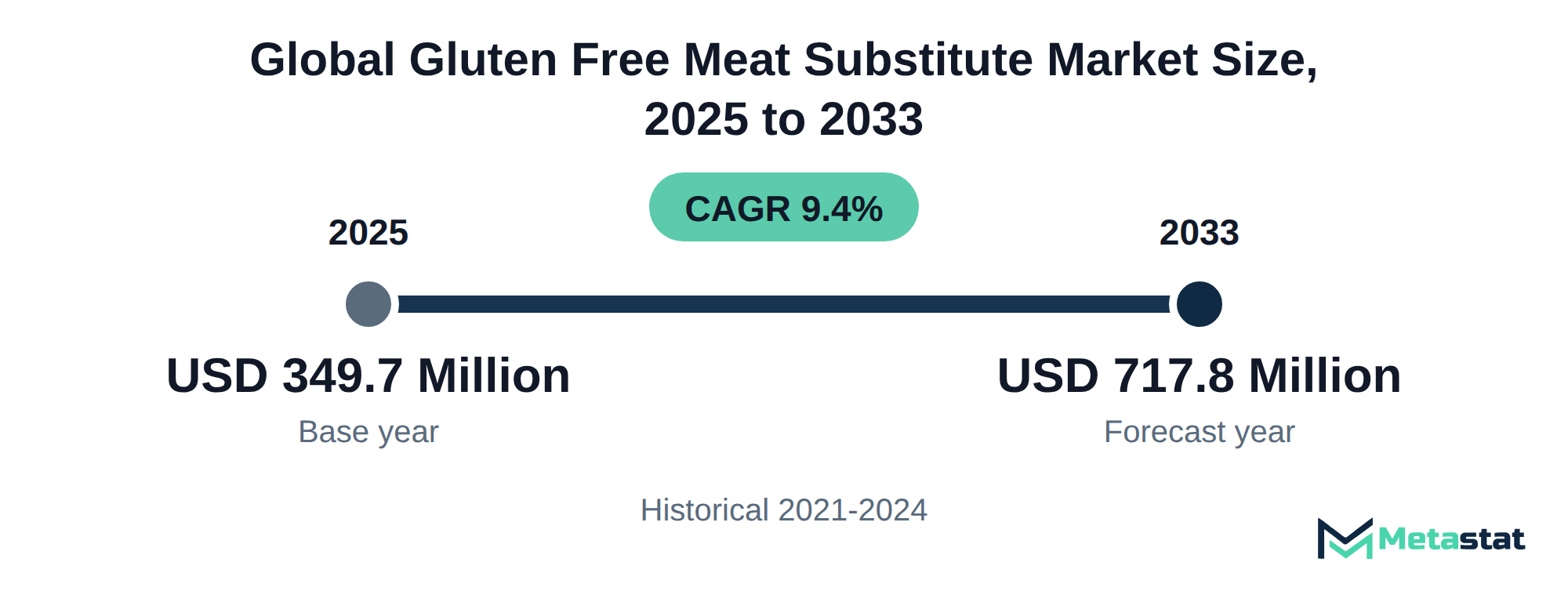
Market Valuation: Valued at $349.7 Million in 2025, projected to reach $717.8 Million by 2033 at a 9.4% CAGR.
Dominant Segment: Plant-Based Burgers and Patties lead the market, driven by strong consumer preference for versatile and nutritious meat alternatives that align with gluten-free diets.
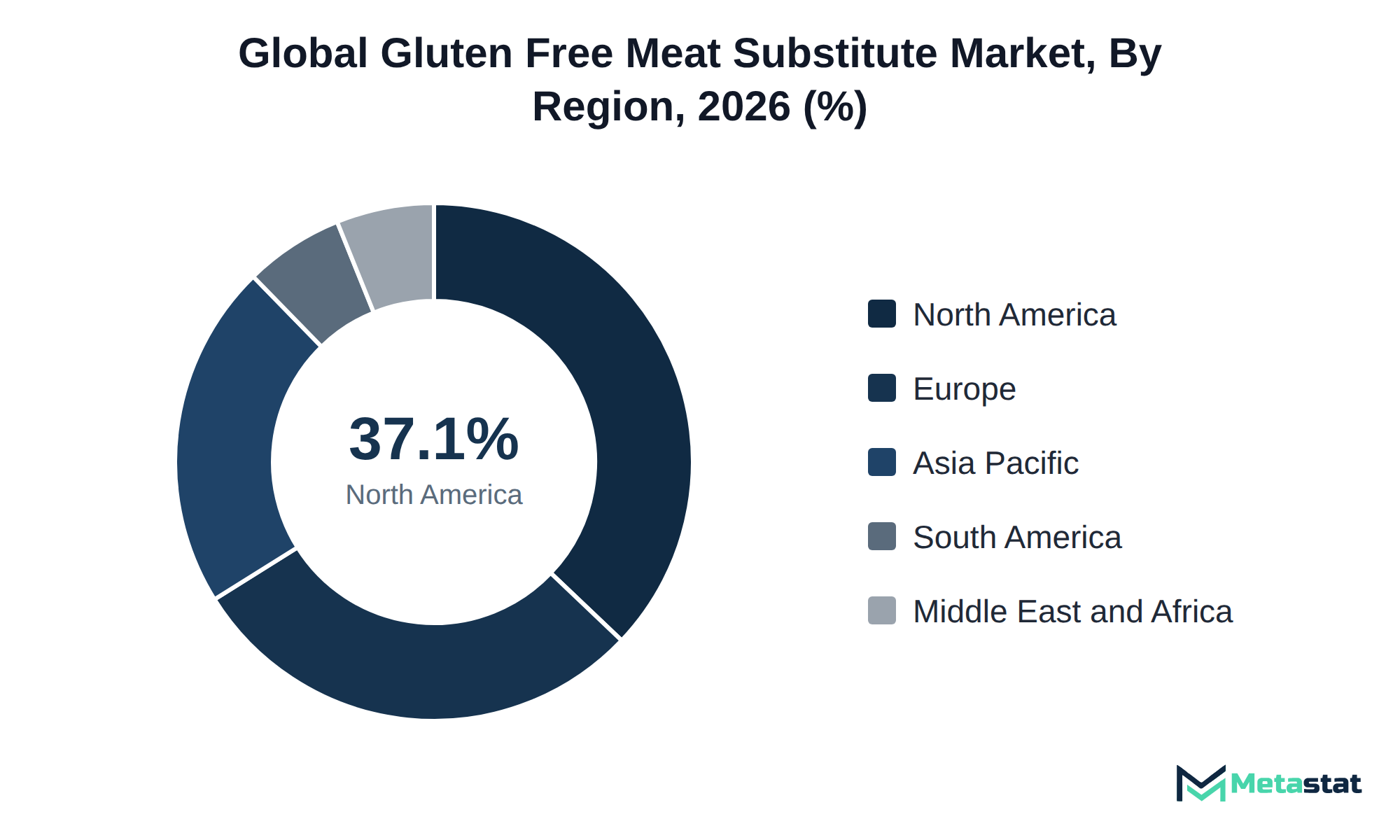
Geographic Lead: North America is the leading region, holding 37.1% of the market in 2025, attributed to robust consumer demand for meat alternatives and extensive distribution networks.
What's Inside: The report provides comprehensive competitive coverage, detailed analyses of market dynamics, and forecasts spanning from 2026 to 2033, ensuring a thorough understanding of market trends.
Emerging Protein Sources: The market is witnessing significant growth in pea protein, projected to reach USD 177.7 million by 2033, reflecting rising consumer preferences for allergen-friendly and nutritious options.
Retail and Foodservice Expansion: The gluten-free meat substitute market is expanding in retail and foodservice sectors, driven by increasing demand for convenient, health-conscious meal options that cater to dietary restrictions.
Choose Your License
Global Gluten Free Meat Substitute Market
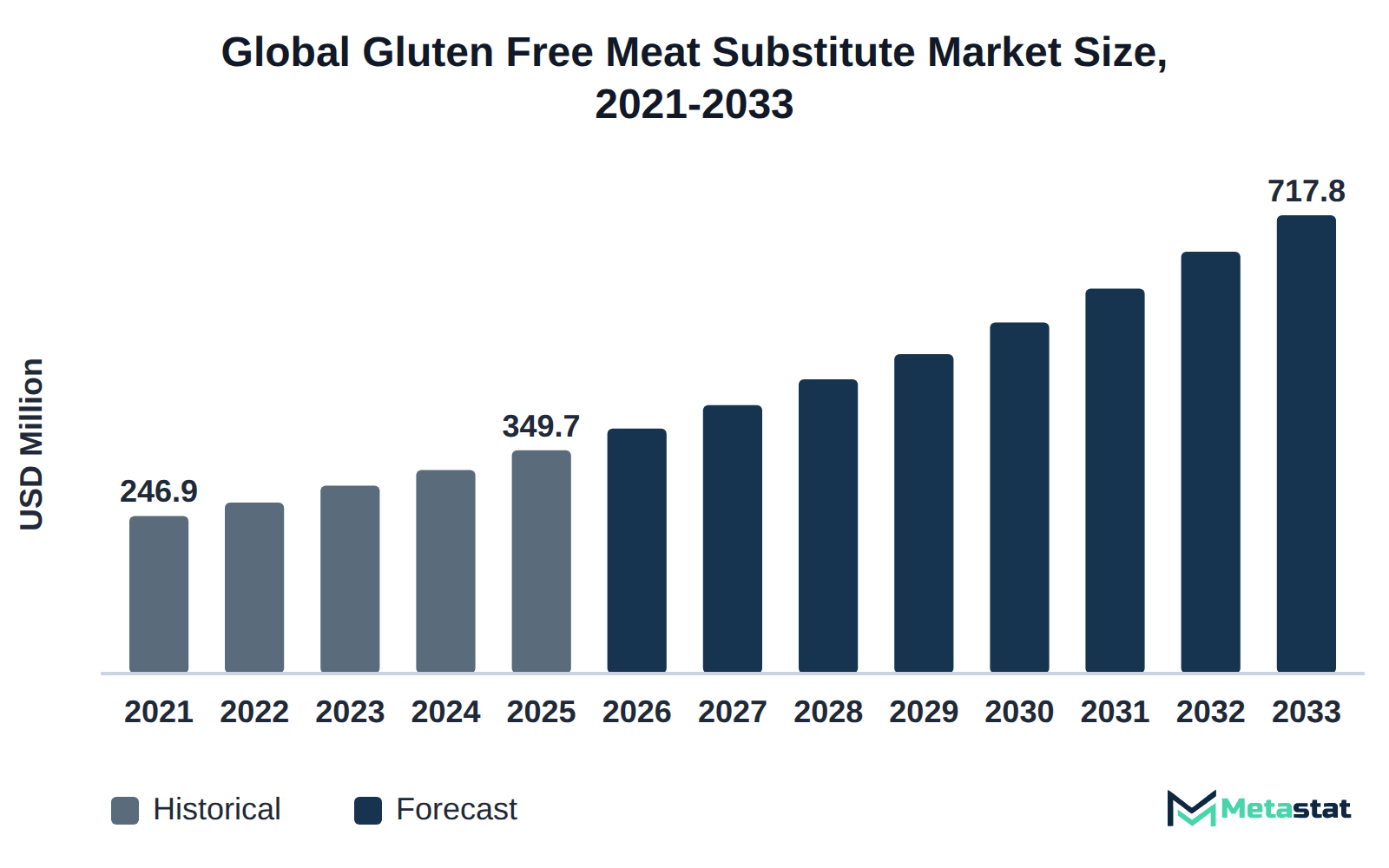
The global Gluten Free Meat Substitute market was valued at USD 349.7 million in 2025 and is projected to reach USD 717.8 million by 2033, growing at a CAGR of 9.4% over the forecast period.
The Gluten Free Meat Substitute market encompasses a variety of plant-based alternatives designed to replace traditional meat products, appealing to consumers seeking healthier and dietary-specific options. It forms a specialized part of the wider meat substitute industry, focused on products formulated without gluten. Buyers invest in these products due to growing awareness of health benefits, dietary restrictions, and a shift towards sustainable eating practices. This market reflects the increasing demand for gluten-free options that cater to diverse dietary preferences, including vegan and vegetarian lifestyles.
Significant factors driving growth include heightened consumer interest in health-conscious diets and increased availability of gluten-free meat substitutes. Among the product types, Plant-Based Burgers and Patties represent the largest segment in terms of value. North America holds 37.1% of the market in 2025, with the US leading in 2026. This region's dominance is attributed to a combination of strong consumer preferences for meat alternatives and extensive distribution networks.
Ongoing innovation in formulations and flavors supports market expansion and helps suppliers meet changing consumer demands. The Asia Pacific region, while holding a smaller share, shows potential for rapid growth due to rising health awareness and changing dietary habits among consumers. This growth trajectory highlights the increasing importance of gluten-free meat substitutes across various demographic groups.
The market features a diverse array of products that cater to consumers pursuing gluten-free dietary options. Buyers invest in gluten-free meat substitutes driven by a growing awareness of health benefits, dietary restrictions, and the demand for sustainable food sources. The increasing prevalence of gluten intolerance and celiac disease heightens the need for meat alternatives that align with health-conscious lifestyles. The same health drivers support wider demand for gluten-free food. This trend is particularly relevant for a variety of consumer demographics, including vegetarians, vegans, and those aiming to reduce meat consumption.
Among the segments, Plant-Based Burgers and Patties represent the highest value, indicating strong consumer preference for these products. This large share reflects well-developed distribution infrastructure and an established consumer base that favors plant-based options. The growth trajectory is driven primarily by increasing consumer interest in healthier eating habits and the environmental impact of meat production, which collectively influence purchasing behaviors.
The gluten-free meat substitute market is evolving, with innovation in product formulations and ingredient sourcing. Companies actively explore new protein sources and processing techniques to enhance product appeal. This dynamic environment drives competition among suppliers, leading to improved product offerings and expanded market reach. Continued investment in research and development is likely to support further advances and strengthen the market's growth potential.
Innovative approaches in gluten-free meat formulations increasingly leverage alternative protein blends and texture innovations to meet growing consumer demands. Plant-based burgers and patties are projected to expand from USD 77.7 million in 2026 to USD 142.5 million by 2033, demonstrating a compound annual growth rate of 9.1%. This trend reflects a significant shift towards using diverse protein sources, including soy and pea protein, to enhance both nutritional profiles and sensory experiences.
Texture innovation is central to attracting flexitarian consumers and those seeking gluten-free alternatives. Manufacturers focus on replicating the mouthfeel and juiciness associated with traditional meat products, resulting in higher consumer acceptance. Advancements in food technology, including 3D printing and emulsification techniques, enable the development of products that closely mimic the textures of animal-based proteins. As more consumers prioritize health and dietary preferences, the gluten-free meat substitute market stands to benefit further from these innovations.
The commitment to improving product formulations through protein blends and texture innovation positions companies to capture a larger market share. Greater consumer satisfaction leads to increased brand loyalty and opens new opportunities for expansion in various distribution channels, including supermarkets, specialty health stores, and online retail. As the gluten-free meat substitute market evolves, these advances will drive future growth and engagement among health-conscious consumers.
Consumer purchasing behavior within the Gluten Free Meat Substitute market shifts towards soy-free, pea-based, and allergen-friendly alternatives. Retailers increasingly emphasize transparency in ingredient sourcing and labeling, driven by rising awareness of food allergies and dietary restrictions among consumers. In particular, the market for pea protein is projected to reach USD 177.7 million by 2033, reflecting strong demand for these protein sources.
Pricing models increasingly reflect the demand for allergen-friendly products. Retailers implement tiered pricing strategies based on ingredient quality and sourcing methods, which allows for a diversified product range that meets various consumer preferences. This approach supports healthier margins while serving a growing segment of health-conscious buyers, driving long-term revenue. Retail chains including supermarkets and hypermarkets contribute significantly to this landscape, with expected growth from USD 137.5 million in 2026 to USD 242.9 million by 2033.
While consumers prioritize health and sustainability, the market adapts by offering flexible payment options and subscription models, enhancing buyer engagement and loyalty. This purchasing environment allows producers to differentiate their products on nutritional value and sustainability, creating a competitive advantage in the Gluten Free Meat Substitute market.
The gluten free meat substitute market experiences significant growth in retail and foodservice sectors, driven by increasing consumer demand for health-conscious products. This trend highlights a shift towards convenient meal options that cater to dietary restrictions and preferences.
Retailers and foodservice operators recognize the importance of offering gluten-free plant-based options to attract health-conscious consumers. Busy lifestyles create a demand for ready-to-cook products that provide a quick and nutritious solution. The expansion of these offerings not only enhances product variety but drives foot traffic and online sales, thereby increasing overall revenue. Foodservice establishments report higher customer satisfaction when including gluten-free plant-based options, leading to repeat business and increased brand loyalty.
Serving this growing consumer base makes the market more competitive. Operators who prioritize gluten-free plant-based burgers, sausages, and ready-to-cook products position themselves favorably within the gluten free meat substitute market, capitalizing on health trends and dietary preferences while ensuring sustained growth in sales and market share.
Clean-label preferences significantly influence the adoption of gluten-free meat substitutes. Consumers increasingly demand transparency regarding ingredient sourcing and production practices. This trend drives manufacturers to formulate products that highlight natural ingredients without artificial additives. In the Gluten Free Meat Substitute market, this shift is evident in the rising popularity of plant-based burgers and patties, which are projected to reach a value of USD 142.5 million by 2033, growing at a compound annual growth rate (CAGR) of 9.1% from 2026. The focus on clean-label ingredients enhances brand credibility and aligns with consumer health consciousness.
Cross-contamination controls further impact gluten-free meat substitute adoption, particularly among consumers with sensitivities or celiac disease. Stringent regulations and consumer awareness regarding allergen management require dedicated manufacturing processes that prevent cross-contact with gluten-containing products, supported by food quality and safety testing. The need for strict controls encourages investments in specialized facilities and equipment among manufacturers. In this context, the market for gluten-free meat substitutes is expected to experience significant growth, driven by heightened consumer safety and demand for reliable gluten-free options.
The shift towards plant-based diets drives purchasing activity among health-conscious consumers and those with dietary restrictions. A notable increase in awareness regarding health benefits associated with plant-based foods contributes to this trend. Consumers increasingly prioritize nutritional content, ethical sourcing, and sustainability, which aligns with the growing demand for gluten-free meat substitutes. Changes in consumer behavior impact purchasing patterns, leading to increased volume and competition among suppliers. The market adapts accordingly, offering a wider range of gluten-free products to meet evolving consumer preferences.
Emerging protein sources significantly influence the growth trajectory of the Gluten Free Meat Substitute market. The increasing adoption of pea protein reflects consumer preferences for allergen-friendly options that offer nutritional benefits without gluten content. This trend aligns with rising awareness regarding health and dietary restrictions. The market observes a shift towards soy protein, driven by its established nutritional profile and versatility in various product applications. Wheat-free textured vegetable proteins provide viable alternatives for consumers seeking gluten-free options. These protein sources enable the development of innovative product offerings, enhancing consumer appeal and stimulating demand across multiple distribution channels.
The momentum behind plant-based chicken and poultry alternatives emphasizes the need for diverse protein solutions in the market. With growing interest in sustainable and health-conscious diets, manufacturers are expanding their portfolios to include a wider range of meat substitutes. This diversification strengthens competitive positioning and creates investment opportunities that increase market penetration. The rising number of consumers prioritizing gluten-free dietary choices further strengthens this growth driver, creating a favorable environment for suppliers and processors within the market.
Significant price sensitivity among consumers constrains the adoption of gluten free meat substitutes. Buyers, particularly health-conscious individuals and those with dietary restrictions, exhibit reluctance to invest in these products when costs exceed traditional meat options. The higher price point for gluten free alternatives often results in slower uptake, especially among price-sensitive demographics. In retail settings, smaller order sizes become prevalent, reflecting the cautious approach towards premium-priced items. This behavior directly impacts revenue growth for producers in the gluten free meat substitute market, as potential customers delay purchases or opt for less expensive substitutes. Consequently, the market experiences challenges in achieving expected penetration and expansion rates, leading to subdued growth in segments reliant on direct consumer sales.
Rising input costs present a significant challenge for suppliers in the Gluten Free Meat Substitute market. Costs associated with raw materials, including alternative proteins and other crucial ingredients, have increased due to supply chain disruptions and heightened demand. Suppliers face pressure to maintain profit margins while managing these escalating costs. In response, many suppliers are exploring cost-effective sourcing strategies and forming partnerships with local producers to enhance supply chain resilience.
Companies are investing in research and development to improve production efficiency and explore innovative ingredient alternatives that lower overall costs. By focusing on optimizing supply chains and diversifying ingredient sourcing, suppliers aim to mitigate the impact of rising input costs on their operations. These strategies enable them to remain competitive within the market while addressing economic challenges posed by fluctuating raw material prices.
The demand for gluten-free meat substitutes is expected to see substantial growth driven by increasing consumer preferences for pea protein. This protein source has gained attention for its nutritional benefits and allergen-friendly profile, appealing to health-conscious individuals and those with dietary restrictions. The segment featuring pea protein is projected to reach USD 177.7 million by 2033, presenting attractive opportunities for manufacturers focused on developing innovative products in this category. Companies that emphasize pea protein in their offerings address the rising demand for nutritious and gluten-free options, which aligns with consumer trends toward healthier eating habits. The shift toward plant-based protein sources highlights the potential for expansion within the gluten-free meat substitute market, catering to an underserved base of customers seeking alternatives to traditional meat products.
The Global Gluten Free Meat Substitute market is segmented based on Product Type, Protein Source, Form, and Distribution Channel.
This segment primarily caters to health-conscious individuals and those with dietary restrictions who seek meat alternatives that align with gluten-free diets. Increased consumer interest in plant-based diets significantly influences demand, with rising awareness of health benefits and sustainability driving purchasing decisions. Compared to other segments including Plant-Based Sausages and Hot Dogs, which experience growth, Plant-Based Burgers and Patties maintain a competitive edge through their versatility in various culinary applications. Rising popularity across diverse consumer groups positions this segment for strong expansion in the coming years.
Plant-Based Mince and Ground Meat segment is estimated to reach USD 94.1 million by 2033, at a CAGR of 9.1% during the forecast period. This segment primarily serves consumers seeking versatile and protein-rich alternatives to traditional meat products, often used by health-conscious individuals and those adhering to specific dietary restrictions. The increasing awareness surrounding the health benefits of plant-based proteins significantly drives demand for this segment, particularly among younger consumers. Compared to other product types, including Plant-Based Burgers and Patties, which grow at a CAGR of 9.1%, this segment exhibits a similar growth trajectory but distinguishes itself through its unique applications in various culinary contexts. Plant-Based Mince and Ground Meat suits a wide variety of recipes, which gives it an advantage over products with more limited uses.
Plant-Based Sausages and Hot Dogs segment is expected to reach USD 86.4 million by 2033. This segment appeals to consumers seeking convenient, gluten-free alternatives that mimic traditional sausages and hot dogs. Health-conscious individuals, vegetarians, and those with gluten sensitivities frequently choose these products. Growing health awareness and a shift towards plant-based diets drive demand in this segment. Compared to other product types, including plant-based burgers and patties, this segment experiences slightly slower growth, with a CAGR of 9.1%. Price sensitivity among consumers influences purchasing decisions, leading to competition among brands for affordability while maintaining quality. The market sees significant innovation in flavors and textures, enhancing consumer acceptance and engagement.
Plant-Based Chicken and Poultry Alternatives segment is projected to grow at a CAGR of 9.7% during the forecast period. This segment consists of plant-based options designed to replicate traditional chicken and poultry products, appealing to health-conscious consumers and those adhering to gluten-free diets. Increased awareness of health and wellness supports demand, particularly among individuals seeking meat alternatives with lower cholesterol and fat content. This segment stands out for its potential to attract a diverse buyer demographic, including vegetarians, vegans, and flexitarians. Unlike other segments including Plant-Based Burgers and Patties, which are expected to reach USD 142.5 million by 2033, or Plant-Based Sausages and Hot Dogs, which target different consumer preferences, Plant-Based Chicken and Poultry Alternatives serve a unique niche that promotes steady growth. The market reflects a transition towards alternative protein sources driven by rising dietary preferences.
Plant-Based Meatballs and Nuggets serve as popular alternatives for individuals pursuing gluten-free diets, catering to both health-conscious consumers and those with specific dietary restrictions. This segment experiences growth driven by the increasing shift towards plant-based eating, with consumers seeking nutritious and convenient meal options. Unlike other product types, the appeal of meatballs and nuggets lies in their versatility and ease of preparation, making them attractive to families and busy professionals alike. The market for these products benefits from rising demand for innovative and flavorful plant-based alternatives that align with evolving consumer preferences. Compared to other segments, including Plant-Based Burgers and Patties, this segment sees different pricing dynamics and marketing strategies aimed at highlighting its unique culinary applications, enhancing consumer interest and demand.
Plant-Based Deli Slices and Whole-Cut Alternatives represent a unique offering designed to provide consumers with meat alternatives that mimic traditional deli products. These products appeal to individuals seeking convenient, quick meal solutions while adhering to gluten-free dietary restrictions. Demand for this sub-segment stems from health-conscious consumers and those looking to reduce meat consumption. The growing awareness of health benefits associated with plant-based diets drives interest in these alternatives. Compared to other product types, this segment experiences slower growth, impacted by challenges including consumer familiarity and acceptance. Differentiating factors include pricing strategies and consumer perceptions, which affect purchasing decisions. The Gluten Free Meat Substitute market continues to evolve, with Plant-Based Deli Slices and Whole-Cut Alternatives playing a significant role in diversifying options available to consumers.
Plant-Based Meat Substitute Mixes provide a versatile option for consumers seeking gluten-free alternatives that mimic the texture and flavor of traditional meat products. This segment caters to health-conscious individuals, vegetarians, and those with gluten sensitivities who desire convenient meal solutions. An increasing focus on health and nutrition encourages shifts towards these mixes, driven by growing awareness of the benefits of plant-based diets. Unlike other segments, including Plant-Based Burgers and Patties, this segment captures consumers seeking customizable meal solutions, allowing for creativity in meal preparation. The gluten-free meat substitute market experiences heightened interest in products that offer both convenience and nutritional benefits, supporting the adoption of Plant-Based Meat Substitute Mixes among diverse consumer groups. The market continues to evolve, with innovation in flavors and ingredients enhancing the appeal of this segment.
Alternatives including plant-based bacon and seafood substitutes cater to evolving consumer preferences for gluten-free options. This sub-segment appeals to individuals seeking alternatives that align with dietary restrictions or lifestyle choices. The trend towards flexitarian diets influences demand for innovative products that replicate traditional flavors and textures found in bacon and seafood. This sub-segment differentiates itself from others by targeting consumers looking for specific culinary experiences, emphasizing taste and versatility. Producers focusing on these alternatives often face unique challenges related to ingredient sourcing and product formulation, which impact pricing and availability. Compared to segments like Plant-Based Burgers and Patties, which experience rapid growth, this segment exhibits a more gradual uptake among consumers. The market is expected to evolve, reflecting broader shifts in dietary habits and preferences.
Soy protein segment is valued at USD 118 million in 2026 and is projected to reach USD 205.6 million by 2033, at a CAGR of 8.3% during the forecast period. This segment serves a wide range of consumers, including those seeking gluten-free options, vegetarians, and individuals aiming to reduce meat consumption. Growing awareness of health benefits associated with soy protein drives increasing demand among health-conscious buyers. The segment distinguishes itself from others within the protein source category, particularly due to its relatively lower price point and established presence in the market. Compared to newer sources like pea protein, which is experiencing faster growth at a CAGR of 10.7%, soy protein maintains a steady growth trajectory, supported by its versatility in various applications including meat alternatives, snacks, and processed foods. The market benefits from soy’s long-standing acceptance and recognition among consumers, further enhancing its role in the gluten-free meat substitute space.
Pea Protein segment is estimated to reach USD 177.7 million by 2033, at a CAGR of 10.7% during the forecast period. This protein source serves as a critical ingredient for various gluten-free meat substitutes, appealing to consumers focused on health and sustainability. The growing awareness of the nutritional benefits of pea protein drives its adoption among health-conscious buyers and those with dietary restrictions. Competition in the market highlights the increasing demand for plant-based alternatives, with pea protein exhibiting a higher growth rate compared to certain other sources. Its versatility and favorable taste profile allow it to cater effectively to both mainstream and niche markets, setting it apart from alternatives including soy and wheat-free proteins.
Wheat-Free Textured Vegetable Protein segment is expected to reach USD 114.3 million by 2033. This protein source provides a viable alternative for individuals seeking gluten-free options while offering essential nutrients. Consumers with dietary restrictions, including those with celiac disease or gluten intolerance, often choose products containing wheat-free textured vegetable protein. The increasing health consciousness among consumers enhances demand for this segment. With a CAGR of 9.7%, this segment demonstrates notable growth potential compared to other protein sources. Factors influencing growth include rising awareness of gluten-related health issues and the trend toward natural ingredients. The market preference for sustainable and health-oriented protein sources continues to drive interest in wheat-free products, differentiating them from traditional meat substitutes.
Rice protein segment is projected to grow at a CAGR of 9.7% during the forecast period. This protein source caters to consumers pursuing gluten-free diets, particularly those seeking plant-based alternatives. Rice protein functions effectively in various applications, including protein supplements and meat substitutes, appealing to health-conscious individuals and those with dietary restrictions. Its growth is driven by increasing awareness of the nutritional benefits associated with rice protein and rising demand for gluten-free and allergen-free options. Compared to other protein sources, rice protein offers distinct advantages, including lower allergenic potential, which attracts a broader range of consumers. The market for rice protein remains competitive, with its pricing structure generally aligning with other plant-based protein sources, including soy and pea proteins.
Fava bean protein is an emerging ingredient in the health-conscious food sector. This protein source is increasingly adopted by consumers seeking gluten-free alternatives, particularly those with dietary restrictions related to gluten intake. The growing preference for plant-based diets fuels demand for fava bean protein, often seen as a healthier and more sustainable option compared to traditional animal proteins. Price sensitivity among consumers influences purchasing decisions, creating competitive dynamics with other protein sources including soy and pea proteins. While fava bean protein presents a unique nutritional profile, slower adoption compared to pea protein reflects the need for continued education on its benefits and culinary applications. Consumer interest in protein diversity is growing, and the market for gluten-free meat substitutes increasingly recognizes the potential of fava bean protein.
Chickpea and Other Pulse Proteins represent a valuable protein source in various gluten-free meat substitutes, appealing to health-conscious consumers and those adhering to specific dietary restrictions. Demand for this protein source is driven by its nutritional profile, which includes high protein content and essential amino acids, making it an attractive option for individuals seeking plant-based alternatives. The segment distinguishes itself from others within the protein source category through its focus on sustainability, catering to environmentally conscious consumers. Market trends indicate a growing awareness of the environmental impact of food choices, encouraging a shift towards plant-based diets, including gluten-free meat substitutes. This segment experiences strong growth potential, supported by rising consumer interest in healthier and sustainable food options while competing with other protein sources, including soy and pea proteins, which have unique appeal in the market.
Mycoprotein is a protein source derived from fungi, gaining attention for its nutritional profile and versatility in food applications. As a fungal protein, it falls within the broader single cell protein category. This protein source appeals to health-conscious consumers and vegetarians seeking alternatives to traditional meat products. Demand for mycoprotein is driven by increasing awareness of health benefits and dietary preferences, particularly among individuals pursuing plant-based diets. Compared to other protein sources, mycoprotein offers unique textural properties that enhance the eating experience. The growth of the gluten-free meat substitute market emphasizes the shift in consumer preferences towards innovative and sustainable protein options. Rising health consciousness and environmental concerns significantly influence the adoption of mycoprotein, highlighting its potential to penetrate various market segments more effectively than conventional alternatives. The market continues to evolve, presenting opportunities for brands focusing on mycoprotein in their product offerings.
Others (Lentil, Oat and Mixed Plant Proteins) encompasses a diverse range of plant-based protein sources that appeal to consumers seeking gluten-free alternatives. This segment serves individuals pursuing healthier dietary options, particularly those avoiding gluten-containing ingredients. The increasing awareness of health and wellness drives demand, with consumers looking for high-protein, plant-based solutions that contribute to a balanced diet. The segment distinguishes itself through its unique ingredient composition, setting it apart from other protein sources including soy and pea protein, which hold more established market positions. The Gluten Free Meat Substitute market experiences rising interest in innovative formulations that combine lentils, oats, and other mixed plant proteins, enhancing flavor profiles and nutritional benefits. This shift aligns with broader trends toward clean label products, reflecting a consumer preference for recognizable ingredients free from artificial additives.
Fresh/Chilled segment is valued at USD 146.2 million in 2026 and is projected to reach USD 264.3 million by 2033, at a CAGR of 8.8% during the forecast period. This segment serves gluten-free consumers seeking convenient, ready-to-eat options that align with their dietary preferences. The increasing awareness regarding health and wellness significantly influences demand, particularly among health-conscious individuals and those with gluten intolerance. This segment differs from others in the product type category, featuring a stronger emphasis on freshness and immediate consumption, which attracts a different buyer demographic compared to frozen alternatives. The market's focus on fresh offerings positions this segment for growth, appealing to consumers desiring high-quality, minimally processed options while maintaining a competitive edge over other forms in terms of taste and texture.
The frozen segment is estimated to reach USD 453.5 million by 2033, at a CAGR of 9.7% during the forecast period. This segment primarily serves consumers seeking convenient meal solutions that align with gluten-free diets. Increasing demand for ready-to-eat and easy-to-prepare options drives growth in this area, particularly among busy professionals and families. Rising awareness of health benefits linked to gluten-free diets increases consumer interest. Compared to other segments, the frozen segment stands out with its higher anticipated revenue, reflecting consumer preference for long-lasting products that offer flexibility in meal planning. Reaching these consumers depends on cold chain logistics that keep products frozen from production through to retail. The market's overall growth is further supported by technological advancements that enhance the texture and flavor of frozen meat substitutes.
Valued at USD 137.5 million in 2026, this segment is projected to reach USD 242.9 million by 2033, with a CAGR of 8.5% during the forecast period. Supermarkets and hypermarkets serve as primary distribution channels for gluten-free meat substitutes, catering to health-conscious consumers and those following gluten-free diets. Growing awareness of gluten intolerance and demand for healthier food options drive this segment, pushing retailers to expand their gluten-free offerings. This segment experiences a relatively higher growth rate compared to specialty health and natural food stores, reflecting a more diverse customer base and broader product selection. Increased visibility in large retail chains enhances consumer access, further supporting market expansion. The market adapts to evolving consumer preferences for convenient, gluten-free alternatives, positioning supermarkets and hypermarkets as significant contributors to overall industry growth.
Convenience Stores segment is estimated to reach USD 92.7 million by 2033, at a CAGR of 8.2% during the forecast period. These stores serve a busy consumer demographic seeking quick and accessible meal options, typically catering to on-the-go lifestyles. Demand for gluten-free meat substitutes within this segment arises from health-conscious consumers who prioritize convenience and nutrition. The segment's growth reflects a broader trend in the market where convenience and dietary preferences align, differentiating it from supermarkets and hypermarkets, which offer a broader selection but often experience slower growth rates. This segment's relatively higher price points compared to bulk offerings found in larger retail formats affect purchasing decisions, yet the increasing commitment to gluten-free diets fuels sales. The market continues to diversify, with convenience stores playing an essential role in meeting the immediate needs of health-focused consumers.
Specialty Health and Natural Food Stores segment is expected to reach USD 138.1 million by 2033. This segment caters to health-conscious consumers seeking gluten-free and natural food options, including various plant-based meat substitutes. An increasing trend toward healthier lifestyles and dietary preferences drives demand in this segment, particularly among individuals prioritizing organic and non-GMO products. Compared to other distribution channels, this segment features a distinct focus on specialty offerings, often resulting in higher prices for unique products. Supermarket and hypermarket channels provide staple alternatives. Specialty Health and Natural Food Stores offer curated selections that appeal to niche markets, making them a key channel in the overall Gluten Free Meat Substitute market. Growth in this segment aligns with the broader trend of rising consumer awareness regarding health and wellness.
The Online Retail segment is projected to grow at a CAGR of 12% during the forecast period. This segment serves consumers seeking gluten-free meat substitutes through various online platforms, providing convenience and accessibility. The rise in health-conscious consumers and the growing trend of online shopping drive demand within this segment. Unlike traditional retail channels, online retail allows for a broader range of products and greater availability, appealing to consumers looking for specific dietary options. Increased investment in digital marketing strategies by brands enhances visibility and customer engagement. The online retail segment experiences faster growth and faces competition from established retail channels, which continue to dominate in terms of in-person shopping experiences and immediate product availability. The gluten-free meat substitute market benefits from the expanding online retail presence, aligning with changing consumer preferences toward health-oriented products.
Foodservice and Institutional Sales include diverse channels serving meals in educational institutions, hospitals, and restaurants, where gluten-free meat substitutes find significant application. These substitutes cater to consumers requiring gluten-free options, enhancing the variety of menu offerings. The increasing awareness of health and dietary preferences drives growth in this segment, with a notable emphasis on providing nutritious and appealing meal choices. Compared to retail-focused segments, Foodservice and Institutional Sales face unique challenges related to bulk purchasing and pricing strategies. This sub-segment commands a different buyer dynamic, with institutional buyers seeking reliable suppliers that meet specific nutritional standards and dietary requirements. The segment experiences robust demand from establishments prioritizing health-conscious menus and accommodating dietary restrictions, significantly influencing the growth trajectory within the broader market.
Direct-to-Consumer and Other Retail Formats represent a growing channel for gluten-free meat substitutes, catering directly to consumers through various formats, including online sales and specialty retail outlets. This segment attracts health-conscious buyers seeking convenient access to innovative food products that meet their dietary preferences. Increased consumer awareness surrounding health and sustainability drives growth in this channel, particularly among younger demographics who prioritize transparency and quality in their food choices. Compared to traditional retail formats, this segment demonstrates significant potential for faster growth due to the rising trend of direct-to-consumer sales, where consumers prefer purchasing products from manufacturers. The competitive landscape emphasizes innovative marketing strategies and direct engagement with consumers, setting this channel apart from supermarkets and hypermarkets, which cater to a broader audience and involve higher operational costs. Direct-to-Consumer and Other Retail Formats reflect a dynamic shift in purchasing behavior within the gluten-free meat substitute market.
Based on geography, the Global Gluten Free Meat Substitute market is divided into North America, Europe, Asia-Pacific, South America, Middle East, and Africa.
Demand for gluten-free meat substitutes in North America is driven by consumers increasingly prioritizing health and wellness. The rise in dietary restrictions due to gluten intolerance and celiac disease has propelled growth in this market. North America holds a 37.1% share of the global market in 2025, reflecting strong consumer preference for gluten-free options. The market is projected to reach USD 254.2 million by the end of 2033. Retail environments, including supermarkets and hypermarkets, play a crucial role in distributing these products, with growing interest from health-focused specialty stores. Ongoing innovation in plant-based formulations enhances product appeal, catering to a diverse range of dietary preferences and lifestyles. This region's commitment to health-conscious eating positions it as an important area for the gluten-free meat substitute market.
In Europe, the demand for gluten-free meat substitutes is driven by a growing health-conscious population and rising incidences of gluten intolerance. Countries including Germany, France, and the UK exhibit a strong preference for plant-based diets, contributing to the market's expansion. The European market for gluten-free meat substitutes holds a 29.0% share in 2025, reflecting significant consumer interest in healthier protein alternatives. Retail infrastructure, particularly the presence of supermarkets and specialty health stores, supports consumer access to these products. Increased investments in marketing and product innovation by regional players further enhance the market's potential. An emphasis on sustainability and ethical sourcing influences purchasing decisions among consumers, creating a competitive environment. The market is projected to grow through the forecast period, driven by evolving consumer preferences and increased awareness of gluten-related health issues.
Rapid growth within the gluten free meat substitute market is anticipated in Asia-Pacific, driven by increasing health awareness among consumers and a growing trend toward plant-based diets. Countries including China and India show significant interest in gluten-free alternatives due to rising disposable incomes and changing dietary preferences. The increasing number of health-conscious consumers in Japan and South Korea drives demand for these products. Infrastructure improvements and the expansion of retail channels, including supermarkets and online platforms, enhance product availability across the region. By 2033, the Asia-Pacific region is projected to hold a market share of 21.6%, reflecting ongoing shifts in consumer behavior and preferences toward gluten-free options.
In South America, the gluten free meat substitute market experiences notable growth in 2025. Brazil and Argentina emerge as key markets, where increasing consumer interest in healthy eating and plant-based diets drives demand. The region's growing middle class, coupled with rising disposable incomes, supports the shift towards gluten-free alternatives. Improvements in retail infrastructure facilitate the distribution of these products, making them more accessible to consumers. The market is projected to grow significantly, reflecting changing dietary preferences and the need for diverse protein sources.
In the Middle East and Africa, the gluten free meat substitute market demonstrates potential growth, driven by increasing health awareness and a shift towards plant-based diets. Demand originates primarily from urban populations in countries like Saudi Arabia, the UAE, and South Africa, where consumers increasingly seek nutritious food alternatives. The rise of health-conscious consumer segments influences the market, particularly in urban centers. Local production capabilities and investments in food processing infrastructure play a crucial role in supporting growth in this region. The gluten free meat substitute market in this region holds a significant market share in 2025, benefiting from demographic shifts and changing consumer preferences.
Companies within the Gluten Free Meat Substitute market adopt various strategies to differentiate their offerings. Emphasis on product innovation and the use of high-quality ingredients are common approaches. Companies frequently focus on certifications, including organic or gluten-free labels, which appeal to health-conscious consumers. This focus influences buyer decisions, particularly among buyers seeking healthy and sustainable options.
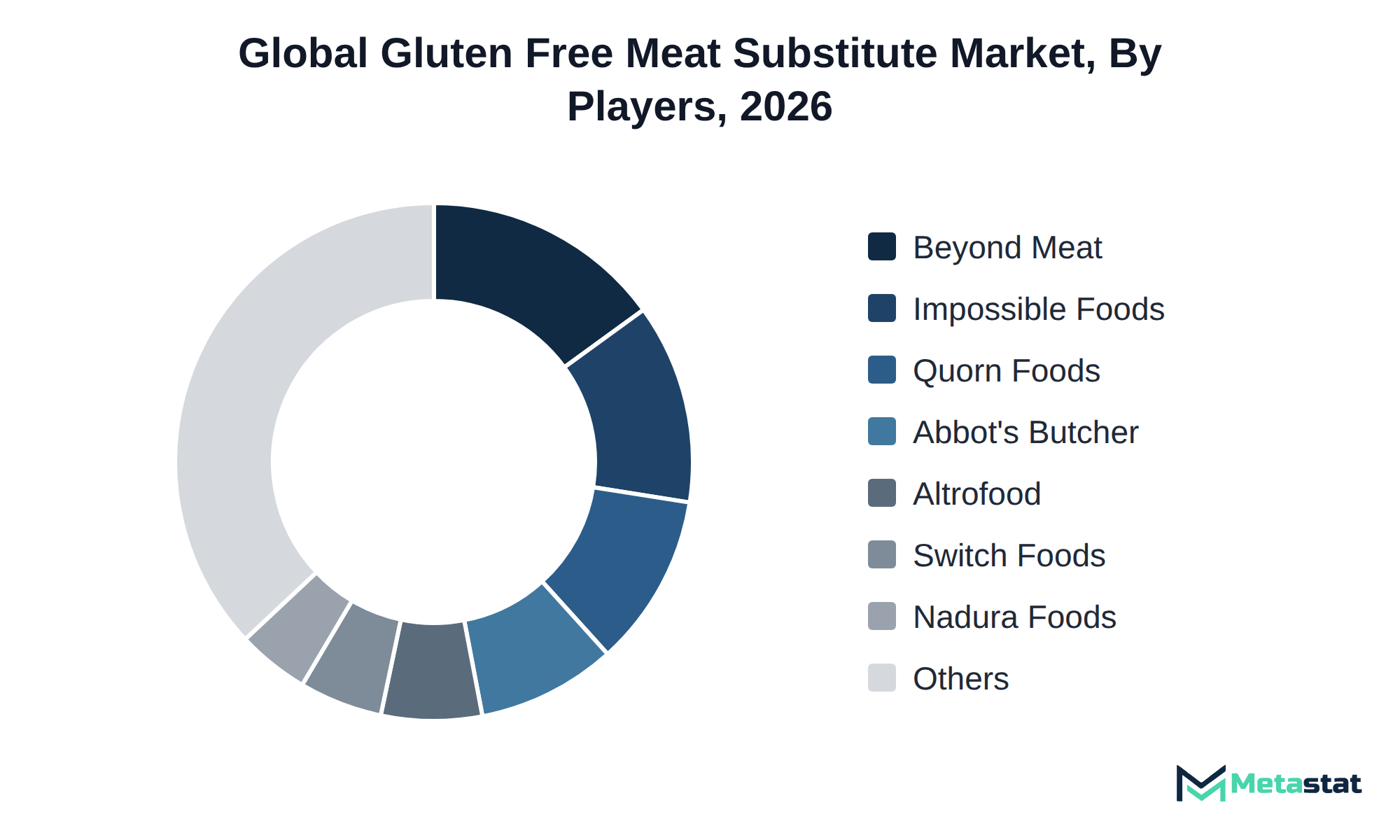
Beyond Meat, Inc. prioritizes plant-based solutions that closely mimic traditional meat products, appealing to consumers transitioning from animal proteins. Impossible Foods, Inc. targets the flavor and texture of beef alternatives, aiming at both health-focused buyers and those concerned with the environmental impact of meat consumption. Quorn Foods emphasizes a broad range of meat substitutes, leveraging its expertise in mycoprotein to attract consumers seeking versatile options in the Gluten Free Meat Substitute market.
Growth in the Gluten Free Meat Substitute market hinges on several key developments. First, an increase in consumer awareness regarding health and dietary preferences will drive demand for plant-based products, particularly in North America, which holds the largest market share at 37.1%. The expansion of retail channels, especially online platforms, is expected to facilitate access to these products, enhancing growth in regions including Asia Pacific. Finally, advancements in protein sourcing, particularly with pea and soy protein, will likely improve product offerings and attract a broader consumer base. Potential risks exist that could impede market growth. Supply chain disruptions could lead to increased production costs, impacting the affordability of gluten-free meat substitutes. Rising costs could deter consumers, particularly in price-sensitive markets like South America, where the market share is currently lower at 6.2%. Addressing these challenges effectively will be essential for reaching the projected market size by 2033.
By Product Type: Plant-Based Burgers and Patties, Plant-Based Mince and Ground Meat, Plant-Based Sausages and Hot Dogs, Plant-Based Chicken and Poultry Alternatives, Plant-Based Meatballs and Nuggets, Plant-Based Deli Slices and Whole-Cut Alternatives, Plant-Based Meat Substitute Mixes, Others (Plant-Based Bacon, Seafood Alternatives)
By Protein Source: Soy Protein, Pea Protein, Wheat-Free Textured Vegetable Protein, Rice Protein, Fava Bean Protein, Chickpea and Other Pulse Proteins, Mycoprotein, Others (Lentil, Oat and Mixed Plant Proteins)
By Form: Fresh/Chilled, Frozen
By Distribution Channel: Supermarkets and Hypermarkets, Convenience Stores, Specialty Health and Natural Food Stores, Online Retail, Foodservice and Institutional Sales, Others (Direct-to-Consumer and Other Retail Formats)
The report strategically identifies and profiles the key market players and analyses their core competencies in each sub-segment of the Gluten Free Meat Substitute market.
Report Attributes | Details |
Study Period | 2021-2033 |
Base Year | 2025 |
Estimated Year | 2026 |
Forecast Period | 2026-2033 |
Historical Period | 2021-2025 |
Growth Rate | CAGR 9.4% from 2026 to 2033 |
Revenue Unit | USD million |
Segmentation | By Product Type, Protein Source, Form, Distribution Channel, and Region |
By Region | North America (By Product Type, Protein Source, Form, Distribution Channel, and Country)
|
Europe (By Product Type, Protein Source, Form, Distribution Channel, and Country)
| |
Asia Pacific (By Product Type, Protein Source, Form, Distribution Channel, and Country)
| |
South America (By Product Type, Protein Source, Form, Distribution Channel, and Country)
| |
Middle East and Africa (By Product Type, Protein Source, Form, Distribution Channel, and Country)
|
Find answers to common questions about this report
The Gluten Free Meat Substitute market size was valued at USD 349.7 million in 2025.
The market is projected to grow at a CAGR of 9.4% during the forecast period from 2026 to 2033.
The North America Gluten Free Meat Substitute market size is estimated to reach USD 254.2 million by 2033.
Plant-Based Burgers and Patties leads the Gluten Free Meat Substitute market with a projected value of USD 142.5 million by 2033, reflecting its significant share compared to other product types.
The shift towards plant-based diets drives purchasing activity among health-conscious consumers and those with dietary restrictions. Significant price sensitivity among consumers constrains the adoption of gluten-free meat substitutes, as buyers exhibit reluctance to invest in these products when costs exceed traditional meat options.
North America holds the dominant share of the Gluten Free Meat Substitute market, with a value of USD 254.2 million projected for 2033, representing 37.1 percent of the total market.
Significant price sensitivity among consumers constrains the adoption of gluten-free meat substitutes. Rising input costs present a challenge for suppliers, impacting profit margins and leading to slower market penetration.
The increasing consumer preference for pea protein, known for its nutritional benefits and allergen-friendly profile, supports adoption within the gluten-free meat substitute market. This trend aligns with the growing demand for healthier and gluten-free options, creating opportunities for manufacturers to innovate and expand their product offerings.
The Gluten Free Meat Substitute market is estimated to reach a valuation of USD 717.8 million by 2033.
Key players operating in the Gluten Free Meat Substitute industry include Beyond Meat, Inc., Impossible Foods, Inc., Quorn Foods, Abbot's Butcher, Altrofood, and Switch Foods.
The analysts below cover Food and Beverages research at Metastat Insights.
LEAD ANALYST
Utkarsh Khirodkar is a Lead Market Research Analyst at MetaStat Insight, specializing in market intelligence, technology sector assessments, and competitive strategy.

LEAD PRINCIPAL ANALYST, PHARMA AND HEALTHCARE
Food and Beverages · Healthcare · Healthcare IT · Medical Devices
Ajay Devgire is the Lead Healthcare Analyst at MetaStat Insight, leading strategic research and market intelligence initiatives across the global healthcare domain.

SENIOR RESEARCH ANALYST
Biotechnology · Food and Beverages · Medical Devices · Packaging
Snehal Pasalkar is a Research Analyst at MetaStat Insight, operating at the intersection of life sciences research, competitive strategy, and market intelligence.
Replacing petrochemical surfactants with bio-based alternatives requires realistic timelines on industrial precision fermentation scaling. The market research broke down commercialization timelines, feedstock sugar price sensitivities, and regional cosmetic ingredient regulatory approvals in Europe and East Asia. That supplier readiness mapping gave our formulations team reliable context when comparing renewable chemical sourcing roadmaps.
Tracking ceramic matrix composite adoption in high-bypass aero engines requires strict attention to material qualification cycles and FAA airworthiness testing milestones. The MetaStat Insight team provided a detailed timeline of silicon carbide fiber manufacturing capacity and commercial foundry lead times. Having clear visibility into upstream thermal barrier coating supply helped us stress-test our long-term component procurement strategy.
Transitioning ultra-class mining haul trucks to alternative power requires concrete data on remote hydrogen refueling infrastructure economics. The report evaluated megawatt-scale electrolyzer installation expenses, onsite storage safety mandates, and heavy-duty fuel cell stack degradation under continuous duty cycles. That technical rigor helped our engineers benchmark realistic total operating cost horizons for off-highway fleet decarbonization.
Explore related market intelligence reports worth reading alongside this one.