
LEAD ANALYST
Utkarsh Khirodkar is a Lead Market Research Analyst at MetaStat Insight, specializing in market intelligence, technology sector assessments, and competitive strategy.

Global Rice Protein Market Size, Share, By Product Type (Rice Protein Isolates, Rice Protein Concentrates, Rice Protein Hydrolysates and Textured Rice Proteins), By Certification (Organic and Conventional), By Raw Material Source (Brown Rice and White Rice), By Application (Sports and Dietary Supplements, Beverages and Dairy Alternatives, Bakery, Snacks and Confectionery, Meat Alternatives and Extenders, Infant and Medical Nutrition, Animal Feed and Pet Food, Cosmetics and Personal Care), Industry Analysis, Growth, Trends, and Forecast, 2026-2033
Report ID
MSI-5635
Published
October, 2026
Pages
280 Pages
Format
Historical
Base year
Forecast
Forecast period
Report Details
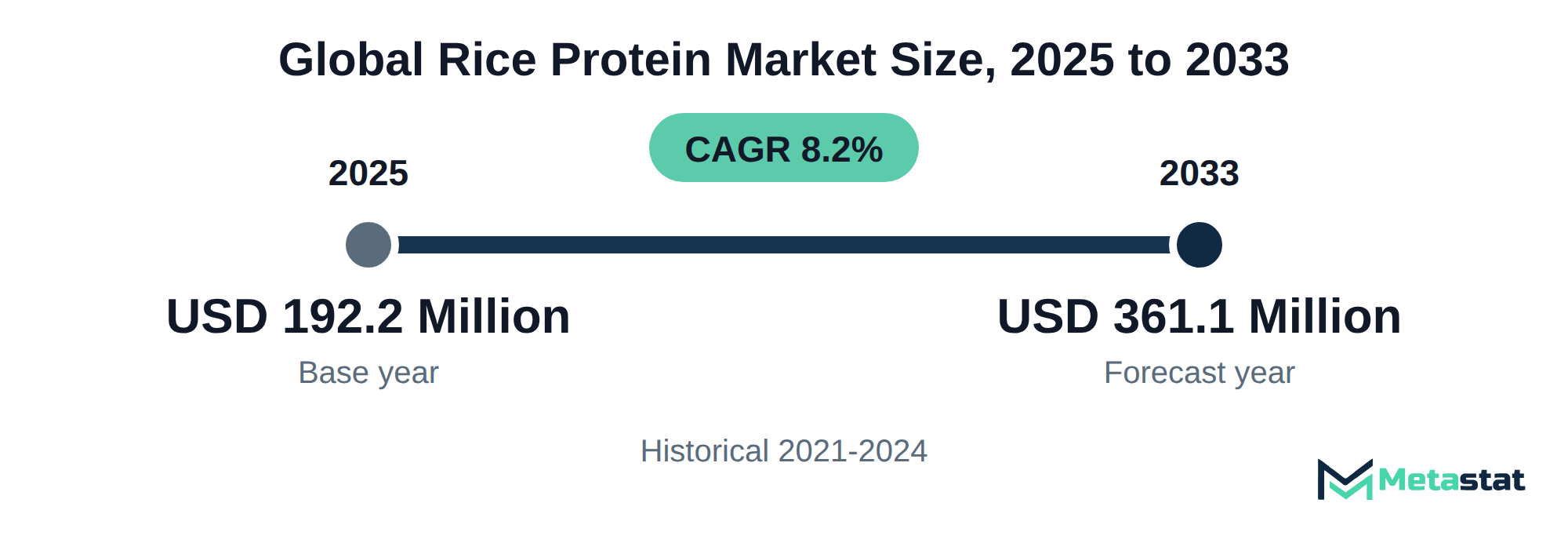
Market Valuation: Valued at $192.2 Million in 2025, projected to reach $361.1 Million by 2033 at a 8.2% CAGR.
Dominant Segment: Rice protein isolates lead the market, driven by their high purity and demand in health-focused applications such as sports nutrition and dietary supplements.
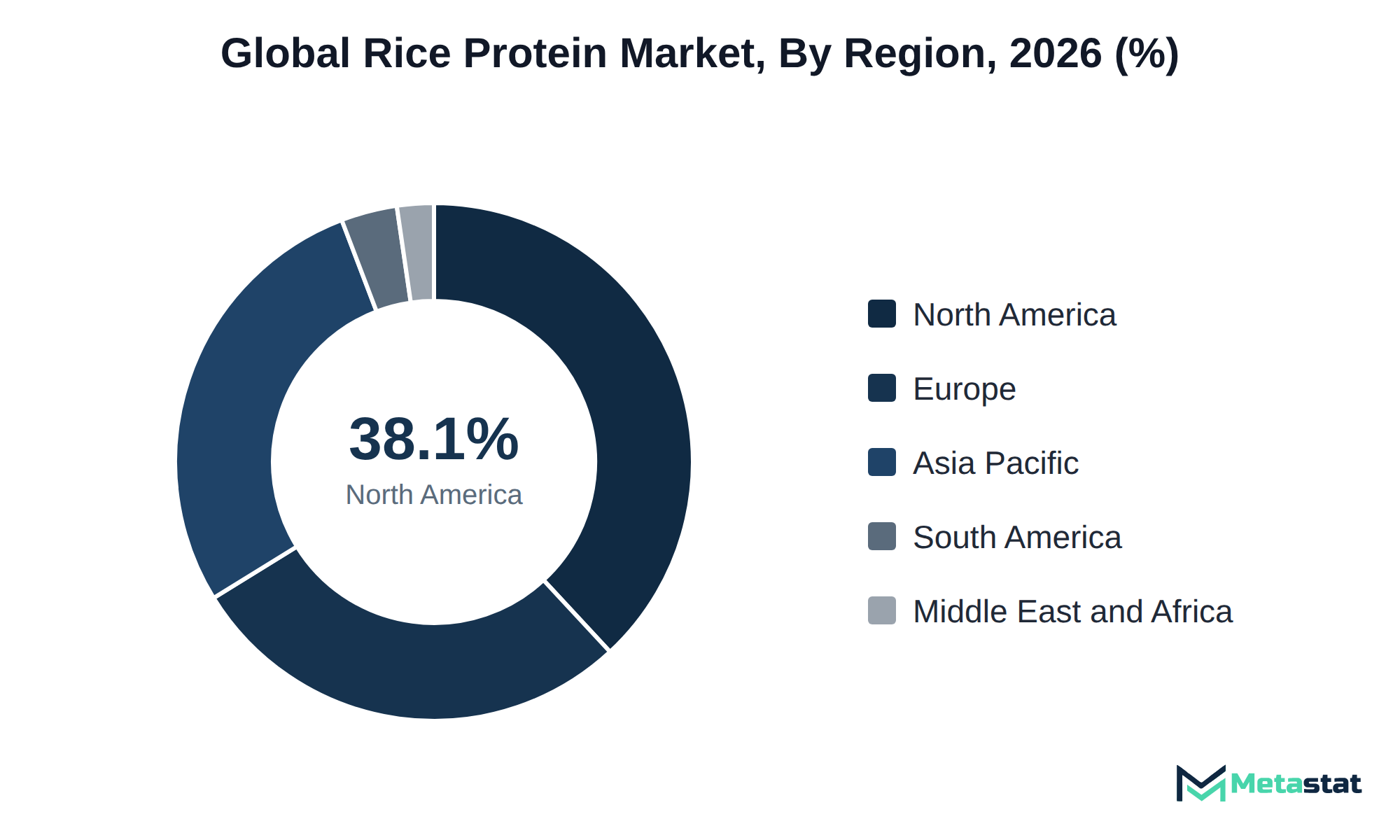
Geographic Lead: North America is the leading region in the rice protein market, holding 38.1% of the market share in 2025, with strong growth driven by consumer preferences for clean-label products.
What's Inside: The report provides a comprehensive analysis of market dynamics, competitive landscape, and detailed forecasts from 2026 to 2033, covering various product types, certifications, and applications.
Emerging Trends: The rise in demand for organic rice protein products highlights a significant growth opportunity, driven by consumer preferences for sustainability and clean-label ingredients.
Technological Advancements: Innovations in protein extraction technologies are enhancing production efficiency and product quality, supporting broader adoption of rice protein in various formulations.
Choose Your License
Global Rice Protein Market
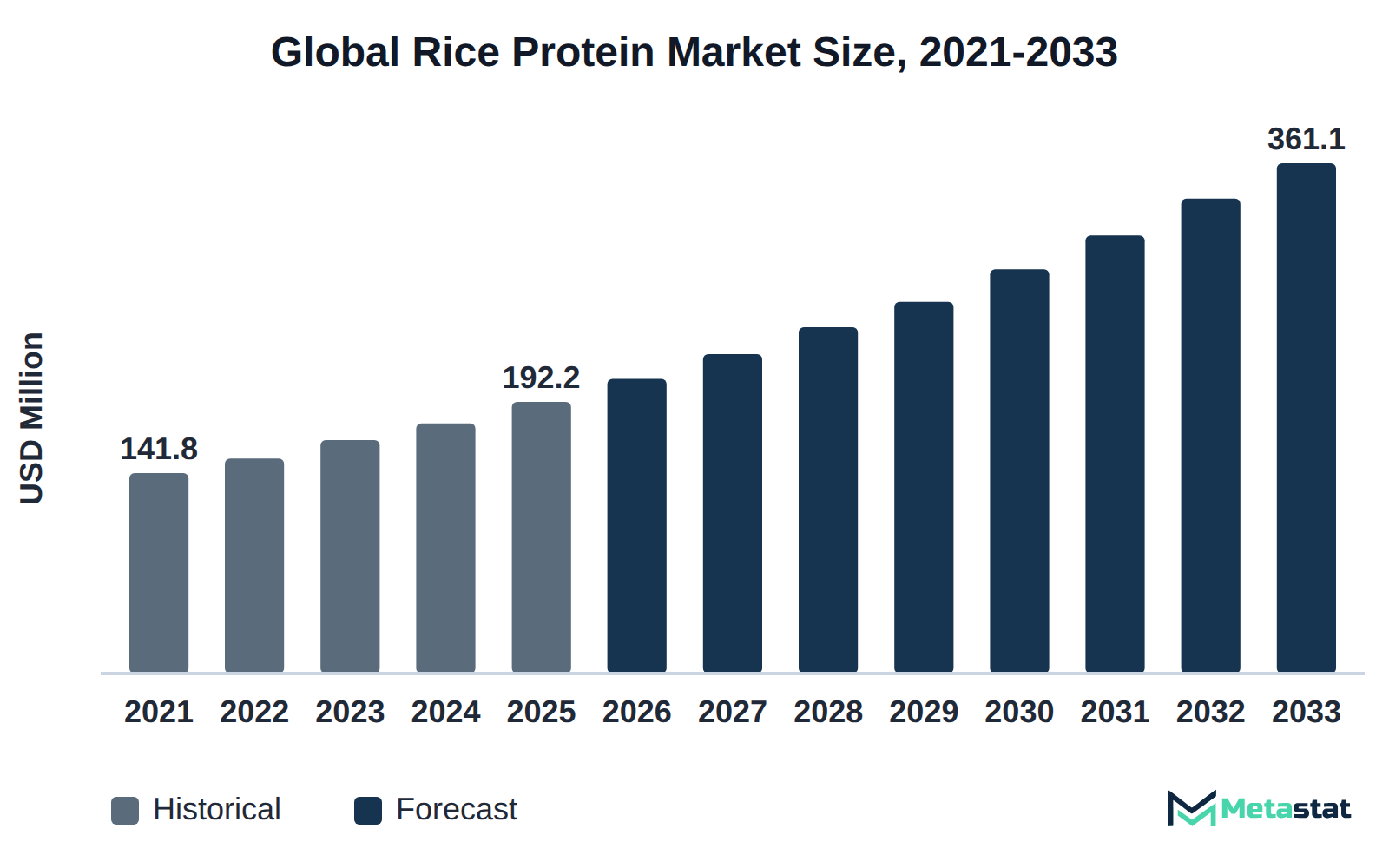
The global Rice Protein market was valued at USD 192.2 million in 2025 and is projected to reach USD 361.1 million by 2033, growing at a CAGR of 8.2% over the forecast period.
The Rice Protein market encompasses a range of protein products derived from rice, primarily in various food and beverage applications. Buyers invest in rice protein due to its high nutritional value, versatility, and suitability for consumers seeking plant-based protein options. The market serves a diverse clientele, including manufacturers of dietary supplements, food products, and alternative protein sources, which contributes to the increasing demand for rice protein products.
Growth in the market is driven by several factors, with rising consumer awareness of health and wellness significantly influencing purchasing decisions. Rice protein isolates hold the most value, reflecting a clear trend towards high-purity protein ingredients in food formulations. North America holds 38.1% of the market in 2025, with the US leading in 2026. The demand for clean-label products continues to rise, further boosting the adoption of rice protein across various industries.
In addition to North America, Europe and Asia Pacific represent significant regional shares, accounting for 28.1% and 28% of the market, respectively. This distribution indicates a balanced demand across key markets, with specific growth opportunities arising in health-focused applications. The market expands due to innovations in product formulations and increasing consumer preferences for plant-based alternatives.
The Rice Protein market addresses the growing demand for plant-based protein alternatives across various sectors, including food and beverage, dietary supplements, and health products. Buyers invest in rice protein for its nutritional benefits, functional properties, and versatility in applications. Increasing consumer awareness of health and nutrition drives the adoption of rice protein products across varied dietary preferences and requirements.
Among the segments, Rice Protein Isolates represent the highest value, reflecting their strong demand in health-focused applications. The market experiences significant growth influenced by the rising popularity of vegan and vegetarian diets, which emphasize the importance of alternative protein sources.
Plant-based protein products continue to gain traction, supporting the expansion of the Rice Protein market. The diverse applications across sports nutrition, beverages, and snacks enhance the overall appeal of rice protein. Growing consumer preferences for clean-label products further contribute to the market's expansion, with buyers seeking transparency in ingredient sourcing and processing.
Clear rice protein hydrolysates enhance the formulation of ready-to-drink beverages by providing an appealing texture and improved solubility. These hydrolysates exhibit high digestibility, making them suitable for consumers seeking convenient and nutritious options. The segment of rice protein hydrolysates is projected to reach USD 73.1 million by 2033, reflecting increasing interest in clean-label products within the rice protein market.
Consumer demand for protein-enriched beverages drives the adoption of these hydrolysates in various applications. The ability to integrate these hydrolysates easily into formulations gives beverage manufacturers a competitive edge. Growing health consciousness among consumers positions ready-to-drink beverages fortified with rice protein hydrolysates as an attractive option for those pursuing balanced diets and active lifestyles.
The expansion of this formulation capability contributes to market growth by attracting health-focused consumers and reinforcing the trend of protein fortification in beverages. Clear rice protein hydrolysates are an important innovation that improves product offerings and meets changing consumer preferences.
Organic certification is a significant factor in shaping procurement practices within the Rice Protein market. Buyers prioritize certified organic rice protein due to heightened consumer demand for transparency and sustainability in food sourcing. The organic segment is projected to reach USD 210.9 million by 2033, reflecting a compound annual growth rate (CAGR) of 8.5%. This growth indicates a strong trend among consumers favoring organic products, compelling suppliers to ensure compliance with organic standards.
Batch testing ensures product quality and safety in the procurement process. Buyers engage in rigorous testing protocols to verify that rice protein products meet established quality benchmarks. This careful approach safeguards consumer health and enhances brand reputation in a competitive market. The focus on quality assurance translates into operational investment for suppliers, leading to improved trust with buyers.
The relationship between organic certification and batch testing influences pricing strategies and contract negotiations. Suppliers who uphold organic standards and demonstrate consistent quality through batch testing secure long-term contracts and premium pricing. Quality assurance processes therefore help suppliers build buyer relationships and drive revenue growth within the market.
Blending rice protein with pea protein enhances formulation flexibility, meeting diverse consumer preferences in the Rice Protein market. The unique amino acid profiles of these proteins complement each other, resulting in a balanced and nutritious product suitable for various applications, including sports supplements and plant-based food alternatives. This combination addresses the increasing demand for plant-based protein sources, driven by health-conscious consumers and the growing trend toward vegetarian and vegan diets.
Innovative formulations that incorporate rice and pea protein blends cater to a consumer base that increasingly seeks clean-label products with minimal ingredients. Manufacturers focusing on these blends capitalize on the rising trend of protein fortification in food and beverage products, thereby expanding their market presence.
Rice protein isolates and hydrolysates play distinct roles in sports nutrition, impacting performance and recovery. Market data indicates that rice protein isolates hold a projected value of USD 164.7 million by 2033, reflecting their strong position in the sports nutrition segment. These isolates deliver a high protein concentration, making them suitable for athletes seeking muscle recovery and growth. In contrast, hydrolysates, while less prominent in revenue, offer faster absorption rates due to their pre-digested state, enhancing amino acid availability post-exercise.
The commercial consequence of these differences positions isolates as the preferred option for those prioritizing protein content, while hydrolysates cater to consumers focused on rapid recovery. Understanding these nuances allows manufacturers and retailers to tailor their offerings to specific buyer needs, driving growth in both product categories. This strategic approach ensures that suppliers effectively meet the demands of a diverse consumer base in the sports nutrition segment.
Growing consumer preference for plant-based protein sources drives spending within the food and beverage sectors. Health-conscious individuals, particularly millennials and Generation Z, increasingly seek nutritious options that align with their dietary choices. This shift towards plant-based diets fuels demand for rice protein products as functional ingredients in various applications, including supplements, beverages, and meat alternatives. Rising adoption of rice protein among health-focused consumers results in increased volume and pricing pressure across the market.
Ongoing trends in dietary habits, including a move towards veganism and vegetarianism, further enhance market growth. Food manufacturers respond by reformulating products to meet this changing demand, incorporating rice protein to improve nutritional profiles and product appeal. The continued emphasis on clean-label products strengthens rice protein's position within the market.
Emerging technologies in protein extraction enhance the efficiency and yield of rice protein production. Innovations focused on enzyme-based extraction methods and membrane filtration techniques improve the separation and purification processes. These advancements enable suppliers to produce higher-quality rice protein products while reducing production costs. Enhanced extraction methods attract food and beverage manufacturers seeking to incorporate rice protein into diverse formulations, including supplements and alternative dairy products. The drive for cleaner production processes aligns with the growing consumer demand for transparency and sustainability in food sourcing. Increased production efficiency leads to lower market prices, encouraging broader adoption among manufacturers. The Rice Protein market is projected to expand significantly, supported by advancements that optimize resource utilization and minimize waste. As food manufacturing shifts toward health and wellness, innovative extraction technologies play a larger role in shaping market dynamics.
High prices for raw materials significantly impact the Rice Protein market, creating barriers for small and medium-sized companies. Buyers within the sports and dietary supplements segment experience slower uptake due to high costs associated with sourcing rice protein. This pricing pressure leads to smaller orders and delayed product launches, directly affecting revenue growth for manufacturers. The disparity between premium pricing and the availability of less expensive plant-based protein alternatives creates reluctance among buyers to commit to rice protein products. Increased awareness of these alternatives further compounds the challenge, with consumers choosing substitutes perceived as more cost-effective. Consequently, higher costs restrict overall demand, hinder broader market adoption, and may curtail long-term growth. Adaptation strategies for buyers involve reassessing product formulations and exploring alternative sources, which influences the competitive dynamic within the market.
Rising input costs exert pressure on suppliers within the market. Increased prices for raw materials, particularly rice, significantly impact production margins. Suppliers experience heightened costs associated with sourcing and processing, which affects profit margins and operational viability. In response, several suppliers are exploring strategic partnerships with local farmers to secure more stable pricing and reliable supply chains.
Several suppliers invest in advanced technologies to improve production efficiency, aiming to mitigate the effects of rising costs. Implementing innovative processing techniques enhances yield and reduces waste, presenting a more sustainable approach to cost management. This shift allows suppliers to maintain competitive pricing while ensuring quality, ultimately benefiting the market growth trajectory.
Growing interest in organic rice protein products highlights a significant opportunity within the market. This growth aligns with increasing consumer demand for clean-label and sustainably sourced ingredients, particularly among health-conscious buyers. To capitalize on this trend, manufacturers enhance their product offerings by focusing on organic certifications, which appeal to environmentally aware consumers. The emphasis on organic rice protein aligns with broader market trends emphasizing health and sustainability. Targeting this segment supports revenue growth and strengthens brand loyalty among consumers who prioritize organic products. Producers that expand organic lines are better placed for future market developments.
The Global Rice Protein market is segmented based on Product Type, Certification, Raw Material Source, and Application.
Rice Protein Isolates segment is valued at USD 99.6 million in 2026 and is projected to reach USD 164.7 million by 2033, at a CAGR of 7.4% during the forecast period. This segment primarily serves the food and beverage industry, particularly in sports and dietary supplements, where high protein content is essential for performance and recovery. Increased health consciousness among consumers drives demand for nutritious and plant-based options, influencing the growth of this segment. Compared to Rice Protein Concentrates, which hold a projected value of USD 116 million by 2033, Rice Protein Isolates exhibit a slightly lower growth rate. Isolates, however, command a higher price point due to their purity and protein content. This dynamic highlights shifts in consumer preference toward premium protein sources, impacting purchasing decisions within the market.
Rice Protein Concentrates is estimated to reach USD 116 million by 2033, at a CAGR of 7.7% during the forecast period. This segment finds application in various food products, dietary supplements, and health-focused formulations, appealing to health-conscious consumers seeking high-quality plant-based protein sources. Demand for Rice Protein Concentrates is driven by increasing awareness of the benefits of plant-based nutrition, particularly among athletes and fitness enthusiasts. The segment exhibits a growth rate that reflects a strong market response, distinct from Rice Protein Isolates, which show a comparatively slower growth trajectory. The pricing structure of Rice Protein Concentrates tends to be lower than that of isolates, attracting a broader range of buyers, including small and medium-sized enterprises focusing on cost-effective protein solutions. The ongoing shift toward plant-based diets further enhances the segment's relevance in the evolving market landscape.
This segment primarily serves sports nutrition products, dietary supplements, and food applications requiring enhanced digestibility and improved amino acid profiles. The demand for rice protein hydrolysates is driven by increasing consumer awareness of health and wellness, promoting protein-rich diets. Compared to other product types, including rice protein isolates and concentrates, this segment exhibits a distinct growth trajectory with a higher concentration on specialized nutritional applications. The CAGR for rice protein hydrolysates remains competitive, reflecting evolving consumer preferences toward high-quality, digestible protein sources, while the price point aligns favorably within the market, ensuring accessibility for various buyer groups. Overall, rising demand for protein supplementation in diverse food and beverage categories positions this segment for significant growth.
The Others (Textured Rice Proteins) segment is projected to grow at a CAGR of 11.6% during the forecast period. This segment caters to various applications, including meat alternatives and snacks, appealing to health-conscious consumers and those seeking plant-based options. The demand for textured rice proteins receives support from the increasing shift towards vegan and vegetarian diets, influencing purchasing decisions in sectors including food production and dietary supplements. Compared to other product types, this segment exhibits faster growth, driven by innovative product formulations that enhance texture and functionality. The unique characteristic of textured rice proteins differentiates it from isolates and concentrates, allowing for diverse applications in food products. This segment's rising popularity reflects broader trends within the Rice Protein market, emphasizing the significance of texture and taste in plant-based offerings.
This segment primarily serves health-conscious consumers and athletes seeking high-quality protein sources for supplementation and meal replacement. The increasing consumer inclination towards organic products drives substantial demand for organic rice protein, reflecting a broader trend towards healthier eating. Compared to other segments, organic rice protein typically commands a higher price and attracts preference from buyers focused on sustainability and clean labeling. This segment distinguishes itself with a stronger growth trajectory, supported by a CAGR of 8.5%, compared to the conventional rice protein segment, which grows at a CAGR of 7.7%. Overall, the organic segment aligns with the rising market trend towards natural and organic food products, enhancing its potential for significant expansion.
Conventional certification is estimated to reach USD 150.2 million by 2033, at a CAGR of 7.7% during the forecast period. This segment finds application in various food and beverage products, serving consumers seeking protein sources that do not require organic certification. Demand for conventional rice protein often stems from cost-sensitive buyers, including manufacturers of sports supplements and processed food, who prioritize price over certification status. This segment benefits from a broader market appeal due to its lower production costs compared to organic alternatives. While organic rice protein products attract premium pricing and niche markets, conventional options favor mass-market consumption, contributing to a steady growth trajectory. The distinct buyer profile for this segment reflects significant differentiation from organic products, which require stricter farming practices and higher input costs.
Brown Rice (Whole Grain) segment is valued at USD 142.3 million in 2026 and is projected to reach USD 234.1 million by 2033, at a CAGR of 7.4% during the forecast period. This sub-segment primarily serves the food and beverage sector, especially for consumers seeking plant-based protein sources. Demand within this segment is driven by increasing awareness of nutritional benefits associated with whole grain products. Compared to other raw material sources, Brown Rice (Whole Grain) maintains a competitive edge in pricing and consumer preference, contributing to its anticipated growth rate. In contrast, White Rice (Endosperm) shows a higher CAGR of 9.6%, indicating a more rapid growth trajectory, while Rice Bran (Separated) presents lower utilization in specific applications. Whole grain rice protein appeals particularly to health-conscious consumers, which positions this segment favorably in the Rice Protein market.
White Rice (Endosperm) segment is estimated to reach USD 108 million by 2033, at a CAGR of 9.6% during the forecast period. This segment finds application primarily in the production of protein supplements, dietary products, and various food formulations. Demand in this segment is driven by the increasing preference for alternative protein sources among health-conscious consumers and athletes. This preference enhances the popularity of white rice protein among manufacturers of sports and dietary supplements, especially given its favorable amino acid profile. The segment shows faster growth compared to others due to its appealing nutritional benefits and versatility in various applications. Pricing for white rice protein tends to be competitive, making it attractive to manufacturers seeking cost-effective solutions for protein enrichment, distinct from higher-priced organic alternatives that cater to niche markets. This growing acceptance positions it favorably within the broader Rice Protein market.
Rice Bran (Separated) segment is expected to reach USD 19 million by 2033. This segment finds application in various food products and nutritional supplements, capturing interest from health-conscious consumers and manufacturers seeking natural protein sources. Demand for rice bran is driven by its nutritional profile, particularly its fiber and vitamin content, appealing to both the health and wellness sector and the food industry. Compared to other raw material sources, rice bran differs by presenting a lower market share and growth trajectory; it does not exhibit the same expansion rates as brown rice and white rice segments, which are projected to grow at CAGRs of 7.4% and 9.6%, respectively. This lower growth restricts its market penetration, yet its targeted use in niche applications keeps it relevant within the overall rice protein market.
Sports and Dietary Supplements segment is valued at USD 76.1 million in 2026 and is projected to reach USD 134.7 million by 2033, at a CAGR of 8.5% during the forecast period. This segment serves fitness enthusiasts and individuals seeking healthier lifestyle options, primarily focusing on protein supplementation to support muscle recovery and overall health. Increased awareness of the benefits of plant-based proteins fuels demand in this area, with consumers actively seeking alternatives to animal protein sources. This segment experiences faster growth compared to others due to strong alignment with health and wellness trends. Sports nutrition and dietary supplements face lower price resistance, with buyers prioritizing quality and effectiveness over cost. The market's expansion reflects growing recognition of rice protein as a viable alternative, driven by its unique attributes that differentiate it from traditional protein sources.
Beverages and Dairy Alternatives segment is estimated to reach USD 74 million by 2033, at a CAGR of 8.9% during the forecast period. This segment caters to health-conscious consumers seeking plant-based options in beverages and dairy products, including plant-based milk. The increasing demand for lactose-free and dairy-free alternatives significantly influences this segment, attracting buyers including fitness enthusiasts and individuals with dietary restrictions. Compared to other segments, this category exhibits a strong growth trajectory due to the shift towards healthier lifestyles and the rising popularity of veganism. With the market expanding, beverage manufacturers increasingly incorporate rice protein to enhance nutritional profiles and appeal to a broader audience. The Beverages and Dairy Alternatives segment benefits from advancements in formulation techniques, allowing for improved taste and texture, which further drives adoption across various applications.
Bakery, Snacks and Confectionery segment is expected to reach USD 52.6 million by 2033. This segment serves various applications, primarily in the production of baked goods, snacks, and confectionery items, appealing to health-conscious consumers and food manufacturers. Demand for rice protein in this segment is driven by increasing consumer preferences for plant-based ingredients and the rising trend of healthier food options. Compared to other segments, the Bakery, Snacks and Confectionery segment exhibits different growth dynamics, with a lower emphasis on protein content than applications including Sports and Dietary Supplements. Its growth trajectory remains stable, supported by evolving consumer habits and the ongoing shift toward healthier alternatives in the food industry. The market continues to see innovation in product formulations, enhancing the appeal of rice protein in diverse culinary applications.
The Meat Alternatives and Extenders segment is projected to grow at a CAGR of 9% during the forecast period. This segment finds extensive use in the production of meat substitutes and extenders, appealing to health-conscious consumers and individuals following plant-based diets. The rising demand for protein-rich food options significantly contributes to its growth, driven by a shift toward vegetarian and vegan lifestyles. Health considerations shape consumer preferences, leading to increasing adoption among fitness enthusiasts and the general population. Compared to other segments, this area exhibits more rapid growth due to heightened consumer awareness regarding the benefits of plant-based proteins over traditional meat products. This segment's distinct positioning in the market sets it apart from others, focusing on innovative formulations and texture improvements, which ensure a competitive edge in an evolving food landscape.
Infant and Medical Nutrition encompasses products designed to meet the dietary needs of infants and individuals requiring medical support. This segment attracts buyers primarily from healthcare and nutrition industries, emphasizing the need for alternative protein sources that align with dietary restrictions. Factors influencing this segment include increasing health consciousness and a growing demand for plant-based protein options. Consumer awareness regarding the benefits of rice protein, including its hypoallergenic properties, drives adoption in infant nutrition. Compared to other segments, this application exhibits a higher price point due to the specialized formulation and quality standards required. Regulatory compliance in food safety and nutritional claims adds complexity to product development and market entry. The Rice Protein market sees this application gaining traction among manufacturers focusing on health-oriented formulations.
Animal Feed and Pet Food incorporates rice protein as a nutritional component in animal diets, particularly for pets and livestock. This segment appeals to manufacturers aiming to enhance the protein content of their animal feed products. Growing consumer awareness regarding the health benefits of high-quality protein for pets drives demand. Suppliers emphasize the advantages of rice protein, including digestibility and allergen-friendly properties, catering to a market increasingly focused on natural ingredients. Compared to other segments, this sub-segment reflects unique positioning, attracting buyers who prioritize nutrition and quality in animal feed products. While other segments experience varying growth rates, the demand for protein-rich formulations in animal nutrition presents a consistent opportunity. Innovations in formulation techniques and a shift towards premium pet food products position this segment for steady progress within the market.
Cosmetics and Personal Care segment uses rice protein for its functional and beneficial properties, appealing to manufacturers seeking natural and plant-based ingredients. This application serves personal care products including lotions, shampoos, and cosmetics, attracting consumers prioritizing clean label products. Drivers for this segment include increasing consumer demand for natural ingredients and health-focused formulations, influencing product development. Compared to other segments, this application stands out due to its unique emphasis on natural and organic certifications, aligning with broader trends in sustainability and wellness. The rice protein market experiences significant growth potential in the cosmetics and personal care sector, driven by evolving consumer preferences and innovative formulations.
Pharmaceutical excipients and fermentation nutrients apply rice protein in various applications, catering to the needs of the pharmaceutical and biotechnology industries. This sub-segment serves as an essential ingredient in the formulation of drugs, enhancing bioavailability and stability. Increased emphasis on the development of plant-based products drives demand for rice protein in these applications. Regulatory shifts favoring natural ingredients in pharmaceuticals contribute to this segment's growth potential. Compared to other segments, this sub-segment experiences slower growth due to stringent regulatory requirements and the need for extensive testing and validation processes. In contrast, segments including sports and dietary supplements typically attract quicker adoption due to fewer barriers in consumer acceptance and a larger market share. The rice protein market continues to evolve, with advancements in processing technologies and formulations enhancing the versatility and appeal of rice protein across various applications.
Based on geography, the Global Rice Protein market is divided into North America, Europe, Asia-Pacific, South America, Middle East, and Africa.
Demand for rice protein in North America is driven by the growing interest in plant-based diets and health-conscious consumer behavior. The market benefits from robust infrastructure dedicated to health and wellness, particularly in the United States, Canada, and Mexico. Key industries including sports nutrition and dietary supplements heavily influence market dynamics, reflecting an increasing market for protein alternatives. By the end of 2033, North America is projected to reach USD 127.4 million. In 2025, the region is expected to hold a share of 38.1% in the global rice protein market, highlighting its important role in the industry. Market players in this region are strategically positioned to meet the rising demand, focusing on innovative product development and marketing to cater to evolving consumer preferences.
The Rice Protein market in Europe experiences significant demand driven by the growing health and wellness trend among consumers. An increasing number of individuals seek plant-based protein sources, particularly in fitness and dietary supplement sectors. The market in this region benefits from a robust regulatory framework that supports organic certifications, enhancing product appeal. Germany, France, and the UK stand out as key countries where consumer preferences for clean-label and sustainable food products gain traction. Spain and Italy contribute to the demand through their food and beverage industries, which increasingly incorporate rice protein in various formulations. By 2025, Europe accounts for a 28.1% share of the global market, reflecting strong growth prospects in the coming years, with expectations of continued expansion through 2033.
In the Asia-Pacific region, rice protein has gained traction due to increasing demand from the sports and dietary supplements sector. Major countries including China, Japan, and India contribute significantly to the growth, driven by a rising health-conscious population seeking plant-based protein alternatives. The infrastructure supporting food and beverage innovation remains robust in these countries, enhancing market accessibility. The market anticipates a share of 28.0% in 2025, reflecting strong uptake of rice protein products across diverse applications. Regulatory standards promoting organic certification further reinforce consumer confidence, positioning the rice protein market for expansion through 2033.
In South America, the rice protein market exhibits unique characteristics influenced by regional dietary trends and nutritional needs. Brazil and Argentina represent the primary countries driving demand for rice protein products, particularly in the sports and dietary supplements sector. Health-conscious consumers increasingly seek plant-based protein alternatives, contributing to the market's growth. The region holds a 3.5% share of the global market in 2025. Economic factors, including the rising cost of traditional protein sources, increase interest in rice protein. The demand for rice protein is expected to increase further due to expanding applications across various food segments, including beverages and snacks, enhancing the overall growth potential of the rice protein market.
The presence of rice protein in the Middle East and Africa reflects a growing interest in alternative protein sources, particularly among health-conscious consumers. Rising adoption of plant-based diets fuels demand from health and fitness sectors, especially in Saudi Arabia and the UAE. This interest drives innovation in product offerings, particularly in dietary supplements and food alternatives. The market benefits from a relatively low-cost structure, enhancing competitiveness. Regulatory frameworks that support health-focused initiatives contribute to market growth. The region's share of the global market stands at 2.3% in 2025, highlighting its evolving role in the rice protein market. In South Africa, increasing consumer awareness of nutrition shapes demand dynamics, offering further growth potential in this segment.
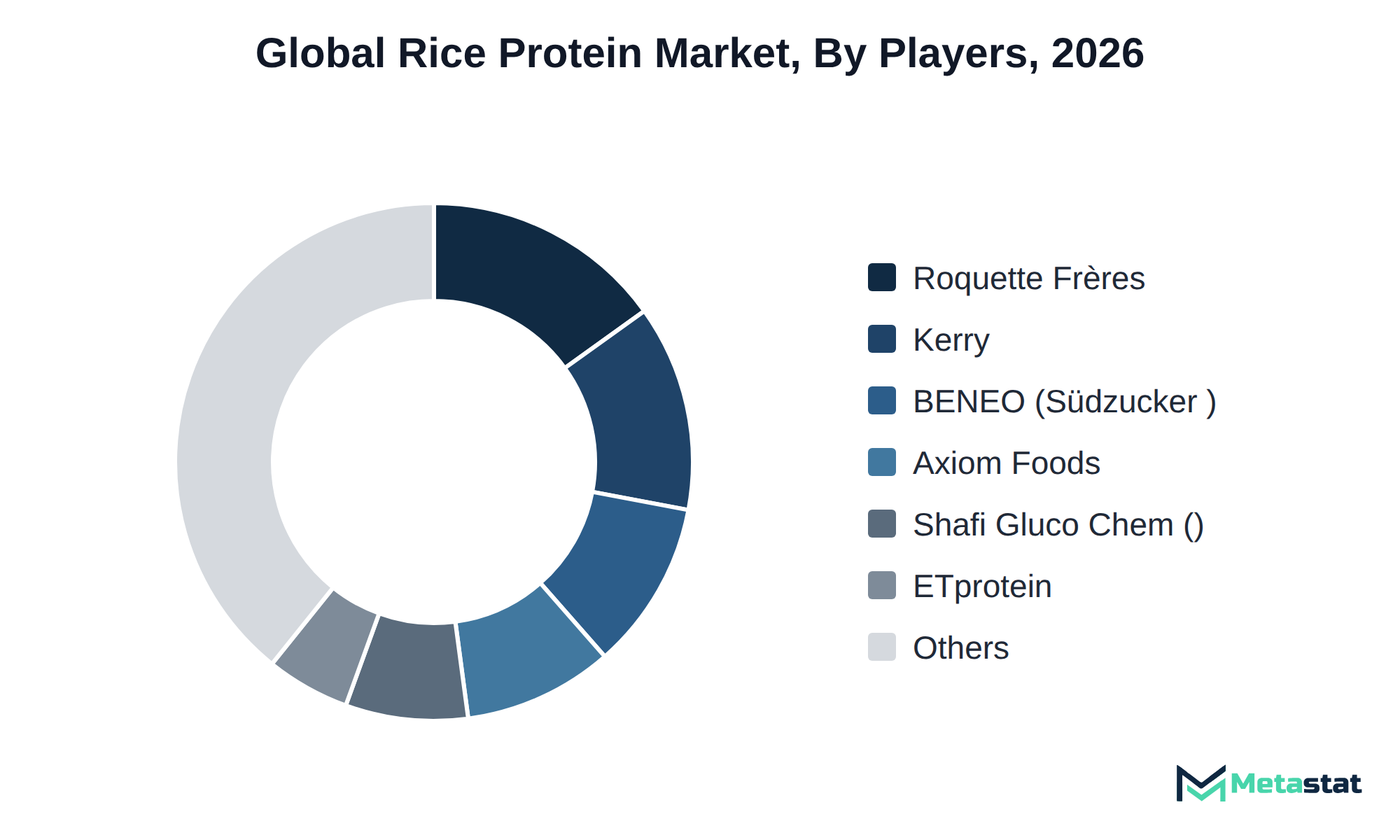
The competitive environment in the Rice Protein market features a range of companies specializing in different product types and certification options. Key players focus on various segments, including rice protein isolates and concentrates, while certification, including organic and conventional, influences buyer decisions. Pricing and customization options further affect competitive positioning, impacting market share and profitability.
Axiom Foods, Inc. emphasizes organic rice protein products, appealing to health-conscious consumers. Kerry Group plc offers a diverse portfolio, catering to various applications, including sports supplements and meat alternatives. BENEO GmbH operates within multiple segments, focusing on high-quality rice protein ingredients that align with consumer trends in nutrition, enhancing its competitive edge.
Achieving this growth requires several key developments. First, increasing consumer demand for organic rice protein is expected to drive market expansion, particularly within the Organic certification segment, projected to rise from USD 119.2 million in 2026 to USD 210.9 million by 2033 at a CAGR of 8.5%. On the risk side, fluctuations in the availability and cost of raw materials, particularly brown rice, present a challenge. Escalating raw material prices could hinder growth in the rice protein market, limiting revenue potential and affecting overall market dynamics.
By Product Type: Rice Protein Isolates, Rice Protein Concentrates, Rice Protein Hydrolysates, Others (Textured Rice Proteins)
By Certification: Organic, Conventional
By Raw Material Source: Brown Rice (Whole Grain), White Rice (Endosperm), Rice Bran (Separated)
By Application: Sports and Dietary Supplements, Beverages and Dairy Alternatives, Bakery, Snacks and Confectionery, Meat Alternatives and Extenders, Infant and Medical Nutrition, Animal Feed and Pet Food, Cosmetics and Personal Care, Others (Pharmaceutical Excipients, Fermentation Nutrients)
The report strategically identifies and profiles the key market players and analyses their core competencies in each sub-segment of the Rice Protein market.
Report Attributes | Details |
Study Period | 2021-2033 |
Base Year | 2025 |
Estimated Year | 2026 |
Forecast Period | 2026-2033 |
Historical Period | 2021-2025 |
Growth Rate | CAGR 8.2% from 2026 to 2033 |
Revenue Unit | USD million |
Segmentation | By Product Type, Certification, Raw Material Source, Application, and Region |
By Region | North America (By Product Type, Certification, Raw Material Source, Application, and Country)
|
Europe (By Product Type, Certification, Raw Material Source, Application, and Country)
| |
Asia Pacific (By Product Type, Certification, Raw Material Source, Application, and Country)
| |
South America (By Product Type, Certification, Raw Material Source, Application, and Country)
| |
Middle East and Africa (By Product Type, Certification, Raw Material Source, Application, and Country)
|
Find answers to common questions about this report
The Rice Protein market size was valued at USD 192.2 million in 2025.
The market is projected to grow at a CAGR of 8.2% during the forecast period from 2026 to 2033.
The North America Rice Protein market size is estimated to reach USD 127.4 million by 2033.
Rice Protein Isolates lead the market with a value of USD 99.6 million in 2026. This segment demonstrates the highest growth potential compared to others, with a projected CAGR of 7.4%.
Growing consumer preference for plant-based protein sources drives spending within the food and beverage sectors. The rising adoption of rice protein among health-focused consumers results in increased volume and pricing pressure across the market.
North America holds the dominant share of the Rice Protein market, with a value of USD 127.4 million projected for 2033, representing 38.1 percent of the total market. This region surpasses others in market share, including Europe and Asia Pacific.
High prices for raw materials significantly impact the market, creating barriers for small and medium-sized companies. Increased costs associated with sourcing rice protein lead to smaller orders and delayed product launches, directly affecting revenue growth for manufacturers.
Several factors favor adoption in the rice protein industry. The growing consumer preference for plant-based protein sources drives demand, particularly among health-conscious individuals. advancements in protein extraction technologies enhance production efficiency, attracting food manufacturers to incorporate rice protein into various applications.
The Rice Protein market is estimated to reach a valuation of USD 361.1 million by 2033.
Key players operating in the Rice Protein market include Axiom Foods, Inc., ETprotein, BENEO GmbH (Südzucker Group), Roquette Frères, Kerry Group plc, and Ashland Inc.
The analysts below cover Food and Beverages research at Metastat Insights.
LEAD ANALYST
Utkarsh Khirodkar is a Lead Market Research Analyst at MetaStat Insight, specializing in market intelligence, technology sector assessments, and competitive strategy.

LEAD PRINCIPAL ANALYST, PHARMA AND HEALTHCARE
Food and Beverages · Healthcare · Healthcare IT · Medical Devices
Ajay Devgire is the Lead Healthcare Analyst at MetaStat Insight, leading strategic research and market intelligence initiatives across the global healthcare domain.

SENIOR RESEARCH ANALYST
Biotechnology · Food and Beverages · Medical Devices · Packaging
Snehal Pasalkar is a Research Analyst at MetaStat Insight, operating at the intersection of life sciences research, competitive strategy, and market intelligence.
Tracking maintenance cycle demand for secondary flight display units and terrain collision avoidance systems across regional jet fleets involves complex aftermarket dynamics. MetaStat Insight provided practical analysis separating airline retrofit programs from OEM forward-fit production schedules in North America and Southeast Asia. The supplier matrix highlighted component obsolescence timelines without resorting to vague generalizations. The dataset served as a dependable reference during our annual program review meetings.
Evaluating secondary resin quality across post-consumer packaging streams requires reliable technical segmentation. MetaStat Insight delivered an objective assessment that distinguished between extrusion-grade flake pricing and optical sorting throughput limitations across Western Europe. The competitive positioning breakdown for licensed depolymerization technology providers answered several questions during our feedstock feasibility audit. Their team clarified regional trade restrictions on mixed plastic scrap quickly when our team submitted follow-up requests.
Evaluating sovereign cloud deployments for core banking platforms demands a clear view of data residency regulations and migration exit strategies. MetaStat Insight delivered an exhaustive review of regional latency tolerances, mainframe decommission milestones, and third-party vendor concentration risk. The regulatory compliance mapping across European and Asian financial jurisdictions gave our team a dependable baseline for multi-cloud infrastructure discussions.
Explore related market intelligence reports worth reading alongside this one.