
Discover the critical questions to ask when assessing U.S. Property and Casualty Insurance TPA suppliers to ensure they meet your organizational needs.
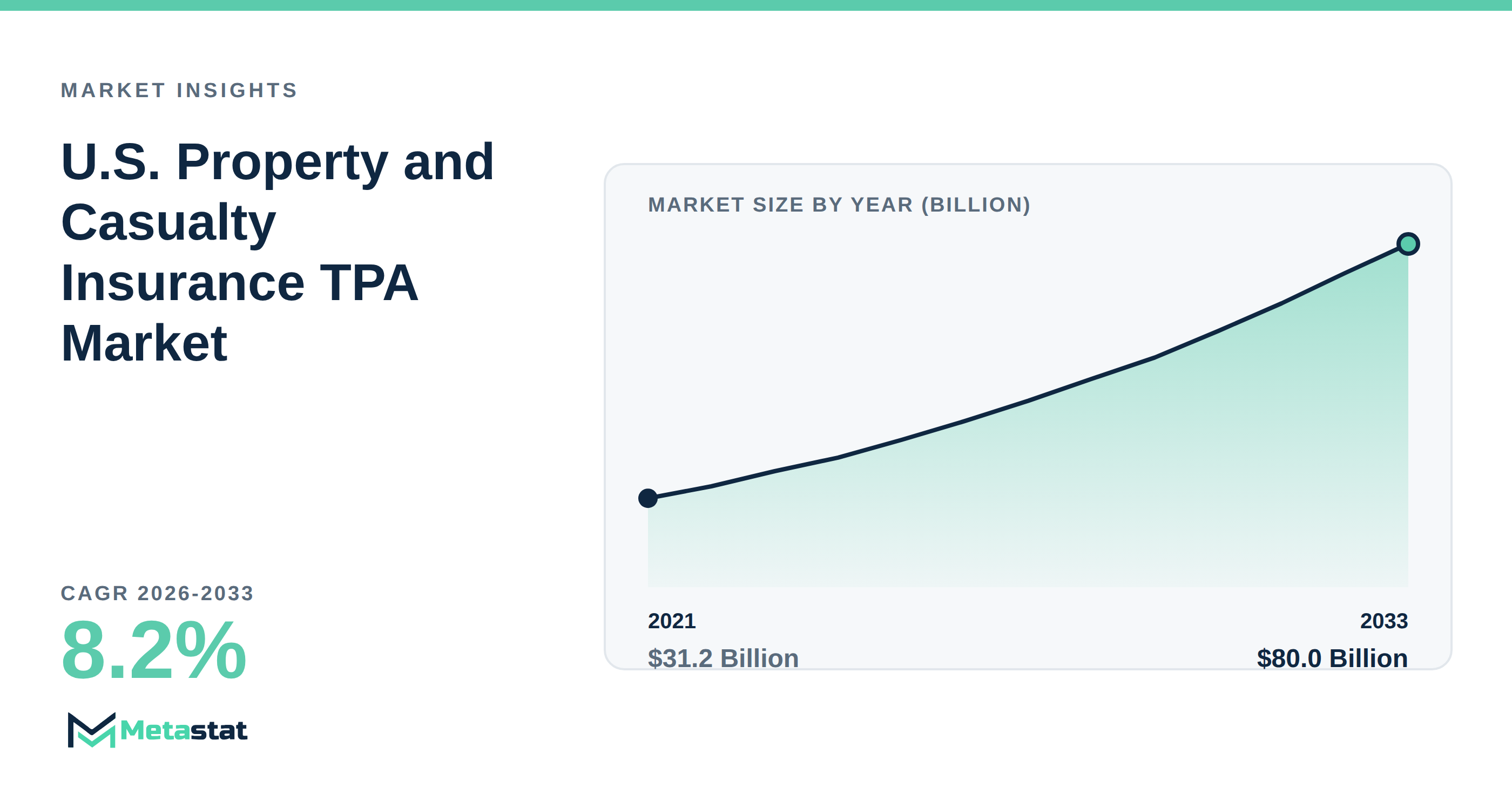
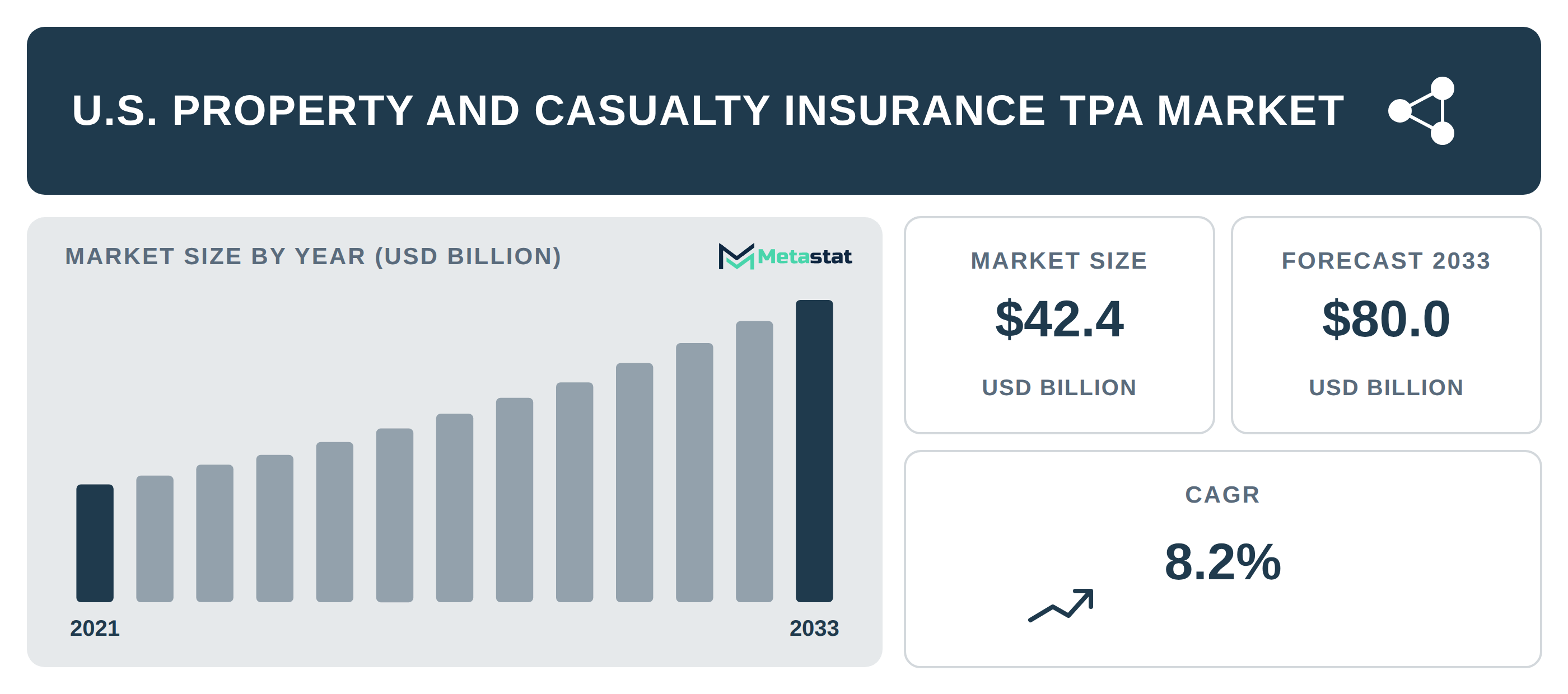
When engaging with suppliers in the market for U.S. Property and Casualty Insurance TPA, buyers ask incisive questions to ensure they select a provider that aligns with their operational needs and strategic goals. Six critical queries highlight what to expect from potential partners in managing claims and delivering efficient administrative services. The full figures are in our U.S. Property and Casualty Insurance TPA market size and forecast report.
1. How do you enhance claims management efficiency?
Inquire about the specific technological tools and processes suppliers employ to streamline claims management. Efficient claims processing significantly reduces administrative burdens and enhances customer satisfaction. Suppliers that invest in automation and advanced analytics substantially reduce processing times and improve accuracy. This ultimately leads to better service delivery. Organizations seeking to optimize claims management should prioritize partnerships with providers that demonstrate robust technological integration.
2. What pricing models do you offer, and how do they align with our budget?
Understanding the pricing strategies of U.S. Property and Casualty Insurance TPA suppliers is essential. Buyers should determine whether suppliers provide flexible pricing options, including fee-for-service contracts or capitation models. These arrangements enable organizations to control costs while maintaining essential services. Transparent pricing encourages trust in the working relationship, and suppliers that adapt their pricing to meet client needs establish a competitive advantage.
3. How do you manage and mitigate fraud?
The prevalence of fraudulent claims impacts financial health, so buyers should prioritize fraud prevention strategies. Inquire about the technologies suppliers utilize for fraud detection, including advanced algorithms to analyze data for irregularities. Suppliers with robust fraud management systems help protect an organization’s financial well-being and reputation, making this a key consideration when evaluating a TPA partner.
4. Can you provide examples of customized services for our specific needs?
Buyers should seek suppliers that demonstrate their ability to tailor services to unique organizational requirements. Several suppliers specialize in particular sectors, allowing them to deliver more relevant and effective solutions. Understanding how a TPA adapts its offerings based on industry-specific challenges significantly influences operational efficiency, and suppliers that demonstrate flexibility are likely to provide enhanced value.
5. How do you handle litigation costs, and what strategies do you employ for cost containment?
Litigation management is vital for organizations navigating complex legal landscapes. Buyers should ask how suppliers approach litigation costs and whether they implement proactive measures to mitigate these expenses. Suppliers with established litigation management protocols improve operational efficiency, enabling clients to allocate resources effectively while addressing legal obligations. This focus not only supports an organization’s financial health but promotes a culture of risk management.
6. What innovative technologies do you leverage in your claims processing?
The integration of cutting-edge technology plays a significant role in enhancing claims processing within the U.S. Property and Casualty Insurance TPA sector. Buyers should evaluate suppliers on their use of artificial intelligence, machine learning, and data analytics to improve accuracy and speed in claims management. By adopting innovative technologies, TPAs streamline workflows, minimize errors, and significantly enhance customer experiences. Organizations should consider suppliers that consistently invest in technological advancements, as they are likely to maintain a competitive edge in a rapidly changing landscape.
By posing these targeted questions, buyers in the market for U.S. Property and Casualty Insurance TPA make informed decisions when selecting suppliers. Understanding how potential partners approach claims management, pricing, fraud prevention, customization, litigation, and technology will empower organizations to navigate their insurance needs and improve overall operational efficiency.
Tags
About the Authors

LEAD ANALYST
Utkarsh Khirodkar is a Lead Market Research Analyst at MetaStat Insight, specializing in market intelligence, technology sector assessments, and competitive strategy.

PRINCIPAL CONSULTANT - ENTERPRISE AI & EMERGING TECHNOLOGIES
Banking & Finance · Electronics and Semiconductor · Energy and Power · Healthcare IT · Information & Technology · Professional Services
Vijay Gunti is a Principal Consultant at MetaStat Insight, bringing over two decades of experience across enterprise digital transformation, technology strategy, and intelligent systems.