
Explore key factors affecting pricing in the Audio and Video On-Demand Streaming Services sector, from content costs to consumer behaviors.
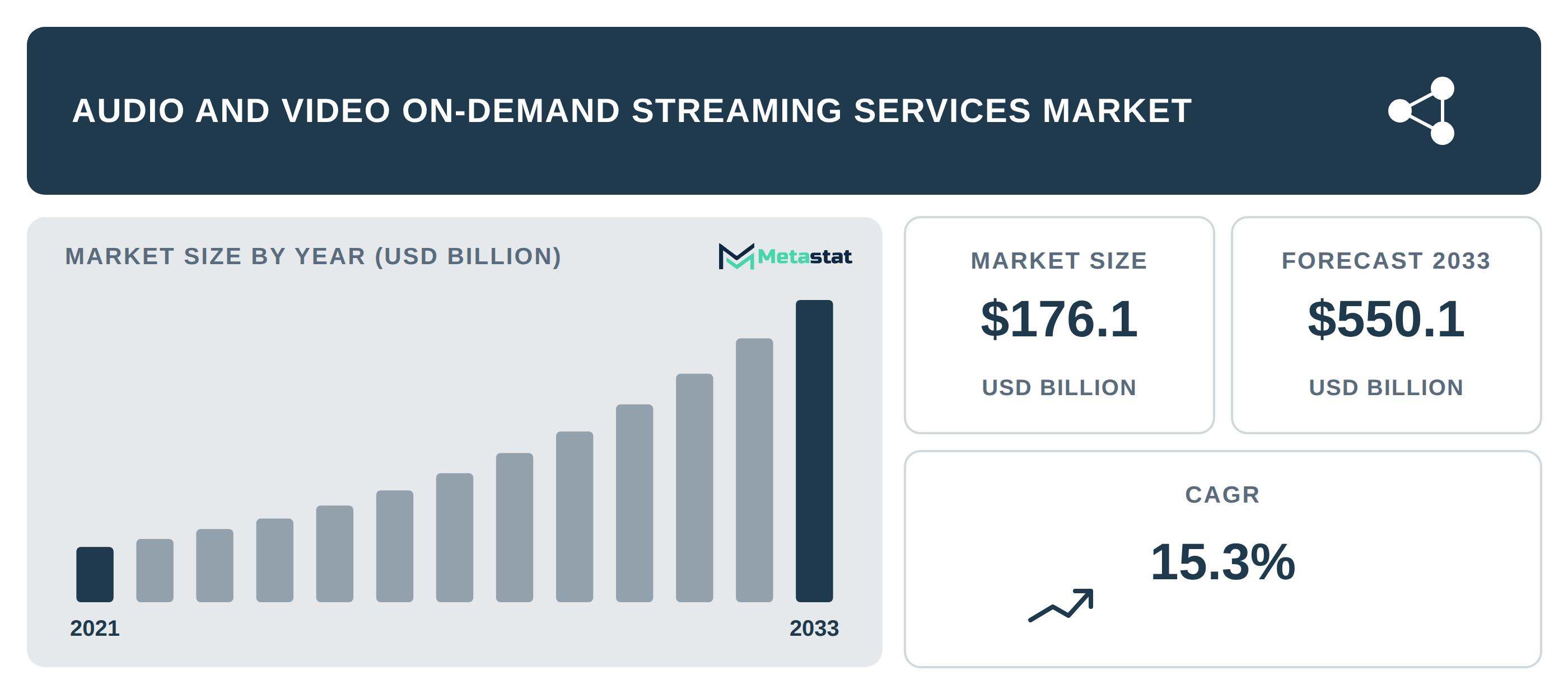
The market for Audio and Video On-Demand Streaming Services reflects a complex structure, shaped by various factors influencing pricing strategies. Gaining insights into what drives these costs is essential for consumers, service providers, and industry stakeholders. This article examines critical elements behind pricing variations in this dynamic sector. Audio and Video On-Demand Streaming Services market size and forecast report offers further details on these trends.
1. Content Licensing Costs Drive Pricing
Content licensing expenses significantly impact operational costs for streaming platforms. Providers strive to secure exclusive rights to popular films and shows, resulting in escalating acquisition costs. These expenses are commonly reflected in higher subscription fees, compelling buyers to assess which platforms deliver the most value. Companies like Netflix and Amazon are investing heavily in original programming, making it crucial for consumers to understand these financial dynamics to make informed choices.
2. Consumer Preferences Influence Pricing Models
Shifts in consumer behavior are reshaping the pricing frameworks in this sector. Many platforms are adopting hybrid monetization strategies, merging subscription fees with advertising revenues. This flexibility attracts a broader audience, especially those favoring cost-effective content access. By providing multiple pricing options, streaming services enhance user engagement, allowing consumers to select models that resonate with their viewing habits.
3. The Rise of Advertising-Supported Services
Advertising-supported streaming platforms are becoming increasingly popular, particularly among cost-conscious users. This segment is anticipated to expand significantly, reflecting a growing trend towards affordable content access. The demand for no-cost options suggests consumers are willing to engage with advertisements instead of paying subscription fees. This shift challenges traditional pricing methods and urges providers to adapt their strategies to capitalize on this growing audience.
4. AI-Powered Personalization Affects Subscription Costs
Advanced artificial intelligence technology significantly influences pricing strategies through tailored viewer experiences. By analyzing user interactions, platforms curate personalized content suggestions, enhancing customer satisfaction and loyalty. This level of personalization allows for premium pricing models in certain subscription tiers. Consumers benefit from improved engagement, while providers carefully balance pricing against the expectations of diverse customer profiles.
5. Device Preferences Impact Accessibility and Costs
The increasing use of smart devices, particularly smartphones and smart TVs, is transforming how consumers access streaming services. With smartphones projected to generate substantial revenues, platforms are optimizing their offerings for mobile compatibility. Conversely, while smart TVs enhance home viewing experiences, they entail higher content costs. Understanding device preferences equips consumers with the knowledge to choose services that align with their accessibility needs and budget.
6. Price Sensitivity Shapes Consumer Choices
Price sensitivity poses a significant challenge for the market for Audio and Video On-Demand Streaming Services. Elevated subscription fees deter potential subscribers, particularly in regions with limited disposable income. Consequently, service providers are refining pricing strategies to appeal to budget-conscious consumers. This involves implementing tiered pricing structures or promotional offerings to attract a wider range of demographics while ensuring content remains accessible.
Ultimately, the pricing strategies within the sector for Audio and Video On-Demand Streaming Services are influenced by several factors, including content acquisition, consumer behavior, and device usage trends. A comprehensive understanding of these dynamics enables buyers to make informed decisions when selecting their streaming services.
Tags
About the Authors

LEAD ANALYST
Utkarsh Khirodkar is a Lead Market Research Analyst at MetaStat Insight, specializing in market intelligence, technology sector assessments, and competitive strategy.

PRINCIPAL CONSULTANT - ENTERPRISE AI & EMERGING TECHNOLOGIES
Banking & Finance · Electronics and Semiconductor · Energy and Power · Healthcare IT · Information & Technology · Professional Services
Vijay Gunti is a Principal Consultant at MetaStat Insight, bringing over two decades of experience across enterprise digital transformation, technology strategy, and intelligent systems.

LEAD CONSULTANT - COMMUNICATION, TELECOM, AND IT
Electronics and Semiconductor · Information & Technology · Machinery & Equipment · Professional Services
Ravindra Sathe Consultants for Communication, Telecom, and IT at MetaStat Insight. He leads the firm's industry research initiatives across telecommunications infrastructure, digital connectivity, enterprise networking, and emerging information technology domains.