
Explore six crucial factors that affect pricing in the B2B Courier Express Parcels market and how buyers leverage them for better deals.
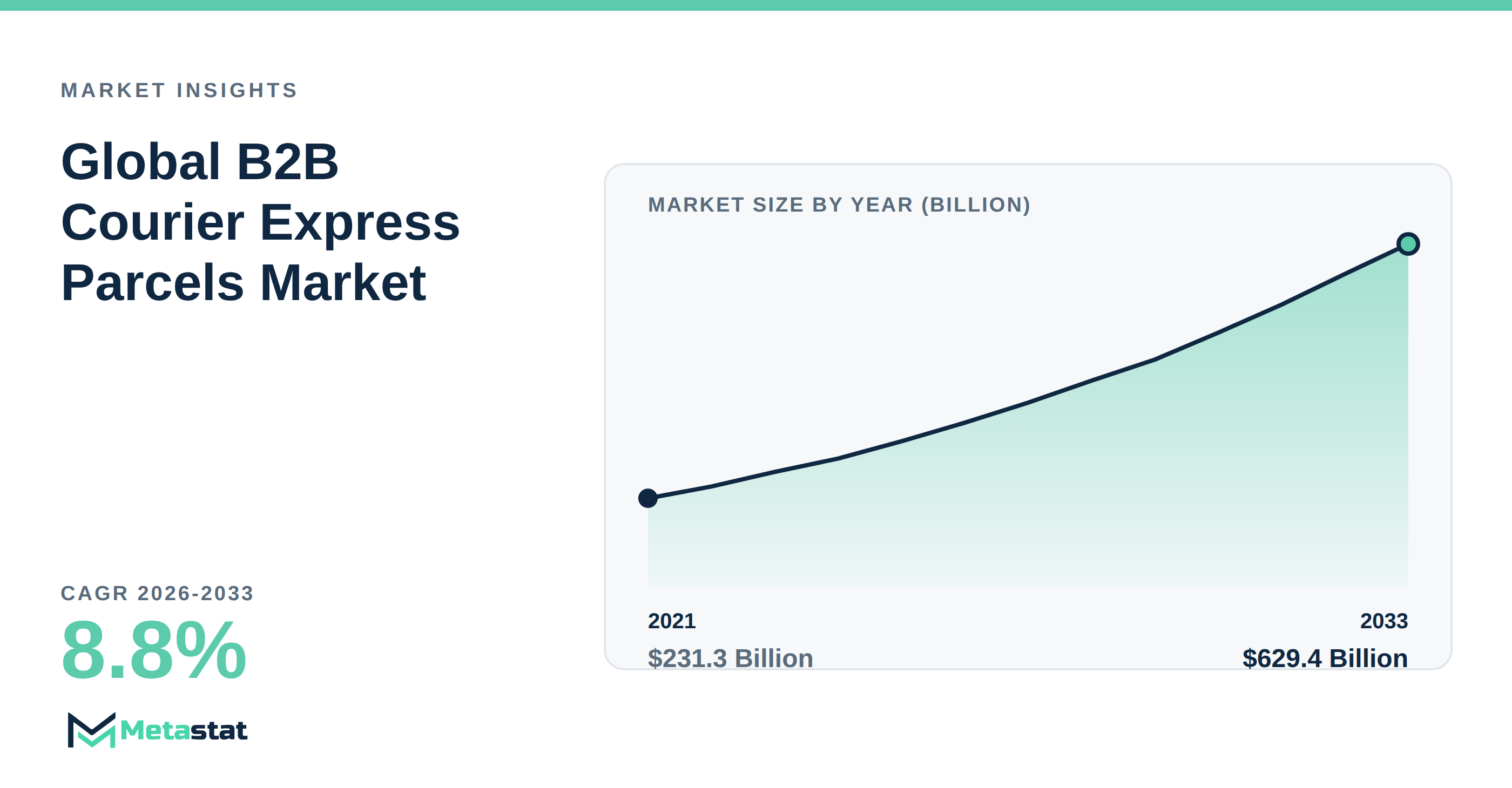
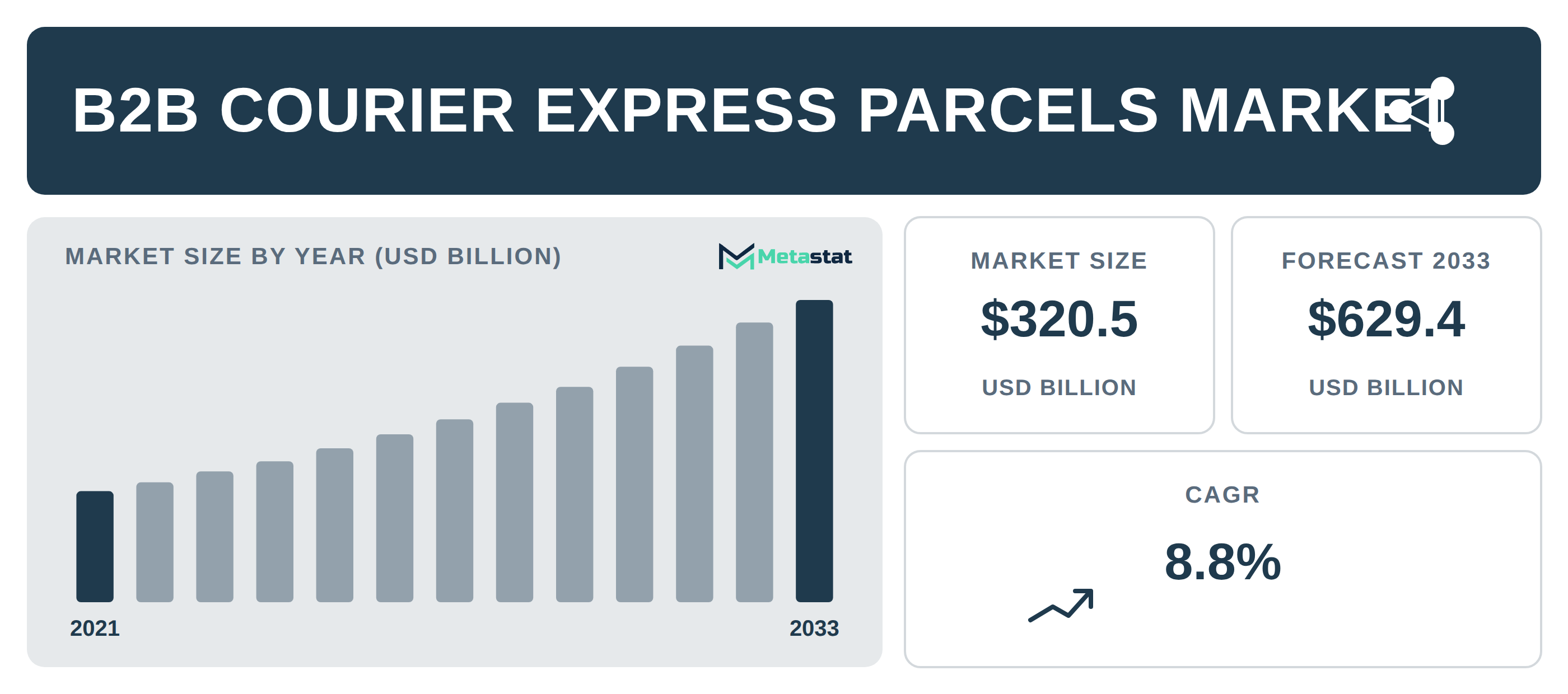
The pricing strategies in the market for B2B Courier Express Parcels are influenced by various factors that affect both operational costs and customer expectations. Understanding these elements is critical for businesses aiming to optimize their logistics investments. Are six key factors that drive pricing in this evolving market. The full figures are in our B2B Courier Express Parcels market size and forecast report.
1. Fuel Prices Impact Operational Costs
Rising fuel costs significantly affect parcel shipment pricing, as courier companies incur increased delivery charges. These expenses often translate into higher prices for buyers, particularly in sectors focused on cost efficiency, including manufacturing. Consequently, businesses alter their procurement strategies, including postponing shipments or exploring alternative logistics options. Adapting to fuel price fluctuations is essential for maintaining profitability while ensuring timely deliveries.
2. Demand for Timeliness Drives Premium Pricing
With customer expectations for rapid deliveries on the rise, businesses increasingly prioritize express services within their logistics strategies. This demand is reflected in the pricing models of same-day and time-definite parcel delivery. Companies willing to invest in these premium services secure a competitive advantage, enhancing customer satisfaction and retention. Buyers should recognize the value of timely delivery and its impact on overall logistics performance, understanding that faster services typically command higher fees.
3. Technology Integration Lowers Costs
Investments in advanced logistics technologies, including AI-powered route optimization and automation, facilitate operational efficiency and lower costs. By streamlining delivery processes, companies reduce pricing for their customers without sacrificing service quality. Businesses leveraging these technological advancements enhance profitability while providing competitive pricing structures. Collaborating with suppliers who implement innovative solutions enables buyers access to improved service levels at more favorable costs.
4. Compliance Costs Affect Pricing Strategies
Compliance with stringent regulations regarding safety, environmental impact, and labor practices incurs additional costs for suppliers. These expenses often lead to higher pricing models for B2B Courier Express Parcels. Suppliers seek strategies to optimize compliance processes, including investing in technology that automates reporting requirements, ultimately reducing the financial burden. Buyers should consider partnering with providers experienced in navigating these regulatory challenges to avoid unexpected costs in their logistics operations.
5. E-commerce Growth Reshapes Pricing Models
The ongoing explosion of e-commerce drives demand for efficient logistics solutions, compelling courier services to adapt their pricing strategies. Companies focused on e-commerce are often more willing to invest in express delivery options, which come with higher price points. As businesses evolve their offerings in response to changing consumer behaviors, understanding the pricing implications of e-commerce becomes crucial for buyers aiming to enhance operational effectiveness.
6. International Shipping Complexity Increases Costs
International shipments present unique challenges that influence pricing due to the complexities involved in navigating customs regulations and varying delivery requirements. Companies engaged in cross-border transactions often face additional logistics costs tied to compliance and documentation. Buyers seeking international services should factor these complexities into their evaluations of courier options, ensuring they select providers with established expertise in international logistics and competitive pricing.
Understanding the factors that influence pricing in the market for B2B Courier Express Parcels enables businesses to make informed decisions regarding their logistics investments. By considering elements including fuel costs, demand for timely services, technology integration, compliance challenges, e-commerce growth, and international shipping complexities, buyers effectively navigate the evolving landscape of parcel delivery.
Tags
About the Authors

LEAD ANALYST
Utkarsh Khirodkar is a Lead Market Research Analyst at MetaStat Insight, specializing in market intelligence, technology sector assessments, and competitive strategy.

ENERGY & INFRASTRUCTURE INDUSTRY CONSULTANT
Automotive and Transportation · Electronics and Semiconductor · Energy and Power · Machinery & Equipment
Saurabh Vasant Ganvir consults for Energy & Infrastructure Industry at MetaStat Insight, specializing in renewable energy, solar EPC, and electric vehicle (EV) infrastructure markets.