
Explore key elements that impact Workforce Management pricing, helping organizations make informed decisions and optimize investments.
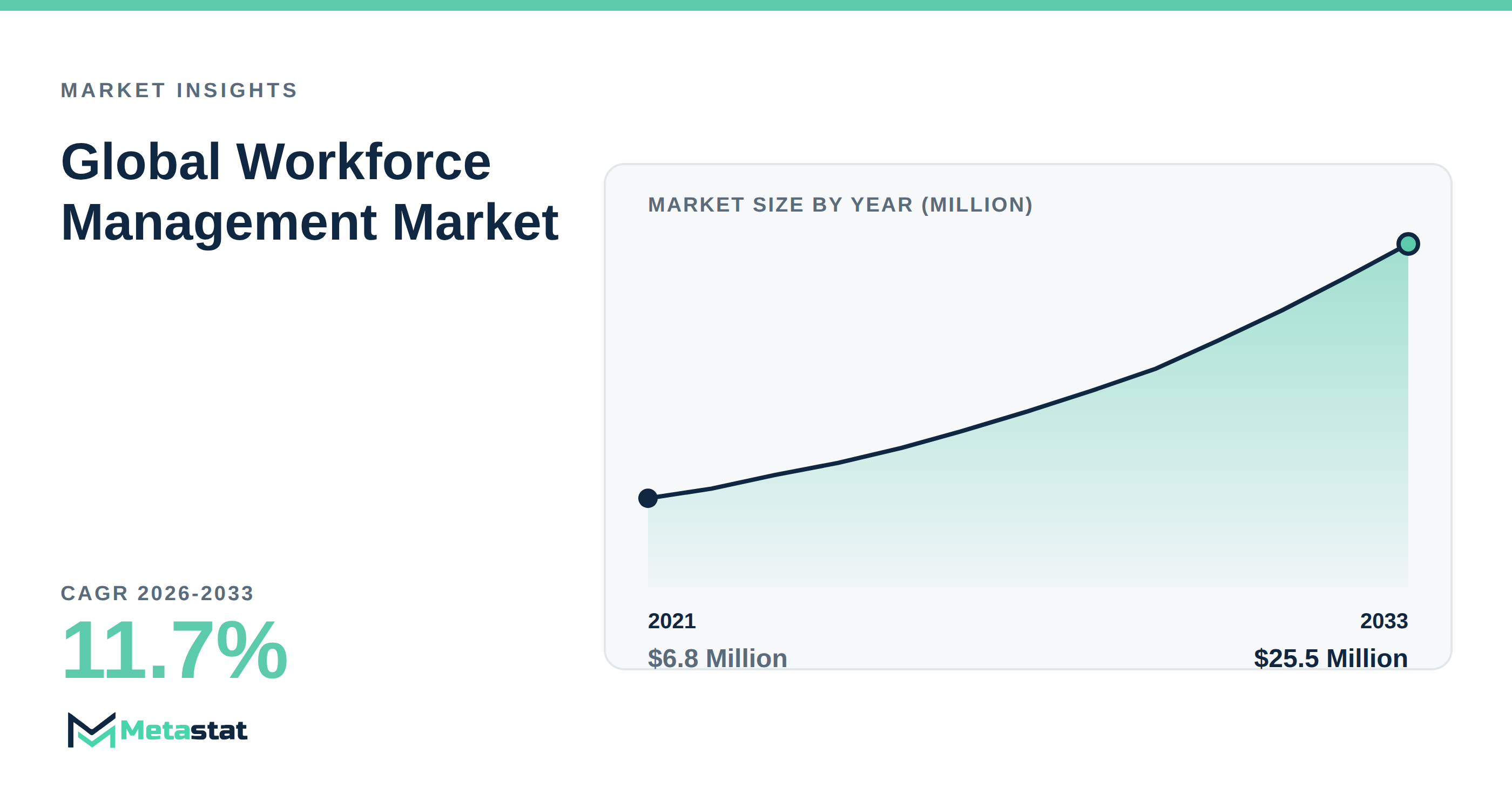
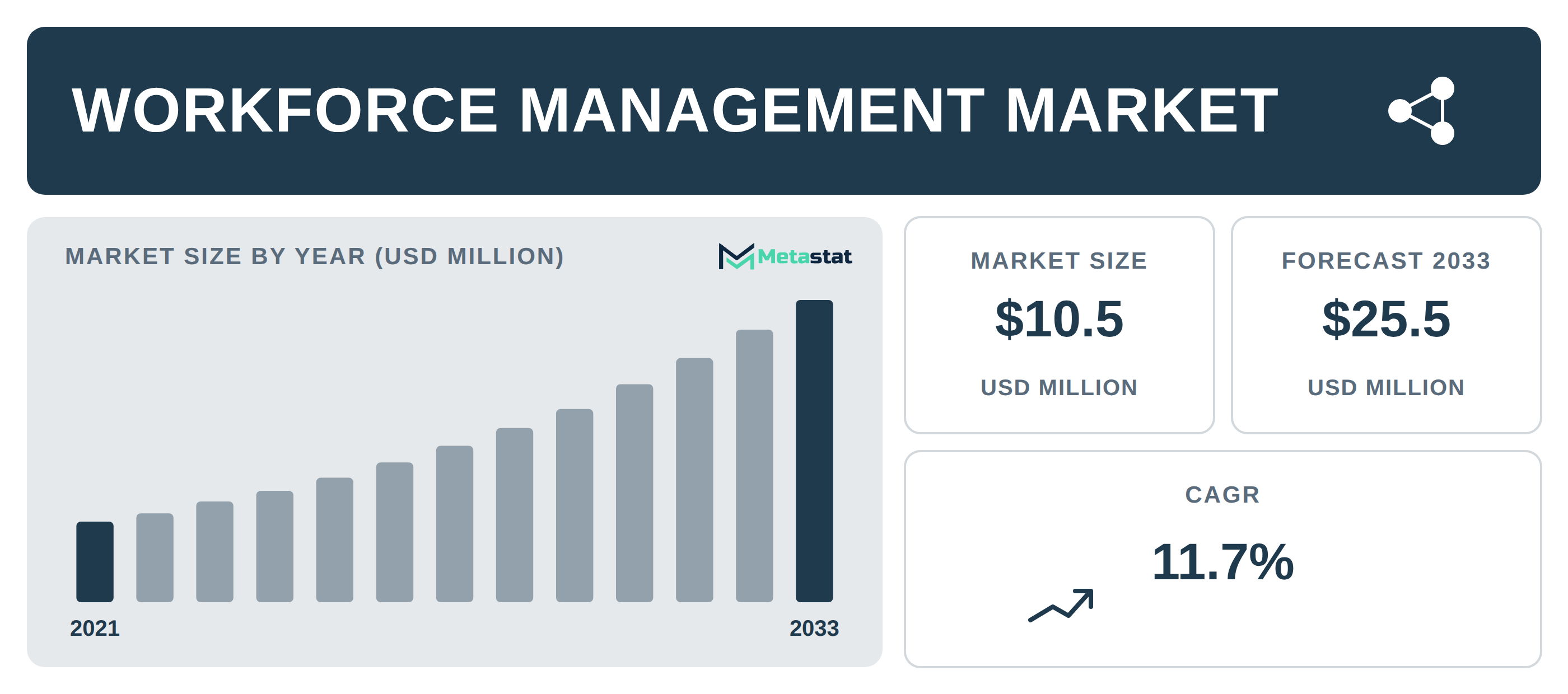
Understanding the pricing structure of Workforce Management solutions is essential for organizations seeking to optimize their workforce strategies. Various factors influence the costs associated with these solutions, and buyers often have leverage over specific aspects. This blog highlights key elements that impact Workforce Management pricing. To gain more insights, consult the Workforce Management market size and forecast report.
1. Cloud-Based Solutions Offer Flexibility
The rise of cloud-based Workforce Management solutions has notably influenced pricing structures. These platforms enable organizations to access scalable technologies without the burden of costly on-premises infrastructure. Businesses benefit from subscription-based models that allow them to align costs with operational needs. This flexibility facilitates budget management, encouraging wider adoption among smaller firms that are more sensitive to price fluctuations.
2. Integration Reduces Long-Term Costs
Integrating Workforce Management solutions with existing payroll and compliance systems leads to substantial long-term savings. By ensuring a smooth data flow between various functionalities, organizations mitigate manual entry errors and administrative burdens. This integration supports improved accuracy in payroll processing, thus influencing the overall costs associated with Workforce Management solutions. Buyers who prioritize integrated systems often realize enhanced operational efficiency and lower ongoing expenses.
3. Demand for Advanced Analytics Drives Pricing
The increasing need for sophisticated analytics within Workforce Management solutions contributes to higher pricing tiers. Organizations increasingly depend on data-driven insights to enhance workforce performance. However, investments in analytics capabilities yield significant returns through improved decision-making and resource management. Consequently, organizations willing to invest in these advanced features find themselves equipped with tools that boost their competitiveness over time.
4. Customization Enhances Value
Customization of Workforce Management solutions introduces additional pricing implications. Tailoring systems to meet specific organizational needs incurs higher initial costs. Nevertheless, this investment often results in improved functionality and user acceptance, ultimately supporting enhanced productivity. Organizations that emphasize customization justify higher upfront expenditures by realizing greater operational efficiencies and user satisfaction in the long run.
5. Vendor Reputation Influences Costs
Established vendors with a strong market presence often command higher prices due to brand recognition and perceived reliability. Companies like UKG Inc. and Automatic Data Processing, Inc. leverage their comprehensive solutions to attract enterprise clients, which factors into their pricing strategies. Buyers typically select these vendors for the assurance of quality and support, recognizing the value that established firms bring to their Workforce Management strategies.
6. Pricing Models Affect Accessibility
The presence of multiple pricing models, including subscription and pay-per-use, influences how organizations approach their Workforce Management investments. Subscription models provide predictable costs, appealing to smaller organizations that prefer straightforward budgeting. In contrast, pay-per-use models suit larger enterprises with fluctuating workforce requirements. Understanding these pricing structures enables organizations to select options that align with their operational needs and financial constraints.
By examining these factors, organizations make informed decisions regarding their Workforce Management investments. With the right strategies in place, businesses navigate pricing complexities and enhance their operational effectiveness.
Tags
About the Authors

LEAD ANALYST
Utkarsh Khirodkar is a Lead Market Research Analyst at MetaStat Insight, specializing in market intelligence, technology sector assessments, and competitive strategy.

PRINCIPAL CONSULTANT - ENTERPRISE AI & EMERGING TECHNOLOGIES
Banking & Finance · Electronics and Semiconductor · Energy and Power · Healthcare IT · Information & Technology · Professional Services
Vijay Gunti is a Principal Consultant at MetaStat Insight, bringing over two decades of experience across enterprise digital transformation, technology strategy, and intelligent systems.

LEAD CONSULTANT - COMMUNICATION, TELECOM, AND IT
Electronics and Semiconductor · Information & Technology · Machinery & Equipment · Professional Services
Ravindra Sathe Consultants for Communication, Telecom, and IT at MetaStat Insight. He leads the firm's industry research initiatives across telecommunications infrastructure, digital connectivity, enterprise networking, and emerging information technology domains.