
Explore the competitive dynamics of the Australia Vacuum Cleaner market, where key players adopt diverse strategies to capture consumer interest and trends.
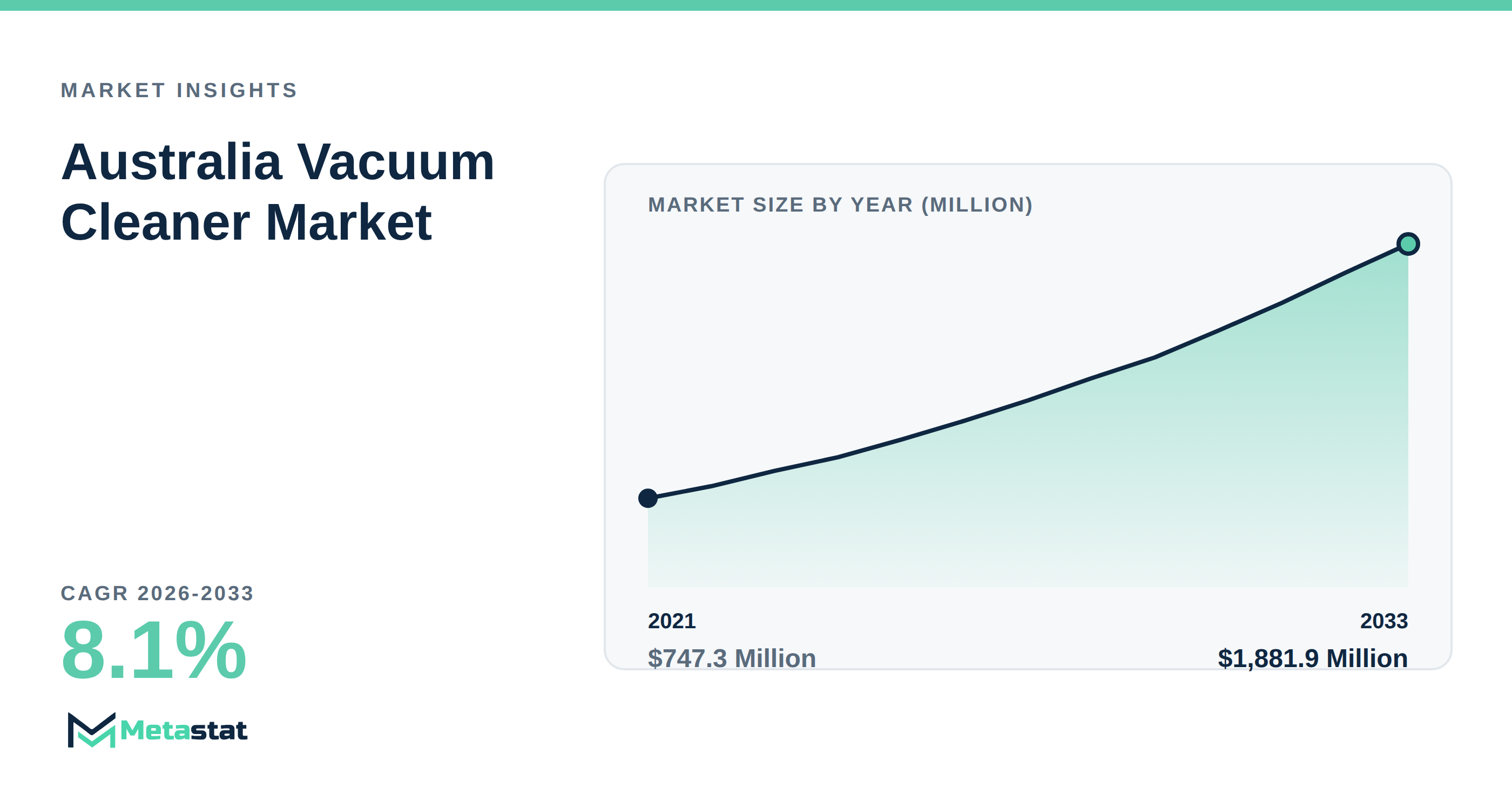
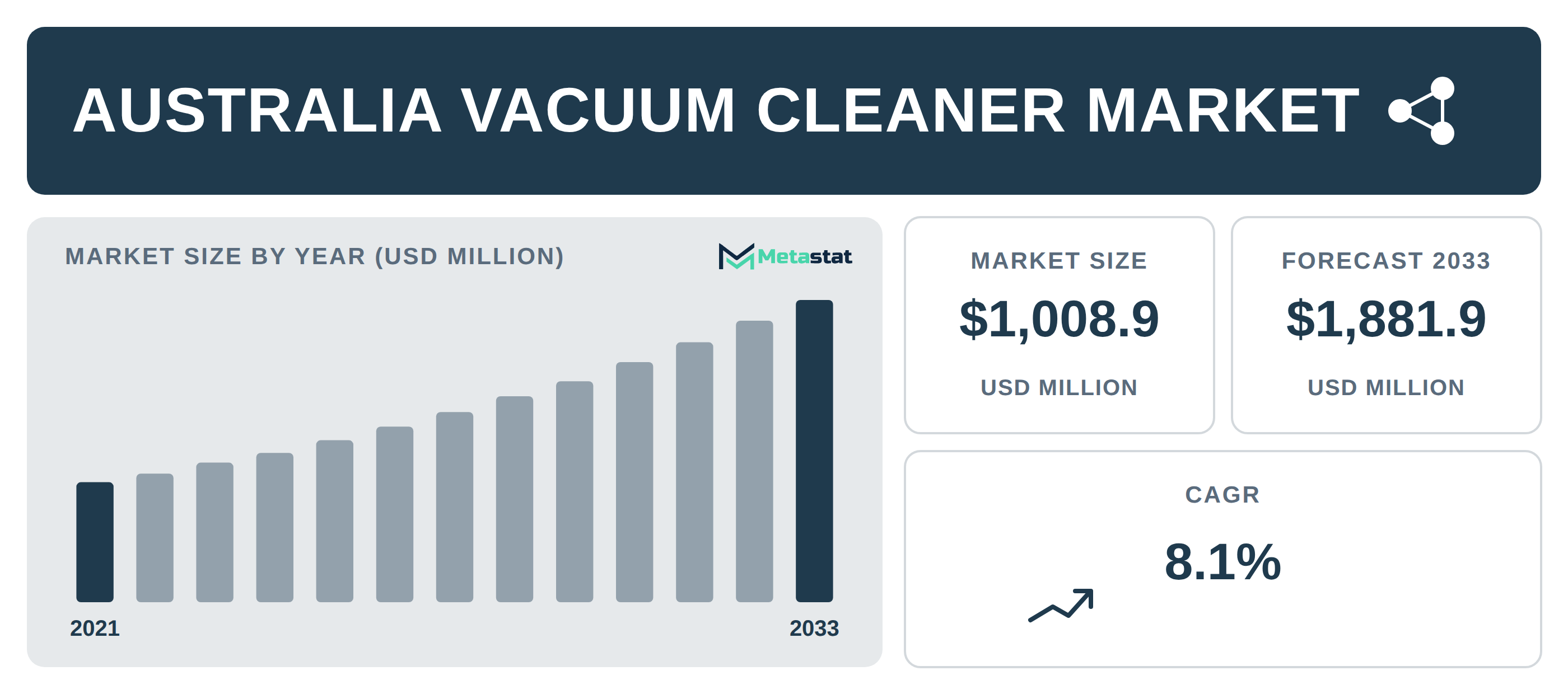
The competitive picture of Australia’s vacuum cleaner landscape is dynamic, with various companies adopting different strategies to capture consumer attention. Understanding how these players position themselves provides insights into the overall competitive environment. The full figures are in our Australia Vacuum Cleaner market size and forecast report.
1. Dyson focuses on innovation and performance
Dyson’s reputation hinges on its ability to combine innovative designs with high-performance technology. The brand continuously invests in research and development, introducing advanced suction capabilities and energy-efficient models. This strategy attracts consumers who prioritize quality and efficiency in their cleaning appliances, allowing Dyson to maintain a strong foothold in the market.
2. SharkNinja targets value-oriented consumers
SharkNinja, Inc. caters to cost-sensitive buyers by providing robust, value-oriented options. The company emphasizes functionality without sacrificing performance, appealing to a broader audience. By positioning itself as an affordable yet effective choice, SharkNinja effectively competes with premium brands, driving significant sales in the residential segment.
3. Miele & Cie. KG delivers premium durability
Miele & Cie. KG stands out in the Australia vacuum cleaner landscape by promoting its commitment to durability and quality. Targeting consumers who are willing to invest in high-end products, Miele emphasizes superior design and longevity. This positioning helps attract discerning buyers looking for reliable, long-lasting cleaning solutions.
4. Samsung and LG leverage technology integration
Samsung Electronics Co., Ltd. and LG Electronics Inc. capitalize on technological advancements to enhance their vacuum cleaner offerings. By integrating smart features and connectivity options, these brands appeal to tech-savvy consumers interested in smart home solutions. This strategy aligns with broader consumer trends, providing an edge in a competitive landscape where innovation drives preference.
5. ECOVACS leads in robotic vacuum automation
ECOVACS Robotics Co., Ltd. has carved a niche in the growing robotic vacuum segment. The company focuses on automation and convenience, offering products equipped with smart sensors and self-emptying capabilities. This advancement captures the interest of busy households seeking efficient cleaning solutions, allowing ECOVACS to attain a substantial share in the automation-focused segment.
6. Online retail channels reshape buying behaviors
The rise of online retail channels is reshaping how consumers approach their purchasing decisions. Brands with established online presences witness substantial growth. Companies providing comprehensive product information and customer reviews online successfully attract residential buyers who prioritize convenience and informed choices. This shift emphasizes the necessity for traditional retailers to adapt to evolving shopping dynamics.
This competitive landscape of Australia’s vacuum cleaner sector illustrates the diverse strategies from key players, each positioned to meet distinct consumer needs. The need for innovation and value is evident, alongside the growing importance of adapting to changing buying behaviors, particularly in the sphere of online shopping.
Tags
About the Author

LEAD ANALYST
Utkarsh Khirodkar is a Lead Market Research Analyst at MetaStat Insight, specializing in market intelligence, technology sector assessments, and competitive strategy.