
Explore key dynamics shaping the competitive landscape of printed circuit boards, from regional strengths to material challenges.
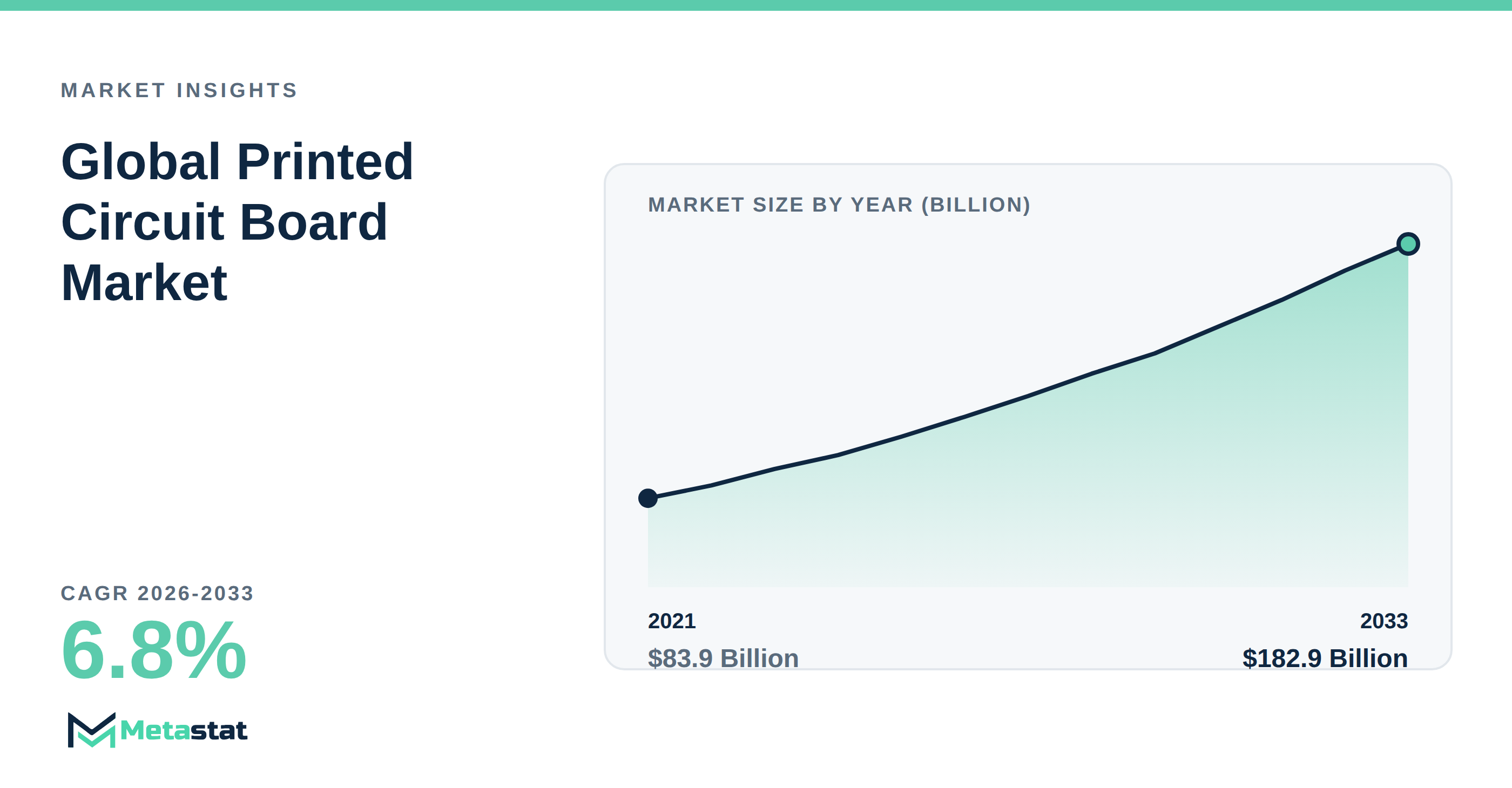
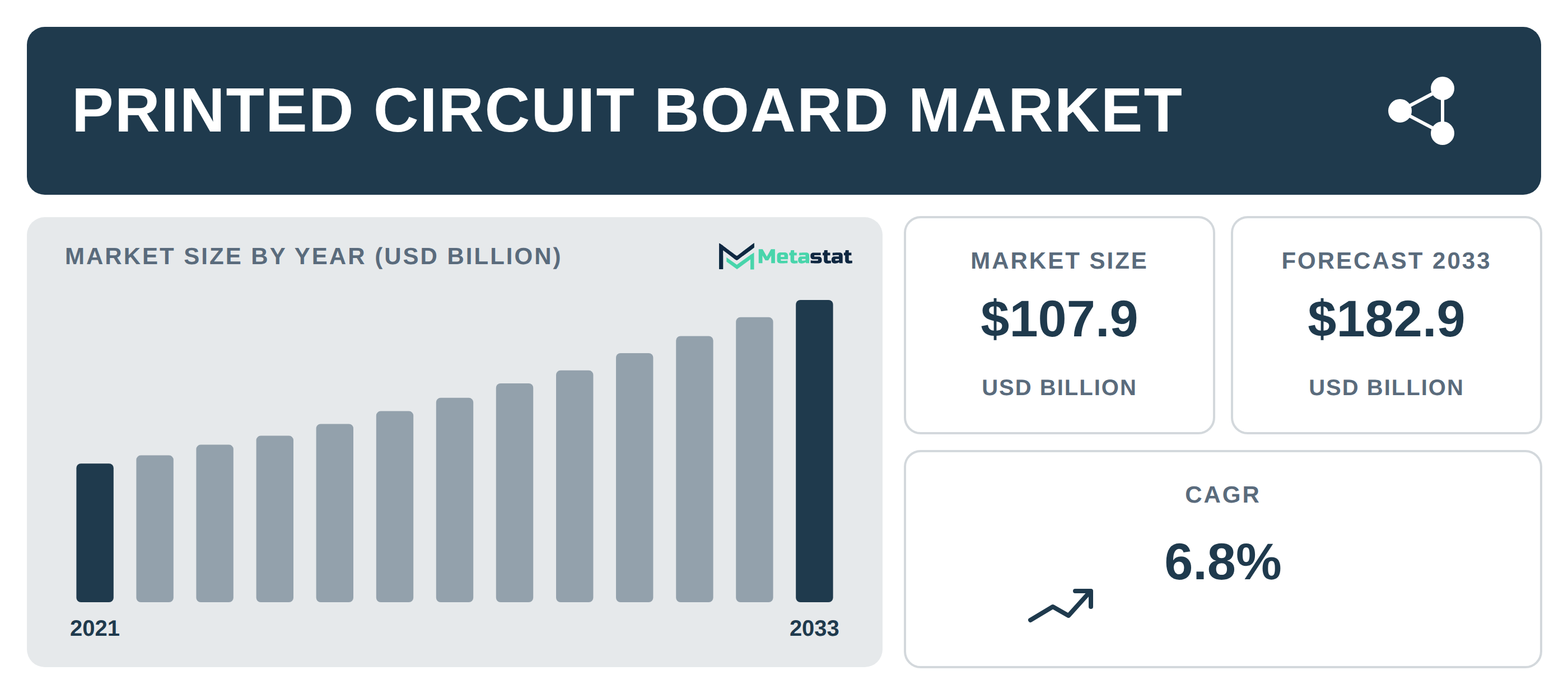
The competition within the market for Printed Circuit Board is shaped by various strategic positions that companies adopt to remain competitive. This dynamic environment calls for a closer examination of how leading players are addressing market demands and technological changes while ensuring growth and innovation. Printed Circuit Board market size and forecast report
1. Asia Pacific Dominates with High Manufacturing Capacity
Asia Pacific, holding a substantial 82.3% of global industry activity, leads the printed circuit board sphere due to its robust manufacturing capabilities. Companies in this region benefit from lower labor costs and advanced technological infrastructure, enabling efficient production processes. This dominance attracts significant investments, allowing manufacturers to scale operations rapidly. Firms positioned in Asia-Pacific capitalize on the growing demand from sectors including consumer electronics and telecommunications, significantly influencing their competitive edge.
2. North America’s Technological Advancements Drive Growth
North America, accounting for 8.2% of the industry, is characterized by its strong focus on innovation and high-quality production standards. Companies like TTM Technologies and AT&S are crucial players, adapting to the latest technologies including IoT and 5G. This commitment to advanced technology enables them to compete effectively in applications requiring high performance, ensuring their relevance in a changing technological environment. Enhanced collaboration among manufacturers further strengthens North America's position within the global framework.
3. Demand for High-Layer-Count and Low-Loss PCBs Expands
The increasing need for sophisticated computing applications drives the demand for printed circuit boards with high-layer counts and low-loss characteristics. These specialized boards are essential for supporting advanced technology infrastructure, particularly in AI applications. Companies that develop low-loss materials and multi-layer designs enhance their competitive positioning. This shift addresses the increasing complexity of electronic applications while allowing manufacturers to meet the stringent performance requirements of modern technologies.
4. Emphasis on Thermal Reliability in Automotive Applications
Automotive manufacturers prioritize thermal reliability when selecting PCB suppliers, driven by the need for durability and performance in various electronic systems. Firms demonstrating expertise in thermal management technologies become more attractive to automotive clients. While the automotive sector embraces electrification and automation, suppliers that align their products with these demands will likely capture a larger share of business, reinforcing their competitive stance.
5. Innovative Interconnect Solutions Reshape Buyer Preferences
The growing adoption of High-Density Interconnect (HDI) and rigid-flex designs is reshaping purchasing decisions in the printed circuit board sector. Buyers are increasingly drawn to these advanced technologies due to their ability to produce smaller and more efficient electronic devices. Manufacturers employing innovative pricing strategies, including tiered pricing based on order volume, enhance their competitiveness. This trend towards compact solutions emphasizes the necessity for suppliers to adapt their offerings in response to emerging consumer requirements.
6. Flexible PCBs Address Design Flexibility Needs
The segment of flexible printed circuit boards is on a significant growth trajectory, expected to achieve a valuation of USD 41.9 billion by 2033. This growth derives from the swelling demand for lightweight and adaptable solutions, particularly within mobile devices and wearables. Companies focusing on flexible designs are strategically positioned to capture business opportunities, aligning their operations with evolving trends in consumer electronics. The flexible PCB segment emerges as a fundamental component for success in this space.
7. Rising Material Costs Challenge Competitiveness
Escalating raw material prices, particularly for copper and resin, present challenges for manufacturers in the printed circuit board industry. These increased costs affect profit margins, making it more difficult for companies to invest in new technologies or expand operations. Suppliers who successfully maintain competitive pricing while addressing these material challenges will likely improve their standing in the marketplace. The pressure to deliver cost-efficient solutions continues to shape strategies across the sector.
Overall, the competitive picture in the market for Printed Circuit Board is shaped by strategic positioning and technological advancements. Firms that effectively adapt to these dynamics are positioned for success in an increasingly competitive landscape.
Tags
About the Authors

LEAD ANALYST
Utkarsh Khirodkar is a Lead Market Research Analyst at MetaStat Insight, specializing in market intelligence, technology sector assessments, and competitive strategy.

PRINCIPAL CONSULTANT - ENTERPRISE AI & EMERGING TECHNOLOGIES
Banking & Finance · Electronics and Semiconductor · Energy and Power · Healthcare IT · Information & Technology · Professional Services
Vijay Gunti is a Principal Consultant at MetaStat Insight, bringing over two decades of experience across enterprise digital transformation, technology strategy, and intelligent systems.

PRINCIPAL CONSULTANT - QUALITY SYSTEMS & COMPLIANCE
Electronics and Semiconductor · Machinery & Equipment · Professional Services
Omkar Phadtare is an Industry Consultant at MetaStat Insight, specializing in quality systems, regulatory compliance, and standards benchmarking to drive data-driven market intelligence and strategic industry research.

ENERGY & INFRASTRUCTURE INDUSTRY CONSULTANT
Automotive and Transportation · Electronics and Semiconductor · Energy and Power · Machinery & Equipment
Saurabh Vasant Ganvir consults for Energy & Infrastructure Industry at MetaStat Insight, specializing in renewable energy, solar EPC, and electric vehicle (EV) infrastructure markets.

LEAD CONSULTANT - COMMUNICATION, TELECOM, AND IT
Electronics and Semiconductor · Information & Technology · Machinery & Equipment · Professional Services
Ravindra Sathe Consultants for Communication, Telecom, and IT at MetaStat Insight. He leads the firm's industry research initiatives across telecommunications infrastructure, digital connectivity, enterprise networking, and emerging information technology domains.