
Explore the competitive dynamics shaping the Atopic Dermatitis treatment landscape, highlighting key players and strategic insights.
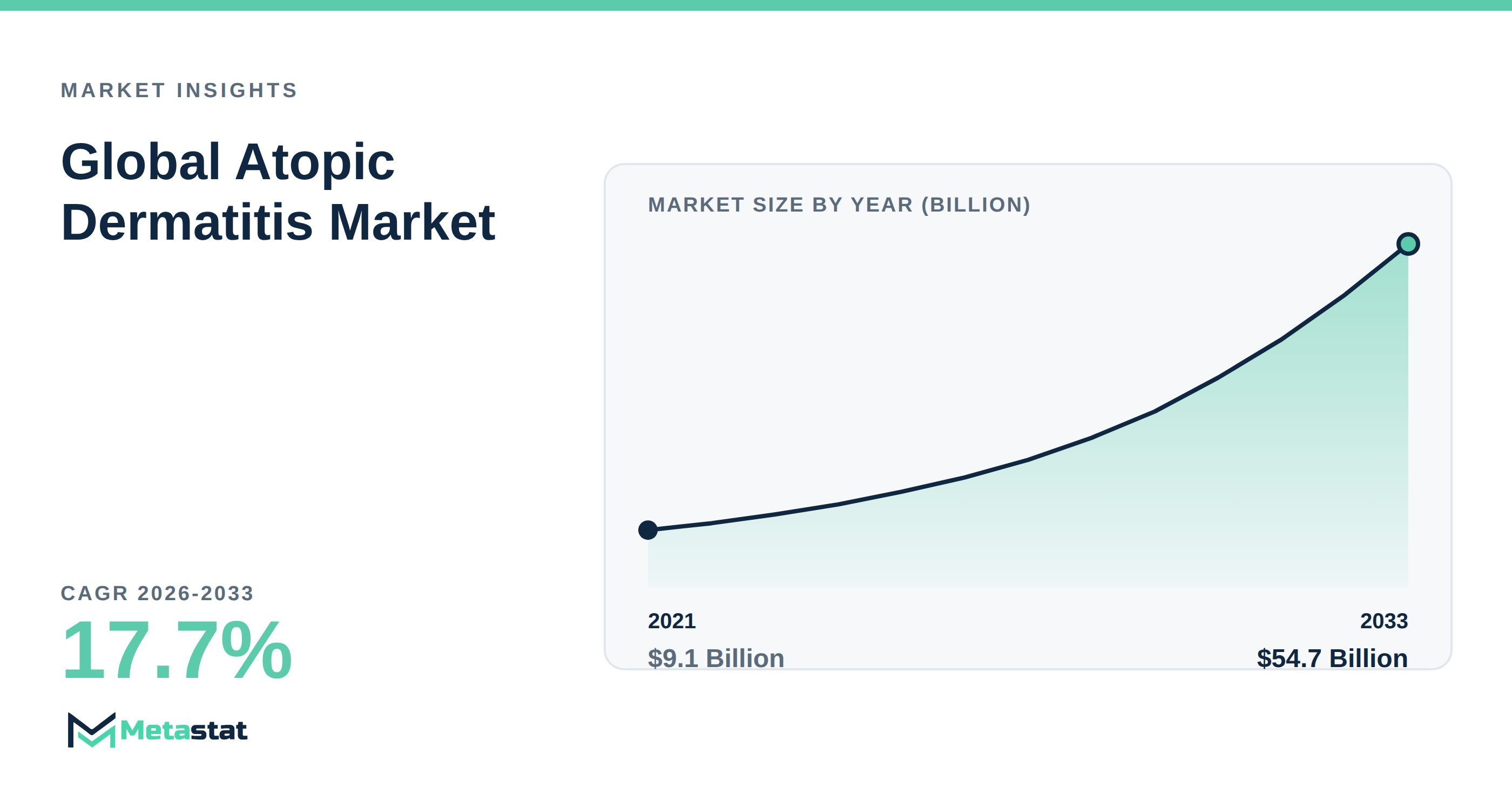
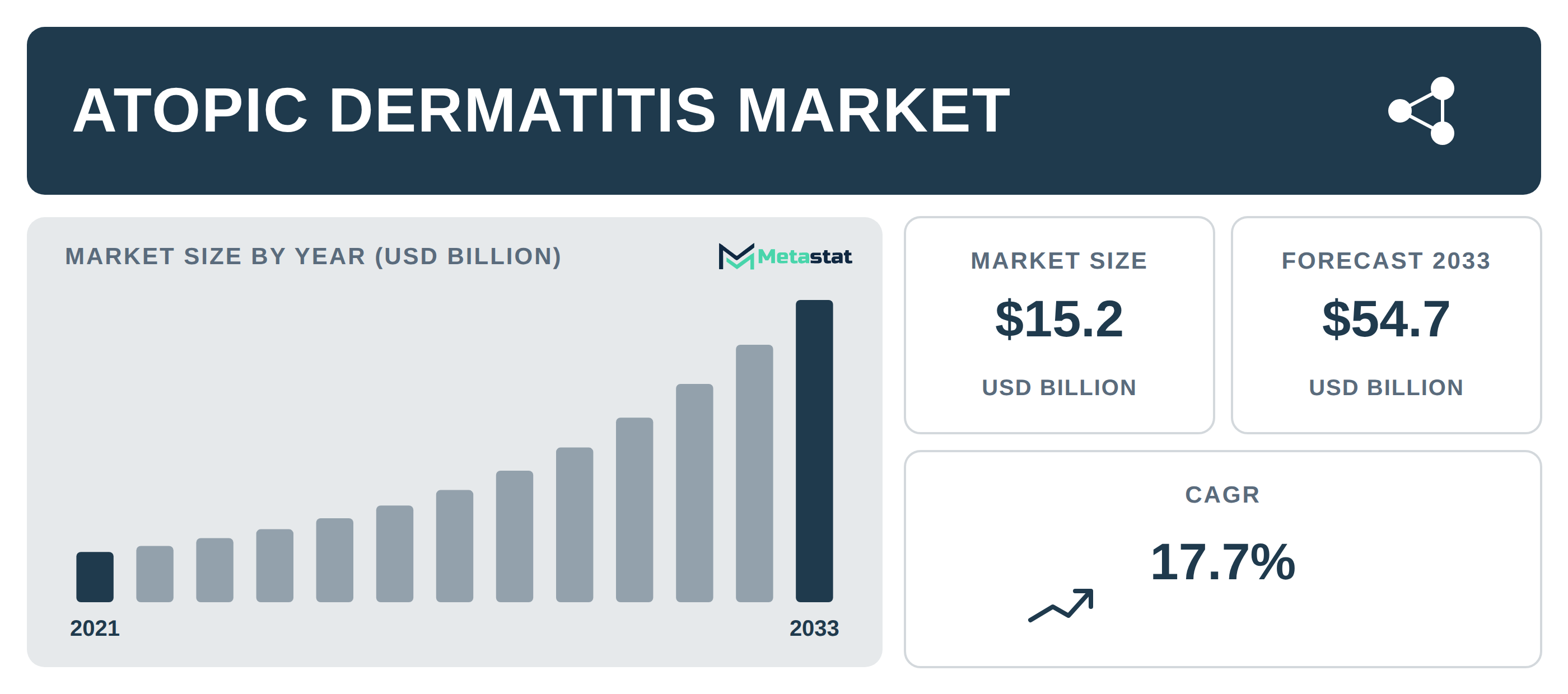
In the evolving landscape of treatments for Atopic Dermatitis, understanding the competitive positioning of various players is crucial for stakeholders in the healthcare market. The dynamics among these companies influence the availability and efficacy of therapies, shaping patient outcomes and market trends. Below are key insights into the competitive picture. The full figures are in our Atopic Dermatitis market size and forecast report.
1. Biologics are driving significant revenue growth
Biologics constitute a major segment in managing moderate-to-severe Atopic Dermatitis, expected to achieve a valuation of USD 37.6 billion by 2033. This growth arises from their capacity to target specific pathways involved in the inflammatory response. Companies including AbbVie Inc. and Sanofi S.A. lead this sector, concentrating on developing innovative biologic therapies. Their substantial investments in research and development give them a competitive advantage, allowing them to provide advanced treatments that considerably enhance patient outcomes.
2. PDE4 inhibitors offer a competitive alternative
The PDE4 inhibitors segment is anticipated to reach USD 3.9 billion by 2033, demonstrating a substantial growth rate of 18.5%. This swift expansion showcases the market's shift towards non-steroidal treatment options. Incyte Corporation, with a focus on PDE4 inhibitors, highlights the potential of these therapies to address patients who do not respond effectively to traditional treatments. The increasing acceptance and demand for PDE4 inhibitors represent an important competitive dynamic influencing treatment decisions.
3. Retail pharmacies expand access to treatment options
Retail pharmacies are positioned to reach USD 18.9 billion by 2033, playing a vital role in improving accessibility to Atopic Dermatitis treatments. Competing based on price and product variety, these pharmacies attract patients seeking both prescription and over-the-counter solutions. Companies like Pfizer Inc. leverage retail distribution strategies to maximize reach, ultimately benefiting patients through better access to effective therapies.
4. Online pharmacies are reshaping purchasing behavior
The growth of online pharmacies, projected to reach USD 8.6 billion by 2033, reflects changing consumer purchasing habits. By offering the convenience of securing medications online, companies are adjusting their distribution strategies to cater to this demand. This transformation opens opportunities for smaller players to enter the market, allowing them to compete with established companies by providing unique products tailored to online consumers.
5. Pediatric approvals are reshaping treatment portfolios
Expanding pediatric approvals for Atopic Dermatitis treatments significantly influence the offerings of major pharmaceutical companies. By including younger populations in clinical trials, manufacturers develop formulations specifically designed for children. Companies that prioritize research focused on pediatric needs, like Regeneron Pharmaceuticals, position themselves to capture this growing segment, strengthening their competitive edge.
6. Rising costs affect market access and competition
Increasing treatment costs present challenges for both patients and healthcare providers in the Atopic Dermatitis space. The high prices of biologics particularly affect accessibility, forcing companies to navigate these cost barriers while maintaining quality. This pressure for affordability spurs competition among manufacturers to provide effective yet cost-efficient options, ensuring sustainability in patient engagement.
Understanding these competitive elements assists stakeholders in navigating the complexities of the Atopic Dermatitis treatment landscape. As innovation continues and new players emerge, awareness of these dynamics becomes essential for success in addressing patient needs.
Tags
About the Authors

LEAD ANALYST
Utkarsh Khirodkar is a Lead Market Research Analyst at MetaStat Insight, specializing in market intelligence, technology sector assessments, and competitive strategy.

LEAD PRINCIPAL ANALYST, PHARMA AND HEALTHCARE
Food and Beverages · Healthcare · Healthcare IT · Medical Devices
Ajay Devgire is the Lead Healthcare Analyst at MetaStat Insight, leading strategic research and market intelligence initiatives across the global healthcare domain.