
Explore the critical cost factors influencing the Utility Infrastructure Ground Engineering Services market. Discover how these elements impact pricing strategies and buyer leverage.
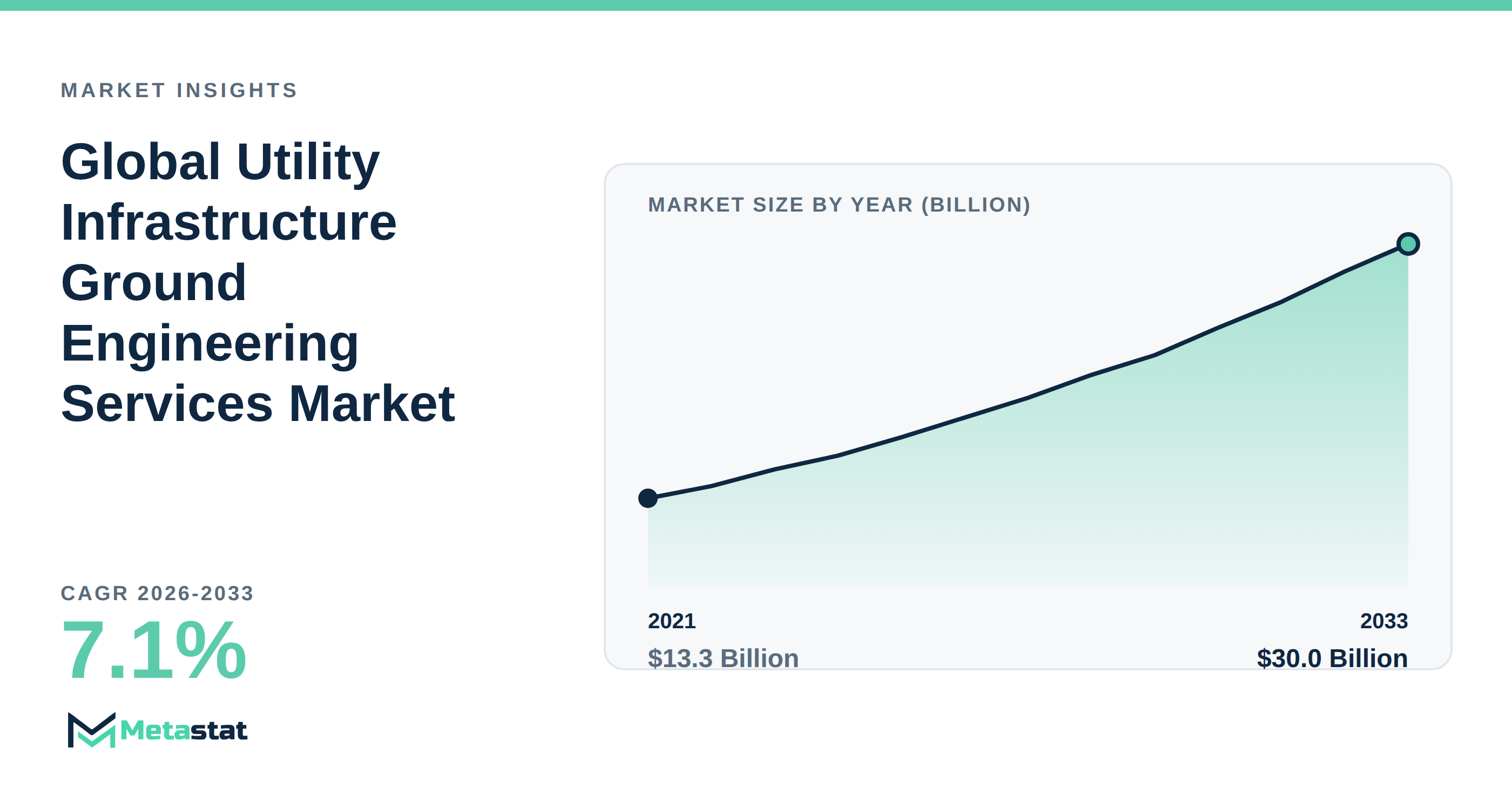
The Utility Infrastructure Ground Engineering Services market is on a growth path, with projections indicating it will reach USD 30 billion by 2033. Understanding what influences pricing and costs is essential for buyers who wish to navigate this landscape effectively.
1. Rising Capital Investment Fuels Costs
Increased capital investment significantly impacts costs in the Utility Infrastructure Ground Engineering Services market. Economic expansion and favorable financial conditions encourage both public and private sectors to allocate more resources toward infrastructure initiatives. The focus on modernizing existing frameworks and constructing new facilities drives the demand for specialized services, which in turn raises costs for projects. Stakeholders will encounter heightened expenses that directly influence pricing, making it vital to account for these factors when negotiating contracts.
2. Complexity of Projects Affects Bidding Strategies
The increasing complexity of project designs and execution plays a critical role in shaping bidding strategies within the market. While projects grow in intricacy, contractors often face escalated costs related to specialized materials and advanced engineering techniques. This complexity necessitates robust solutions that comply with stringent regulatory standards, ultimately leading to increased overall project costs. Buyers recognize how detailed project specifications affect negotiation power and pricing outcomes in their favor.
3. Demand for Eco-Friendly Practices Drives Expenses
A growing emphasis on sustainability drives the demand for low-carbon practices within the Utility Infrastructure Ground Engineering Services market, which inevitably raises costs. The industry is transitioning towards environmentally friendly alternatives, including low-carbon piling and innovative grouting techniques. Implementing these eco-conscious practices requires additional investments in materials and technology, leading to higher service costs. Clients aiming to pursue sustainable projects should be prepared for the associated cost implications when engaging contractors.
4. Regulatory Compliance Imposes Financial Pressures
Stringent regulatory compliance requirements present significant challenges that contribute to rising operational costs in the Utility Infrastructure Ground Engineering Services market. Firms allocate substantial resources to meet safety standards and maintain thorough documentation, which extends project timelines and elevates expenses. This situation diminishes buyers' leverage due to the necessity of compliance, limiting their flexibility in negotiations regarding pricing.
5. Supply Chain Disruptions Create Cost Variability
Persistent disruptions in supply chains have introduced variability into pricing structures within the Utility Infrastructure Ground Engineering Services market. Issues including material shortages and logistics complications frequently lead to escalated costs for contractors, which are often transferred to end clients. Buyers should anticipate pricing fluctuations and contemplate establishing strategic partnerships with suppliers to mitigate the impacts of these disruptions.
6. Labor Market Dynamics Influence Service Pricing
Skilled labor shortages pose a systemic challenge in the Utility Infrastructure Ground Engineering Services market, directly influencing service pricing. Companies frequently encounter higher wages when competing for qualified professionals, which consequently increases overall project costs. Buyers aiming to optimize their investments should focus on partnering with firms that demonstrate effective workforce management and innovation to control labor-related expenses.
Recognizing these factors is crucial for stakeholders in the Utility Infrastructure Ground Engineering Services market. By understanding the elements that drive costs, buyers make informed decisions and enhance their negotiation strategies. Engaging effectively with suppliers while considering these influences will lead to more favorable pricing outcomes in a competitive marketplace.
The full analysis is in Global Utility Infrastructure Ground Engineering Services Market.
Tags
About the Authors

LEAD ANALYST
Utkarsh Khirodkar is a Lead Market Research Analyst at MetaStat Insight, specializing in market intelligence, technology sector assessments, and competitive strategy.

PRINCIPAL CONSULTANT - ENTERPRISE AI & EMERGING TECHNOLOGIES
Banking & Finance · Electronics and Semiconductor · Energy and Power · Healthcare IT · Information & Technology · Professional Services
Vijay Gunti is a Principal Consultant at MetaStat Insight, bringing over two decades of experience across enterprise digital transformation, technology strategy, and intelligent systems.

PRINCIPAL CONSULTANT - QUALITY SYSTEMS & COMPLIANCE
Electronics and Semiconductor · Machinery & Equipment · Professional Services
Omkar Phadtare is an Industry Consultant at MetaStat Insight, specializing in quality systems, regulatory compliance, and standards benchmarking to drive data-driven market intelligence and strategic industry research.

LEAD CONSULTANT - COMMUNICATION, TELECOM, AND IT
Electronics and Semiconductor · Information & Technology · Machinery & Equipment · Professional Services
Ravindra Sathe Consultants for Communication, Telecom, and IT at MetaStat Insight. He leads the firm's industry research initiatives across telecommunications infrastructure, digital connectivity, enterprise networking, and emerging information technology domains.