
Discover six critical trends transforming Electronic Data Interchange (EDI) that buyers understand to enhance efficiency and collaboration.
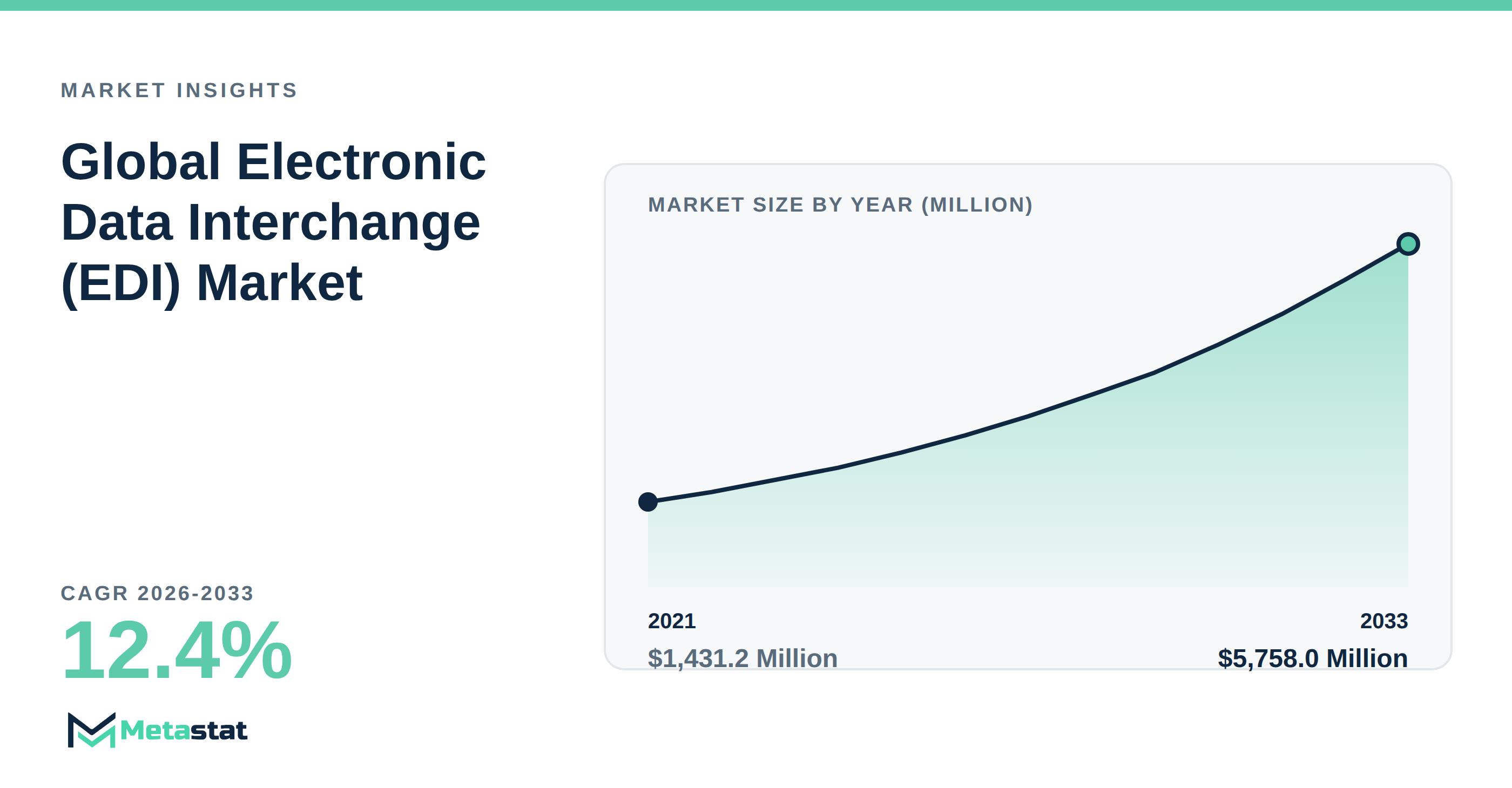
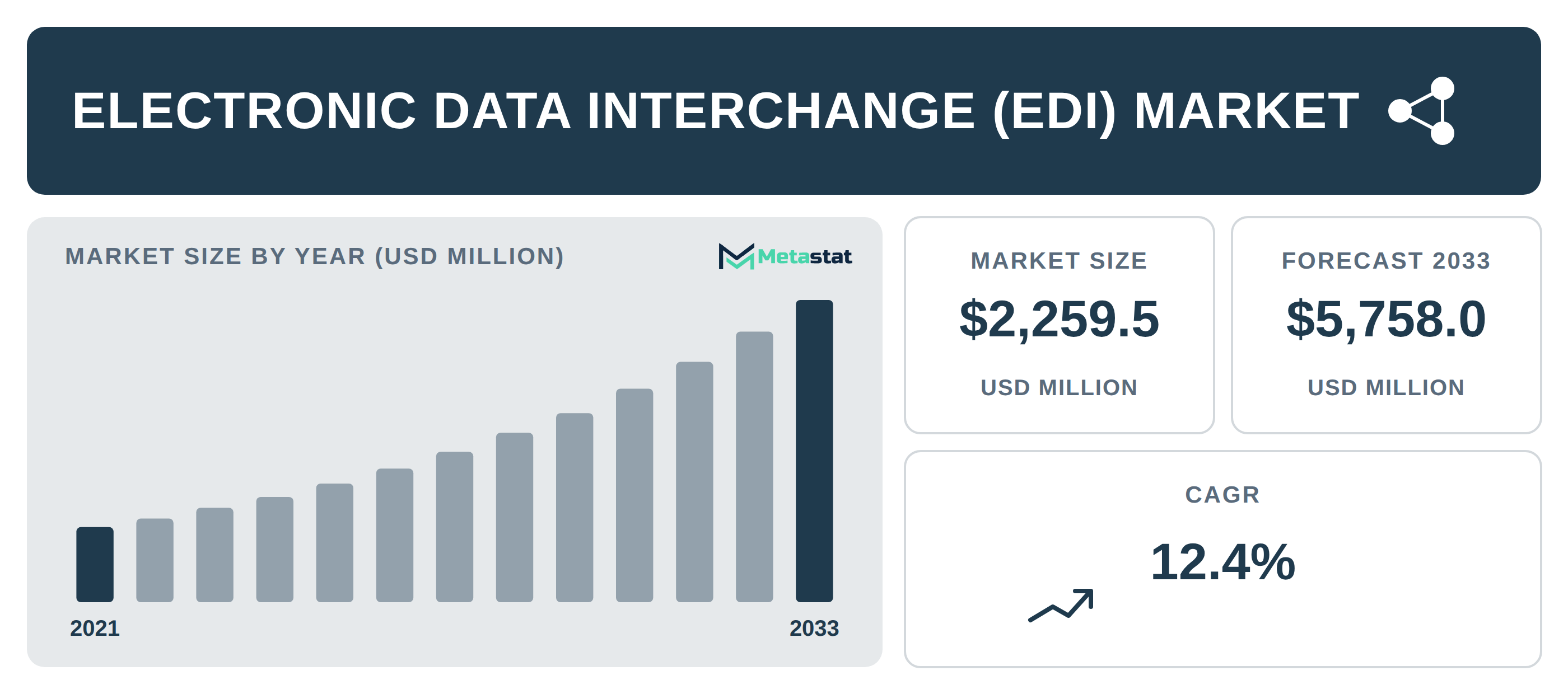
The market for Electronic Data Interchange (EDI) is undergoing significant transformation, driven by multiple trends that reshape how organizations exchange information. Below are key trends that buyers and operators should closely monitor. The full figures are in our Electronic Data Interchange (EDI) market size and forecast report.
1. Cloud Adoption is Accelerating EDI Implementation
Organizations increasingly migrate to cloud-based Electronic Data Interchange (EDI) solutions, enhancing operational agility and reducing overall costs. The shift toward the cloud enables more flexible data management, allowing businesses to respond swiftly to changing demands. This trend is particularly beneficial for small and medium-sized enterprises facing budget constraints with traditional on-premises solutions. As cloud adoption rises, companies focus on improving collaboration with trading partners, creating a more efficient supply chain.
2. Enhanced Automated Workflows Drive Efficiency
The integration of automated workflows with EDI significantly improves business processes across various sectors. Automation reduces manual data entry and streamlines operations, enhancing accuracy and speed in order processing. This advancement is valuable in industries including retail and healthcare, where timely data exchange is critical. By implementing these automated systems, organizations better manage resources and respond faster to market changes, gaining a competitive advantage.
3. Rising Demand for Real-Time Data Exchange
Timely information sharing is becoming essential as businesses strive for better integration and collaboration with trading partners. The demand for real-time data exchange directly influences the adoption of EDI solutions, allowing organizations to make informed decisions quickly. This trend is evident in sectors like e-commerce and healthcare, where operational efficiency hinges on accurate data. Companies that prioritize real-time access enhance their workflows and are better positioned to meet customer expectations.
4. Increasing Focus on Integration with ERP Systems
Integrating EDI with Enterprise Resource Planning (ERP) systems has become essential for businesses seeking to optimize their processes. This integration facilitates order processing, invoicing, and inventory management, significantly boosting operational efficiency. As organizations invest in EDI solutions that interface effectively with their ERP systems, they experience reduced errors and faster transaction times, leading to improved customer satisfaction and loyalty.
5. Growing Preference for Managed EDI Solutions among Smaller Suppliers
Small and medium-sized suppliers increasingly adopt managed EDI services to improve operational efficiency without incurring high upfront costs. These solutions offer flexible pricing models, allowing suppliers to scale their EDI usage based on their business requirements. Managed EDI enhances visibility within the supply chain and simplifies transaction processes, driving competitive advantages for smaller players as they adapt to evolving demands.
6. Healthcare Sector Transformation Through Automation
Healthcare transaction automation plays a critical role in enhancing operational efficiency within the Electronic Data Interchange (EDI) framework. By automating communication between providers, payers, and patients, organizations reduce administrative burdens and improve data handling accuracy. This trend highlights the significant changes in the healthcare sector, where streamlining operations through EDI is increasingly essential to meet regulatory compliance and operational goals.
These trends highlight the dynamic nature of the Electronic Data Interchange (EDI) landscape and the various forces driving its evolution. By understanding and adapting to these changes, organizations ensure they remain competitive in an increasingly digital world.
Tags
About the Authors

LEAD ANALYST
Utkarsh Khirodkar is a Lead Market Research Analyst at MetaStat Insight, specializing in market intelligence, technology sector assessments, and competitive strategy.

PRINCIPAL CONSULTANT - ENTERPRISE AI & EMERGING TECHNOLOGIES
Banking & Finance · Electronics and Semiconductor · Energy and Power · Healthcare IT · Information & Technology · Professional Services
Vijay Gunti is a Principal Consultant at MetaStat Insight, bringing over two decades of experience across enterprise digital transformation, technology strategy, and intelligent systems.

LEAD CONSULTANT - COMMUNICATION, TELECOM, AND IT
Electronics and Semiconductor · Information & Technology · Machinery & Equipment · Professional Services
Ravindra Sathe Consultants for Communication, Telecom, and IT at MetaStat Insight. He leads the firm's industry research initiatives across telecommunications infrastructure, digital connectivity, enterprise networking, and emerging information technology domains.