
Explore essential pricing factors in the Ethnic Street Food Retail sector, from sourcing ingredients to competition dynamics.
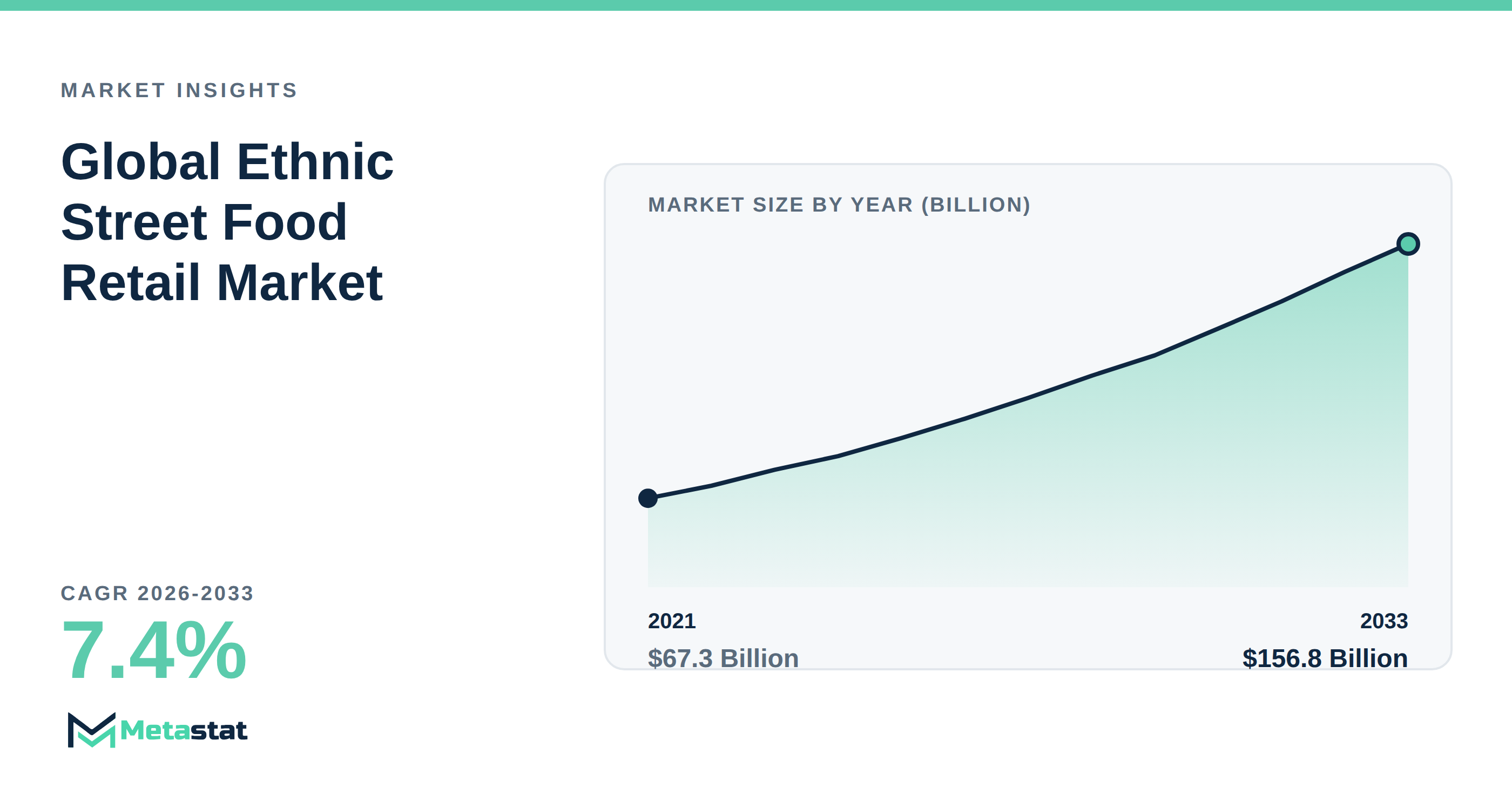
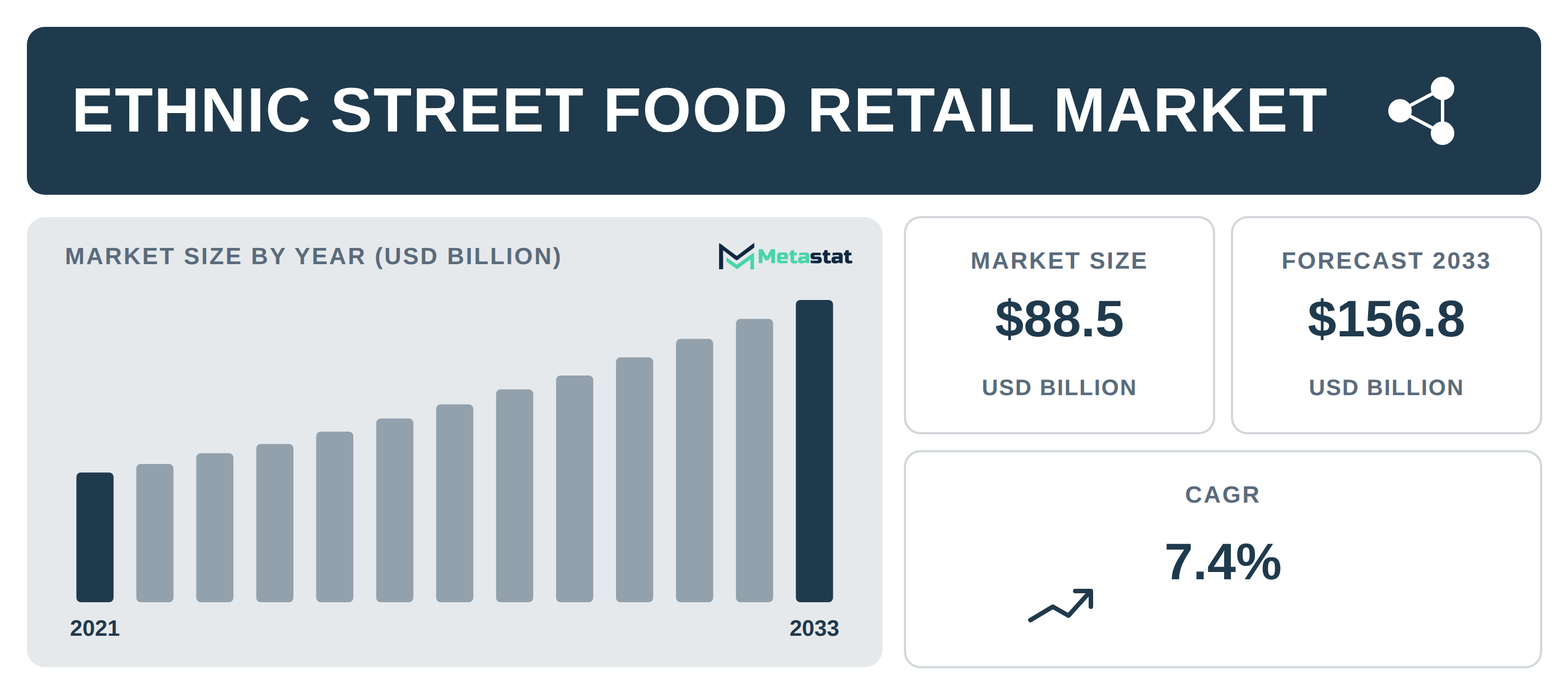
The market for Ethnic Street Food Retail has gained significant traction, driven by rising consumer demand for authentic and convenient dining options. Various factors influence pricing in this sector, which impacts both operators and consumers. Understanding these elements is essential for buyers looking to navigate this market effectively. This discussion highlights key pricing influences and the dynamics at play. The full figures are in our Ethnic Street Food Retail market size and forecast report.
1. Sourcing quality ingredients influences cost
Premium ingredients play a critical role in determining the pricing of ethnic street food offerings. Vendors often invest in high-quality, locally sourced ingredients to maintain authenticity and flavor. However, fluctuating supply chain costs and agricultural conditions impact ingredient availability and pricing, resulting in increased costs for consumers. Buyers enhance their leverage by establishing long-term relationships with suppliers, ensuring stability in pricing and availability. This strategy helps mitigate the effects of ingredient cost fluctuations.
2. The role of labor costs in food preparation
Labor costs significantly affect the overall pricing of ethnic street food. Skilled chefs and labor-intensive preparation methods often drive higher operational expenses. Vendors face pressure to balance quality with affordability, particularly when competing with fast food alternatives. Cost-saving measures, including training staff to efficiently produce popular dishes, can help businesses manage their expenses while maintaining quality. For buyers, awareness of these labor dynamics provides insight into pricing and quality trade-offs when selecting vendors.
3. Pricing strategies reflecting consumer trends
Ethnic street food vendors continuously adapt their pricing strategies to reflect shifting consumer preferences. The growing demand for healthy and convenient dining options impacts how meals are priced. For instance, offerings featuring fresh ingredients carry a premium price compared to more traditional street food. Buyers benefit from understanding these trends, as they anticipate pricing changes and select vendors who align with their preferences for quality and nutrition.
4. Packaging innovations affecting pricing
Effective packaging solutions not only preserve food quality but influence pricing. Vendors investing in advanced packaging technologies aim to maintain the freshness and texture of their offerings, leading to increased operational costs. However, quality packaging enhances the overall customer experience, potentially justifying higher price points. Buyers should consider the relationship between packaging quality and pricing, as it can significantly impact their dining experience and satisfaction.
5. Competition from fast food and casual dining
Competition from fast food and casual dining establishments imposes challenges on ethnic street food pricing. Many consumers gravitate towards lower-priced alternatives, affecting street food vendors' ability to maintain profitability. Operators develop strategic pricing that balances quality and affordability, ensuring they remain attractive to budget-conscious diners. Buyers leverage this competition by exploring various options, identifying vendors that offer value without compromising on quality.
6. Market dynamics of third-party delivery services
The rise of third-party delivery platforms introduces new pricing considerations for ethnic street food vendors. While these services enhance accessibility for consumers, they incur additional fees that affect menu pricing. Operators find ways to manage these costs while still delivering quality food. Buyers should remain aware of how delivery options influence overall pricing, potentially impacting their purchasing choices.
Understanding the various factors influencing Ethnic Street Food Retail pricing equips buyers with the knowledge to navigate this diverse market effectively. By recognizing the impact of ingredient sourcing, labor costs, consumer trends, packaging innovations, competitive pressures, and delivery dynamics, both consumers and operators make informed decisions that enhance their experiences and outcomes.
Tags
About the Authors

LEAD ANALYST
Utkarsh Khirodkar is a Lead Market Research Analyst at MetaStat Insight, specializing in market intelligence, technology sector assessments, and competitive strategy.

LEAD PRINCIPAL ANALYST, PHARMA AND HEALTHCARE
Food and Beverages · Healthcare · Healthcare IT · Medical Devices
Ajay Devgire is the Lead Healthcare Analyst at MetaStat Insight, leading strategic research and market intelligence initiatives across the global healthcare domain.

SENIOR RESEARCH ANALYST
Biotechnology · Food and Beverages · Medical Devices · Packaging
Snehal Pasalkar is a Research Analyst at MetaStat Insight, operating at the intersection of life sciences research, competitive strategy, and market intelligence.