
Explore the essential elements influencing Fleet Management Software pricing and how they affect procurement decisions.
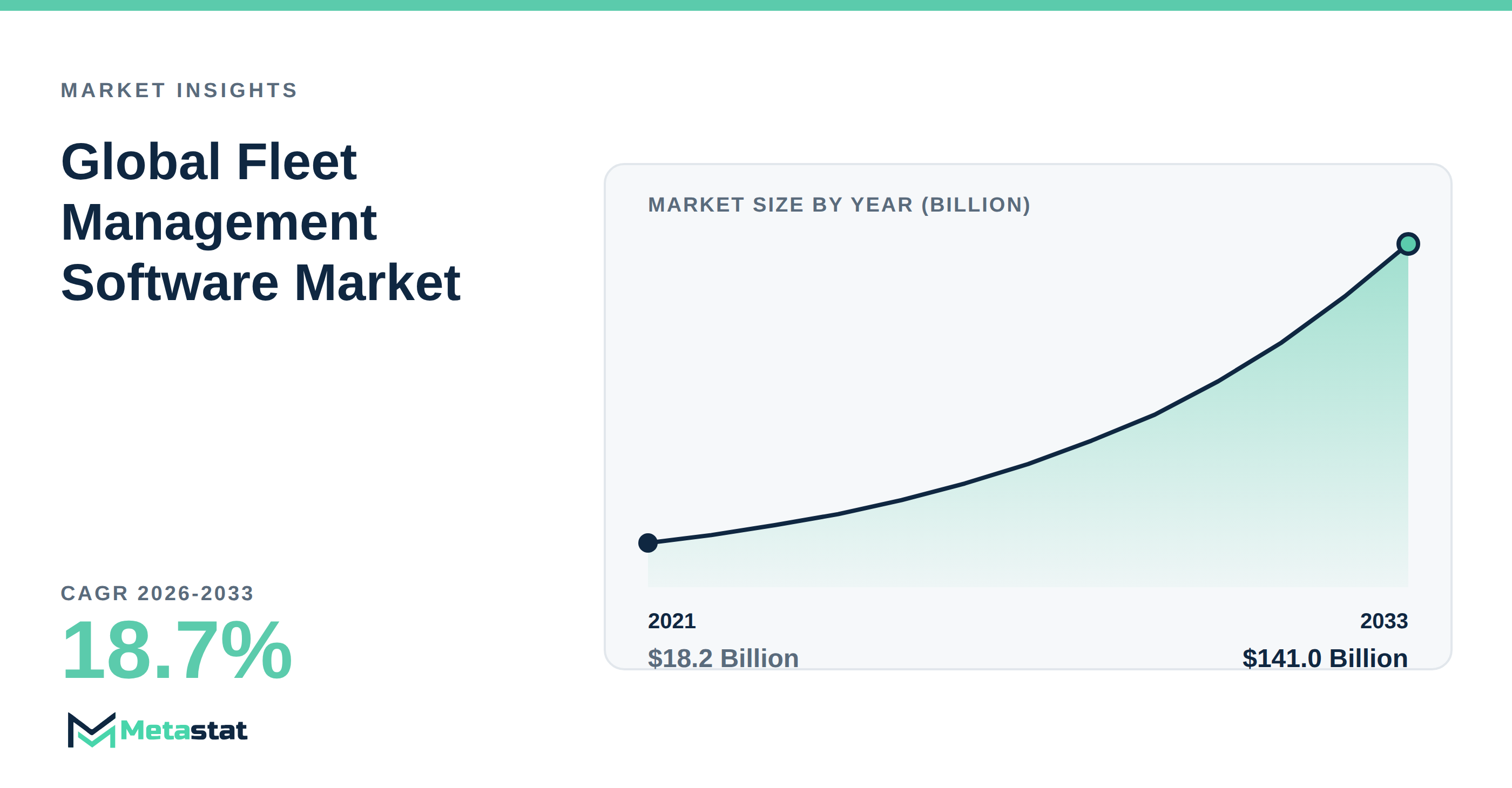
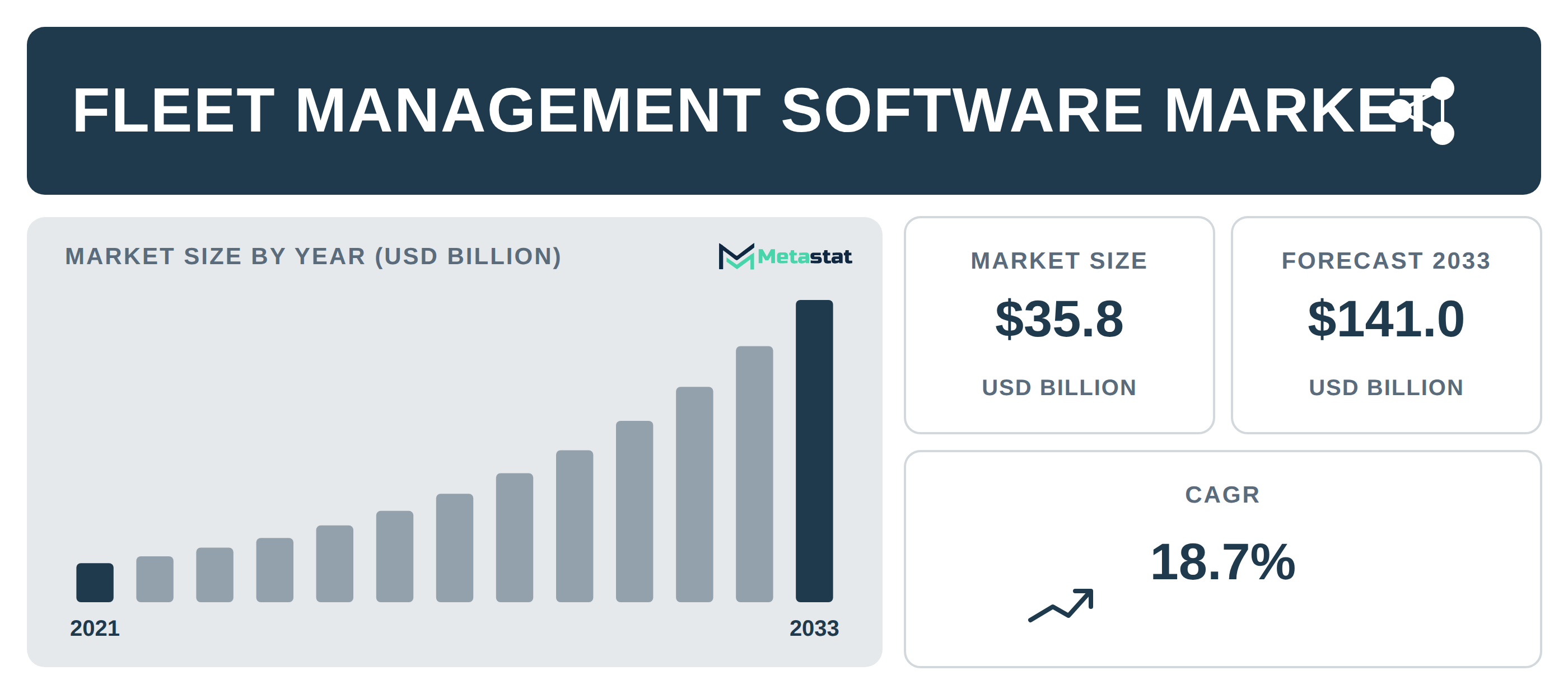
The cost of Fleet Management Software is shaped by various factors that influence pricing structures. Understanding these elements enables buyers to navigate the complexities of procurement and make informed decisions. This post highlights key factors impacting Fleet Management Software pricing, equipping fleet operators with essential insights to optimize their investments. The full figures are in our Fleet Management Software market size and forecast report.
1. Deployment models influence cost dynamics
The choice between cloud-based and on-premises deployment models significantly affects Fleet Management Software pricing. Cloud-based solutions offer flexibility, lower upfront costs, and scalability, appealing to a broader range of buyers, especially small and medium-sized enterprises. Conversely, on-premises solutions, while providing greater control over data, come with higher initial costs. These contrasting dynamics lead to a noticeable price disparity: cloud-based systems dominate the market due to strong buyer preference, while on-premises solutions grow at a slower pace. Understanding these nuances helps buyers choose the most suitable option based on their operational requirements.
2. Vehicle type shapes management requirements
Different vehicle types require tailored Fleet Management Software solutions, impacting pricing. For example, software for Light Commercial Vehicles typically carries a different price point compared to that for Heavy Trucks. The latter often demands more advanced features due to the complexities involved in managing larger vehicles and freight logistics. Consequently, organizations assess their specific vehicle needs when determining their budget for fleet management solutions, ensuring they invest in the right tools to achieve optimal operational efficiency.
3. Industry-specific demands drive software features
Fleet Management Software pricing is heavily influenced by the specific demands of various industries. Industries including transportation, logistics, and construction require advanced features, including real-time tracking and compliance management. These specialized functionalities lead to higher pricing tiers. Buyers in sectors with stringent operational requirements are willing to invest in higher-end solutions to ensure compliance and efficiency. Understanding industry-specific needs enables buyers to justify their investment based on the operational benefits gained.
4. Size of the fleet affects scalability
The fleet size affects the pricing structure of Fleet Management Software. Small fleets (1-50 vehicles) typically incur lower costs due to reduced complexity, while larger fleets face higher pricing associated with advanced features and scalability. As fleet size increases, so does the demand for sophisticated analytics and tracking capabilities, which directly impact software costs. Buyers evaluate their fleet's scale and growth potential to determine the most cost-effective solution that accommodates future expansion.
5. Subscription models offer pricing flexibility
Subscription-based pricing models present opportunities for cost management within Fleet Management Software. Many providers offer flexible payment options, allowing businesses to align expenditures with usage and operational needs. This approach enhances cash flow management and reduces upfront investments, making it an attractive choice for fleet operators. Buyers should consider subscription models carefully and assess how they align with their operational demands and financial capabilities.
6. Integration capabilities influence overall cost
Integration capabilities with existing systems significantly impact Fleet Management Software pricing. Solutions that seamlessly integrate with Enterprise Resource Planning (ERP) and other operational systems incur additional costs. However, these integrations often yield better operational efficiency and data accuracy, making the investment worthwhile. Buyers weigh the additional costs of integration against the potential gains in productivity and reliability when considering Fleet Management Software options.
Understanding these pricing determinants allows fleet operators to make informed purchasing decisions. By assessing their specific requirements and exploring various pricing models, buyers optimize their investments in Fleet Management Software, ultimately enhancing operational efficiency.
Tags
About the Authors

LEAD ANALYST
Utkarsh Khirodkar is a Lead Market Research Analyst at MetaStat Insight, specializing in market intelligence, technology sector assessments, and competitive strategy.

ENERGY & INFRASTRUCTURE INDUSTRY CONSULTANT
Automotive and Transportation · Electronics and Semiconductor · Energy and Power · Machinery & Equipment
Saurabh Vasant Ganvir consults for Energy & Infrastructure Industry at MetaStat Insight, specializing in renewable energy, solar EPC, and electric vehicle (EV) infrastructure markets.