
Explore the crucial factors influencing the pricing of portable air conditioners, including material costs, seasonal demand, and regulatory compliance.
The Portable Air Conditioner market is experiencing significant growth, driven by increasing temperatures and the demand for effective cooling solutions. Understanding the factors influencing pricing helps consumers make informed purchasing decisions. Below are some key elements impacting the costs of portable air conditioners.
1. Rising material costs affect pricing
Manufacturers in the Portable Air Conditioner market face challenges from fluctuating raw material prices, which directly impact production costs. Increased demand for components, including compressors and refrigerants, contributes to rising costs across the supply chain. Manufacturers typically pass these costs onto consumers, resulting in higher retail prices. Understanding trends in material costs enables buyers to anticipate potential price increases and time their purchases strategically.
2. Regulatory compliance drives production expenses
Manufacturers in the Portable Air Conditioner market adhere to stringent regulations regarding energy efficiency and environmental standards. Compliance necessitates significant investments in research and development, which raises production costs. These expenses are often reflected in the final pricing of air conditioning units. Buyers gain value from understanding the regulatory landscape, because products that meet or exceed compliance standards offer long-term savings through enhanced energy efficiency.
3. Technological advancements enhance value
Innovation influences the Portable Air Conditioner market. Manufacturers increasingly integrate smart features and improve energy efficiency in their products. These advancements lead to higher initial costs but typically translate into long-term savings for consumers. Units equipped with smart technology, including Wi-Fi connectivity and energy monitoring, not only enhance user experiences but respond to growing consumer demands for energy-efficient solutions.
4. Capacity options shape market dynamics
The capacity of portable air conditioners significantly influences pricing. Higher-capacity units, designed for larger spaces, generally come at a premium due to their advanced technology and increased cooling power. While demand for high-capacity models is on the rise, manufacturers strategically position these products to serve both residential and commercial markets. Buyers should evaluate their cooling needs against capacity options to ensure they invest wisely in the appropriate unit.
5. Seasonal demand fluctuates prices
The Portable Air Conditioner market sees seasonal fluctuations in demand, especially during peak summer months. While temperatures rise, consumer interest in cooling solutions surges, leading to increased pricing based on higher demand. Buyers capitalize on off-season sales or promotions to secure better deals when demand is lower. Understanding seasonal patterns in pricing allows consumers to plan their purchases more effectively.
6. E-commerce expands competitive pricing
The growth of online retail has transformed the Portable Air Conditioner market, enhancing accessibility and competition among brands. E-commerce platforms enable consumers to compare prices across various models, fostering an environment of competitive pricing. This shift allows buyers to leverage greater price transparency, encouraging manufacturers to present attractive deals. Engaging with multiple online retailers lead to improved pricing and more options for potential buyers.
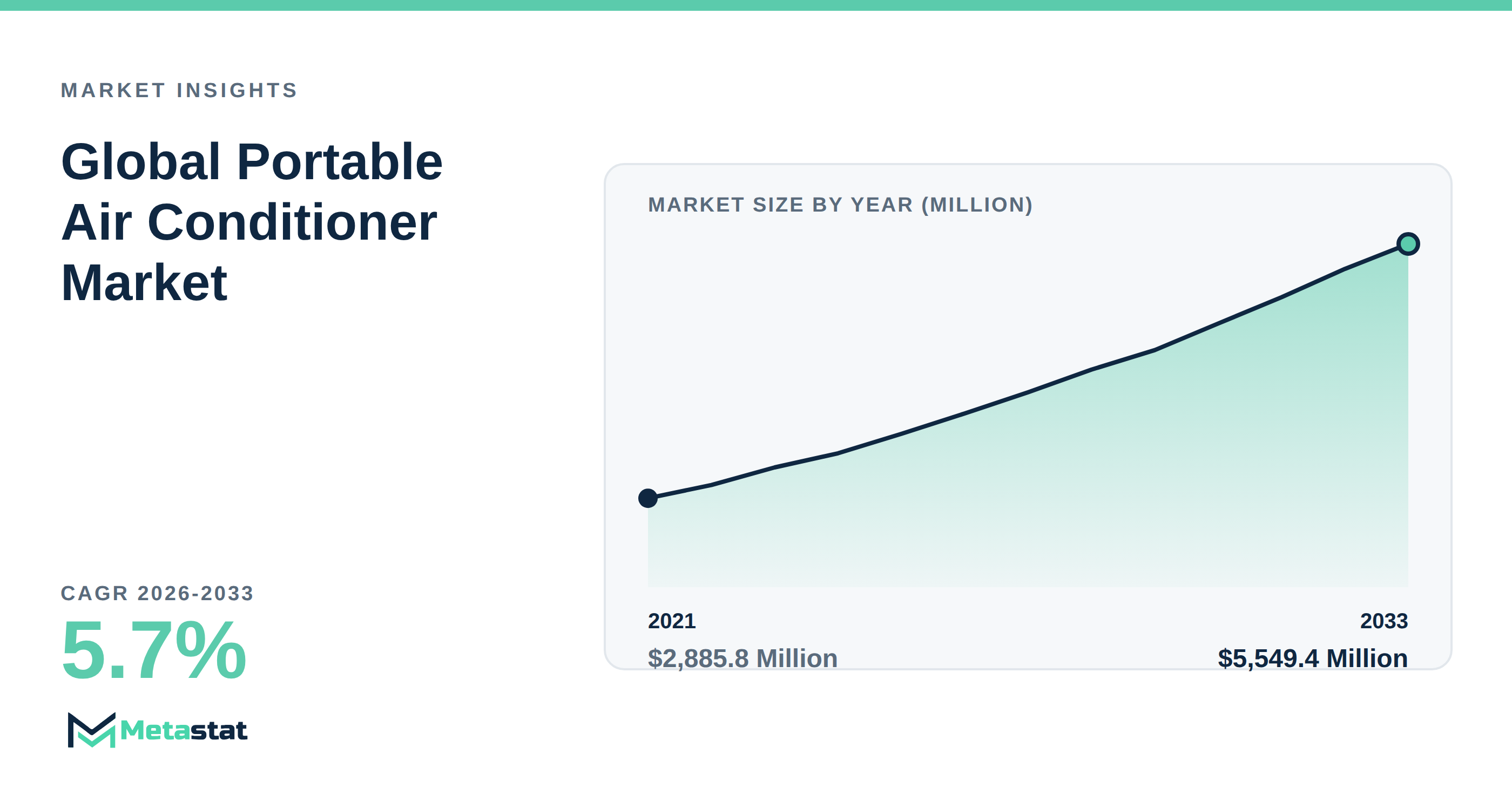
In conclusion, the pricing of portable air conditioners results from rising material costs, regulatory compliance challenges, technological advancements, capacity options, seasonal demand, and the expansion of e-commerce. By understanding these factors, consumers navigate the market more effectively and make informed purchasing decisions when selecting their portable cooling solutions. For a comprehensive analysis, consider exploring the Global Portable Air Conditioner Market.
Tags
About the Author

LEAD ANALYST
Utkarsh Khirodkar is a Lead Market Research Analyst at MetaStat Insight, specializing in market intelligence, technology sector assessments, and competitive strategy.