
Explore the key factors driving pricing in the Old World Wine market, from production costs to consumer demand for premium products.
The Old World Wine market is marked by rich traditions and diverse offerings, leading to a complex pricing structure that reflects various external and internal factors. Understanding these elements provides insights for buyers navigating this market.
1. Production Costs Reflecting Quality Standards
Production costs in the Old World Wine market are significantly influenced by stringent quality standards set by appellation frameworks. These regulations ensure that wines produced in specific regions exhibit their unique characteristics. High compliance costs impact retail prices, especially for smaller wineries that find it challenging to absorb these expenses. Buyers seeking quality wines recognize that elevated production costs frequently correlate with superior quality and heritage, motivating them to accept premium prices for authentic products.
2. Consumer Demand for Premium Offerings
The growing trend toward premium wine options reshapes pricing strategies across the Old World Wine market. Consumers increasingly prioritize unique taste profiles and craftsmanship, resulting in heightened demand for premium and artisanal products. This shift compels wine producers to invest in quality, which directly influences prices. Buyers navigate a market where authenticity drives higher price points for wines that reflect traditional production methods and regional characteristics.
3. Sustainable Practices and Their Cost Implications
The increasing focus on sustainability within the Old World Wine market introduces new cost dynamics. Wineries adopting environmentally friendly practices often incur higher production costs due to organic materials and sustainable farming methods. While these initiatives cater to the growing segment of environmentally conscious consumers, they lead to increased pricing for wines. Buyers supporting sustainable brands weigh the value of eco-friendly practices against the potential for higher costs.
4. E-commerce and Direct-to-Consumer Sales
The shift toward e-commerce and direct-to-consumer sales reshapes pricing structures in the Old World Wine market. Wineries leveraging online platforms to reach customers reduce distribution costs, often passing savings on to buyers. However, the convenience of direct purchases allows producers to maintain or increase their margins. Buyers enjoy greater access to diverse wine selections while remaining vigilant about pricing discrepancies across different sales channels.
5. Regional Variability Influencing Pricing Trends
Regional differences in the Old World Wine market significantly affect pricing dynamics. Countries including France, Italy, and Spain have established reputations and strong brand loyalty, resulting in premium pricing for wines from these regions. Emerging wine-producing countries often offer competitive pricing to attract buyers. For buyers, understanding regional trends is crucial, because it directly impacts choices and purchasing strategies within the market.
6. Regulatory Compliance and Cost Implications
Regulatory compliance presents a significant cost factor in the Old World Wine market. Stricter regulations surrounding production and distribution impose additional costs on producers, particularly those at smaller scales. These compliance challenges limit operational flexibility and increase overall costs, which are reflected in final prices for consumers. Awareness of how these regulatory frameworks shape pricing empowers buyers to make informed decisions.
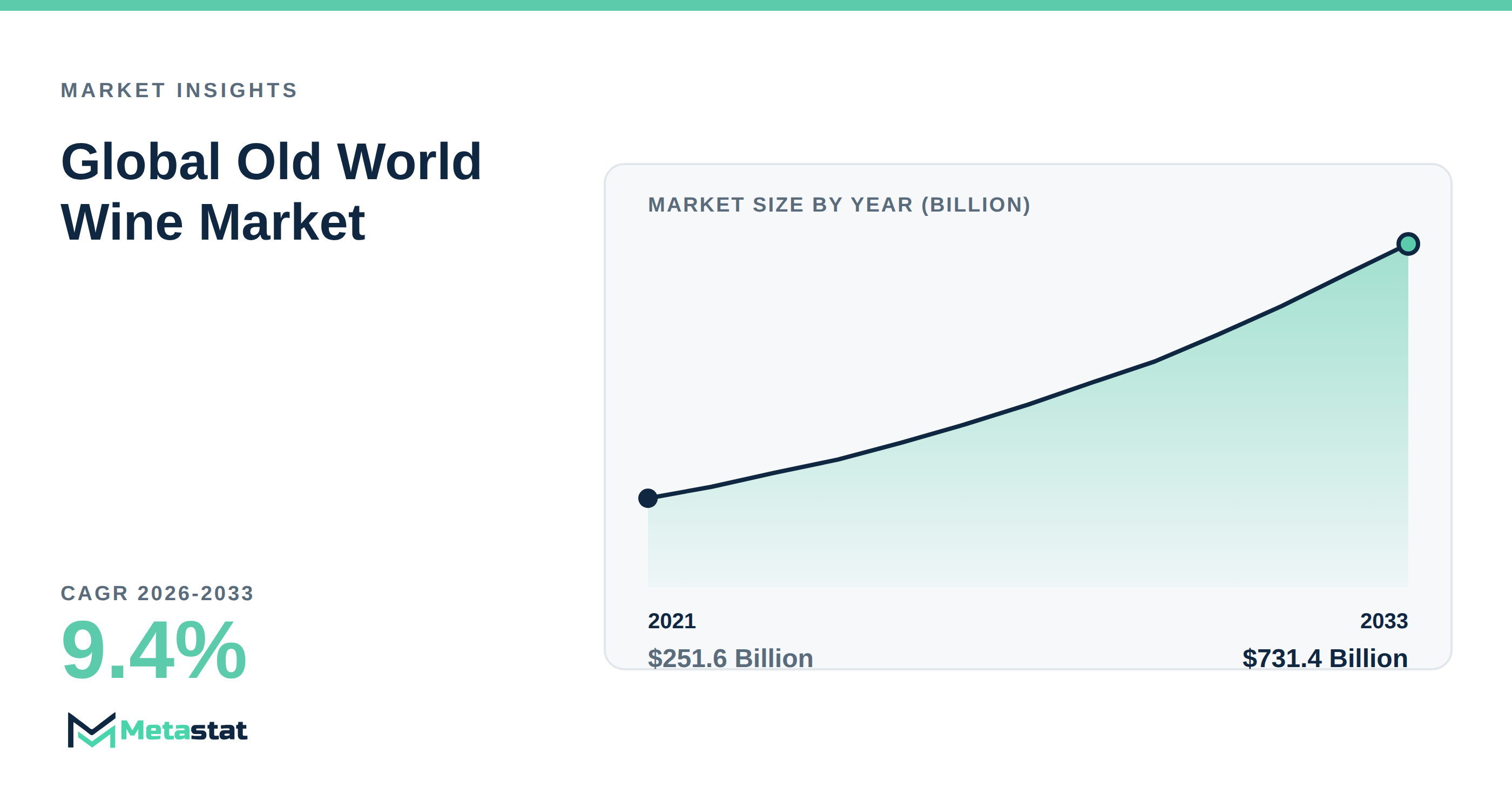
Overall, various elements influence pricing in the Old World Wine market, presenting unique considerations for buyers. From production costs driven by stringent regulations to the demand for premium offerings, awareness of these dynamics guides purchasing decisions and enhances understanding of this complex market. For a comprehensive exploration of these elements, refer to the Global Old World Wine Market.
Tags
About the Authors

LEAD ANALYST
Utkarsh Khirodkar is a Lead Market Research Analyst at MetaStat Insight, specializing in market intelligence, technology sector assessments, and competitive strategy.

LEAD PRINCIPAL ANALYST, PHARMA AND HEALTHCARE
Food and Beverages · Healthcare · Healthcare IT · Medical Devices
Ajay Devgire is the Lead Healthcare Analyst at MetaStat Insight, leading strategic research and market intelligence initiatives across the global healthcare domain.

SENIOR RESEARCH ANALYST
Biotechnology · Food and Beverages · Medical Devices · Packaging
Snehal Pasalkar is a Research Analyst at MetaStat Insight, operating at the intersection of life sciences research, competitive strategy, and market intelligence.