
Understanding the price dynamics surrounding Anti-aging EGF products is essential for buyers. This blog explores key factors that impact pricing strategies.
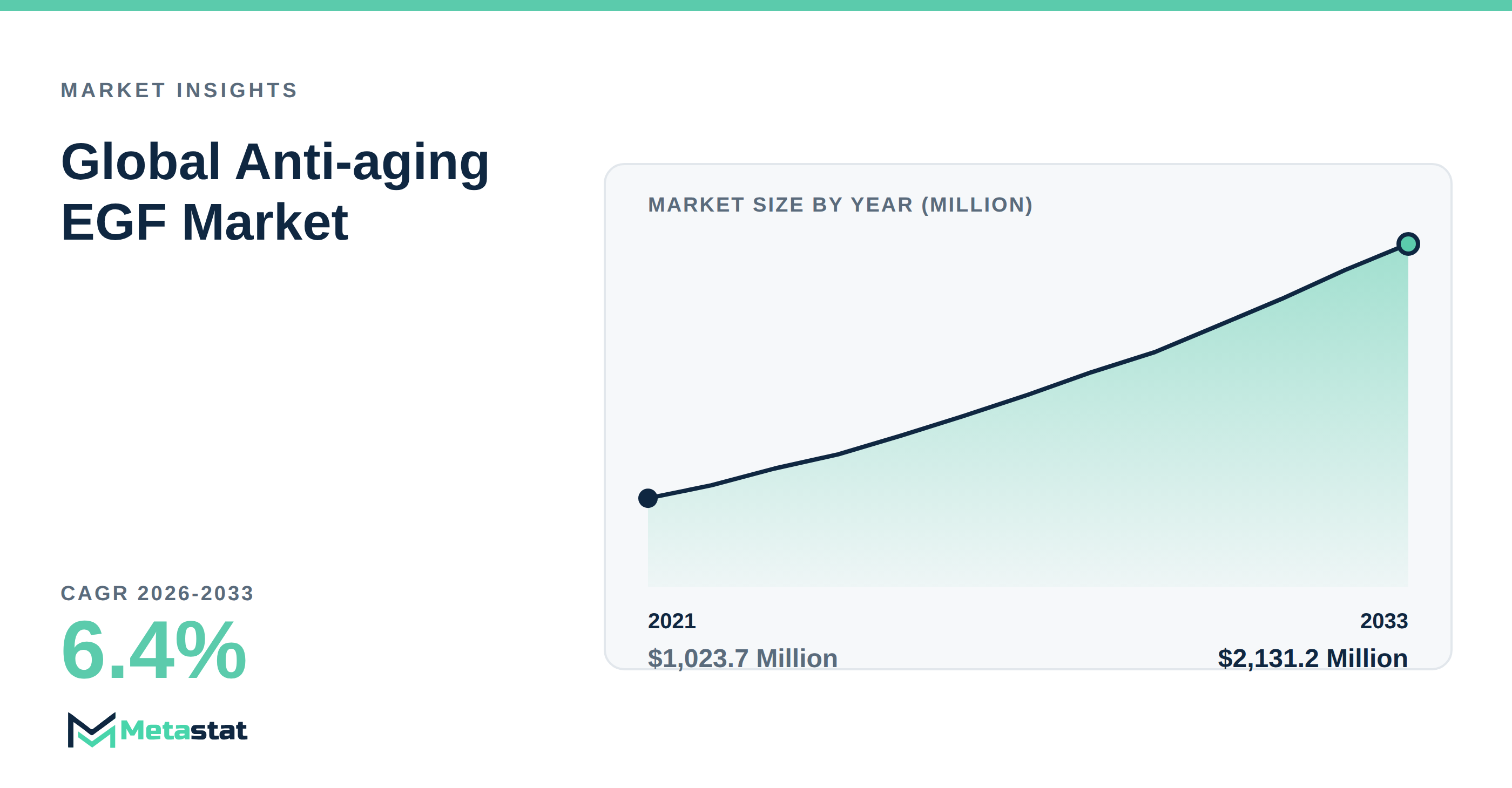
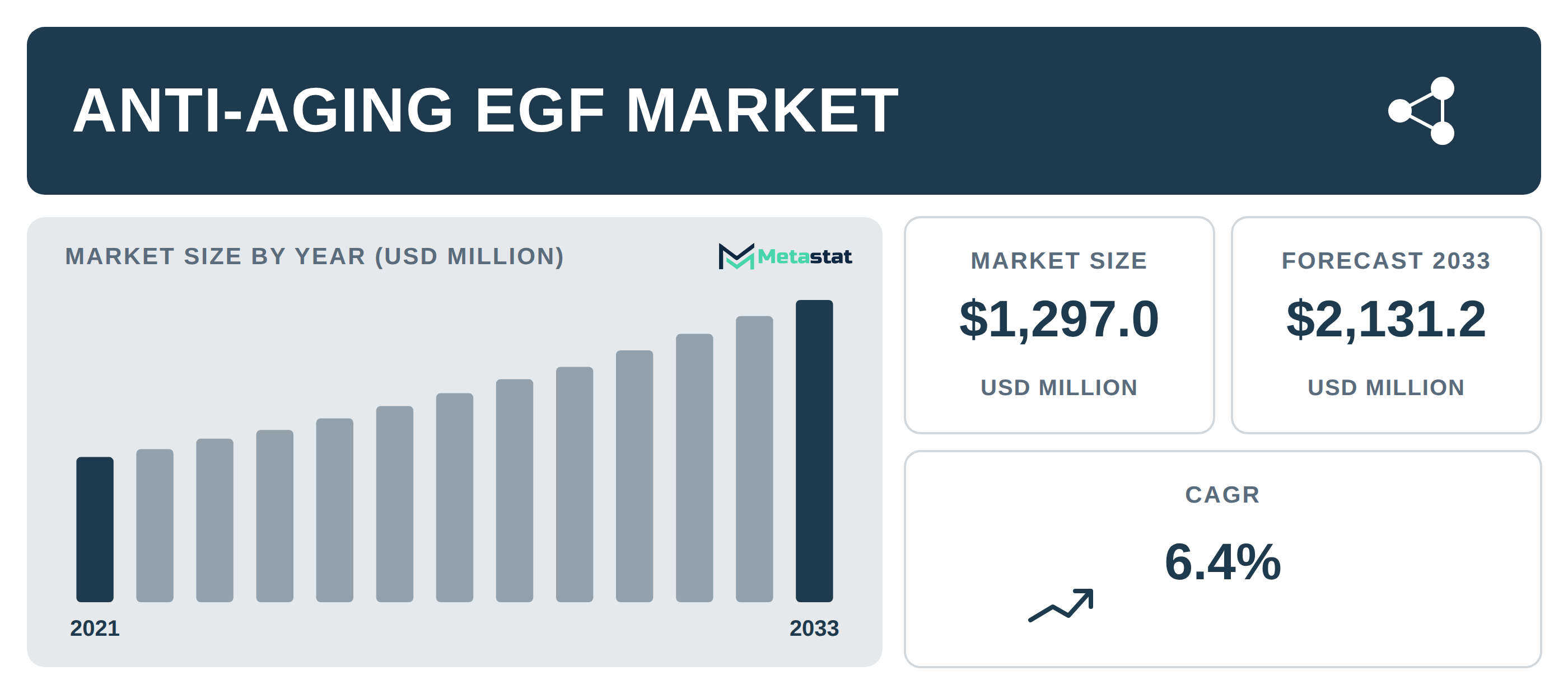
The pricing of Anti-aging EGF products reflects a complex landscape shaped by various market conditions and buyer preferences. An understanding of these dynamics empowers buyers to navigate the purchasing environment effectively. Are key factors influencing pricing in the market for Anti-aging EGF products. The full figures are in our Anti-aging EGF market size and forecast report.
1. High Demand for Effective Skincare Solutions
Heightened consumer interest in advanced skincare options fuels demand for effective Anti-aging EGF products. Consumers in their thirties to fifties increasingly allocate their budgets towards high-quality formulations that promise visible results. This shift in demographics contributes to intensified competition among suppliers, which drives up pricing as brands aim to meet consumer expectations for effectiveness and quality.
2. Liquid Formulations Dominate Pricing Strategies
The market indicates a strong preference for liquid formulations, which are projected to experience substantial growth in value. Buyers often consider liquid products more effective due to their ease of application and enhanced absorption rates. Consequently, brands charge higher prices for these formulations, anticipating that consumers will pay a premium for perceived superior results.
3. The Rise of Plant-Based EGF Products
The growing consumer preference for natural and sustainable skincare solutions has led to increased demand for plant-based EGF products. This segment is anticipated to experience significant growth, prompting suppliers to adopt pricing strategies that reflect the sourcing of ingredients and production methods. Buyers seeking eco-friendly options encounter higher price points associated with these formulations.
4. Pricing Dynamics of Professional Channels
Sales through professional clinics and medical spas have a notable impact on pricing structures. These channels often require high-quality formulations and specialized support, which contributes to elevated prices. Buyers in these environments look for products that enhance treatment outcomes, pushing brands to justify their pricing through advanced formulations and proven results.
5. Direct-to-Consumer Channels Adjust Price Structures
The move towards direct-to-consumer online sales is reshaping pricing dynamics. Consumers enjoy the convenience of purchasing skincare products online, prompting brands to implement competitive pricing strategies. This trend allows for flexibility in pricing, enabling buyers to take advantage of discounts or bundled offers that not be available through traditional retail channels.
6. Price Sensitivity Among Buyers
Despite the demand for premium Anti-aging EGF products, price sensitivity remains a crucial factor affecting purchasing behavior. Many consumers prioritize affordability, resulting in slower uptake of higher-priced offerings. Grasping this dynamic enables buyers to negotiate better pricing terms and explore value-oriented alternatives without sacrificing quality.
Ultimately, understanding these factors behind Anti-aging EGF pricing enables buyers to make informed purchasing decisions. While the market evolves, staying attuned to these dynamics will be essential for navigating potential cost implications.
Tags
About the Authors

LEAD ANALYST
Utkarsh Khirodkar is a Lead Market Research Analyst at MetaStat Insight, specializing in market intelligence, technology sector assessments, and competitive strategy.

LEAD PRINCIPAL ANALYST, PHARMA AND HEALTHCARE
Food and Beverages · Healthcare · Healthcare IT · Medical Devices
Ajay Devgire is the Lead Healthcare Analyst at MetaStat Insight, leading strategic research and market intelligence initiatives across the global healthcare domain.