
Explore the factors that influence Fluid Power Equipment pricing and how buyers navigate this complex landscape to secure better deals.
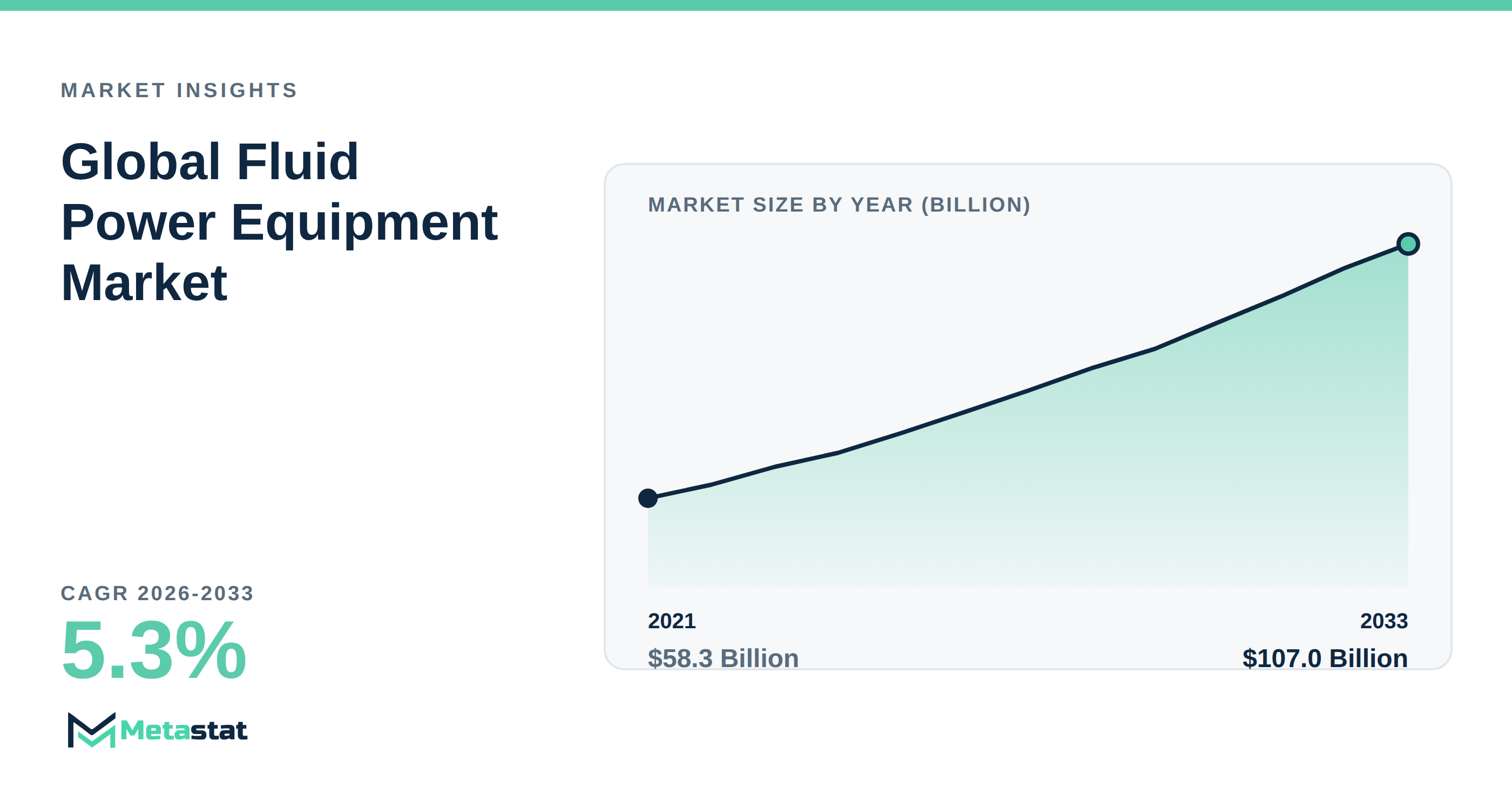
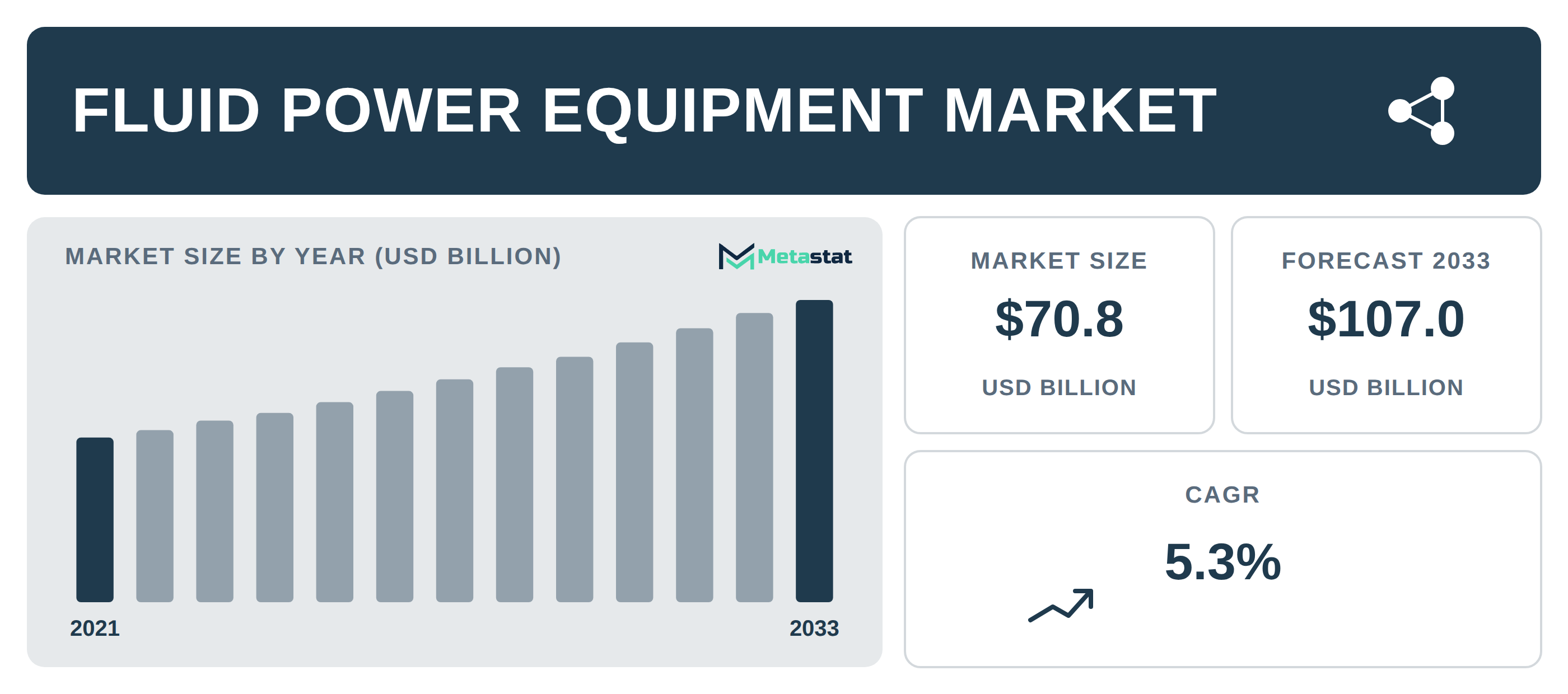
Fluid Power Equipment pricing is influenced by various factors that affect costs and purchasing strategies. While demand increases across industries including construction and manufacturing, understanding these factors becomes essential for buyers seeking value. This blog highlights critical elements that influence pricing, providing insights into how buyers navigate this landscape strategically. The full figures are in our Fluid Power Equipment market size and forecast report.
1. Technological advancements impacting operational costs
Investments in advanced hydraulic and pneumatic technologies significantly influence Fluid Power Equipment pricing. Manufacturers are developing smart systems equipped with real-time monitoring capabilities, which enhance operational efficiencies and reduce energy consumption. Although these innovative solutions increase initial costs, the long-term savings on operational expenses are substantial. Buyers focusing on these technologies negotiate better pricing based on the promise of reduced lifecycle costs.
2. Fluctuating raw material prices affecting equipment costs
Raw material costs play a crucial role in determining the pricing of Fluid Power Equipment. Fluctuations in the prices of metals and polymers directly impact production expenses. Rising prices for these essential materials lead manufacturers to pass on several costs to buyers, resulting in higher equipment prices. Buyers gain leverage by discussing cost management strategies with suppliers and exploring options for shared risks associated with material price volatility.
3. Supplier competition shaping pricing strategies
The competitive landscape in the Fluid Power Equipment sector drives pricing strategies. Numerous suppliers, including Bosch Rexroth AG and Parker-Hannifin Corporation, compete for business by offering varied pricing models and performance specifications. This competition enables buyers to leverage their bargaining power, particularly when negotiating long-term agreements. By evaluating multiple suppliers and their offerings, buyers secure better pricing opportunities while ensuring they meet their unique operational requirements.
4. Demand for customization impacting costs
Customization demands from buyers influence Fluid Power Equipment pricing. Industries often require specialized solutions tailored to specific applications, which lead to increased costs. Suppliers incorporate these customizations into their pricing structures, reflecting the complexity and additional engineering involved. Buyers enhance their negotiating position by clearly defining their needs from the outset, allowing suppliers to provide more accurate pricing based on streamlined customization processes.
5. Long-term contracts securing favorable pricing
Engaging in long-term agreements with suppliers secure favorable pricing and ensure component availability. By committing to longer-term contracts, companies negotiate lower prices and gain assurance regarding supply consistency. This strategic approach mitigates pricing fluctuations and enhances operational efficiencies, as suppliers align production schedules with committed purchase volumes.
6. Focus on sustainability driving pricing changes
The increasing emphasis on sustainability impacts the pricing of Fluid Power Equipment. Manufacturers are adopting greener technologies and energy-efficient solutions, which often result in higher upfront costs. However, the long-term operational savings and compliance with environmental regulations justify these expenses. Buyers pursuing sustainable options leverage their commitment to environmental stewardship during negotiations, potentially securing better pricing terms based on shared sustainability goals.
In summary, understanding the dynamics of Fluid Power Equipment pricing equips buyers to navigate the market effectively. By recognizing key influencing factors, organizations optimize their procurement strategies, secure favorable pricing, and enhance operational efficiencies.
Tags
About the Authors

LEAD ANALYST
Utkarsh Khirodkar is a Lead Market Research Analyst at MetaStat Insight, specializing in market intelligence, technology sector assessments, and competitive strategy.

INDUSTRY CONSULTANT - CHEMICALS & ADVANCED MATERIALS
Chemicals and Materials · Machinery & Equipment · Packaging
Amit Gadhekar Consultant for Chemicals and Materials at MetaStat Insight, directing sector-specific intelligence, research, and strategic consulting across global chemical and processing markets.

PRINCIPAL CONSULTANT - QUALITY SYSTEMS & COMPLIANCE
Electronics and Semiconductor · Machinery & Equipment · Professional Services
Omkar Phadtare is an Industry Consultant at MetaStat Insight, specializing in quality systems, regulatory compliance, and standards benchmarking to drive data-driven market intelligence and strategic industry research.

ENERGY & INFRASTRUCTURE INDUSTRY CONSULTANT
Automotive and Transportation · Electronics and Semiconductor · Energy and Power · Machinery & Equipment
Saurabh Vasant Ganvir consults for Energy & Infrastructure Industry at MetaStat Insight, specializing in renewable energy, solar EPC, and electric vehicle (EV) infrastructure markets.

LEAD CONSULTANT - COMMUNICATION, TELECOM, AND IT
Electronics and Semiconductor · Information & Technology · Machinery & Equipment · Professional Services
Ravindra Sathe Consultants for Communication, Telecom, and IT at MetaStat Insight. He leads the firm's industry research initiatives across telecommunications infrastructure, digital connectivity, enterprise networking, and emerging information technology domains.