
Explore the critical factors affecting pricing in Payment Processing Solutions, including payment methods, regulatory compliance, and consumer expectations.
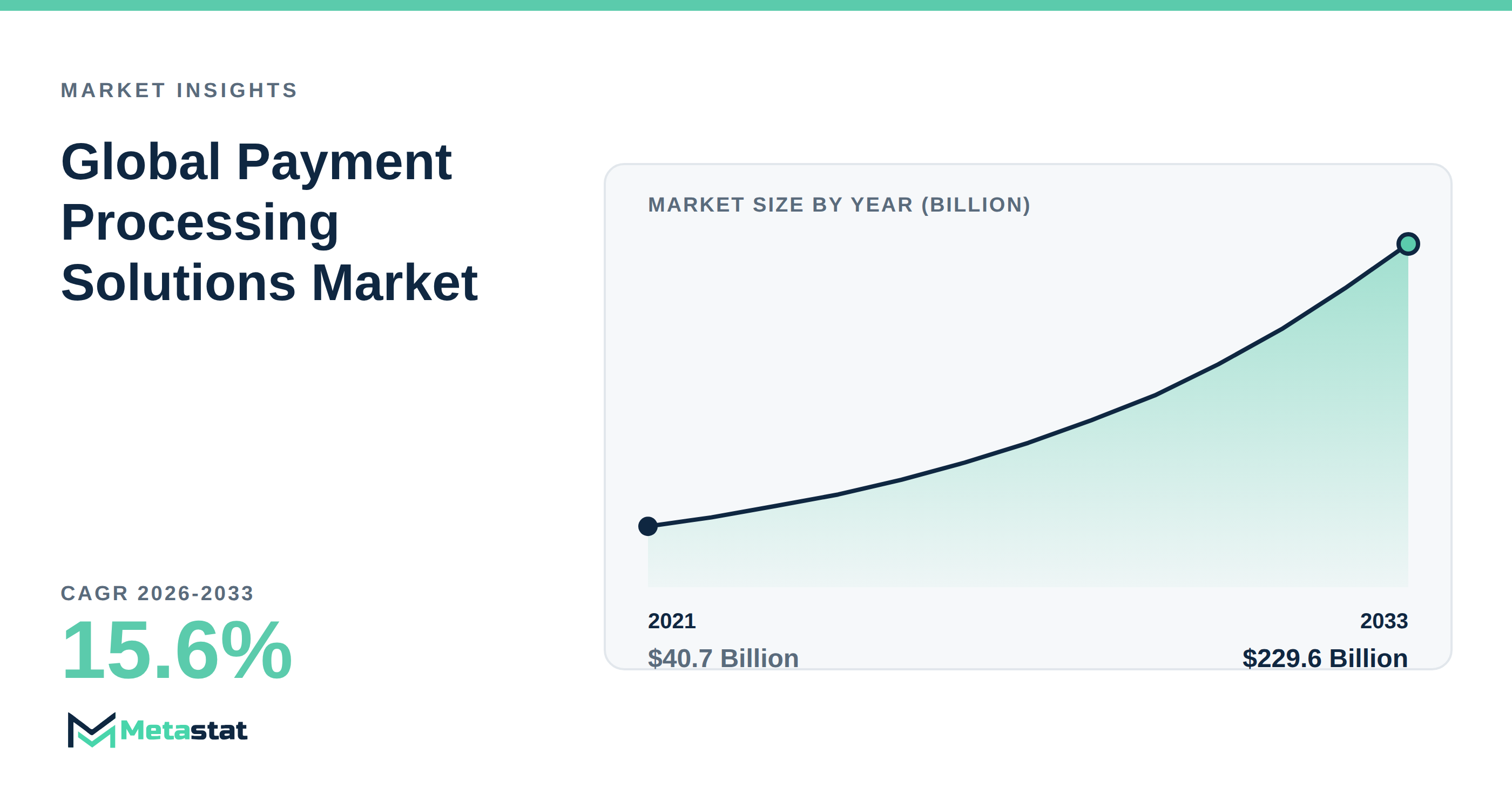
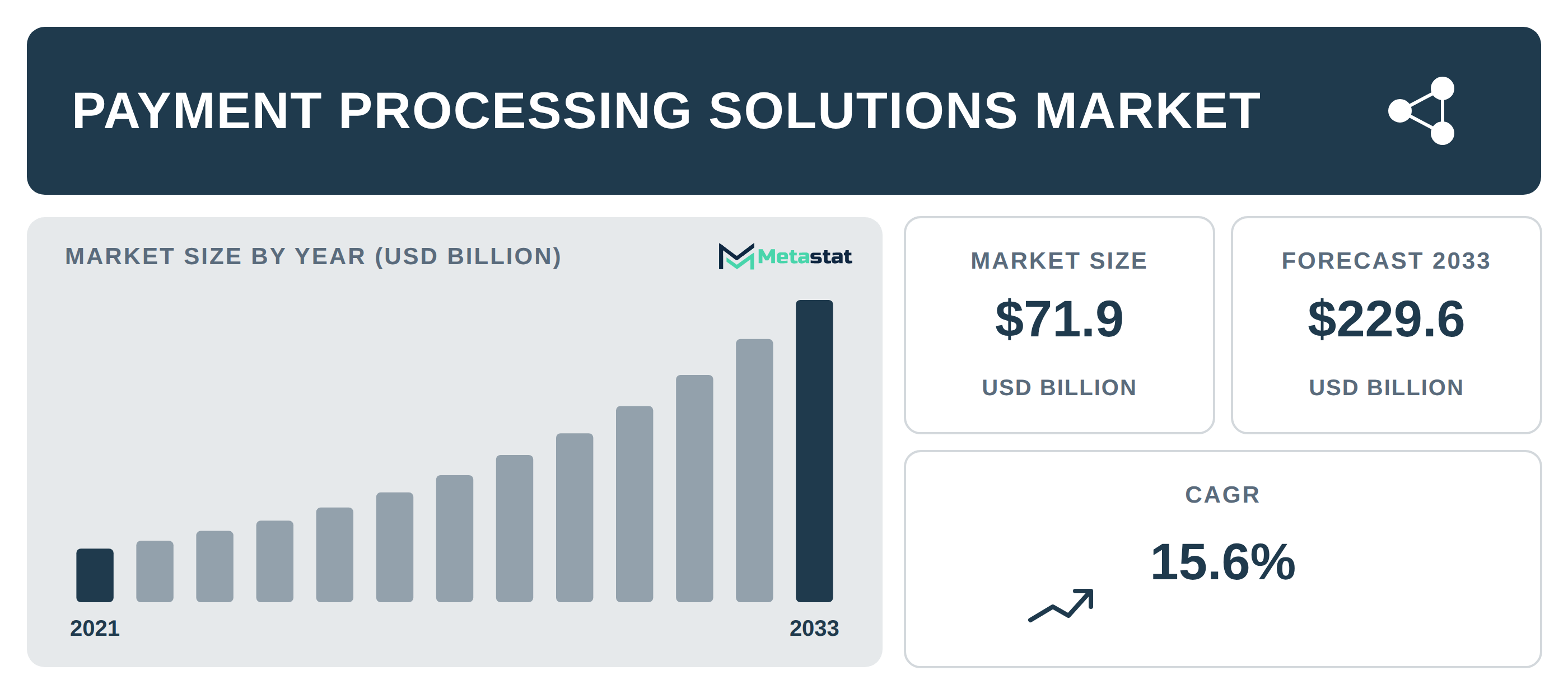
The pricing landscape in the market for Payment Processing Solutions is multifaceted, influenced by various factors that impact costs. Buyers seeking to understand these determinants improve their negotiation strategies and operational efficiency. This blog outlines six key factors that directly influence pricing in this sector. The full figures are in our Payment Processing Solutions market size and forecast report.
1. Payment method diversity affects costs
The range of payment methods offered to consumers impacts pricing structures within the market for Payment Processing Solutions. Payment methods including credit cards, debit cards, and digital wallets come with differing transaction fees, often influenced by the issuer’s policies and the processing provider’s arrangements. For instance, credit card transactions typically incur higher processing fees compared to digital wallets, which offer lower costs due to reduced fraud risk. Understanding these variations allows businesses to prioritize payment methods that align with their pricing strategies, ultimately enhancing profit margins.
2. Cloud-based versus on-premises solutions
Companies face different pricing structures depending on whether they choose cloud-based or on-premises payment processing solutions. Cloud-based platforms often involve subscription or pay-per-transaction fees, which provide cost flexibility for businesses, particularly small and medium-sized enterprises (SMEs) seeking to minimize upfront costs. In contrast, on-premises solutions require significant up-front investment and ongoing maintenance costs, which hinder a company’s cash flow. SMEs evaluate their budgets and operational needs when selecting between these deployment models, as this decision directly impacts their long-term pricing.
3. Regulatory compliance costs
Compliance with regulations, particularly regarding data protection and transaction security, can significantly affect pricing for payment processing solutions. Service providers invest in technologies and practices that adhere to industry standards, and these costs often get passed on to businesses using their services. Organizations that prioritize regulatory compliance gain trust with their customers; however, they balance this with the associated costs. As compliance requirements evolve, businesses should remain proactive in ensuring their payment solutions meet all relevant regulations, thereby avoiding potential penalties or fines.
4. Consumer expectations for security and convenience
Growing consumer expectations for secure and convenient payment solutions drive demand for advanced technologies, which influence pricing. Payment providers focusing on implementing robust security features are often able to justify higher fees due to the added value they provide. Features including tokenization and encryption enhance transaction security, appealing to customers concerned about data breaches. Businesses that invest in secure payment solutions not only mitigate risks but leverage them as selling points, potentially leading to higher customer retention and improved sales.
5. Competition among payment processors
The competitive dynamics among payment processors play a crucial role in pricing strategies. In a landscape featuring numerous providers, companies find themselves under pressure to offer competitive rates, particularly when targeting SMEs. New entrants to the market introduce disruptive pricing models, compelling established companies to rethink their pricing structures to retain market share. As buyers assess their options, recognizing the competitive factors at play helps them negotiate better terms and select the most cost-effective solutions for their operations.
6. Transaction volume as a pricing lever
Transaction volume significantly influences pricing for businesses engaged in payment processing solutions. Higher transaction volumes often yield lower per-transaction costs, as many providers offer tiered pricing models. Businesses anticipating growth should proactively negotiate pricing based on their expected transaction volumes. By understanding how transaction levels impact costs, organizations optimize their pricing agreements with payment processors, ensuring they benefit from economies of scale while maintaining efficient operations.
Understanding these key factors helps businesses navigate the complex pricing landscape of Payment Processing Solutions. By aligning their payment strategies with these considerations, organizations optimize costs and enhance their overall payment processing efficiency.
Tags
About the Authors

LEAD ANALYST
Utkarsh Khirodkar is a Lead Market Research Analyst at MetaStat Insight, specializing in market intelligence, technology sector assessments, and competitive strategy.

PRINCIPAL CONSULTANT - ENTERPRISE AI & EMERGING TECHNOLOGIES
Banking & Finance · Electronics and Semiconductor · Energy and Power · Healthcare IT · Information & Technology · Professional Services
Vijay Gunti is a Principal Consultant at MetaStat Insight, bringing over two decades of experience across enterprise digital transformation, technology strategy, and intelligent systems.