
Explore crucial factors driving pricing in Radiology Information Systems, helping buyers optimize their investments and improve patient care.
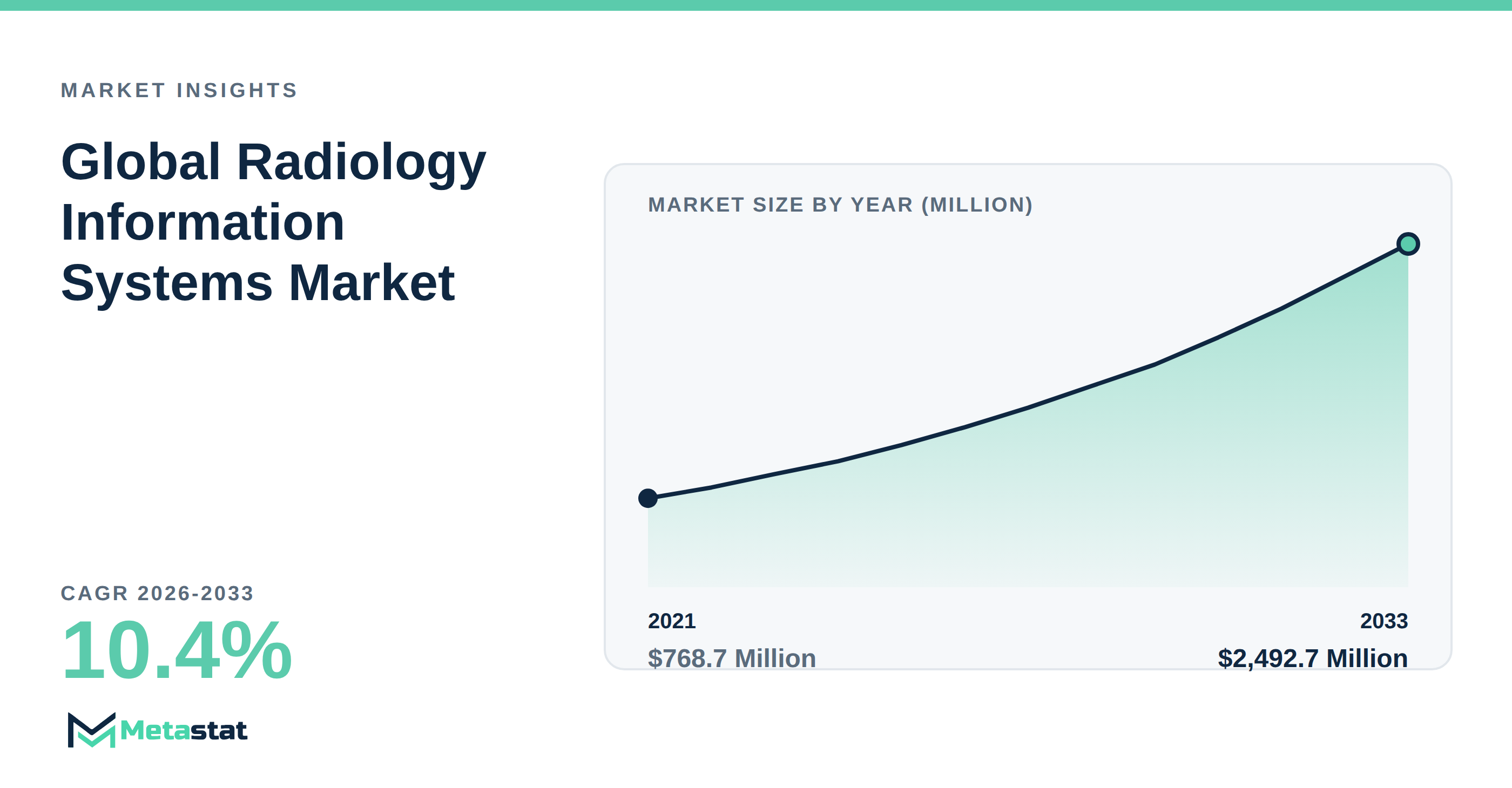
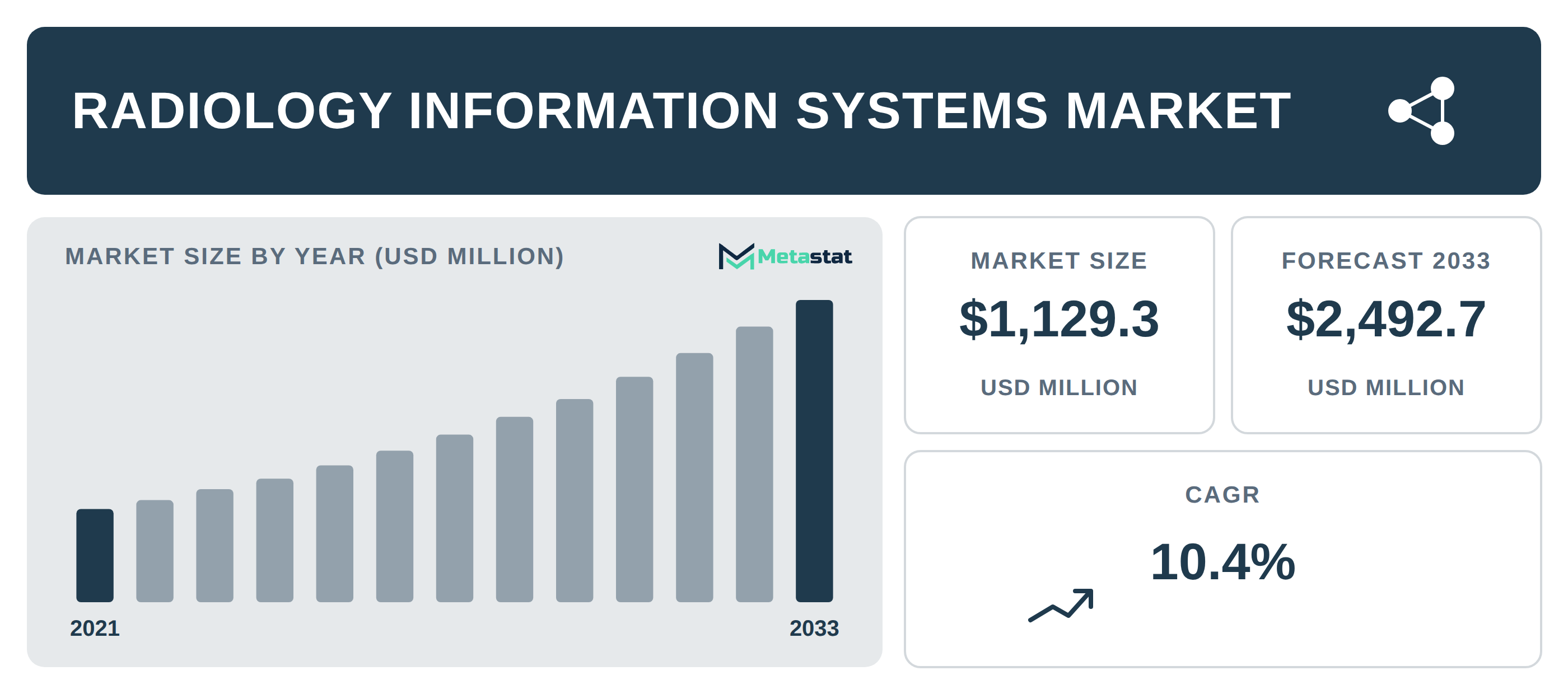
The market for Radiology Information Systems (RIS) is evolving rapidly, shaping how healthcare organizations manage radiological data and workflows. Understanding the various factors that affect pricing in this sector is crucial for potential buyers looking to optimize their investments. Are six key elements that play a significant role in determining the pricing of Radiology Information Systems. The full figures are in our Radiology Information Systems market size and forecast report.
1. Integrated vs. Standalone Systems
Choosing between integrated and standalone Radiology Information Systems significantly impacts pricing. Integrated RIS solutions provide a comprehensive platform that unifies clinical information and imaging data, resulting in higher initial costs. However, they offer long-term savings by minimizing the need for multiple systems, which complicate workflows. On the other hand, standalone RIS options typically come with a lower purchase price but may incur additional costs through necessary integrations with other software over time. Buyers should evaluate the total cost of ownership to make a wise decision, ensuring they do not sacrifice efficiency for lower upfront expenditures.
2. Advantages of Cloud-Based Deployments
Cloud-based Radiology Information Systems are gaining traction due to their scalability and cost benefits. These systems often operate under subscription pricing, enabling organizations to allocate resources more effectively while managing expenses predictably. The initial investment is typically lower compared to on-premise solutions, as there is no need for significant infrastructure investments. Leveraging the flexibility of cloud solutions enhance operational capabilities, potentially leading to reduced overall costs in the long run. This shift in deployment mode signifies a broader trend where healthcare providers opt for cost-efficient and scalable technologies.
3. Subscription Models and Budget Management
Subscription pricing models for cloud-based RIS allow healthcare organizations to handle budgets more efficiently. These structures typically include predictable monthly fees that align with service usage levels. Such financial arrangements eliminate the burden of large upfront costs, particularly benefiting independent diagnostic imaging centers. This pricing approach bolsters operational efficiency and aids in strategic resource allocation, allowing imaging centers to concentrate on improving patient care without compromising financial stability.
4. Impact of Regulatory Compliance Costs
Compliance with healthcare regulations significantly influences the pricing of Radiology Information Systems. Organizations are required to invest in features or upgrades to ensure adherence to industry standards and regulations. Examples include advanced data security measures and interoperability requirements, both of which contribute to increased costs. Buyers should consider these potential compliance-related expenses when assessing system pricing, as underestimating them could result in unforeseen financial burdens later.
5. Integration with PACS and EHR
The integration of Radiology Information Systems with Picture Archiving and Communication Systems (PACS) and Electronic Health Records (EHR) enhances value but can affect pricing. Such integration streamlines workflows and improves patient data management. However, achieving compatibility leads to higher costs during procurement and implementation. Hospitals inevitably prioritize these integrations to optimize operational efficiencies, indicating that organizations should assess the potential return on investment against the initial expenses associated with integrated solutions.
6. Cost Pressures from Supplier Profitability
Increased operational costs for suppliers in the Radiology Information Systems sector create significant price pressures. Suppliers face rising expenses related to talent acquisition and retention, which diminishes profitability. As competition for skilled professionals intensifies, salaries rise. Suppliers often respond by investing in employee training and productivity-enhancing technologies. Consequently, buyers experience fluctuating pricing structures as suppliers adjust to maintain quality while managing costs. Understanding these dynamics help buyers navigate negotiations and find the best value for their investment.
Recognizing the critical factors that influence pricing in Radiology Information Systems enables buyers to make informed decisions. By evaluating the relationship between system types, deployment methods, compliance needs, and integration considerations, healthcare organizations optimize their investments and ultimately enhance patient care outcomes.
Tags
About the Authors

LEAD ANALYST
Utkarsh Khirodkar is a Lead Market Research Analyst at MetaStat Insight, specializing in market intelligence, technology sector assessments, and competitive strategy.

LEAD PRINCIPAL ANALYST, PHARMA AND HEALTHCARE
Food and Beverages · Healthcare · Healthcare IT · Medical Devices
Ajay Devgire is the Lead Healthcare Analyst at MetaStat Insight, leading strategic research and market intelligence initiatives across the global healthcare domain.

PRINCIPAL CONSULTANT - ENTERPRISE AI & EMERGING TECHNOLOGIES
Banking & Finance · Electronics and Semiconductor · Energy and Power · Healthcare IT · Information & Technology · Professional Services
Vijay Gunti is a Principal Consultant at MetaStat Insight, bringing over two decades of experience across enterprise digital transformation, technology strategy, and intelligent systems.