
LEAD ANALYST
Utkarsh Khirodkar is a Lead Market Research Analyst at MetaStat Insight, specializing in market intelligence, technology sector assessments, and competitive strategy.

Global Radiology Information Systems Market Size, Share, By Product Type (Integrated RIS and Standalone RIS), By Deployment Mode (Web-based, Cloud-based and On-premise), By Application (Diagnostic Radiology, Interventional Radiology, Nuclear Medicine, Radiation Oncology and Breast Imaging and Mammography), By End User (Hospitals, Independent Diagnostic Imaging Centers, Teleradiology Service Providers and Others (Specialty Clinics, Academic Research Imaging Facilities)), Industry Analysis, Growth, Trends, and Forecast, 2026-2033
Report ID
MSI-5522
Published
October, 2026
Pages
257 Pages
Format
Historical
Base year
Forecast
Forecast period
Report Details
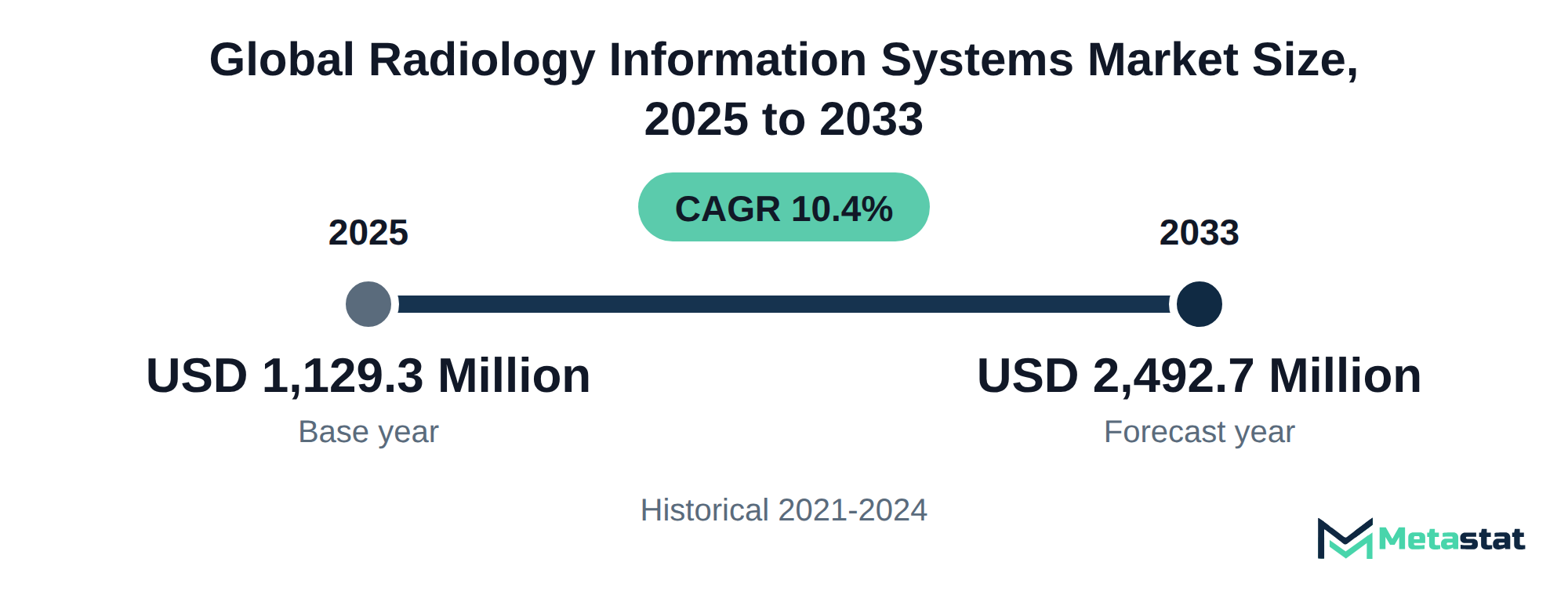
Market Valuation: Valued at $1,129.3 Million in 2025, projected to reach $2,492.7 Million by 2033 at a 10.4% CAGR.
Dominant Segment: The Integrated RIS segment leads the market, driven by a growing demand for comprehensive solutions that enhance workflow efficiency and data management in healthcare facilities.
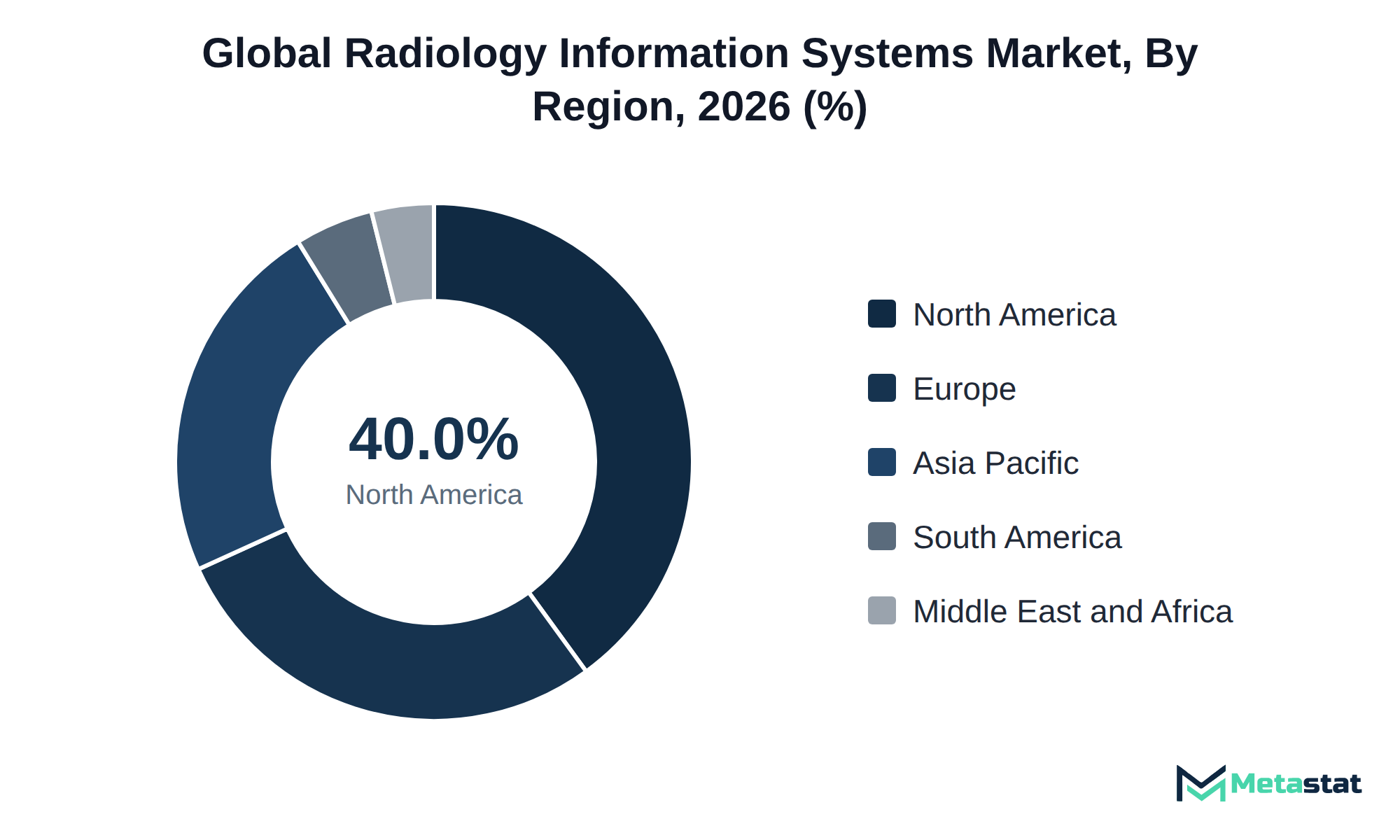
Geographic Lead: North America holds the largest market share, accounting for 40.0% in 2025, with the US expected to continue leading due to significant investments in advanced radiology technologies.
What's Inside: The report provides detailed competitive coverage, analysis of market dynamics, and forecasts from 2026 to 2033, focusing on various product types, deployment modes, applications, and end users.
Cloud-Based Growth: Cloud-based RIS solutions exhibit the fastest growth rate, projected to reach USD 1,367.5 million by 2033, reflecting a 13.5% CAGR as healthcare providers prioritize flexibility and scalability.
AI Integration: AI-assisted scheduling and reporting automation in radiology workflows is gaining traction, with the segment projected to reach USD 682.5 million by 2033, highlighting the increasing reliance on advanced technologies.
Choose Your License
Global Radiology Information Systems Market
The global Radiology Information Systems market was valued at USD 1,129.3 million in 2025 and is projected to reach USD 2,492.7 million by 2033, growing at a CAGR of 10.4% over the forecast period.
The Radiology Information Systems market encompasses software solutions designed to manage radiological data and workflows, improving the efficiency of imaging departments. These systems facilitate the integration of diagnostic imaging, streamline reporting processes, and enhance patient care. Buyers invest in these solutions to address the increasing demand for efficient radiology services, improve patient outcomes, and comply with regulatory requirements. North America holds 40.0% of the market in 2025, with the US leading in 2026.
Several factors drive growth in the Radiology Information Systems market, including the rising prevalence of chronic diseases that require advanced imaging services. Hospitals represent the largest end-user segment and rely on integrated systems for data management. Among the different regions, North America maintains the largest share, followed by Europe and Asia Pacific. In terms of growth rate, cloud-based deployment solutions exhibit the most significant expansion, driven by increasing adoption of digital technologies.
The Integrated RIS segment generates the highest revenue within the market, reflecting the shift toward comprehensive, all-in-one solutions. The need for interoperability among healthcare systems further advances market growth, ensuring that radiology departments effectively share and analyze data across platforms. Technology evolves, and the market adapts to meet the changing demands of healthcare providers, enhancing overall service delivery.
The Radiology Information Systems market addresses the increasing demand for efficient management of radiological data and workflows. Buyers invest in these systems to enhance operational efficiency, streamline processes, and ensure compliance with regulatory standards. The primary consumers include hospitals, independent diagnostic imaging centers, and teleradiology service providers, all of whom seek to optimize their imaging operations and improve patient care outcomes.
Growth within the market is driven by the rising adoption of integrated solutions that facilitate interoperability and data sharing. Integrated RIS stands out as the segment with the highest value, reflecting a trend towards comprehensive systems that enhance workflow efficiency. North America holds 40.0% of the market in 2025, with the US leading in 2026, highlighting the region's significant investment in advanced radiology technologies.
Factors including the increasing focus on patient-centric care and advancements in imaging technology contribute to market expansion. The shift towards cloud-based deployment modes presents growth opportunities by giving healthcare providers scalable solutions that improve accessibility and data management. Rising demand for diagnostic applications further supports the growth trajectory of the Radiology Information Systems market.
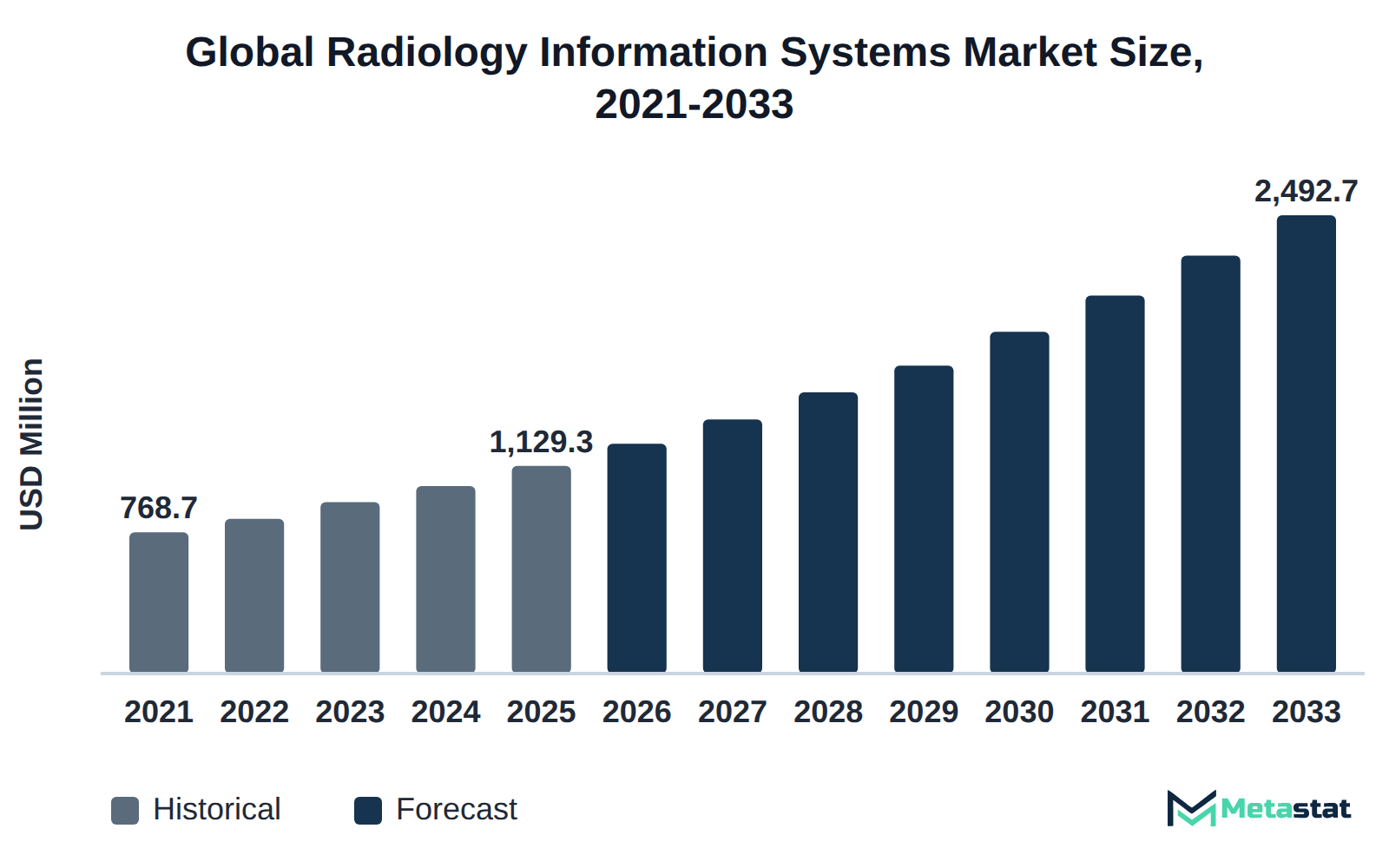
Cloud-based Radiology Information Systems (RIS) have gained traction within multisite imaging networks due to their significant scalability and cost-efficiency. The preference for cloud-based solutions aligns with a projected value of USD 1,367.5 million by 2033, reflecting a compound annual growth rate (CAGR) of 13.5% during the forecast period. This growth shows healthcare facilities prioritizing flexible, accessible systems that improve workflows across multiple locations.
Adopting cloud-based RIS facilitates data sharing and collaboration among various imaging centers, enhancing patient care and operational efficiency. Facilities no longer face the limitations of traditional on-premise systems, which often require extensive infrastructure investments and maintenance. Subscribers benefit from predictable monthly costs associated with cloud services, allowing for better budget management. The subscription pricing model enables organizations to allocate resources more effectively, supporting enhancements in radiological services.
This shift towards cloud-based RIS in the Radiology Information Systems market optimizes operational processes and drives competitiveness among imaging providers. By adopting advanced technology, organizations expand their service offerings while maintaining quality, positioning themselves favorably in a changing healthcare environment.
Integrating Radiology Information Systems (RIS) with Picture Archiving and Communication Systems (PACS) and Electronic Health Records (EHR) is a key part of procurement in healthcare facilities. This integration streamlines workflow, improves patient data management, and enhances diagnostic accuracy. Hospitals increasingly prioritize this integration during procurement processes, driven by the growing demand for efficient and comprehensive healthcare solutions.
This growth reflects hospitals' commitment to adopting advanced technologies that facilitate effective data exchange. Hospitals integrating RIS systems experience improved operational efficiency and enhanced patient care, which translates into financial benefits through cost savings and better resource allocation.
Commercial contracts for RIS often include performance-based pricing models, which align the costs with the systems' effectiveness. Such pricing structures incentivize vendors to deliver high-quality solutions that meet specific operational needs. Integrating RIS with PACS and EHR systems streamlines processes and also shapes hospitals' strategic planning and procurement decisions, which contributes to overall market growth.
AI-assisted scheduling and reporting automation significantly enhances efficiency in radiology workflows, addressing the unique demands of independent diagnostic imaging centers. These facilities require streamlined processes to manage patient flow and optimize resource allocation effectively. This segment is projected to reach USD 682.5 million by 2033, reflecting increasing reliance on advanced technologies to improve operational efficiency. Related AI applications in image interpretation are covered in the AI in medical imaging market.
Implementing AI-driven solutions mitigates administrative burdens, allowing staff to focus on patient care and diagnostic accuracy. By automating scheduling, these systems reduce appointment errors and ensure timely patient consultations, which directly influences customer satisfaction and revenue. The Radiology Information Systems market witnesses a shift toward integrating these technologies, signaling growing recognition of their value in enhancing productivity.
Buyers evaluating Radiology Information Systems face a critical choice between integrated and standalone solutions. Integrated RIS offers a comprehensive platform that combines various functions, streamlining workflows and reducing the need for disparate systems. For example, the integrated segment is expected to grow from USD 862.9 million in 2026 to USD 1,824.2 million by 2033, reflecting a compound annual growth rate (CAGR) of 11.3%. This growth indicates a strong preference among buyers for solutions that enhance efficiency and reduce operational complexity.
In contrast, standalone RIS systems serve specific tasks, which are beneficial for smaller facilities or those with limited budgets. These systems are projected to reach a value of USD 668.6 million by 2033, with a CAGR of 8.1%. While standalone systems provide flexibility, they require additional integration with other software, which could result in higher long-term costs. Buyers in the Radiology Information Systems market weigh the immediate cost savings of standalone solutions against the potential efficiencies gained from integrated systems, influencing their purchasing decisions significantly.
Growing healthcare infrastructure investment drives demand for Radiology Information Systems market solutions. Hospitals and diagnostic imaging centers prioritize upgrades to enhance operational efficiency and improve patient care. Heightened awareness of the importance of efficient data management pushes buyers to seek advanced RIS technology. This shift results in increased spending, with hospitals projected to invest significantly in RIS solutions, leading to a CAGR of 9.5% from 2026 to 2033. Enhanced capabilities for data integration, reporting, and patient management fuel this trend. The focus on quality healthcare delivery and operational streamlining strengthens demand for innovative systems that meet regulatory requirements and facilitate effective data exchange. This momentum reflects the ongoing transformation within healthcare sectors, emphasizing the necessity for advanced technological solutions.
Transitioning to cloud-based Radiology Information Systems (RIS) supports operational efficiency and reduces capital expenditure for healthcare providers. This deployment model offers flexibility, allowing facilities to scale their use of resources based on demand fluctuations, a critical factor for institutions facing budget constraints. The market experiences increased adoption among independent diagnostic imaging centers and hospitals seeking cost-effective solutions without compromising functionality. Enhanced data security and compliance with industry standards further encourage users to migrate to cloud-based systems.
Ongoing advancements in cloud technology drive innovation in the market, enabling features including remote access, integrated analytics, and real-time collaboration among healthcare professionals. These capabilities improve workflow management and patient care quality, making cloud-based RIS an attractive option for providers. The expected growth within this segment signals a shift in preferences, with healthcare organizations prioritizing solutions that offer both efficiency and the ability to adapt to emerging technological trends.
Increasing costs associated with Radiology Information Systems create a significant barrier for healthcare providers, particularly hospitals and independent diagnostic imaging centers. These organizations face budget constraints, which lead to slower uptake of advanced systems and delay necessary upgrades. The financial strain of implementing new technologies, combined with ongoing operational expenses, influences purchasing decisions and reduces order sizes. In the context of the market, buyers exhibit hesitation in committing to large-scale investments, affecting their ability to enhance imaging capabilities with state-of-the-art solutions. While the cost of implementing sophisticated systems rises, the need for strategic budgeting and cost management becomes crucial for buyers, ultimately impacting overall market growth.
Profitability challenges arise from increasing operational costs for suppliers in the Radiology Information Systems market. Rising expenses related to talent acquisition and retention significantly affect operational budgets. The competition for skilled professionals intensifies, driving salaries higher, which reduces margins. Suppliers respond by investing in employee training programs and productivity-enhancing technologies, focusing on efficiency improvements to offset rising costs. Several companies streamline operations through automation and improved workflows, allowing them to maintain competitive pricing while managing profitability. This shift helps suppliers manage market dynamics while continuing to deliver high-quality solutions. Market competitors actively seek partnerships and collaborations to expand their service offerings and share resources, further mitigating financial strain. The ongoing adjustments reflect a proactive approach to sustaining growth amid increasing financial pressures.
This segment appeals to hospitals and independent diagnostic imaging centers looking to enhance workflow efficiency and patient management. The comprehensive capabilities of integrated RIS improve operations by providing a unified platform for managing clinical information, imaging data, and administrative tasks. Increased demand for more efficient data processing and improved patient outcomes drives adoption among healthcare providers.
Healthcare facilities seeking to optimize their imaging departments find integrated RIS solutions essential for meeting evolving operational needs. The market's focus on this segment aligns with a broader trend toward consolidation and integration of healthcare technologies, responding effectively to competitive pressures and emerging challenges. Enhanced functionality and interoperability with existing systems further position integrated RIS as a preferred choice among end users in the radiology information systems market.
The Global Radiology Information Systems market is segmented based on Product Type, Deployment Mode, Application, and End User.
This segment streamlines workflows and improves data management for hospitals and independent diagnostic imaging centers. The increasing need for data interoperability within healthcare systems drives demand for these solutions. Integrated RIS differs from standalone systems by offering comprehensive features that enhance operational efficiency. While standalone RIS solutions are projected to grow at a CAGR of 8.1%, integrated RIS solutions offer a larger growth opportunity because of their strong capabilities in managing complex imaging workflows. The focus on enhancing patient care through advanced technology further supports the expansion of this segment.
Standalone RIS segment is estimated to reach USD 668.6 million by 2033, at a CAGR of 8.1% during the forecast period. This segment provides radiological data management solutions for smaller healthcare facilities and specialty practices that require streamlined workflows and efficient reporting capabilities. Demand for standalone systems arises predominantly from independent diagnostic imaging centers, which benefit from the flexibility and focused features of these systems. Factors including budget constraints and the need for specialized applications drive this segment's growth, appealing to buyers seeking lower-cost alternatives compared to integrated systems. The Integrated RIS segment exhibits a higher CAGR of 11.3%. Standalone systems grow more slowly because of limited scalability and a narrower application scope, which caters primarily to specific end users rather than broader healthcare networks. The Radiology Information Systems market recognizes the importance of standalone solutions in addressing the needs of diverse medical facilities.
Web-based segment is valued at USD 445.2 million in 2026 and is projected to reach USD 779.5 million by 2033, at a CAGR of 8.3% during the forecast period. This segment provides flexible access to radiology information, allowing users to manage and analyze imaging data remotely. Healthcare providers including hospitals and independent diagnostic imaging centers increasingly adopt web-based solutions for their ability to streamline workflows and reduce the need for on-premise infrastructure. Demand for these systems is driven by the growth of telemedicine and the need for real-time data access, which supports timely diagnostic decisions. In contrast to on-premise solutions that involve higher upfront costs, web-based systems offer a more sustainable pricing model. These advantages position the web-based segment for steady growth, although it experiences a slower CAGR compared to the cloud-based segment, which achieves a CAGR of 13.5% driven by advanced data management capabilities.
This segment provides scalable solutions for hospitals and diagnostic imaging centers, allowing them to manage patient data and imaging workflows efficiently. Demand for cloud-based systems is driven by the growing need for remote access to medical data and collaboration among healthcare providers. Compared to other deployment modes, cloud-based systems offer higher flexibility and lower initial capital expenditures, appealing to facilities seeking to reduce operational costs. Security concerns and regulatory compliance continue to challenge rapid adoption, but advancements in cloud technology are addressing these issues. This segment's growth trajectory surpasses that of web-based and on-premise options, reflecting a strong shift in preference among buyers toward cloud technology.
The on-premise segment is expected to reach USD 345.7 million by 2033. This deployment mode is typically adopted by healthcare facilities that prefer to manage their IT infrastructure internally, ensuring control over data security and system integrations. Hospitals and independent diagnostic imaging centers frequently adopt this solution due to stringent regulatory demands and the need for customized configurations. The on-premise segment experiences slower growth compared to cloud-based alternatives, which have a CAGR of 13.5%. This slower trajectory reflects the increasing shift toward cloud solutions, which offer enhanced scalability and reduced maintenance costs. Despite its slower growth, on-premise solutions remain vital for organizations prioritizing data sovereignty and local hosting capabilities, allowing them to tailor systems according to specific operational needs.
Diagnostic Radiology segment is valued at USD 718.7 million in 2026 and is projected to reach USD 1,351.8 million by 2033, at a CAGR of 9.4% during the forecast period. This segment focuses on diagnosing diseases through imaging techniques, serving hospitals and independent diagnostic imaging centers. Increased prevalence of chronic diseases and the need for accurate diagnostic tools drive growth in this segment. Compared to other sub-segments, Diagnostic Radiology exhibits a moderate growth rate. The anticipated CAGR of 9.4% reflects steady demand, particularly from hospitals seeking advanced imaging capabilities. This segment emphasizes traditional imaging modalities including X-rays, MRIs, and CT scans, differentiating it from Interventional Radiology, which entails more specialized procedures. These modalities depend on installed diagnostic imaging equipment in hospitals and imaging centers. The growing focus on patient-centered care and the urgency for timely diagnostics significantly influence the market dynamics.
Interventional Radiology segment is estimated to reach USD 408.3 million by 2033, at a CAGR of 12.1% during the forecast period. This segment encompasses techniques that facilitate minimally invasive procedures, performed by healthcare professionals in a variety of settings, including hospitals and specialized clinics. The increasing prevalence of chronic diseases requiring interventional procedures drives demand in this area, with professionals seeking efficient and accurate systems to manage patient data and procedural workflows. Adoption of advanced imaging technologies and growing patient awareness further contribute to segment growth. Compared to other application segments, Interventional Radiology exhibits faster growth due to its specialized nature and rising preference for minimally invasive treatments, distinguishing it from broader diagnostic radiology applications. The market continues to evolve with innovations that enhance procedural accuracy and patient outcomes.
Nuclear Medicine segment is expected to reach USD 261 million by 2033. This segment focuses on the diagnosis and treatment of diseases through the use of radioactive materials. Healthcare providers, including hospitals and specialized clinics, apply nuclear medicine for procedures including imaging and targeted therapy. A significant force driving growth in this segment is the increasing prevalence of chronic diseases, which intensifies the demand for advanced diagnostic modalities. Compared to other applications, Nuclear Medicine demonstrates a slower growth trajectory, primarily influenced by high costs associated with radiopharmaceuticals and regulatory hurdles in approval processes. In contrast to Diagnostic Radiology, which shows a CAGR of 9.4% during the same period, Nuclear Medicine exhibits distinct challenges that impact its market expansion.
Radiation Oncology segment is projected to grow at a CAGR of 9.8% during the forecast period. This segment focuses on the application of radiology in cancer treatment, primarily by hospitals and specialized oncology centers. Key drivers include the rising prevalence of cancer and advancements in radiation therapy techniques, which enhance treatment outcomes. Compared to other applications, including Diagnostic Radiology, Radiation Oncology shows a more significant growth potential due to increasing investments in cancer care technologies. With a projected value of USD 261 million by 2033, the segment shows strong expansion influenced by technological innovations and heightened demand for effective cancer therapies. Integration of advanced imaging techniques with treatment planning remains a priority for healthcare providers, aiming to improve patient outcomes and streamline treatment workflows, thus reinforcing its growth trajectory in the broader Radiology Information Systems market.
Breast Imaging and Mammography focus on the early detection and diagnosis of breast-related conditions, significantly impacting patient outcomes. Healthcare facilities, including hospitals and independent diagnostic imaging centers, apply this application to enhance diagnostic accuracy and streamline workflows. Demand for this segment is driven by increasing awareness of breast cancer and the importance of regular screenings. Regulatory guidelines emphasizing routine mammography screening further support adoption. Compared to other applications in the Radiology Information Systems market, Breast Imaging and Mammography experiences a slower growth trajectory, reflecting the specific focus on female health and the associated patient demographics. Investment in advanced imaging technologies is expected to influence future developments and awareness campaigns in this critical area of healthcare.
The hospitals segment is valued at USD 806.7 million in 2026 and is projected to reach USD 1,526.6 million by 2033, at a CAGR of 9.5% during the forecast period. This segment caters to healthcare facilities focused on patient diagnostics and treatment, employing specialized radiology information systems to streamline workflow, manage patient data, and enhance imaging processes. The growing emphasis on improving patient outcomes drives investment in advanced technologies, supporting growth in this segment. In contrast to independent diagnostic imaging centers, which exhibit a higher growth rate of 11.4%, hospitals face unique challenges related to capital expenditures and integration with existing systems. Regulatory compliance and the push for interoperability in healthcare systems further influence the adoption of radiology information systems, ensuring hospitals remain competitive and meet evolving patient care standards. The focus on integrated solutions enhances the potential for hospitals to achieve operational efficiencies, reinforcing their role in the overall market.
Independent Diagnostic Imaging Centers segment is estimated to reach USD 682.5 million by 2033, at a CAGR of 11.4% during the forecast period. This segment serves various healthcare providers focused on diagnostic imaging services, including MRI, CT scans, and ultrasound examinations. Growth in this segment derives from increased demand for imaging services and advancements in imaging technology, which enhance diagnostic accuracy. Compared to other segments, growth in Independent Diagnostic Imaging Centers is faster, primarily driven by the rising prevalence of chronic diseases that require imaging for diagnosis and monitoring. Operational efficiency improvements through technology integration contribute to the segment's expansion within the Radiology Information Systems market.
Teleradiology Service Providers segment is expected to reach USD 213.6 million by 2033. This segment enables remote access to radiological services, allowing healthcare facilities to provide diagnostic imaging remotely. Hospitals, clinics, and independent imaging centers use these services to enhance patient care and optimize resource allocation. Increased demand for telehealth solutions drives growth in this segment, particularly in response to the need for efficient healthcare delivery. The anticipated CAGR of 11.4% distinguishes Teleradiology Service Providers from other sub-segments, highlighting its faster growth trajectory. In contrast to traditional in-house imaging, teleradiology offers a cost-effective alternative while addressing challenges related to workforce shortages. Outsourced radiology services delivered through external platforms are covered in the radiology as a service market. The focus on advanced technologies and improved connectivity further supports the expansion of this segment, contributing significantly to the overall growth of the market.
Others (Specialty Clinics, Academic Research Imaging Facilities) segment is projected to grow at a CAGR of 8.8% during the forecast period. This segment serves specialty clinics and academic institutions that focus on advanced imaging research and patient care. The growing emphasis on research and innovation in imaging technologies drives demand for tailored solutions in these facilities. Unlike hospitals, which experience a more substantial growth rate, this segment's growth reflects a steady increase influenced by specific research needs. Facilities in this segment often require unique configurations to accommodate specialized workflows, differentiating them from broader hospital uses. With the rising focus on research in medical imaging, investments in advanced radiology information systems become essential for maintaining competitive advantages. The Radiology Information Systems market supports these entities by enabling them to streamline operations, enhance data management, and improve patient outcomes.
Based on geography, the Global Radiology Information Systems market is divided into North America, Europe, Asia-Pacific, South America, Middle East, and Africa.
The North American market exhibits substantial growth potential, driven primarily by the increasing need for efficient patient administration systems in healthcare facilities. The presence of advanced technological infrastructure, particularly in the United States, supports the adoption of innovative solutions. Regulatory frameworks promoting digital health initiatives facilitate the integration of Radiology Information Systems into clinical workflows. By 2033, the market in this region is projected to reach USD 926.3 million. Hospitals serve the largest segment, reflecting significant investment in diagnostic imaging technologies. Market expansion stems from ongoing trends in healthcare digitization, with providers seeking enhanced operational efficiency and improved patient outcomes.
In Europe, the Radiology Information Systems market benefits from a strong presence of major healthcare providers and diagnostic facilities. Countries including Germany, France, and the UK drive demand, influenced by advanced healthcare infrastructure and increasing investments in medical technology. The growing focus on improving patient outcomes and enhancing operational efficiency among hospitals fuels the adoption of integrated systems. Alongside this, regulatory frameworks promoting digital health solutions enhance the market environment. The European market is projected to account for a significant share of the global market in 2025, with strong growth prospects through 2033. The market remains competitive and positioned for expansion as the number of imaging centers grows and technology advances.
Demand for the Radiology Information Systems market in Asia-Pacific stems from the region's growing healthcare infrastructure and increasing investments in medical technologies. Countries like China and India experience substantial growth in hospital networks, which drives the adoption of integrated systems for enhanced patient management and clinical workflow efficiency. Infrastructure development, including national health programs focused on expanding access to diagnostic imaging, supports this trend. In Australia, the emphasis on telehealth and remote diagnostics increases the need for advanced teleradiology solutions. By 2025, the region accounts for 23.0% of the global market share, reflecting a strong trajectory for future growth. With an anticipated value of USD 1,859.1 million by 2030, demand within this market reflects a shift toward cloud-based and integrated solutions across the diverse healthcare landscape in Asia-Pacific.
Growth in the Radiology Information Systems market in South America relies heavily on demand from healthcare providers, particularly in Brazil and Argentina. Increasing investments in healthcare infrastructure and advancements in medical imaging technology drive this demand. The region emphasizes improving diagnostic capabilities, which complements the integration of advanced radiology systems. Regulatory initiatives aimed at enhancing patient care quality further stimulate market growth. South America represents a significant opportunity for vendors to expand their presence. The market's evolution in this region highlights the importance of cost-effective and efficient radiology solutions tailored to local healthcare needs.
The market in the Middle East and Africa reflects unique characteristics influenced by varying healthcare demands and infrastructure challenges. Countries including Saudi Arabia and the UAE display a strong focus on enhancing healthcare systems through digital solutions, driving investments in Radiology Information Systems. South Africa's healthcare initiatives emphasize improving diagnostic capabilities, creating demand for innovative radiology solutions. Growth in this region is supported by rising healthcare expenditures and a push for advanced medical technologies. The market presents opportunities for suppliers to address specific needs within the healthcare environment, enhancing patient outcomes and operational efficiency.
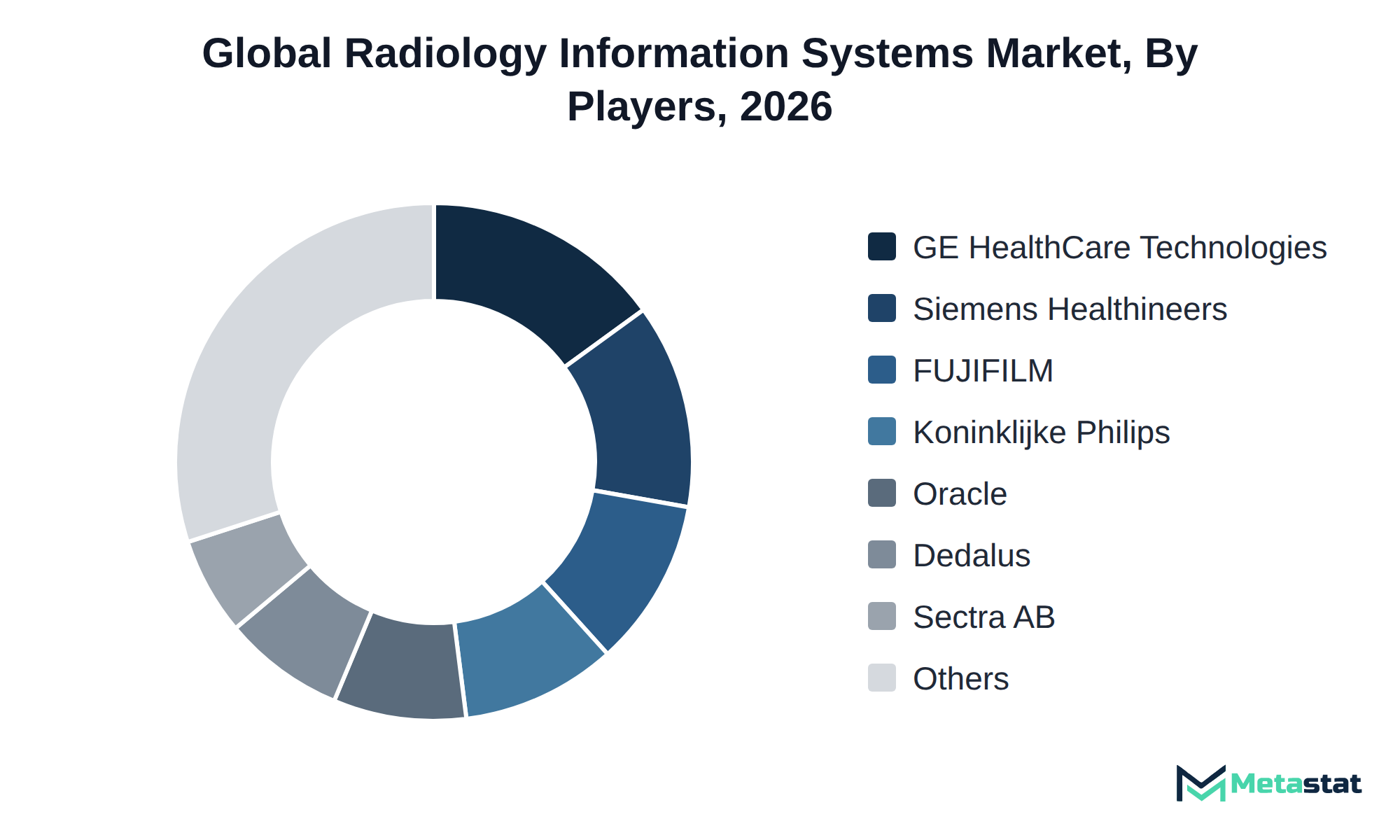
Competition within the Radiology Information Systems market revolves around the ability to deliver effective solutions tailored to specific customer needs, emphasizing factors including price, service quality, and system integration. Buyers prioritize customized solutions that streamline workflows and enhance diagnostic capabilities.
Dedalus Group and GE HealthCare Technologies Inc. focus on integrated systems that support comprehensive radiology operations. This approach aligns with hospitals, which represent a significant end-user segment, seeking solutions that provide interoperability with existing healthcare IT infrastructure.
In contrast, companies like FUJIFILM Corporation and Siemens Healthineers concentrate on enhancing their offerings through advanced imaging technologies and cloud-based deployment. This strategy addresses the rising demand for remote access and data integration, appealing to independent diagnostic imaging centers and teleradiology service providers.
Pricing strategies differ significantly among providers, with organizations including Oracle Corporation and Carestream Health, Inc. positioning their products at competitive price points while ensuring robust customer support. This pricing approach attracts several facilities and specialty clinics, which require cost-effective solutions without compromising quality.
Service capabilities further differentiate players in the market. Companies like Sectra AB and medavis GmbH emphasize extensive customer service and training, enhancing user experience and operational efficiency. This focus on service excellence drives customer loyalty and repeat business.
Achieving this growth depends on several key developments in the Radiology Information Systems market. First, the continuous advancement in integrated RIS technology will drive adoption, particularly in hospitals, which are projected to increase their investment in these systems. The expected rise in demand for cloud-based deployment models supports market expansion, enabling healthcare facilities to benefit from flexible, scalable solutions. Growth in interventional radiology applications, which are experiencing a CAGR of 12.1%, contributes to the overall increase in revenue. On the other hand, potential risks exist that could hinder this progress. Economic fluctuations leading to budget constraints in healthcare institutions affect purchasing decisions. In North America, where the market share is projected to reach USD 926.3 million by 2033, any significant slowdown in spending could impact the forecasted growth trajectory. Hence, while the outlook remains positive, these factors will influence the market's ability to reach the anticipated figures by 2033.
By Product Type: Integrated RIS, Standalone RIS
By Deployment Mode: Web-based, Cloud-based, On-premise
By Application: Diagnostic Radiology, Interventional Radiology, Nuclear Medicine, Radiation Oncology, Breast Imaging and Mammography
By End User: Hospitals, Independent Diagnostic Imaging Centers, Teleradiology Service Providers, Others (Specialty Clinics, Academic Research Imaging Facilities)
The report strategically identifies and profiles the key market players and analyses their core competencies in each sub-segment of the Radiology Information Systems market.
Report Attributes | Details |
Study Period | 2021-2033 |
Base Year | 2025 |
Estimated Year | 2026 |
Forecast Period | 2026-2033 |
Historical Period | 2021-2025 |
Growth Rate | CAGR 10.4% from 2026 to 2033 |
Revenue Unit | USD million |
Segmentation | By Product Type, Deployment Mode, Application, End User, and Region |
By Region | North America (By Product Type, Deployment Mode, Application, End User, and Country)
|
Europe (By Product Type, Deployment Mode, Application, End User, and Country)
| |
Asia Pacific (By Product Type, Deployment Mode, Application, End User, and Country)
| |
South America (By Product Type, Deployment Mode, Application, End User, and Country)
| |
Middle East and Africa (By Product Type, Deployment Mode, Application, End User, and Country)
|
Find answers to common questions about this report
The Radiology Information Systems market size was valued at USD 1,129.3 million in 2025.
The market is projected to grow at a CAGR of 10.4% during the forecast period from 2026 to 2033.
The North America Radiology Information Systems market size is estimated to reach USD 926.3 million by 2033.
Integrated RIS leads the Radiology Information Systems market with a value of USD 862.9 million in 2026, reflecting its significant share compared to Standalone RIS.
Growing healthcare infrastructure investment drives demand for Radiology Information Systems solutions. Increasing awareness of efficient data management pushes buyers to seek advanced technology, resulting in heightened spending by hospitals and diagnostic imaging centers.
North America holds the dominant share of the Radiology Information Systems market, with a projected value of USD 926.3 million in 2033, representing 40 percent of the total market. This regional share significantly surpasses that of other regions.
Increasing costs associated with Radiology Information Systems create a significant barrier for healthcare providers, particularly hospitals and independent diagnostic imaging centers. Budget constraints lead to slower uptake of advanced systems, delaying necessary upgrades and impacting overall market growth.
Several factors favor the adoption of Radiology Information Systems, including the growing demand for enhanced workflow efficiency and improved patient management. The anticipated compound annual growth rate (CAGR) of 11.3 percent for integrated RIS highlights the increasing interest from healthcare providers seeking to optimize imaging departments. Comprehensive capabilities streamline operations, making these systems essential for meeting evolving operational needs.
The Radiology Information Systems market is estimated to reach a valuation of USD 2,492.7 million by 2033.
Key players operating in the Radiology Information Systems market include Dedalus Group, FUJIFILM Corporation, GE HealthCare Technologies Inc., Koninklijke Philips N.V., Oracle Corporation, Carestream Health, Inc., and Siemens Healthineers.
The analysts below cover Healthcare IT research at Metastat Insights.
LEAD ANALYST
Utkarsh Khirodkar is a Lead Market Research Analyst at MetaStat Insight, specializing in market intelligence, technology sector assessments, and competitive strategy.

LEAD PRINCIPAL ANALYST, PHARMA AND HEALTHCARE
Food and Beverages · Healthcare · Healthcare IT · Medical Devices
Ajay Devgire is the Lead Healthcare Analyst at MetaStat Insight, leading strategic research and market intelligence initiatives across the global healthcare domain.

PRINCIPAL CONSULTANT - ENTERPRISE AI & EMERGING TECHNOLOGIES
Banking & Finance · Electronics and Semiconductor · Energy and Power · Healthcare IT · Information & Technology · Professional Services
Vijay Gunti is a Principal Consultant at MetaStat Insight, bringing over two decades of experience across enterprise digital transformation, technology strategy, and intelligent systems.
When evaluating distributed energy resource management systems, standard research summaries tend to gloss over the operational differences between front-of-the-meter utility deployments and behind-the-meter industrial sites. The MetaStat Insight report addressed those distinctions directly, especially regarding software interoperability standards and grid interconnection backlogs. The five-year market sizing across regional transmission organizations provided actionable context for our grid modernization strategy.
Most industry reports on warehouse automation bundle autonomous mobile robots and fixed conveyor installations into the same top-level numbers, which complicates advisory work. This study split the market cleanly by payload tiers, navigation technology, and fleet management software layers. The regional forecast for Western Europe gave our team defensible adoption benchmarks when evaluating capital allocation for logistics clients, saving us days of secondary data scrubbing.
Analyzing the transition from natural gas to green hydrogen in iron ore reduction requires realistic infrastructure timelines. Meta stat insight supplied a detailed regional assessment of DRI plant conversion costs and scrap metal availability in North America and Western Europe. Their report carefully examined pellet quality specs and electrical grid access constraints without making oversimplified market assumptions. The research material served as a practical reference during internal technology roadmap discussions.
Explore related market intelligence reports worth reading alongside this one.