
Discover the main factors impacting pricing in South Africa's freight and logistics sector, and learn how buyers leverage these insights to optimize costs.
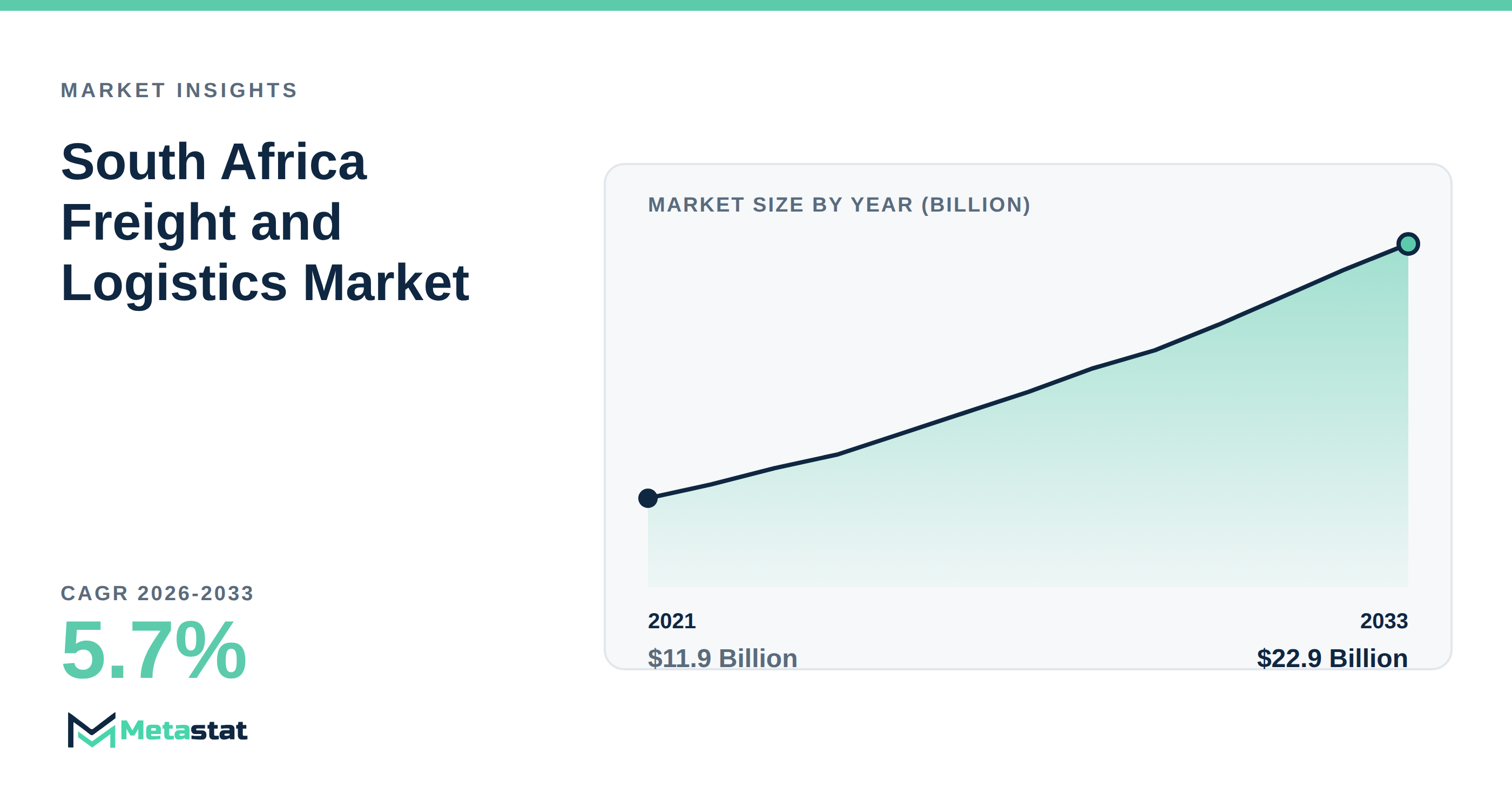
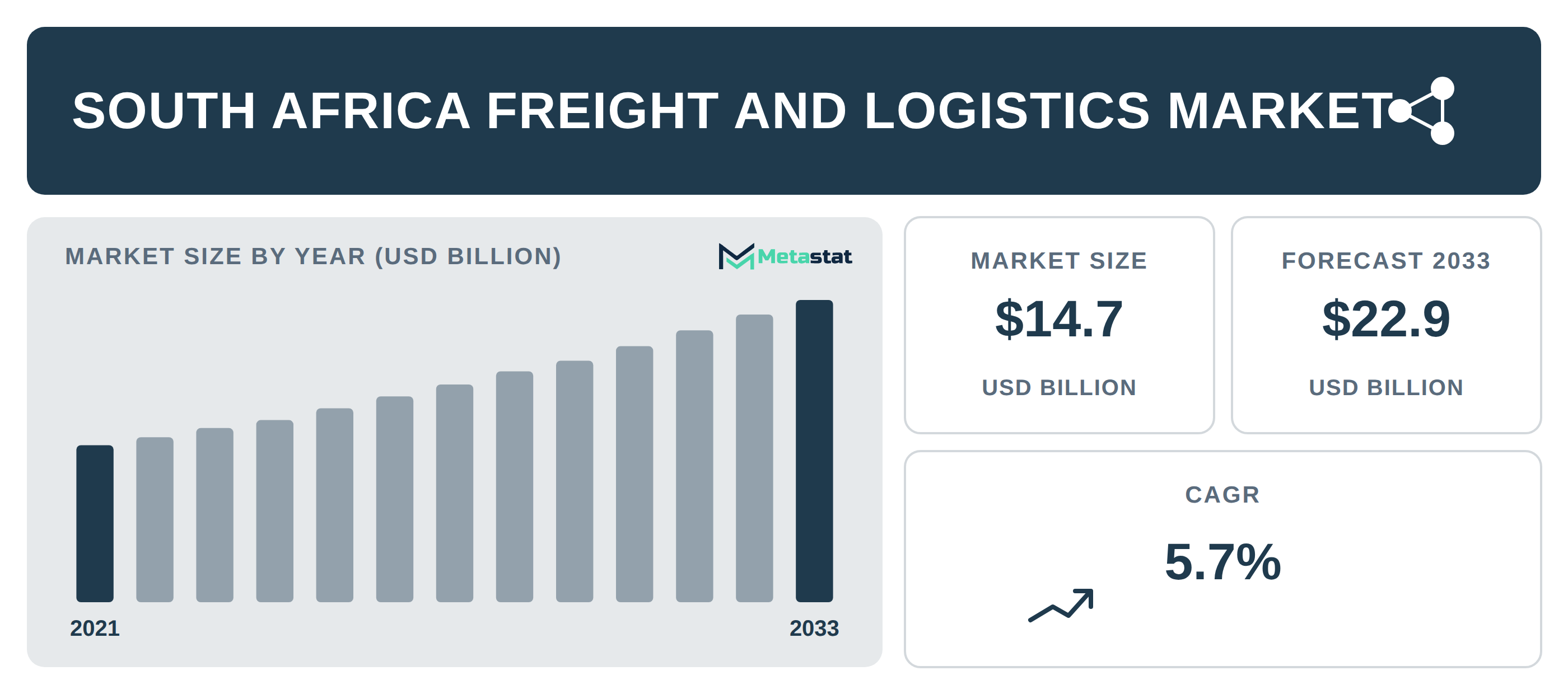
The pricing dynamics within the market for South Africa Freight and Logistics are shaped by various interlinked factors that buyers navigate. Understanding these elements helps companies optimize their logistics strategies and manage costs effectively. Below are significant factors that impact pricing in this vital sector. The full figures are in our South Africa Freight and Logistics market size and forecast report.
1. Growing Demand from E-Commerce
The surge in e-commerce directly affects logistics pricing in South Africa. As consumer expectations for swift delivery increase, logistics providers face pressure to offer faster services. This demand drives operational costs, pushing prices upward. Businesses seeking logistics services consider their specific delivery requirements and the associated costs, ensuring that they partner with providers who meet these demands without excessive surcharges.
2. Infrastructure Investment and Development
Investment in infrastructure significantly impacts freight costs. Improved roads, rail systems, and port facilities enhance logistics efficiency. However, the current infrastructure still faces limitations that lead to delays and elevated costs. Buyers should actively assess logistics providers’ capabilities in managing existing infrastructure while advocating for continued investment in enhancements that ultimately reduce transport costs.
3. Private Sector Participation and Rail Concessions
The increasing role of private operators through rail concessions improves the competitiveness of freight services. This shift allows for optimized routing and reduced transit times, enhancing overall logistics efficiency. Buyers should leverage this competitive environment by negotiating better pricing and service agreements, benefiting from the enhanced service offerings that result from the involvement of private players.
4. Fluctuating Fuel Prices
Fuel costs remain a critical determinant of freight pricing. Rising fuel prices directly translate into higher transportation costs, affecting the end prices for consumers. Companies mitigate this by establishing long-term contracts with logistics providers or negotiating fuel surcharges that reflect real-time fuel price trends, thereby gaining better control over their logistics expenses.
5. Cold Chain Logistics Demand
The increasing demand for cold chain logistics, particularly for agricultural and perishable goods, adds a layer of complexity to pricing. Maintaining specific temperature conditions necessitates advanced technologies and can significantly increase costs. Buyers in sectors requiring cold chain solutions should focus on providers that deliver efficient services while offering competitive pricing structures for temperature-sensitive goods.
6. Intermodal Transportation Efficiency
Intermodal transportation, combining various transport modes, enhances efficiency and can lower overall costs. However, reliance on multiple transport modes introduces complexity and potential delays. Companies should consider the benefits of integrated logistics solutions that streamline their supply chains, allowing them to negotiate better pricing based on comprehensive service offerings.
Understanding these factors provides a strategic advantage for buyers in navigating the freight and logistics sector in South Africa. By leveraging this insight, companies better manage costs and ensure efficient operations.
Tags
About the Authors

LEAD ANALYST
Utkarsh Khirodkar is a Lead Market Research Analyst at MetaStat Insight, specializing in market intelligence, technology sector assessments, and competitive strategy.

ENERGY & INFRASTRUCTURE INDUSTRY CONSULTANT
Automotive and Transportation · Electronics and Semiconductor · Energy and Power · Machinery & Equipment
Saurabh Vasant Ganvir consults for Energy & Infrastructure Industry at MetaStat Insight, specializing in renewable energy, solar EPC, and electric vehicle (EV) infrastructure markets.