
Explore the key trends driving the Industrial Communication market, enhancing efficiency and security for manufacturers and suppliers.
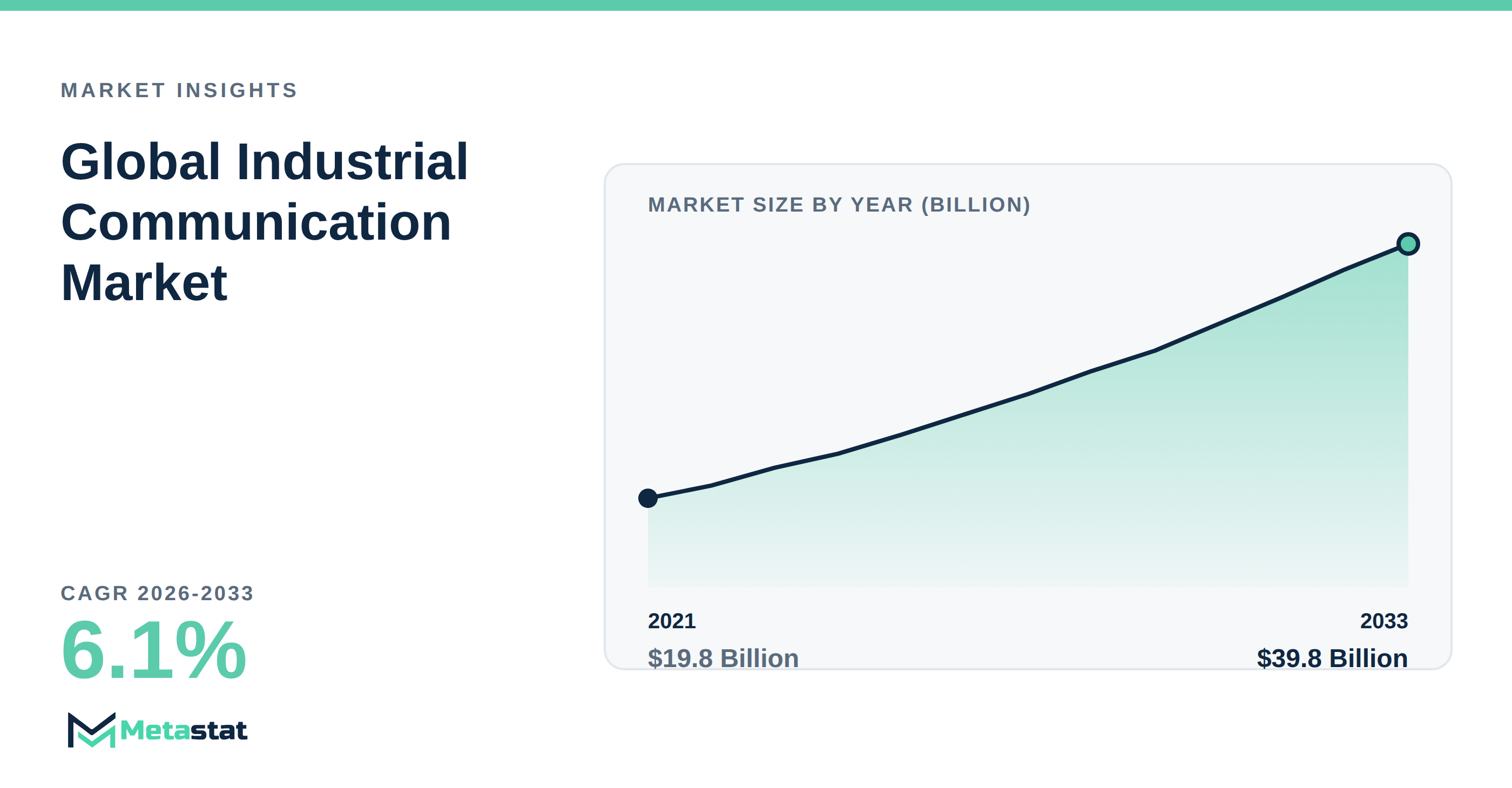
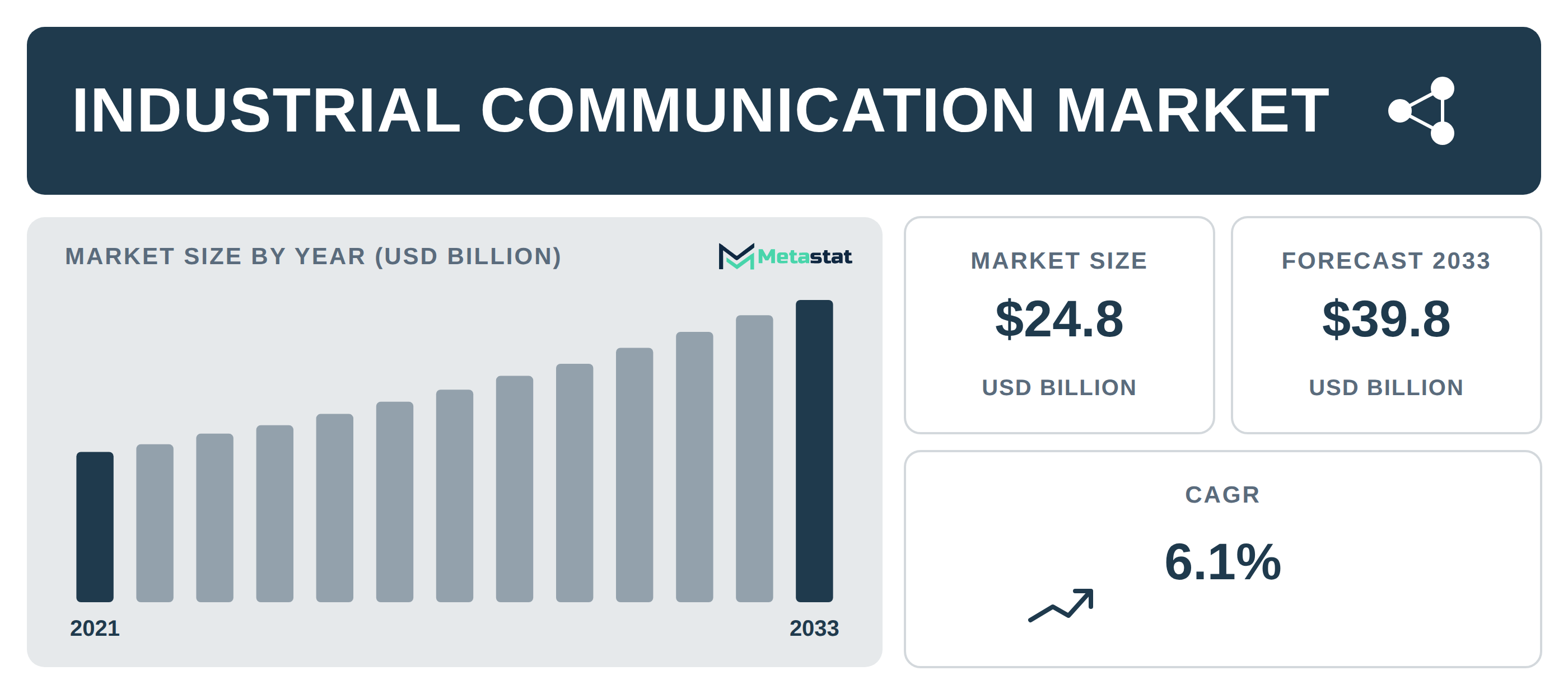
The world of Industrial Communication is evolving rapidly, driven by advancements in technology and changing buyer needs. Understanding these trends helps businesses optimize their operations and investments in communication solutions. Based on extensive research, this article highlights the significant trends reshaping this market for Industrial Communication. The full figures are in our Industrial Communication market size and forecast report.
1. Increased adoption of Industry 4.0 initiatives
Industry 4.0 emphasizes the integration of digital technologies in industrial environments, driving demand for advanced communication solutions. This trend facilitates real-time data sharing and process monitoring, enhancing operational efficiency. As organizations embrace Industry 4.0 practices, investments in communication systems, including switches and controllers, become essential. This leads to improved automation processes and operational agility, catering to the pressing demands of modern manufacturing.
2. Growth of Time-Sensitive Networking (TSN)
Time-sensitive networking is transforming Industrial Communication by merging information technology and operational technology within converged plant networks. This technology minimizes latency and enhances real-time data transmission, crucial for automation and control applications. Industries like automotive and transportation are increasingly adopting TSN, leading to improved production efficiency and reduced operational costs. Buyers gain competitive advantages through synchronized operations in diverse industrial settings.
3. Wireless technologies replacing traditional cabling
Private 5G and Wi-Fi 6 technologies are reshaping communication in Automated Guided Vehicles (AGVs) and Autonomous Mobile Robots (AMRs). These wireless solutions enable rapid deployment and reduce installation costs associated with extensive cabling. The shift towards wireless systems enhances connectivity, allowing manufacturers greater flexibility and scalability. Buyers seeking efficient and adaptable solutions are prioritizing these wireless technologies, leading to improved operational efficiency and responsiveness.
4. Importance of compliance with IEC 62443 standards
Growing concerns about cybersecurity have heightened the importance of IEC 62443 compliance for industrial switches and gateways. Buyers increasingly prioritize adherence to these standards, which create a framework for securing automation systems against cyber threats. This focus has driven demand for advanced security features integrated into communication devices. Suppliers that align with IEC 62443 standards position themselves favorably, attracting buyers focused on protecting their operations and ensuring interoperability among systems.
5. Continuous demand for automation solutions
Investment in factory automation signifies a notable trend within the Industrial Communication landscape. This segment is projected to expand significantly, driven by the need for improved efficiency and reduced operational downtime in industries including automotive and electronics. Advanced communication protocols and components facilitate seamless data exchange across automated systems. Stakeholders who address the automation needs in various industries stand poised for growth, as the demand for efficient and reliable communication solutions continues to rise.
6. Rising input costs affecting supplier profitability
Suppliers in the market for Industrial Communication are facing challenges from rising input costs, particularly for critical components. Increased demand for advanced technology drives prices higher for essential hardware, resulting in tighter margins for suppliers. This pressure disproportionately impacts smaller companies, limiting their competitiveness against larger firms with greater resources. In response, several suppliers engage in consolidation to achieve economies of scale, while others focus on partnerships to stabilize prices and ensure consistent supply chains. Buyers benefit from understanding these dynamics, as they influence pricing and availability of communication solutions.
These trends collectively illustrate the dynamic environment of Industrial Communication, highlighting the complexities businesses navigate. Staying informed about these developments enables companies to better align their strategies and investments with the evolving landscape.
Tags
About the Authors

LEAD ANALYST
Utkarsh Khirodkar is a Lead Market Research Analyst at MetaStat Insight, specializing in market intelligence, technology sector assessments, and competitive strategy.

INDUSTRY CONSULTANT - CHEMICALS & ADVANCED MATERIALS
Chemicals and Materials · Machinery & Equipment · Packaging
Amit Gadhekar Consultant for Chemicals and Materials at MetaStat Insight, directing sector-specific intelligence, research, and strategic consulting across global chemical and processing markets.

PRINCIPAL CONSULTANT - QUALITY SYSTEMS & COMPLIANCE
Electronics and Semiconductor · Machinery & Equipment · Professional Services
Omkar Phadtare is an Industry Consultant at MetaStat Insight, specializing in quality systems, regulatory compliance, and standards benchmarking to drive data-driven market intelligence and strategic industry research.

ENERGY & INFRASTRUCTURE INDUSTRY CONSULTANT
Automotive and Transportation · Electronics and Semiconductor · Energy and Power · Machinery & Equipment
Saurabh Vasant Ganvir consults for Energy & Infrastructure Industry at MetaStat Insight, specializing in renewable energy, solar EPC, and electric vehicle (EV) infrastructure markets.

LEAD CONSULTANT - COMMUNICATION, TELECOM, AND IT
Electronics and Semiconductor · Information & Technology · Machinery & Equipment · Professional Services
Ravindra Sathe Consultants for Communication, Telecom, and IT at MetaStat Insight. He leads the firm's industry research initiatives across telecommunications infrastructure, digital connectivity, enterprise networking, and emerging information technology domains.