
LEAD ANALYST
Utkarsh Khirodkar is a Lead Market Research Analyst at MetaStat Insight, specializing in market intelligence, technology sector assessments, and competitive strategy.

Global Industrial Communication Market Size, Share, By Component (Switches, Controllers, Communication Interface Modules, Gateways and Protocol Converters, Routers and Wireless Access Points, Software, Power Supply Devices, Services), By Communication Protocol (PROFINET, EtherNet/IP, EtherCAT, Modbus (RTU and TCP), Wireless Protocols (Wi-Fi, Bluetooth, 5G, WirelessHART), PROFIBUS, CC-Link and CC-Link IE, HART and FOUNDATION Fieldbus), By End-Use Industry (Automotive and Transportation, Electrical and Electronics, Energy and Power, Oil and Gas, Food and Beverages, Chemicals and Petrochemicals, Pharmaceuticals and Life Sciences, Metals and Mining, Aerospace and Defense), By Application (Factory and Machine Automation, Process Control and Monitoring, Motion and Robotics Control, Remote Monitoring and SCADA Telemetry, Predictive Maintenance and Asset Monitoring, Functional Safety Systems), Industry Analysis, Growth, Trends, and Forecast, 2026-2033
Report ID
MSI-3602
Published
November, 2026
Pages
299 Pages
Format
Historical
Base year
Forecast
Forecast period
Report Details
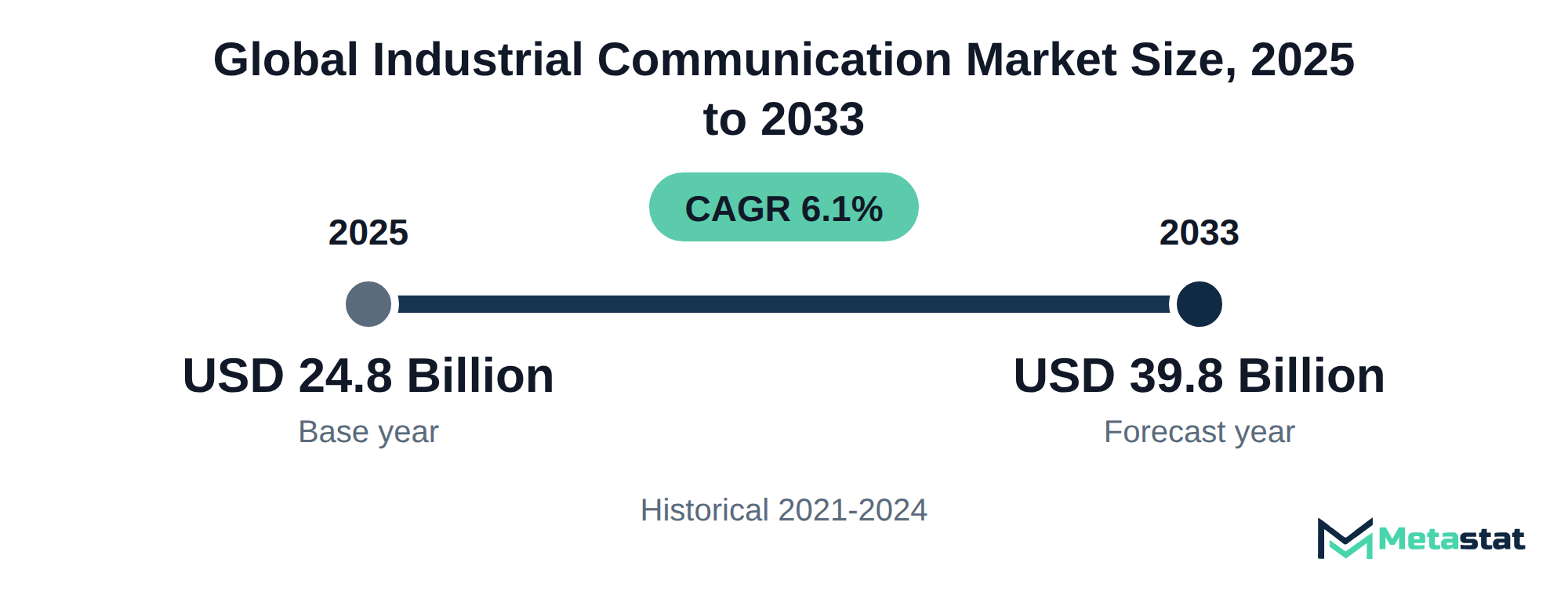
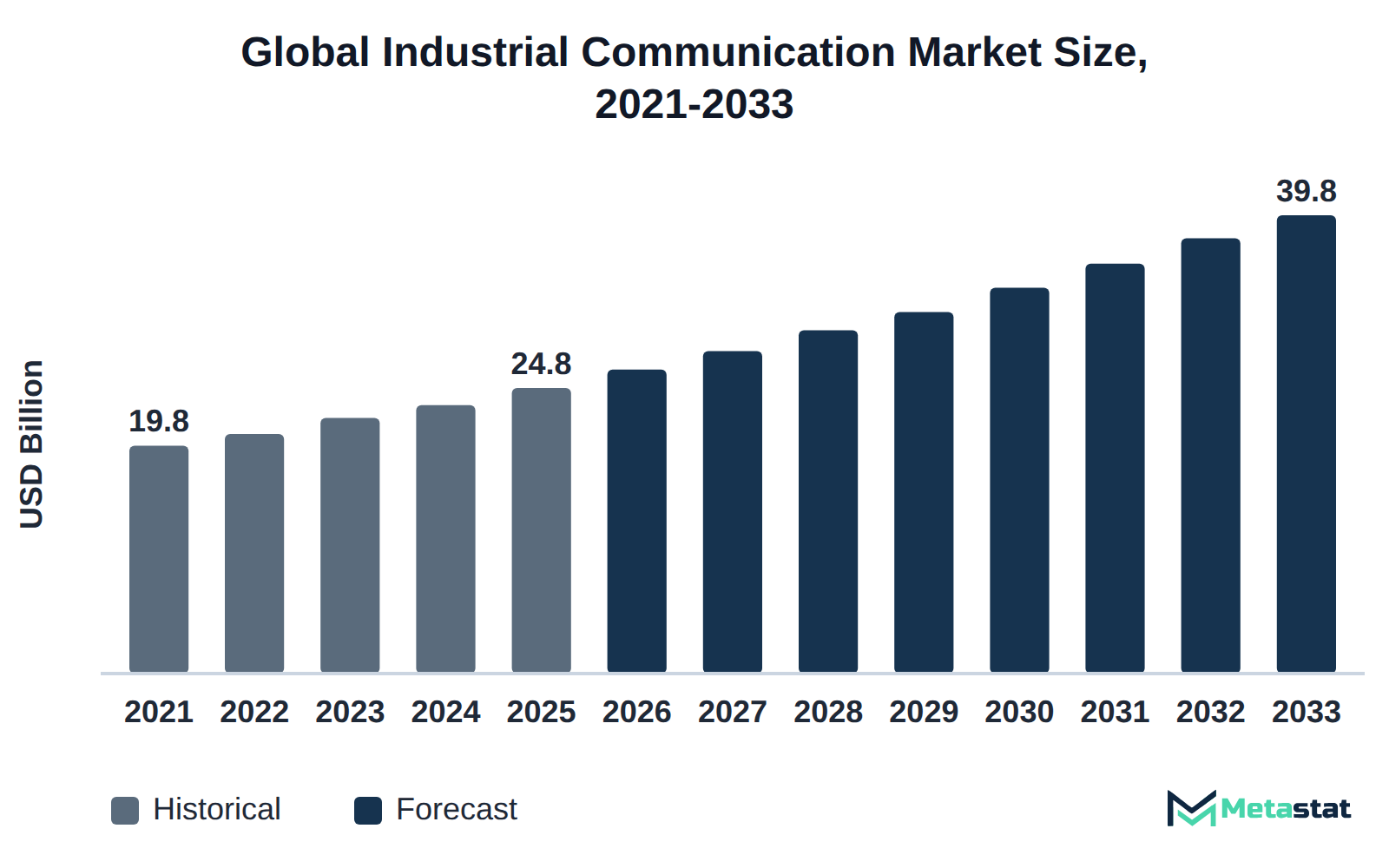
Market Valuation: Valued at $24.8 Billion in 2025, projected to reach $39.8 Billion by 2033 at a 6.1% CAGR.
Dominant Segment: The Component segment leads the market, driven by the high demand for switches and controllers that enhance operational efficiency and connectivity in industrial environments.
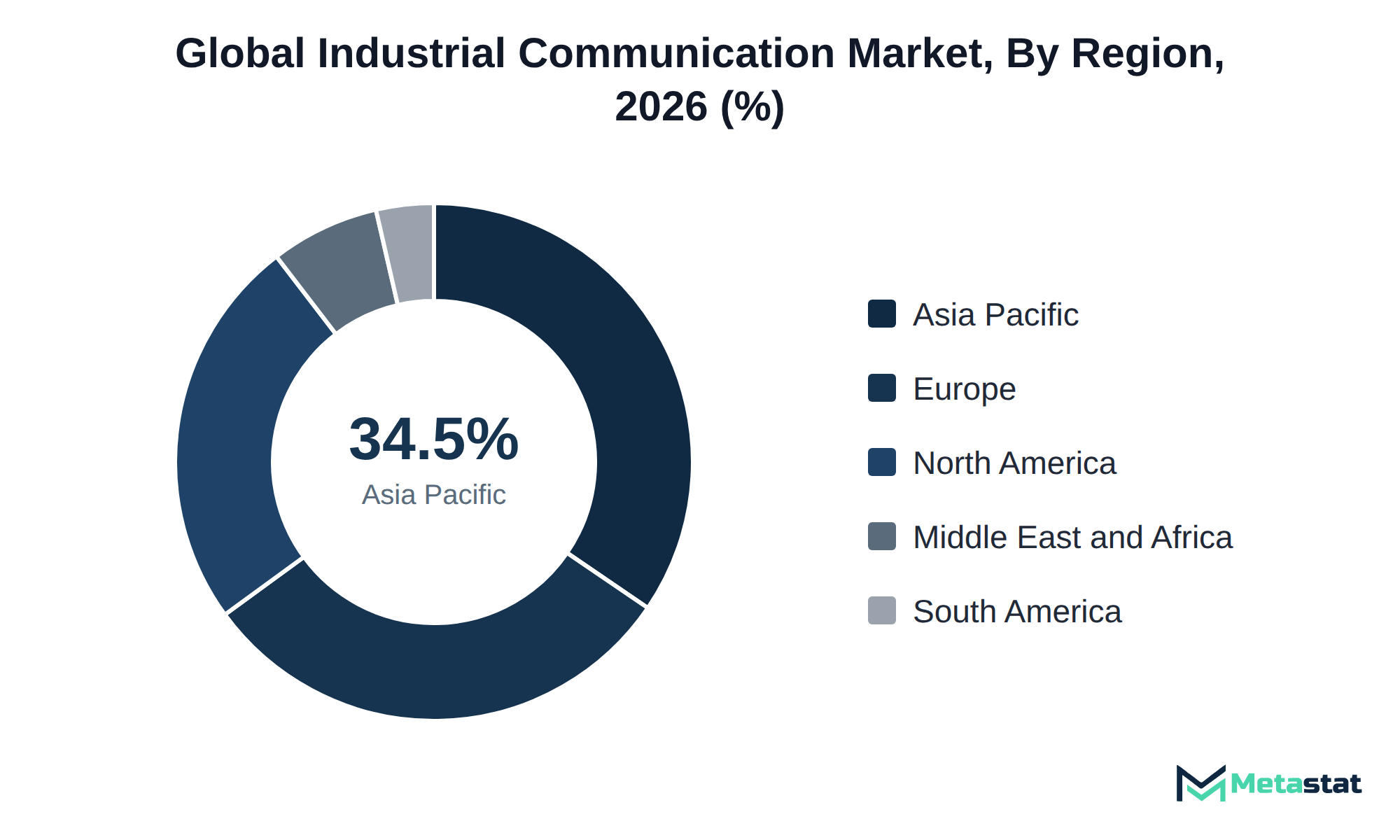
Geographic Lead: Europe holds the largest market share at 30.4% in 2025, with North America following closely at 24.6%, attributed to technological advancements and a strong industrial base.
What's Inside: The report provides a comprehensive analysis of market dynamics, competitive landscape, and detailed forecasts from 2026 to 2033, covering various components and communication protocols.
Growing Demand for Automation: Investment in factory automation solutions is projected to rise significantly, with the segment expected to grow from USD 8.1 billion in 2026 to USD 11.1 billion by 2033, reflecting a strong trend towards operational efficiency.
Increased Connectivity through IoT: Advancements in IoT are driving demand for communication solutions, facilitating real-time data exchange and enhancing operational efficiency across sectors like manufacturing and energy.
Choose Your License
Global Industrial Communication Market
The global Industrial Communication market was valued at USD 24.8 billion in 2025 and is projected to reach USD 39.8 billion by 2033, growing at a CAGR of 6.1% over the forecast period.
The Industrial Communication market encompasses a range of technologies and solutions that enable data exchange and connectivity between industrial devices and systems. Buyers invest in these solutions to enhance operational efficiency, improve automation processes, and ensure effective communication across various industrial applications. Increasingly complex manufacturing processes require reliable communication systems that support real-time data sharing and process monitoring.
Growth in the market is driven by rising demand for automation and digitalization across industries. The segment contributing the most value is the Component segment, which includes devices including switches and controllers. North America holds 24.6% of the market in 2025, with the US leading in 2026. This regional share reflects the strong industrial base and technological advancements present in the region.
Technological advancements in communication protocols, including PROFINET and EtherNet/IP, further support market expansion. The demand for these protocols is propelled by their ability to provide high-speed, reliable communication in various industrial environments. In addition, the growing focus on Industry 4.0 initiatives drives interest in integrating advanced communication solutions into traditional manufacturing processes.
The Industrial Communication market serves multiple sectors by providing essential communication solutions that enhance operational efficiency and data management. Buyers invest in this market due to the increasing automation demands and the need for real-time data exchange, which supports decision-making processes and optimizes productivity. Enhanced connectivity results in improved system reliability and safety, making these solutions critical for modern industrial environments.
Growth in the market is primarily driven by the rising adoption of Industry 4.0 practices, which emphasize automation and data exchange across manufacturing and industrial processes. The component segment, particularly switches, holds the most value within the market, reflecting the ongoing need for robust communication infrastructure. Europe leads in market share, accounting for 30.4% in 2025, followed closely by Asia Pacific at 34.5%. North America accounts for 24.6% of the market in 2025, with the US expected to maintain a significant share in 2026.
Investments in advanced networking solutions and protocols contribute significantly to market expansion, enabling integration of devices and systems. The growth of the Internet of Things (IoT) within industrial applications further supports this trend, facilitating enhanced monitoring and control capabilities. Consequently, these advancements position the market for substantial growth and increased competitiveness in the coming years.
Time-sensitive networking (TSN) is transforming the industrial communication market by integrating information technology (IT) and operational technology (OT) in converged plant networks. This evolution enhances real-time data transmission and minimizes latency, enabling critical applications in automation and control. The market for communication protocols is projected to grow from USD 6.4 billion in 2026 to USD 9.6 billion by 2033, reflecting a compound annual growth rate of 5.8%. This shift in technology supports the rising demand for synchronized operations across diverse industrial settings.
Industries including automotive and transportation, alongside electrical and electronics, increasingly adopt TSN to improve efficiency and reliability. The automotive sector specifically benefits from reduced downtime and enhanced safety through integrated systems. Operational costs decline while production efficiency improves, creating competitive advantages. Adopting these technologies helps companies benefit from advances in automation and supports growth and investment opportunities in the industrial communication market.
Private 5G and Wi-Fi 6 technologies transform the industrial communication sector by replacing traditional cable runs in Automated Guided Vehicles (AGVs), Autonomous Mobile Robots (AMRs), and mobile machine fleets. This shift enhances connectivity and operational efficiency, reflecting the growing preference for wireless solutions in industrial environments.
The move towards wireless communication systems reduces installation costs associated with extensive cabling and facilitates rapid deployment in dynamic operational settings. Adoption of private 5G networks enables real-time data exchange and improved automation capabilities, creating greater flexibility for manufacturers. The market for AGVs and AMRs increasingly embraces wireless protocols, further contributing to the overall growth of the industrial communication market.
Industries strive for greater efficiency and adaptability, and the transition from wired to wireless communication systems helps modernize operations. Buyers prioritize scalable and robust communication solutions that deliver high bandwidth and low latency, essential for the operation of AGVs and AMRs. This trend demonstrates the potential for growth in the industrial communication sector, driven by the demand for innovative connectivity solutions.
PROFINET and EtherNet/IP are the dominant communication protocols in the Industrial Communication market, anchoring a significant portion of the installed base. This strong growth is driven by widespread adoption in various industries, particularly in automation and process control.
While PROFINET and EtherNet/IP hold strong positions in existing applications, EtherCAT emerges as the preferred choice for new machine designs. Its unique capabilities provide faster data transmission and more efficient communication for high-performance applications, appealing to manufacturers seeking competitive advantages. By 2033, EtherCAT is expected to reach a revenue of USD 5.9 billion, indicating its increasing importance in new installations. Buyers focusing on advanced automation and innovative solutions benefit from leveraging EtherCAT's advantages, enhancing operational efficiency and reducing time-to-market.
For manufacturers and system integrators, the choice between these protocols influences both long-term strategies and immediate project outcomes. The dynamic nature of the Industrial Communication market emphasizes the importance of selecting the right protocol to meet specific operational needs and drive growth.
IEC 62443 security requirements shape purchasing decisions for industrial switches and gateways in the Industrial Communication market. Buyers increasingly prioritize compliance with these standards, which establish a framework for industrial cybersecurity by protecting automation and control systems against cyber threats. The focus on these requirements aligns with heightened awareness of vulnerabilities in industrial environments, prompting stakeholders to seek solutions that mitigate risks associated with connectivity and data integrity.
The industrial switch segment is projected to grow from USD 6.4 billion in 2026 to USD 9.1 billion by 2033, reflecting a compound annual growth rate (CAGR) of 5.3%. This growth reflects the demand for advanced security features integrated into these devices. Buyers require assurance that their investments adhere to IEC 62443 standards, which enhance security and facilitate interoperability among various systems. Consequently, suppliers that comply with IEC 62443 gain an advantage with buyers who prioritize cybersecurity in their operational strategies.
Investment in automation technologies has surged across various industries, significantly impacting buyer behavior. Key sectors including automotive and transportation are increasingly adopting advanced communication solutions to enhance operational efficiency and streamline processes. The transition to automated systems involves substantial expenditure on communication infrastructure, driving growth in the market. For instance, the automotive and transportation industry is projected to rise from USD 5.2 billion in 2026 to USD 7.7 billion by 2033, reflecting a compound annual growth rate of 5.7%. This shift towards automation improves productivity and reduces long-term operational costs, prompting industry players to allocate more resources to industrial communication solutions. Enhanced data exchange capabilities, facilitated by robust communication networks, support this growing trend. The market adapts to these evolving demands, positioning itself for sustained growth through the forecast period.
Increased demand for communication protocols among sectors including electrical and electronics contributes to this trend, with anticipated spending reaching USD 6.2 billion by 2033, driven by the need for improved connectivity in smart devices. This trend highlights the necessity for businesses to invest in modern industrial communication solutions to remain competitive.
Advancements in Internet of Things (IoT) connectivity significantly influence the growth of the Industrial Communication market. Enhanced IoT capabilities facilitate the integration of devices within industrial environments, promoting real-time data exchange and improving operational efficiency. Industries including manufacturing, energy, and transportation benefit from adopting IoT-driven solutions that streamline processes and minimize downtime. This trend encourages suppliers to innovate and offer advanced communication protocols and devices tailored for IoT applications.
Investment in IoT technologies generates demand for components including communication interface modules and gateways, which connect various devices. Manufacturers prioritize upgrading their systems to remain competitive, which further accelerates demand for advanced industrial communication solutions. In this context, the market experiences growth driven by the increasing need for interconnected systems in modern industrial environments. Continuous innovation in IoT technologies creates a favorable environment for emerging communication solutions.
Price sensitivity presents a significant barrier within the Industrial Communication market, particularly affecting smaller manufacturers and businesses operating on tight budgets. Increased costs associated with advanced communication technologies, including components including switches and controllers, discourage these buyers, resulting in slower adoption rates and reduced order sizes. Buyers often delay upgrades, leading to extended lifecycles of existing systems and limiting advancements in operational efficiency.
This restraint extends to industries where budget constraints are significant, including the oil and gas sector, where capital is allocated primarily to critical operations. In these scenarios, the emphasis on cost control results in missed opportunities for innovation and modernization, hindering overall market growth. Reluctance to invest in new technologies due to pricing pressures impacts market dynamics, delaying the transition to next-generation communication solutions.
Suppliers in the Industrial Communication market face significant challenges related to rising input costs, particularly in the acquisition of critical components and materials. Increased demand for advanced technology drives up prices for essential hardware including switches and controllers, resulting in tight margins for suppliers. This cost pressure impacts smaller companies disproportionately, limiting their ability to compete effectively against larger players with greater resources.
In response, suppliers adopt various strategies to mitigate these challenges. Consolidation among manufacturers enables economies of scale, while investments in automation enhance manufacturing efficiency, reducing reliance on costly labor. Partnerships with component suppliers create opportunities for long-term agreements, stabilizing prices and ensuring consistent supply chains. These measures are essential for suppliers aiming to maintain profitability amid rising costs and intensifying competition.
Investment in factory and machine automation signifies a notable opportunity within the market. This segment is projected to expand from USD 8.1 billion in 2026 to USD 11.1 billion by 2033, reflecting a compound annual growth rate (CAGR) of 4.6%. The increased focus on efficiency, productivity, and reduced operational downtime drives manufacturers toward advanced automation technologies. Industries including automotive and electronics are particularly active in adopting these solutions, driven by their necessity for precision and reliability.
Innovative communication protocols and components that support this automation push create a pathway for suppliers to enhance their offerings. Products including gateways, switches, and controllers serve critical roles by facilitating data exchange across automated systems. This shift not only supports operational efficiency but positions companies to meet rising consumer demands for quality and speed. Overall, addressing the automation needs within various end-use industries provides significant growth potential for stakeholders in the market.
The Global Industrial Communication market is segmented based on Component, Communication Protocol, End-Use Industry, and Application.
The switches segment enables reliable communication between various industrial devices and systems, serving industries including manufacturing, energy, and transportation. Ongoing investment in automation technologies drives demand for switches, owing to organizations seeking to enhance operational efficiency and connectivity. Compared to other components, the switches segment experiences steady growth, reflecting its fundamental importance in the Industrial Communication market. Integration of advanced technologies, including IoT and Industry 4.0, supports development within this segment, highlighting its essential function in modern industrial ecosystems.
The controllers segment is estimated to reach USD 6.1 billion by 2033, at a CAGR of 4.4% during the forecast period. This segment functions by facilitating the management and control of various industrial processes, primarily in manufacturing and automation industries. Demand for advanced controllers is driven by the increasing need for real-time data processing and automation in production environments. Compared to other components, controllers exhibit a slower growth rate, influenced by the need for integration with existing systems and the complexity of technology upgrades. Their role is crucial in enhancing operational efficiency and minimizing downtime, which differentiates them from other components like switches that experience more rapid growth. Market growth hinges on trends toward smart manufacturing and Industry 4.0, which drive the demand for more sophisticated and interconnected systems.
Communication Interface Modules segment is expected to reach USD 4.5 billion by 2033. These modules facilitate data exchange between various industrial devices and systems, serving sectors including manufacturing, energy, and transportation. Key drivers for this segment include the increasing need for interoperability among devices and the growing adoption of automation technologies. The segment displays a compound annual growth rate (CAGR) of 4.6%, positioning it slightly slower than other components like Switches, which have a CAGR of 5.3%. This growth stems from rising demand for efficient data communication in industrial environments, where real-time data processing enhances operational efficiency. Unlike Controllers, which fulfill similar communication functions but at a higher price point, Communication Interface Modules offer a more cost-effective solution for smaller installations, enhancing accessibility for diverse buyers while supporting overall market expansion.
The Gateways and Protocol Converters segment is projected to grow at a CAGR of 6.5% during the forecast period. This segment facilitates communication between different network protocols, enabling interoperability among diverse devices in industrial automation setups. Manufacturers and system integrators employ gateways and protocol converters to ensure effective data exchange across various industrial systems. The increasing complexity of industrial networks drives higher demand for these solutions, particularly in sectors including automotive and energy. Unlike the Switches and Controllers segments, which exhibit CAGR figures of 5.3% and 4.4% respectively, the Gateways and Protocol Converters segment shows a stronger growth trajectory, reflecting a rising emphasis on integration solutions. Investments in smart manufacturing and Industry 4.0 initiatives further support this segment's expansion, driven by organizations seeking to optimize operations through enhanced connectivity and data sharing.
Routers and Wireless Access Points enable robust connectivity and network integration for industrial systems. These components facilitate communication between various devices and network infrastructures, allowing real-time data transfer critical for automation and control tasks. Widely used across sectors including manufacturing, energy, and transportation, they support the growing adoption of Industry 4.0 initiatives. The primary demand driver for this segment stems from the increasing requirement for reliable wireless solutions that enhance operational efficiency. While the market experiences growth, competitive pressures influence pricing strategies, affecting overall market dynamics. Compared to other components like switches and controllers, routers and wireless access points offer unique capabilities essential for wireless communication, distinguishing them through their specialized applications and deployment environments. The Industrial Communication market continues to evolve, creating opportunities for advancements in wireless technologies and networking solutions.
Software enables interoperability and efficient data management among diverse industrial devices in the Industrial Communication ecosystem. This segment finds primary applications in sectors including automation, where companies seek to optimize operations and enhance productivity. Key market drivers include the increasing demand for integrated solutions that streamline processes and improve system reliability. The need for advanced analytics and real-time data processing strongly influences software adoption, particularly for manufacturers aiming to stay competitive in a dynamic environment. Compared to other components, including switches and controllers, software solutions often present a lower barrier to entry and attract a broader spectrum of buyers, including several small and medium-sized enterprises. This flexibility allows for a wider range of pricing strategies, catering to various budgets and operational requirements.
Power Supply Devices provide essential electrical energy to various components within industrial communication systems. These devices serve critical functions in ensuring that industrial equipment operates reliably, supporting applications across sectors including manufacturing, automation, and transportation. Demand for these devices arises from the growing emphasis on system reliability and efficiency, particularly in environments where power interruptions lead to significant operational disruptions. This segment stands out due to its specific role in powering devices, unlike other segments which focus on data transmission or connectivity. Buyers typically include industries heavily reliant on continuous operations, where the reliability of industrial power supply is crucial. The segment experiences steady demand driven by ongoing industrial automation trends, which strengthens its role in shaping the Industrial Communication market.
Services encompass critical offerings that support the deployment, maintenance, and optimization of industrial communication systems. These services facilitate integration and ensure operational efficiency for various industries, including manufacturing, energy, and automotive. Demand for services is driven by the increasing complexity of industrial systems and the need for real-time communication. The growing reliance on automation and smart manufacturing processes creates robust demand for these service offerings. Unlike other components including switches and controllers, which have specific market sizes and growth rates, the services segment typically involves ongoing contracts and support agreements, leading to diverse pricing structures and revenue models. The opportunity for customization and tailored solutions sets services apart from hardware components, allowing providers to address unique operational challenges in the market.
Hubs, repeaters, cables, and connectors play vital roles in the connectivity of industrial communication systems. These components facilitate data transmission and integration across various devices, ensuring efficient communication in automated environments. Manufacturers in industries including automotive, energy, and electronics leverage these components to enhance operational efficiency and system reliability. The growing adoption of advanced automation technologies drives demand for these essential components, reflecting increased investment in infrastructure. Factors including the need for reliable and high-speed communication channels differentiate this segment from others, which focus on more integrated solutions including switches and controllers. The emphasis on cost-effective solutions presents an ongoing challenge, particularly for smaller enterprises. By fulfilling fundamental connectivity requirements, this segment supports the broader growth of the industrial communication market.
PROFINET segment is valued at USD 6.4 billion in 2026 and is projected to reach USD 9.6 billion by 2033, at a CAGR of 5.8% during the forecast period. This communication protocol serves various industries that require real-time data exchange and automation, including automotive and manufacturing sectors. The growing emphasis on Industry 4.0 initiatives drives demand for protocols that enhance operational efficiency and interoperability among devices. PROFINET exhibits a higher growth rate than other communication protocols, driven by its robust capabilities in handling complex automation tasks. This segment faces competition from alternatives like EtherNet/IP, which is projected to reach USD 8 billion by 2033. However, the strong adoption of PROFINET remains evident, particularly among manufacturers seeking to optimize their production processes. The Industrial Communication market continues to evolve with these advancements, contributing to increased demand for advanced protocols.
EtherNet/IP segment is estimated to reach USD 8 billion by 2033, at a CAGR of 5.3% during the forecast period. This protocol facilitates real-time communication between industrial devices, enabling manufacturers in sectors including automotive, energy, and factory automation to enhance operational efficiency. The broad adoption of industrial IoT solutions fuels demand for EtherNet/IP, driven by businesses seeking to integrate smart devices into their systems. Compared to other communication protocols in its group, EtherNet/IP exhibits a moderate growth rate, standing out for its user base in advanced manufacturing applications. Its competitive advantage stems from its compatibility with various automation equipment, allowing integration with existing systems. The segment's growth is further supported by the ongoing push for digital transformation across industries, compelling organizations to upgrade their communication infrastructure.
This communication protocol serves critical applications in automation and control systems, widely used by industries including manufacturing and automotive. The protocol allows for real-time communication and precise synchronization of devices, enhancing operational efficiency and reducing latency. Increasing demand for high-speed data transmission and the integration of advanced automation technologies are driving adoption in this segment. Compared to other protocols, EtherCAT benefits from rapid data processing capabilities, contributing to its faster growth rate of 5.8% CAGR. This growth reflects a shift in industrial operations toward more efficient and adaptable systems, further boosting the overall demand for the market.
Modbus (RTU and TCP) segment is projected to grow at a CAGR of 5.1% during the forecast period. This communication protocol is widely used in industrial automation, enabling communication between devices in various applications, including process control and monitoring. Key users include manufacturers in sectors including energy and power, automotive, and electrical and electronics, who employ this protocol to facilitate device interconnectivity and interoperability. Demand for Modbus is driven by the increasing need for standardized communication across diverse devices, supporting integration in manufacturing environments. Compared to other communication protocols like PROFINET and EtherNet/IP, Modbus offers a cost-effective solution, making it appealing for budget-conscious buyers. The segment stands out due to its simplicity and broad adoption across various industries, distinguishing itself with steady growth relative to more rapidly expanding protocols.
Wireless Protocols (Wi-Fi, Bluetooth, 5G, WirelessHART) encompass advanced communication technologies essential for real-time data transmission and connectivity in industrial environments. These protocols support various applications, including remote monitoring, automation, and control systems, primarily used by industries including manufacturing and logistics. The increasing demand for reliable connectivity and IoT integration drives adoption, allowing for improved operations and enhanced efficiency. The Wireless Protocols segment distinguishes itself from others in the Communication Protocol category, particularly due to its focus on wireless solutions, which provide flexibility and scalability in deployment. This segment faces competition from traditional wired protocols, but the rapid growth of wireless technologies enhances its appeal, particularly in sectors requiring mobility and adaptability. Such dynamics contribute to the overall growth trajectory of the market, reinforcing the shift toward more adaptable communication solutions.
PROFIBUS facilitates communication in automation technology, particularly within manufacturing environments. Primarily used in industries requiring real-time data exchange, this protocol supports applications including factory automation and process control. Increasing adoption stems from the demand for streamlined operations and reduced downtime. Factors driving growth include the push for higher efficiency and the integration of legacy systems within modern frameworks. Compared to other communication protocols, PROFIBUS has a broader range of applications in legacy scenarios, appealing to manufacturers seeking cost-effective solutions. This segment's unique position allows it to cater to various industries, including automotive and electronics, differentiating it through its specific use cases and established reliability in industrial communication.
CC-Link and CC-Link IE facilitate communication protocols primarily used in automation systems. Industries including manufacturing and process control employ these protocols for their real-time data exchange capabilities, enhancing operational efficiency. Adoption of CC-Link and CC-Link IE is driven by increasing demand for interoperability among devices and systems, particularly in environments focusing on automation and robotics. This segment distinguishes itself from others by appealing to buyers seeking reliable and high-performance solutions, which contributes to its competitive positioning. Emphasis on interoperability and integration with existing systems further enhances its attractiveness among manufacturers. The capacity of CC-Link and CC-Link IE to support diverse applications maintains relevance in the evolving landscape of the Industrial Communication market.
HART and FOUNDATION Fieldbus serve crucial protocols for communication in industrial automation systems, enabling data exchange between field devices and control systems. These protocols find extensive application in industries including oil and gas, chemicals, and pharmaceuticals, where reliable communication is essential for monitoring and controlling processes. Demand for HART and FOUNDATION Fieldbus is driven by the integration of legacy devices with modern automation systems, ensuring operational efficiency and reduced downtime. Compared to other communication protocols, this sub-segment experiences slower growth, focusing on specific industries that require high reliability and performance, distinguishing it from faster-growing protocols including PROFINET and EtherNet/IP. Regulatory standards in various sectors influence the adoption of HART and FOUNDATION Fieldbus, ensuring compliance with safety and operational requirements. Investment in this technology supports improved process management and data accuracy, enhancing overall productivity.
Others (POWERLINK, DeviceNet, CANopen, SERCOS, OPC UA) encompass a variety of advanced communication protocols in industrial networking. These protocols enhance interoperability among devices, facilitating communication in complex automation systems. Key users include manufacturers in sectors including energy, automotive, and process industries, where integration of equipment is essential. Demand for these protocols is driven by the increasing need for real-time data exchange and operational efficiency. Compared to other segments, this category often experiences slower growth dynamics, influenced by the stability of established standards and the gradual adoption of newer technologies. However, technological advancements continue to spark interest, especially in industries seeking enhanced capabilities and networking solutions. The Industrial Communication market reflects a diverse ecosystem, where these protocols contribute to the overall connectivity essential for modern industrial applications.
This segment enhances the efficiency and safety of vehicles and transportation systems. Manufacturers and service providers in the automotive sector apply advanced communication technologies for vehicle-to-vehicle and vehicle-to-infrastructure communication, enabling smart transportation solutions. The increasing focus on automation and connectivity in vehicles drives growth in this segment. Compared to other segments within the market, the Automotive and Transportation segment exhibits a higher growth rate due to rising demand for intelligent transportation systems and advancements in autonomous driving technologies.
The Electrical and Electronics segment is estimated to reach USD 6.2 billion by 2033, at a CAGR of 6.9% during the forecast period. This segment is essential in the manufacturing of electronic devices and components, driven by demand for efficient communication in automated systems. Industries including consumer electronics, telecommunications, and automotive heavily rely on advanced industrial communication technologies for effective integration and operation. Growth in this segment is supported by increasing automation and the demand for smart devices. This segment exhibits a higher growth rate compared to others, reflecting investments in new technologies and enhanced communication protocols. Adoption of protocols like EtherNet/IP and PROFINET stands out in this segment, given their capabilities for high-speed data transmission and connectivity. The market experiences continuous innovation, pushing the boundaries of traditional communication solutions, which further influences its trajectory.
The Energy and Power segment is expected to reach USD 4.9 billion by 2033. This segment primarily serves utilities and energy producers, focusing on optimizing operational efficiency and reducing downtime through effective communication solutions. Growing demand for renewable energy and advancements in smart grid technologies drive the segment's expansion. With a CAGR of 3.9%, growth in this area is slower compared to other segments in the market, including Electrical and Electronics, which is anticipated to grow at a CAGR of 6.9%. Investments in digital transformation and automation within the energy sector further enhance the relevance of industrial communication solutions. The segment's unique characteristics, including specific compliance requirements and the critical role of real-time data transmission, set it apart from other end-use industries in the market.
The Oil and Gas segment is projected to grow at a CAGR of 3.9% during the forecast period. This segment encompasses communication solutions used in drilling, exploration, and production activities, primarily serving companies in the oil and gas sector. Increasing demand for automation and remote monitoring in this industry drives the adoption of advanced communication technologies. Regulatory pressure for safety and efficiency in extraction processes further influences investment in robust communication networks. Compared to other segments, including Automotive and Transportation, this segment demonstrates slower growth due to higher capital expenditure requirements and longer project timelines. Nevertheless, the need for enhanced operational efficiency positions the Oil and Gas segment as a critical area within the market.
Food and Beverages encompass a vital segment within the industrial communication landscape, focusing on the operational efficiency and connectivity of food processing and packaging systems. This segment serves manufacturers, processors, and distributors who rely on precise communication for automation and control processes. Demand for advanced communication solutions is driven by the increasing need for efficiency and quality control in food production, ensuring compliance with safety regulations and standards. This sub-segment exhibits different dynamics compared to the Electrical and Electronics segment, which is projected to grow at a faster rate. Investment in automation technologies within Food and Beverages emphasizes real-time monitoring and predictive maintenance, enhancing overall supply chain management. Adopting these advanced solutions enables companies to improve productivity while ensuring compliance with regulatory requirements, distinguishing this segment from others in the market.
Chemicals and Petrochemicals focus on the production and processing of chemical products, including plastics, synthetic fibers, and petrochemicals. Industries engaged in this segment employ industrial communication for process automation and real-time monitoring, enhancing operational efficiency and safety. The primary force driving this segment involves the increasing emphasis on automation and digitalization across the manufacturing landscape. Companies in this sector require robust communication systems to manage complex processes and ensure compliance with stringent regulations. Compared to other segments, Chemicals and Petrochemicals often experience slower growth trends due to high capital costs associated with infrastructure upgrades and technology integration. This sector's unique requirements differentiate it from faster-growing segments, highlighting the necessity for tailored communication solutions designed to address specific operational challenges.
Pharmaceuticals and Life Sciences focus on the development, manufacturing, and distribution of drugs and medical devices, requiring high levels of precision and compliance with stringent regulations. Companies within this segment apply industrial communication solutions for process automation, quality control, and real-time monitoring to maintain operational efficiency and product integrity. Demand is driven by the increasing focus on regulatory compliance and the need for real-time data exchange within complex production environments. This segment distinguishes itself from others by its emphasis on quality and regulatory adherence, resulting in higher investment in advanced communication technologies. Compared to segments including Automotive and Transportation, which experience faster growth, Pharmaceuticals and Life Sciences display steadier demand patterns due to the critical nature of product safety and efficacy. The market responds to technological advancements that enhance connectivity and data management capabilities, positioning firms to meet evolving industry standards.
Metals and Mining involves the extraction and processing of metallic and mineral resources, playing a critical role in supplying raw materials for various industries. This segment serves mining operations, requiring robust communication systems to ensure safety and operational efficiency. Demand for advanced communication technologies arises from the industry's shift toward automation and digitalization, enhancing productivity and reducing costs. Factors including stringent safety regulations drive investments in reliable communication systems, enabling real-time monitoring. This segment distinguishes itself from others by focusing on high-value applications that necessitate specialized technology to withstand harsh environments, contributing to different pricing dynamics and adoption rates compared to other end-use industries. The Industrial Communication market sees significant interest in this segment due to its essential role in modernizing mining operations and improving overall efficiency.
Aerospace and Defense encompass a critical segment dedicated to communication systems employed in military and civil aviation applications. This segment supports air traffic management, defense communications, and flight operations, primarily serving government agencies, defense contractors, and aerospace manufacturers. Growing demand for enhanced safety and operational efficiency drives innovation in communication technologies within this industry. Increasing investments in defense spending and modernization programs contribute to the segment's expansion. Compared to other segments, Aerospace and Defense face stricter regulatory requirements and higher costs due to the complexity and sensitivity of military applications. The market places a premium on reliability and security, differentiating it from other sectors that prioritize compliance and performance over cost and efficiency.
This segment encompasses various end-use industries, including Water and Wastewater, Pulp and Paper, Textiles, and Building Materials. These industries rely on industrial communication systems to enhance operational efficiency, ensure real-time monitoring, and support automation processes. Adoption of advanced communication solutions is driven by increasing regulatory requirements for environmental sustainability and operational safety. The need for improved efficiency and productivity in manufacturing processes drives investment in communication technologies. Compared to other segments in the market, this sub-segment typically experiences slower growth due to traditional operational frameworks and a focus on cost reduction rather than rapid technological advancement. Stakeholders in these industries prioritize cost-effective communication solutions tailored to their specific needs, differentiating them from other, faster-growing sectors in the market.
This segment primarily supports automated processes in manufacturing and production environments, enhancing operational efficiency for industries including automotive, electronics, and consumer goods. A driving force for growth stems from the increasing adoption of smart manufacturing technologies, which enable real-time data exchange and improved productivity. Compared to other application segments, Factory and Machine Automation experiences moderate growth, reflecting a specific focus on automation solutions. In contrast, segments including Remote Monitoring and SCADA Telemetry exhibit higher growth rates, driven by the demand for advanced monitoring solutions. The integration of Industry 4.0 principles further intensifies competition among providers, prompting continuous innovation in communication technologies, thereby shaping the dynamics of the industrial communication market.
Process Control and Monitoring segment is estimated to reach USD 8.7 billion by 2033, at a CAGR of 4.6% during the forecast period. This segment focuses on the automation and regulation of industrial processes, primarily serving industries including manufacturing, energy, and chemicals. The growing emphasis on process efficiency and quality control drives demand for advanced monitoring systems, enabling real-time insights into operational performance. Unlike Factory and Machine Automation, which is expected to grow at a CAGR of 4.6%, this segment demonstrates slightly slower growth, reflecting its more specialized application within industrial environments. Enhanced regulatory requirements and increasing complexity of production processes create a significant impetus for investment in these systems, ensuring compliance and operational excellence across various sectors. The need for reliable and precise monitoring systems positions this segment as a crucial component within the Industrial Communication market.
The Motion and Robotics Control segment is expected to reach USD 6 billion by 2033. This segment is essential for automating machinery and robotic systems within manufacturing environments. Industries including automotive and electronics employ this segment to enhance operational efficiency and precision in production processes. Growing demand for automation technologies drives this segment, fueled by the need for improved productivity and reduced labor costs. With a CAGR of 4.6% during the forecast period, this segment demonstrates slower growth compared to others, including Factory and Machine Automation. The market's focus on robotics integration differentiates it from segments emphasizing broader industrial applications, leading to a specific buyer base seeking advanced control solutions tailored for high-tech environments.
Remote Monitoring and SCADA Telemetry segment is projected to grow at a CAGR of 6.8% during the forecast period. This segment facilitates continuous observation and management of various industrial processes through remote access to data. Industries including energy, manufacturing, and utilities leverage these technologies to enhance operational efficiency and minimize downtime. The demand for real-time data analysis drives growth in this segment, with organizations increasingly seeking to optimize process performance and ensure compliance with regulatory standards. Compared to other applications, Remote Monitoring and SCADA Telemetry offers a unique blend of data connectivity and automation, appealing to sectors with critical operational requirements. The expected reach of USD 8.7 billion by 2033 highlights its importance in the overall scope of the Industrial Communication market.
Predictive Maintenance and Asset Monitoring focuses on advanced technologies to monitor equipment health and performance in real-time. This application aids industries in preventing unexpected failures and minimizing downtime. Manufacturers in sectors including automotive, energy, and electronics employ this application to enhance operational efficiency and extend equipment lifespan. The rising demand for IoT-enabled solutions significantly drives this segment, reflecting an increasing emphasis on data-driven decision-making. In comparison to other applications, including Factory and Machine Automation, this sub-segment experiences a slower growth trajectory, highlighting its specialized nature and reliance on existing infrastructure. The Industrial Communication market benefits from this trend, as organizations prioritize investments in predictive capabilities to optimize asset management and ensure operational continuity.
Functional Safety Systems focus on ensuring safe operations of machines and processes, which is vital in industries where safety is essential. Users include manufacturers in sectors including automotive, energy, and pharmaceuticals, where compliance with stringent safety regulations is critical. This segment experiences increasing demand driven by the rising emphasis on workplace safety and automation technologies that enhance operational reliability. Unlike other application segments, the adoption of Functional Safety Systems requires higher investments due to regulatory compliance and the integration of sophisticated safety protocols. This segment’s growth is influenced by the expanding implementation of safety standards and protocols, distinguishing it from segments that emphasize efficiency or productivity gains.
This sub-segment focuses on Energy Management, Product Traceability, and Plant Utilities Monitoring, optimizing operational efficiencies and ensuring resource management across various industries. Industries including manufacturing, logistics, and energy apply these applications to enhance visibility, control, and the overall effectiveness of their processes. Demand for advanced communication solutions drives the integration of these technologies, with increasing emphasis on sustainability and efficiency. Regulations targeting energy consumption and resource conservation further influence adoption across these sectors. This sub-segment distinguishes itself from others by catering to specific operational needs, often involving higher complexity in implementation compared to more conventional applications, thereby requiring specialized solutions and knowledge. The Industrial Communication market is expected to expand as businesses seek innovative ways to meet regulatory standards and enhance productivity.
Based on geography, the Global Industrial Communication market is divided into North America, Europe, Asia-Pacific, South America, Middle East, and Africa.
Investment in advanced manufacturing technologies drives growth in the Industrial Communication market across North America. The automotive sector, particularly in the United States, leads demand for communication solutions that enhance automation and connectivity. Regulatory frameworks promoting smart manufacturing and Industry 4.0 initiatives further stimulate market expansion. The region's robust infrastructure supports the deployment of sophisticated communication systems, improving operational efficiency in various industries, including Electrical and Electronics. North America is projected to reach USD 9 billion by the end of 2033, reflecting a significant portion of the global market share at 24.6% in 2025. This concentration of technological advancements and regulatory support positions the market for continued growth in the coming years.
The European industrial communication market stands out for its emphasis on advanced manufacturing technologies and automation. Countries like Germany, France, and the UK drive demand due to strong automotive and electronics sectors that require effective communication systems. The ongoing push for Industry 4.0 initiatives fuels the adoption of innovative industrial communication solutions. Investments in smart factories and automation infrastructure support growth in the market. Regulatory standards focused on safety and efficiency compel industries to upgrade their communication systems. European players prioritize interoperability and compliance with international protocols, ensuring competitive advantages within the market.
Asia-Pacific accounted for 34.5% of the global market in 2025. The demand for industrial communication solutions in this region is driven by rapid technological advancements and the increasing adoption of automation across various sectors. Key industries including Automotive and Transportation, along with Electrical and Electronics, highlight the essential role of communication systems in enhancing operational efficiency and connectivity. Infrastructure development in countries like India and China supports the integration of advanced communication protocols, facilitating effective data exchange. The Industrial Communication market in this region is expected to continue growing, propelled by initiatives that support digital transformation and Industry 4.0 applications.
Investment in infrastructure within Brazil and Argentina drives demand in the Industrial Communication market. The automotive and electronics sectors significantly contribute to this growth, reflecting the region's focus on modernizing manufacturing processes. Recent initiatives aimed at enhancing connectivity and automation, particularly in manufacturing plants, support this trend. The market share for South America in 2025 stands at 3.6%, indicating a growing recognition of the importance of effective industrial communication systems. Local manufacturers increasingly adopt advanced communication protocols to improve operational efficiency and facilitate real-time data exchange. This trend aligns with broader global shifts toward Industry 4.0 and smart manufacturing, positioning the region favorably for future advancements in the market.
The market in Middle East and Africa experiences unique dynamics driven by industrial advancements and infrastructure development. Saudi Arabia and the UAE invest significantly in smart city initiatives and digital transformation, enhancing demand for communication solutions. South Africa's growing focus on renewable energy projects creates further opportunities within the market, particularly in automation and monitoring systems. This market reflects the region's commitment to modernizing its industrial operations. Investments in technologies that facilitate communication across various industries contribute to market growth. Ongoing efforts to enhance connectivity and efficiency within sectors including energy and transportation emphasize the potential for continued expansion.
The Industrial Communication market includes various companies competing on multiple fronts, including price, customization, certification, service, and ecosystem integration. Buyers prioritize these factors when selecting solutions that align with their operational requirements and technological ecosystems.
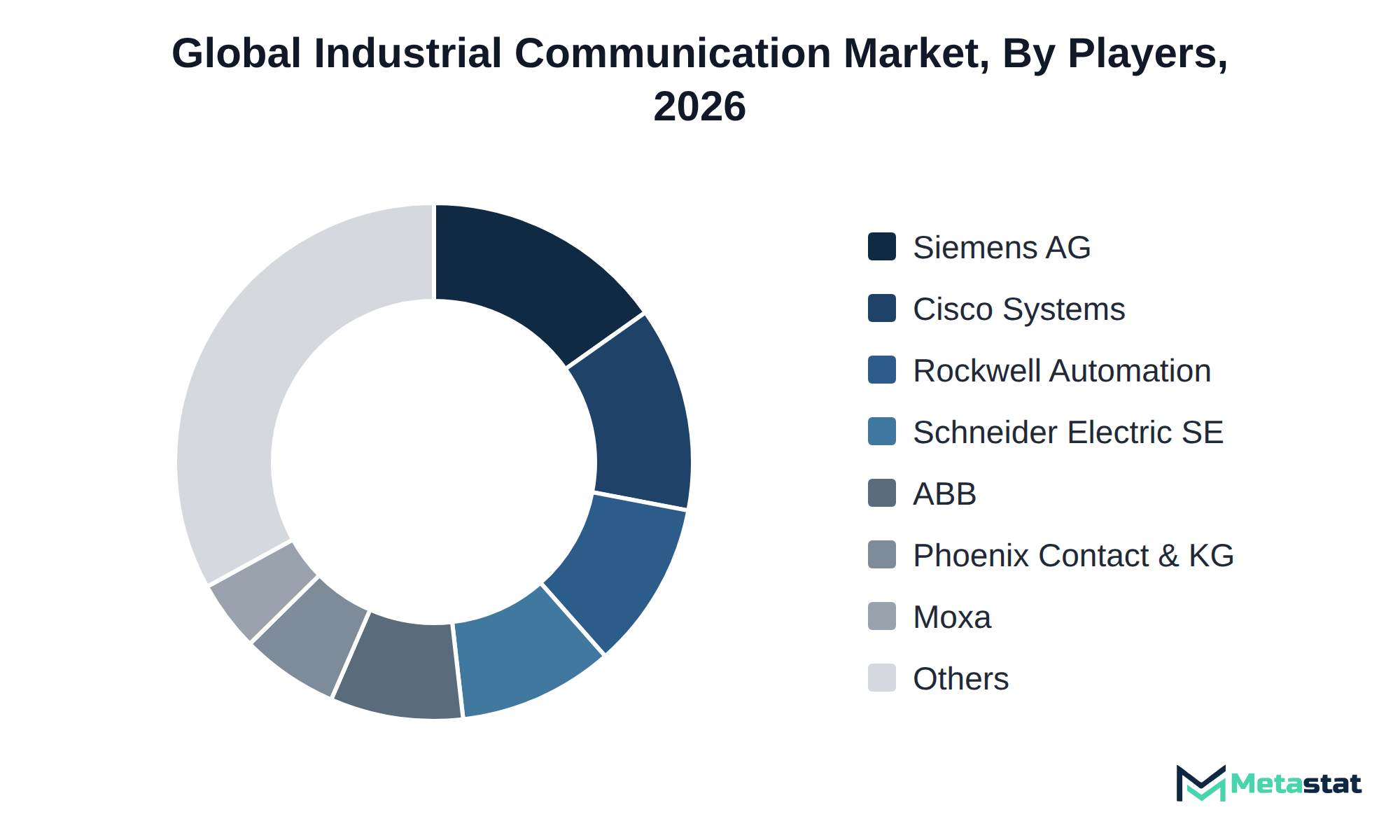
Companies including Siemens AG and Rockwell Automation, Inc. focus on solutions that combine hardware and software, enhancing automation capabilities for customers. Schneider Electric SE emphasizes sustainability and energy management within its offerings, catering to industries requiring efficient and reliable systems. Meanwhile, ABB Ltd. specializes in high-performance communication protocols, ensuring robust connectivity for industrial applications.
Players like Phoenix Contact GmbH & Co. KG and Belden Inc. (Hirschmann) concentrate on developing modular components and interfaces tailored for specific industry needs, enabling clients to customize their communication setups. This strategic behavior reflects a market trend where companies seek to differentiate themselves by offering unique capabilities and services, driving competitive dynamics in the Industrial Communication market.
Achieving this growth relies on several key developments within the Industrial Communication market. First, significant advancements in communication protocols, particularly in PROFINET and EtherNet/IP, will facilitate more efficient data exchange in various industries. These protocols are projected to attract increased investment, particularly in the automotive and transportation sectors, where automation plays a critical role in enhancing operational efficiency. Second, the demand for components, including switches and controllers, will drive market expansion. Growth in the electrical and electronics industry will contribute to this demand, creating an environment for innovation and improved functionalities. However, challenges exist that could inhibit growth. Delays in regulatory approvals or potential supply chain disruptions in emerging markets like Asia Pacific hinder the timely deployment of new technologies. Addressing these risks will be essential for maintaining momentum toward the projected market size.
By Component: Switches, Controllers, Communication Interface Modules, Gateways and Protocol Converters, Routers and Wireless Access Points, Software, Power Supply Devices, Services, Others (Hubs, Repeaters, Cables and Connectors)
By Communication Protocol: PROFINET, EtherNet/IP, EtherCAT, Modbus (RTU and TCP), Wireless Protocols (Wi-Fi, Bluetooth, 5G, WirelessHART), PROFIBUS, CC-Link and CC-Link IE, HART and FOUNDATION Fieldbus, Others (POWERLINK, DeviceNet, CANopen, SERCOS, OPC UA)
By End-Use Industry: Automotive and Transportation, Electrical and Electronics, Energy and Power, Oil and Gas, Food and Beverages, Chemicals and Petrochemicals, Pharmaceuticals and Life Sciences, Metals and Mining, Aerospace and Defense, Others (Water and Wastewater, Pulp and Paper, Textiles, Building Materials)
By Application: Factory and Machine Automation, Process Control and Monitoring, Motion and Robotics Control, Remote Monitoring and SCADA Telemetry, Predictive Maintenance and Asset Monitoring, Functional Safety Systems, Others (Energy Management, Product Traceability, Plant Utilities Monitoring)
The report strategically identifies and profiles the key market players and analyses their core competencies in each sub-segment of the Industrial Communication market.
|
Report Attributes |
Details |
|
Study Period |
2021-2033 |
|
Base Year |
2025 |
|
Estimated Year |
2026 |
|
Forecast Period |
2026-2033 |
|
Historical Period |
2021-2025 |
|
Growth Rate |
CAGR 6.1% from 2026 to 2033 |
|
Revenue Unit |
USD billion |
|
Segmentation |
By Component, Communication Protocol, End-Use Industry, Application, and Region |
|
By Region |
North America (By Component, Communication Protocol, End-Use Industry, Application, and Country)
|
|
Europe (By Component, Communication Protocol, End-Use Industry, Application, and Country)
|
|
|
Asia Pacific (By Component, Communication Protocol, End-Use Industry, Application, and Country)
|
|
|
South America (By Component, Communication Protocol, End-Use Industry, Application, and Country)
|
|
|
Middle East and Africa (By Component, Communication Protocol, End-Use Industry, Application, and Country)
|
Find answers to common questions about this report
The Industrial Communication market size was valued at USD 24.8 billion in 2025.
The market is projected to grow at a CAGR of 6.1% during the forecast period from 2026 to 2033.
The North America Industrial Communication market size is estimated to reach USD 9 billion by 2033.
The leading segment in the Industrial Communication market is the Component segment, with a projected value of USD 9.1 billion by 2033. This segment surpasses others based on its growth trajectory and market share.
Investment in automation technologies significantly drives the market, particularly in sectors like automotive and transportation, where enhanced operational efficiency is prioritized. advancements in Internet of Things (IoT) connectivity promote the integration of devices within industrial environments, facilitating real-time data exchange and improving operational efficiency.
Price sensitivity presents a significant barrier to growth in the Industrial Communication market, particularly affecting smaller manufacturers and businesses with limited budgets. Rising input costs for critical components challenge suppliers, restricting their ability to compete effectively against larger players.
Investment in factory and machine automation drives adoption, with significant growth projected from USD 8.1 billion in 2026 to USD 11.1 billion by 2033. The emphasis on efficiency and productivity across industries, particularly automotive and electronics, encourages the integration of advanced communication technologies to support operational needs.
The Industrial Communication market is estimated to reach a valuation of USD 39.8 billion by 2033.
Key players operating in the Industrial Communication market include Siemens AG, Cisco Systems, Inc., Rockwell Automation, Inc., Schneider Electric SE, ABB Ltd., Phoenix Contact GmbH & Co. KG, and Moxa Inc.
The automotive and transportation segment is projected to grow from USD 5.2 billion in 2026 to USD 7.7 billion by 2033, reflecting a compound annual growth rate of 5.7 percent.
The analysts below cover Machinery & Equipment research at Metastat Insights.
LEAD ANALYST
Utkarsh Khirodkar is a Lead Market Research Analyst at MetaStat Insight, specializing in market intelligence, technology sector assessments, and competitive strategy.

INDUSTRY CONSULTANT - CHEMICALS & ADVANCED MATERIALS
Chemicals and Materials · Machinery & Equipment · Packaging
Amit Gadhekar Consultant for Chemicals and Materials at MetaStat Insight, directing sector-specific intelligence, research, and strategic consulting across global chemical and processing markets.

PRINCIPAL CONSULTANT - QUALITY SYSTEMS & COMPLIANCE
Electronics and Semiconductor · Machinery & Equipment · Professional Services
Omkar Phadtare is an Industry Consultant at MetaStat Insight, specializing in quality systems, regulatory compliance, and standards benchmarking to drive data-driven market intelligence and strategic industry research.

ENERGY & INFRASTRUCTURE INDUSTRY CONSULTANT
Automotive and Transportation · Electronics and Semiconductor · Energy and Power · Machinery & Equipment
Saurabh Vasant Ganvir consults for Energy & Infrastructure Industry at MetaStat Insight, specializing in renewable energy, solar EPC, and electric vehicle (EV) infrastructure markets.

LEAD CONSULTANT - COMMUNICATION, TELECOM, AND IT
Electronics and Semiconductor · Information & Technology · Machinery & Equipment · Professional Services
Ravindra Sathe Consultants for Communication, Telecom, and IT at MetaStat Insight. He leads the firm's industry research initiatives across telecommunications infrastructure, digital connectivity, enterprise networking, and emerging information technology domains.
Evaluating sensor fusion reliability across harsh operating environments can be tricky without field-validated data. The study on agricultural autonomous guidance systems clearly separated stereo vision setups from automotive-grade solid-state LiDAR. We appreciated the regional infrastructure analysis, specifically around RTK network density across North America and South America. During our follow-up consultation, the MetaStat Insight team walked through tier-two perception software partnerships, giving our engineering leads a practical basis for vendor shortlisting.
Analyzing the transition from natural gas to green hydrogen in iron ore reduction requires realistic infrastructure timelines. Meta stat insight supplied a detailed regional assessment of DRI plant conversion costs and scrap metal availability in North America and Western Europe. Their report carefully examined pellet quality specs and electrical grid access constraints without making oversimplified market assumptions. The research material served as a practical reference during internal technology roadmap discussions.
Integrating zero-trust access controls across legacy electronic health record systems involves complex compliance overhead. Team produced an analysis that clearly separated identity governance and administration tools from privileged access management platforms. Their evaluation of HIPAA and GDPR compliance features across cloud native solutions gave our architecture group clear baseline criteria. The custom data request regarding biometric authentication adoption in hospital networks was returned promptly with clear documentation.
Explore related market intelligence reports worth reading alongside this one.