
LEAD ANALYST
Utkarsh Khirodkar is a Lead Market Research Analyst at MetaStat Insight, specializing in market intelligence, technology sector assessments, and competitive strategy.

Global Smart Transportation Market Size, Share, By Type (Advanced Traffic Management Systems (ATMS), Advanced Traveler Information Systems (ATIS), Advanced Transportation Pricing Systems (ATPS), Advanced Public Transportation Systems (APTS), Advanced Commercial Vehicle Operations (ACVOS), and Cooperative Vehicle-Infrastructure Systems (CVIS)), By Application (Traffic Management, Public Transport and Ticketing, Road Safety and Security, Freight and Fleet Management, Environmental and Emission Monitoring, Smart Parking and Guidance, Tolling and Congestion Pricing, and Connected and Autonomous Vehicle (CAV) Support), By Mode of Transport (Roadways, Railways, Airways, and Maritime), By Technology (IoT Sensors and V2X, AI and Machine-Learning Analytics, Digital Twin Platforms, 5G and C-V2X Connectivity, and Other Technologies), Industry Analysis, Growth, Trends, and Forecast, 2026-2033
Report ID
MSI-5143
Published
September, 2026
Pages
266 Pages
Format
Historical
Base year
Forecast
Forecast period
Report Details
Choose Your License
Global Smart Transportation Market
The global Smart Transportation market was valued at USD 153.3 billion in 2025 and is projected to reach USD 396.2 billion by 2033, growing at a CAGR of 12.6% over the forecast period.
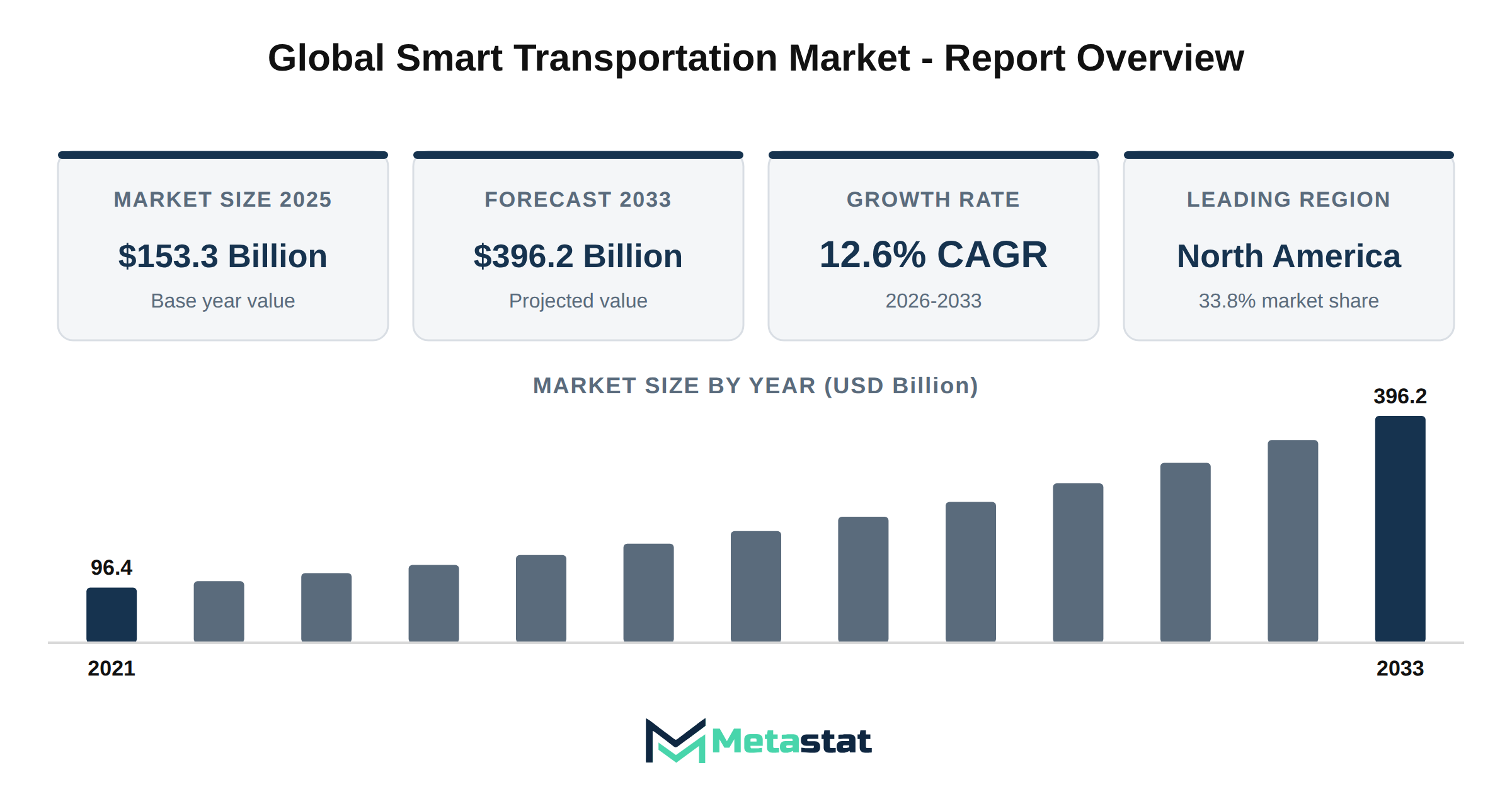
The Smart Transportation market reached a valuation of USD 153.3 billion in 2025, marking an increase from USD 96.4 billion in 2021. The market is projected to grow to USD 396.2 billion by 2033, reflecting a compound annual growth rate (CAGR) of 12.6%. This growth trajectory highlights the increasing importance of technology in transportation, driven by advancements in infrastructure, urbanization, and the demand for efficient transportation systems.
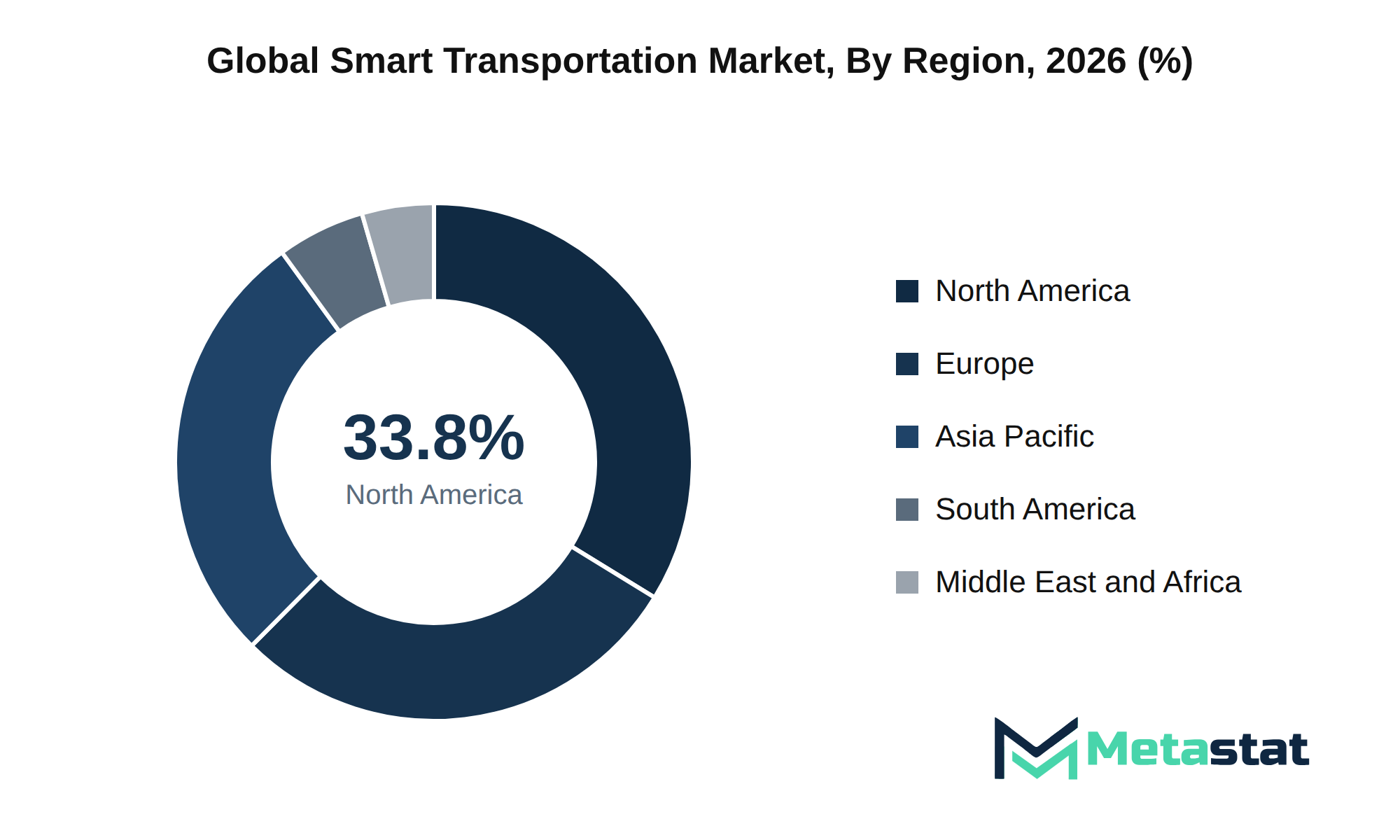
Regional dynamics show that North America holds a 33.8% share of the market, with projections indicating a value of USD 123.6 billion by 2033. Europe follows closely with a 28.7% share, while Asia Pacific accounts for 27.6%. The remaining market is divided among South America and the Middle East and Africa, which contribute 5.5% and 4.5% respectively. This regional distribution emphasizes the varying levels of investment and adoption of smart transportation solutions across different geographies.
The Smart Transportation market encompasses several segments including advanced traffic management systems, advanced traveler information systems, and advanced public transportation systems. Advanced traffic management systems are expected to grow from USD 48.3 billion in 2026 to USD 107 billion by 2033, demonstrating a robust CAGR of 12%. In parallel, advanced traveler information systems will reach USD 71.3 billion by 2033, indicating a CAGR of 11.3%. These segments highlight the transformation in traffic management and traveler information delivery.
Application areas including traffic management, public transport, and ticketing play important roles in the market's evolution. Traffic management solutions are anticipated to expand from USD 41.2 billion in 2026 to USD 88 billion by 2033, reflecting a CAGR of 11.5%. Public transport and ticketing systems are projected to reach USD 67.4 billion by 2033, with a CAGR of 11.9%. This growth illustrates the increasing reliance on advanced systems to enhance urban mobility and streamline ticketing processes.
The Smart Transportation market experiences significant transformations driven by advancements in technology and the increasing emphasis on sustainability. The integration of Internet of Things (IoT) and Artificial Intelligence (AI) creates innovative solutions that enhance operational efficiency and improve user experiences. Continuous investment in research and development supports the emergence of next-generation technologies, further propelling market growth.
Regulatory compliance and standards play crucial roles in shaping market dynamics. Governments worldwide implement policies aimed at ensuring safe and efficient transportation systems, driving companies to align with these regulations. This alignment promotes the adoption of smart transportation solutions across various sectors, including public transport, logistics, and urban planning.
Sustainable transformation encourages stakeholders to adopt eco-friendly practices. The focus on decarbonization and circular economy dynamics influences the development of technologies that reduce carbon emissions and promote resource efficiency. Companies prioritizing sustainability attract environmentally conscious consumers, enhancing their market positioning.
The supply chain landscape remains a critical factor influencing the market. Efficient logistics architecture facilitates smooth operations, while strategic sourcing enhances cost-effectiveness. Companies optimizing their supply chains position themselves to meet the growing demand for smart transportation solutions.
Market fragmentation presents both challenges and opportunities. Numerous players operate within the Smart Transportation market, driving competition and innovation. Mergers and acquisitions enable companies to strengthen their market presence and diversify their offerings, ensuring relevance in an evolving environment.
Investment in infrastructure significantly influences the market's future strategic outlook. Continuous capital allocation towards smart transportation projects ensures that cities adapt to growing populations and changing mobility needs. This investment lays the groundwork for advanced transportation systems that enhance connectivity and efficiency.
The Smart Transportation market thrives on innovation, regulatory compliance, and sustainability. Organizations recognizing the importance of these elements and strategically aligning their operations enhance their competitive edge and contribute to market growth.
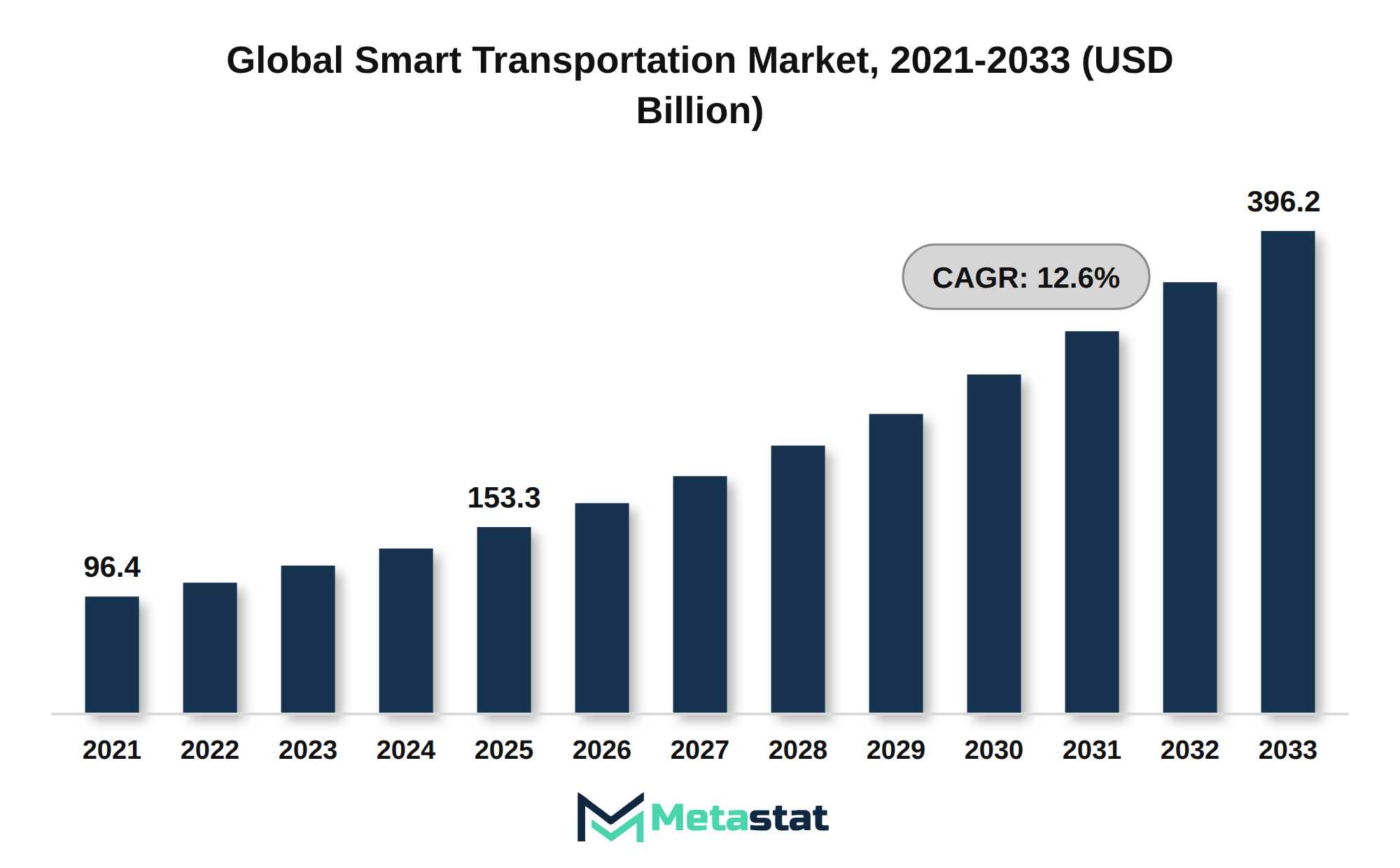
Economic growth across various regions directly influences the Smart Transportation market. Increasing GDP levels encourage private and public sectors to allocate funding for advanced transportation infrastructure, enhancing operational capacity and efficiency. This investment climate supports the integration of innovative technologies including artificial intelligence, machine learning, and automation into existing transportation systems.
Higher capital investments facilitate the adoption of digital transformation initiatives, streamlining legacy processes and enhancing decision-making capabilities. The integration of these technologies enhances productivity and contributes to overall market growth. This transformation attracts additional investment, creating a reinforcing cycle that drives the market forward.
Urbanization trends further increase the demand for smart transportation solutions. Population migration toward urban centers escalates the need for efficient and sustainable transportation systems. This demographic shift drives consumers toward adopting advanced public transportation systems, advanced traffic management systems, and innovative pricing solutions, creating a robust market environment.
The growing focus on sustainability and resource stewardship aligns with evolving demands from consumers and government entities. Increasing awareness surrounding carbon emissions motivates investments in smart transportation technologies that reduce environmental impact. This alignment between economic growth, technological advancement, and sustainability trends shapes the Smart Transportation market's trajectory, leading to significant growth opportunities through 2033.
Infrastructure development significantly influences the advancement of the Smart Transportation market by driving digital transformation initiatives. The push for upgrading physical and digital capacities, alongside enhanced network capabilities, facilitates the integration of innovative technologies including automation and artificial intelligence. This transformation addresses evolving consumer behaviors, particularly in urbanized areas, where demand for efficient transportation solutions is rising.
Investment in infrastructure contributes to an improved capital investment environment. Growth in public-private partnerships allocates resources to enhance transportation systems, driving operational productivity and cost-efficiency initiatives. Upgraded infrastructure supports the digitization of legacy processes, enabling transportation companies to streamline operations and optimize labor. This ultimately results in reduced overhead costs.
The Smart Transportation market benefits from increased public and private spending directed toward sustainable infrastructure projects. Efforts to modernize transportation networks align with ESG mandates, promoting resource stewardship by reducing carbon footprints. This focus on sustainability attracts venture funding dedicated to innovative solutions, further propelling market growth.
While infrastructure development accelerates, the market anticipates a shift toward integrated systems that enhance connectivity and create efficient transportation experiences. This evolution positions stakeholders to capitalize on emerging technologies and create diversified service offerings, establishing a strong growth trajectory for the Smart Transportation market.
Increasing regulatory compliance requirements hinder the development of the Smart Transportation market. Stricter environmental regulations create significant barriers for companies seeking to implement new technologies. Compliance with these standards often involves substantial investments in technology upgrades and processes, placing an additional financial burden on market participants.
Capital stagnation further exacerbates these challenges, limiting the available funding for innovative projects. Reduced investment due to macroeconomic headwinds slows the pace of technological advancements in the market. This situation restricts opportunities for growth and adoption, particularly for smaller firms struggling to meet compliance costs.
High capital investment requirements associated with advanced transportation technologies create obstacles for many potential adopters. Consequently, these financial pressures delay or prevent organizations from pursuing smart transportation initiatives, impacting overall market growth. Infrastructure gaps and connectivity deficits in various regions complicate the implementation of smart solutions.
Workforce challenges, including skilled labor deficiencies and rising overhead costs, impact the growth of the market. Limited availability of qualified professionals to support smart transportation projects leads to deployment bottlenecks, stalling progress in modernization efforts.
Privacy concerns regarding data security vulnerabilities in smart transportation systems create apprehension among consumers and organizations. These apprehensions hinder widespread adoption, because stakeholders weigh the risks of data breaches against the benefits of advanced transportation solutions.
Market fragmentation, driven by varying regional regulations and cultural barriers, complicates the implementation of uniform smart transportation systems. This division among stakeholders results in inconsistent technology adoption rates across different regions, creating further challenges for market growth.
The combination of these factors creates a complex environment for the Smart Transportation market. Addressing these challenges requires concerted efforts from public and private sectors to enable wider adoption and investment in smart transportation infrastructure.
The Smart Transportation market faces challenges stemming from geopolitical fragmentation and trade deficits. These factors lead to increased tariff friction, complicating international partnerships and supply chains. Manufacturers and suppliers contend with heightened operational costs and uncertainties, restricting market growth. Geopolitical tensions disrupt not only trade flows but investments in technology and infrastructure, creating an atmosphere of instability.
Technological disruptions further exacerbate these challenges. Rapid advancements in technology necessitate complex research and development integrations, which require substantial investment and skilled personnel. Workforce skill gaps and talent retention pressures hinder firms striving to keep pace with innovations, limiting their ability to compete effectively within the market. The pressure to automate processes intensifies, driven by firms seeking efficiency, but this often leads to workforce displacements, creating additional challenges.
Environmental demands, including decarbonization mandates and sustainability initiatives, impose further constraints on market participants. Companies face pressures to comply with tightening global regulatory standards, resulting in increased compliance overhead and evolving legal liabilities. Such requirements often divert resources from core operations, impacting profitability and market positioning.
Supply chain instability, driven by logistics disruptions and feedstock volatility, introduces additional unpredictability. The Smart Transportation market depends on a reliable supply of components and materials; fluctuations hinder production and delay project timelines. Infrastructure gaps and retrofitting barriers challenge the adoption of new technologies, making it difficult for firms to implement innovative solutions effectively.
The Smart Transportation market grapples with various challenges, including geopolitical tensions, technological disruptions, environmental demands, and supply chain instability. These factors shape the competitive landscape, influencing investments, innovation, and overall growth within the market.
The Smart Transportation market experiences robust opportunities driven by emerging regional demands, particularly in urban areas. Cities increasingly prioritize modern transportation solutions to alleviate congestion and improve air quality. These regional demands create a significant push for advanced technologies that enhance traffic management and public transport systems. Innovations including intelligent transportation systems and smart traffic signaling are crucial for addressing these urban challenges, leading to heightened investments in infrastructure modernization.
Geographical expansion of smart transportation initiatives contributes to market growth across diverse regions. Countries in Asia Pacific, particularly China and India, demonstrate substantial investments in transportation infrastructure, enhancing connectivity and efficiency. This expansion aligns with global trends toward sustainable urban planning, which further drives the adoption of advanced transportation technologies.
Technological disruptions, including the integration of Internet of Things (IoT) and artificial intelligence (AI), enable the development of smart transportation solutions that optimize asset use and improve safety. The implementation of IoT sensors in vehicles and infrastructure creates a more responsive transportation ecosystem, facilitating real-time data sharing and analysis. The Smart Transportation market anticipates ongoing growth driven by the evolution of these technologies, which become integral to transportation networks.
Digital transformation initiatives across industries create opportunities for enhanced procurement processes and operational efficiencies. Companies employ digital platforms for more streamlined operations, encouraging collaborations that promote innovation in transportation solutions. This transformation aligns with shifting consumer behaviors, which increasingly favor eco-friendly and efficient modes of transport.
The focus on sustainability imperatives and green transformations further drives market opportunities. Stakeholders increasingly prioritize eco-friendly compliance, aligning their strategies with environmental, social, and governance (ESG) criteria. This shift influences product development and service offerings within the Smart Transportation market, leading to innovative solutions that meet regulatory and consumer demands for sustainable practices.
The Global Smart Transportation market is segmented based on Type, Application, Mode of Transport, and Technology.
Valued at USD 48.3 billion in 2026, the Advanced Traffic Management Systems (ATMS) segment is projected to reach USD 107 billion by 2033, with a CAGR of 12% during the forecast period. This growth reflects increasing urbanization, which drives the demand for efficient traffic management solutions to address congestion and enhance road safety. Urban areas continuously seek innovative technologies to optimize traffic flow, reduce travel times, and minimize environmental impacts.
Technological maturation in IoT and AI significantly influences the market, facilitating the development of advanced analytics and real-time data processing capabilities. The integration of these technologies enhances the effectiveness of traffic management systems, enabling predictive analytics that support proactive traffic control measures. Regulatory compliance standards, especially regarding safety and emissions, further enhance the adoption of these systems, because municipalities prioritize the implementation of sustainable transportation solutions.
Investment in smart infrastructure continues to shape end-use dynamics, with cities focusing on modernizing existing systems to meet the demands of connected vehicles and smart city initiatives. The shift towards multimodal transportation options encourages the integration of ATMS with public transport networks, enhancing overall mobility solutions. This strategic alignment encourages collaboration among stakeholders, including governments, technology providers, and transportation agencies, ultimately contributing to market expansion.
Cost structures and pricing volatility associated with technological upgrades affect margins within the market. Suppliers face pressures to deliver innovative solutions while maintaining competitive pricing. Strategic opportunities arise from partnerships and collaborations, allowing players to leverage complementary strengths and expand their offerings. The ATMS segment's growth trajectory signals a robust outlook for participants in the Smart Transportation market, driven by evolving consumer expectations and regulatory landscapes.
Increasing demand for real-time travel information drives growth in Advanced Traveler Information Systems (ATIS) within the Smart Transportation market. Enhanced user experiences and improved traffic efficiency fuel adoption among consumers and municipalities. With the rise of smart city initiatives, local governments prioritize the implementation of these systems to optimize urban mobility. Growing investments in technology and infrastructure support this trend, enabling advanced data analytics and user-friendly interfaces.
The Advanced Traveler Information Systems (ATIS) segment is projected to reach USD 71.3 billion by 2033, at a CAGR of 11.3% during the forecast period. Technological maturation enables integration with existing transportation networks, enhancing system reliability and user satisfaction. Increased use of mobile applications for travel planning and navigation boosts consumer engagement and drives demand. Regulatory compliance standards encourage municipalities to adopt ATIS to improve traffic management and reduce congestion.
Competitive pressures among technology providers lead to continual innovation and product evolution within the market. Enhancements in data processing capabilities and the emergence of artificial intelligence improve the accuracy of travel information. Strategic opportunity windows arise for companies that deliver next-generation upgrades, including integrating IoT solutions and machine-learning analytics. This evolution positions the ATIS segment favorably for sustained growth, aligning with broader shifts toward smart transportation solutions.
Growth in the Advanced Transportation Pricing Systems (ATPS) segment reflects rising demand for innovative solutions that enhance transportation efficiency and revenue generation. Increasing urbanization and congestion necessitate the implementation of effective pricing mechanisms to manage traffic flow and optimize resource allocation. Public sector stakeholders and private transportation providers actively pursue advanced pricing strategies, driving investments in this segment.
Technological advancement significantly influences segment expansion. Integration of IoT and AI technologies facilitates real-time data analytics, enabling effective decision-making and dynamic pricing models. These developments align with the overall trends observed in the Smart Transportation market, encouraging a competitive landscape that stimulates further innovation.
Regulatory frameworks emphasizing environmental sustainability drive the adoption of advanced pricing systems. Governments worldwide establish policies incentivizing the reduction of congestion and emissions, pushing stakeholders to enhance pricing structures. This regulatory push enhances market growth potential, positioning the segment to reach USD 43.6 billion by 2033.
Cost structure analysis indicates that initial implementation costs are offset by long-term operational savings achieved through data-driven pricing strategies. Intensifying competition compels firms to prioritize investment in technology that ensures compliance and drives profitability. Enhanced revenue generation through optimized pricing mechanisms increases the segment's attractiveness for stakeholders within the Smart Transportation market.
Strong growth is anticipated in the Advanced Public Transportation Systems (APTS) segment, projected to grow at a CAGR of 13.2% during the forecast period. Increasing urbanization and the push for eco-friendly transportation solutions drive demand for advanced public transportation systems. These systems improve operational efficiency and enhance user experience through real-time data integration and smart ticketing solutions.
Significant investment in infrastructure development enhances the adoption of APTS across various regions. Governments and municipalities prioritize smart public transit solutions to reduce traffic congestion, lower emissions, and improve overall public safety. The integration of technology in public transport facilitates better management of resources and services, ultimately benefiting end-users.
Technological advancements play a crucial role in the evolution of the APTS segment. The incorporation of IoT sensors and V2X communication enables connectivity and data sharing, leading to improved service reliability and efficiency. Transitioning toward AI and machine-learning analytics allows for predictive maintenance, optimizing fleet operations and reducing downtime.
Regulatory compliance regarding environmental standards and urban planning policies significantly influences the segment's growth trajectory. Stricter emissions regulations create a pressing need for cleaner public transport solutions, pushing operators to adopt advanced systems that meet these requirements. Compliance with evolving policies ensures that public transport remains a viable and sustainable option for urban mobility.
Investment opportunities within the APTS segment are expanding, with increased capital flowing into innovative solutions. The market supports the development of next-generation upgrades that enhance system capabilities and user satisfaction. Cities seek to modernize their public transport infrastructure, positioning the APTS segment to capitalize on these strategic opportunities in the Smart Transportation market.
Insights into Advanced Commercial Vehicle Operations (ACVOS) highlight significant demand drivers linked to the increasing complexity of logistics and delivery systems. The focus on enhancing fleet efficiency, reducing operational costs, and improving safety standards contributes to widespread adoption across the transportation sector. Adoption aligns with the need for advanced technologies that enable real-time data analytics, vehicle tracking, and route optimization.
Segment expansion is closely tied to technological maturation, where advancements in AI, IoT, and machine learning play a critical role in shaping next-generation upgrades. Integration of these technologies supports product evolution, enabling communication between vehicles and infrastructure. The market's landscape demonstrates a growing emphasis on downstream applications, including smart logistics and transportation management systems that enhance end-use dynamics.
Regulatory compliance standards increasingly influence the market, driving investment in systems that address environmental concerns and promote sustainability. Cost structures reflect the ongoing need for manufacturers and service providers to adapt to changing market conditions, with pricing volatility impacting margins. Strategic opportunity windows are evident, particularly for firms that leverage innovative solutions to address challenges stemming from technological obsolescence and disruptive alternatives.
Supply chain resilience remains a focal point, emphasizing the importance of raw material sourcing and logistics vulnerabilities in maintaining operational continuity. The evolving nature of consumer behaviors and preferences shapes consumption shifts, with a clear demand for more efficient and sustainable commercial vehicle operations. Investment in this segment demonstrates a commitment to innovation, ensuring alignment with the strategic objectives of the Smart Transportation market.
Growth in Cooperative Vehicle-Infrastructure Systems (CVIS) stems from increasing demand for enhanced vehicle connectivity and improved traffic management solutions. Stakeholders across transportation sectors recognize the importance of integrating vehicles with infrastructure to optimize traffic flow and reduce congestion. This integration enables efficient communication between vehicles and traffic systems, allowing for real-time data exchange, which enhances safety and operational efficiency.
Technological maturation significantly influences the segment's expansion. Advances in Internet of Things (IoT) technology and vehicle-to-everything (V2X) communication facilitate the development of sophisticated CVIS. These technologies support effective connectivity among vehicles, infrastructure, and users, driving adoption among urban planners and transportation agencies aiming to create smarter cities.
Next-generation upgrades consistently emerge, driven by significant catalysts for segment growth. The introduction of innovative features, including automated traffic signals and dynamic road pricing systems, enhances the functionality of CVIS. Such upgrades contribute to improved traffic management, which directly influences end-user experiences and operational efficiencies for transportation authorities.
Regulatory compliance standards heavily influence the segment, with governments implementing strict guidelines to promote safety and emissions reductions. Compliance with these regulations encourages investment in CVIS, particularly among municipalities striving to modernize their transportation infrastructures. The market benefits from this alignment, because regulations promote the adoption of advanced technologies.
Strategic opportunity windows arise from the increasing emphasis on sustainability in urban transportation. Stakeholders pursue investments in CVIS to support green initiatives, including reduced carbon footprints and improved energy efficiency. This focus on sustainability aligns with global trends, positioning the segment for growth in an environmentally conscious market.
Overall, the Smart Transportation market experiences a significant phase driven by the advancements in Cooperative Vehicle-Infrastructure Systems (CVIS). The segment's growth potential reflects the convergence of technology, regulatory support, and the demand for innovative transportation solutions.
Valued at USD 41.2 billion in 2026, the Traffic Management segment is projected to reach USD 88 billion by 2033, at a CAGR of 11.5% during the forecast period. This segment demonstrates strong growth driven by the increasing need for efficient traffic flow and real-time data processing, particularly within urban environments facing congestion challenges. Enhanced traffic management systems improve mobility and safety, appealing to city planners and transportation agencies seeking to optimize infrastructure usage.
The adoption of advanced technologies, including IoT sensors and AI analytics, serves because a key driver for market expansion. These innovations streamline data collection and analysis, leading to improved decision-making processes. Regulatory requirements for emissions reduction fuel demand for sophisticated traffic management solutions, aligning with global sustainability goals.
Industry players focus on developing next-generation upgrades, including integrated platforms that provide comprehensive visibility into traffic conditions. This evolution enhances the segment's appeal, positioning it because a vital component of the Smart Transportation market. Investments in infrastructure development alongside urbanization trends create strategic opportunity windows for market participants, ensuring robust demand for traffic management solutions.
Growth in the Public Transport and Ticketing segment is expected to reach USD 67.4 billion by 2033, at a CAGR of 11.9% during the forecast period. Key demand drivers include urbanization and an increasing focus on efficient public transport systems. Rapid population growth in urban areas raises the need for integrated ticketing solutions to improve travel experiences for users.
Technological maturation influences segment expansion. Advancements in mobile technology and contactless payment systems enhance user convenience while optimizing operational efficiency. Increased adoption of smart ticketing solutions, including mobile applications and smart cards, supports improved travel experiences, reflecting the evolving expectations of commuters.
Next-generation upgrades significantly influence product evolution. Innovations including real-time data analytics and integrated payment systems provide enhanced visibility and operational control for transport authorities. These developments enable better management of capacity and resource allocation, driving improved service delivery and operational effectiveness.
Downstream applications extend to various sectors, including tourism and logistics, which leverage public transport systems for increased efficiency. The demand for integrated mobility solutions creates further opportunities for market participants to explore partnerships and expand their service offerings.
Regulatory compliance standards exert pressure on operational practices. Governments worldwide implement strict regulations aimed at reducing carbon emissions and promoting sustainable transport solutions. Compliance with these standards necessitates investment in modern technologies and infrastructure, affecting cost structures within the segment.
Pricing volatility and margin pressures arise from the dynamic nature of operational costs, including fuel prices and maintenance expenses. Market participants respond by implementing cost-control measures while enhancing service quality to maintain competitiveness. These financial dynamics significantly influence investment decisions and strategic planning within the market.
Strategic opportunity windows exist in the area of smart mobility solutions, with significant capital investment anticipated in emerging technologies. This environment encourages innovation and diversification among market participants, creating a competitive environment that shapes the future of the Smart Transportation market.
Demand for enhanced safety measures and security protocols in transportation drives growth in the Road Safety and Security segment of the Smart Transportation market. Increased concerns regarding road safety and the rising incidence of accidents necessitate the implementation of advanced technologies. Technologies including IoT sensors, AI analytics, and real-time monitoring systems contribute significantly to improving public safety on roads. Regulatory compliance standards regarding vehicle and passenger safety further increase the need for innovative solutions in this segment.
Investment in robust safety systems reflects the growing awareness of potential liabilities associated with inadequate safety measures. Developments in autonomous vehicle technologies and connected infrastructures strengthen the demand for enhanced road safety solutions. The segment is projected to reach USD 43.6 billion by 2033, highlighting the importance of ongoing investment and innovation in safety technologies. This substantial growth aligns with the overall expansion of the market, emphasizing the critical role safety plays in transportation systems.
Valued at USD 41.2 billion in 2026, the Freight and Fleet Management segment is projected to grow at a CAGR of 11.4% during the forecast period. Increasing focus on operational efficiency drives demand for advanced solutions aimed at optimizing fleet utilization and reducing operational costs. Companies prioritize technologies that deliver real-time insights into fleet performance, enabling proactive decision-making and improved asset management.
Adoption of IoT and AI technologies enhances visibility and control over logistics operations. These technologies facilitate predictive maintenance, route optimization, and fuel management, significantly reducing downtime and enhancing overall efficiency. Heightened investment in next-generation upgrades leverages data analytics for improved route planning and fleet scheduling, translating to cost savings and increased productivity.
Regulatory compliance standards regarding emissions and safety influence purchasing decisions within the segment. Companies invest in solutions that meet current regulations while anticipating future compliance requirements. This proactive approach positions organizations favorably in a competitive landscape, driving sustained growth within the Smart Transportation market.
Technological maturation, particularly in AI and machine-learning analytics, contributes to advancements in fleet management. These technologies enable enhanced data processing capabilities, facilitating real-time decision-making and improved operational strategies. Logistics vulnerabilities arise from fluctuating fuel prices, prompting companies to seek flexible solutions that mitigate these risks while maintaining competitive pricing.
The Freight and Fleet Management segment reflects a strategic opportunity window for capital investment, with companies actively exploring partnerships and collaborations to enhance technological capabilities. Continuous product evolution aligns with shifting consumer expectations, emphasizing straightforward integration of smart technologies within fleet operations. The overall growth trajectory of this segment highlights its significance within the Smart Transportation market.
Interest in Environmental and Emission Monitoring arises from increasing regulatory pressures aimed at reducing pollution and enhancing transportation sustainability. This segment aligns with global initiatives focused on environmental protection, prompting various stakeholders in the Smart Transportation market to adopt advanced monitoring solutions. The urgency for improved air quality metrics and carbon footprint reduction drives public and private sector investments in monitoring technologies.
Technological advancements play a crucial role in the evolution of Environmental and Emission Monitoring systems. Solutions leveraging Internet of Things (IoT) and AI analytics facilitate real-time data collection and analysis, streamlining compliance with environmental regulations. The integration of these technologies supports proactive decision-making, enhancing operational efficiency across transportation networks.
Market players face challenges related to pricing volatility and margin pressures in the development of effective monitoring solutions. Fluctuations in raw material costs and the need for continuous technological upgrades impact production costs and profitability. Strategic partnerships and investments in research and development are essential for maintaining a competitive edge, enabling companies to innovate and respond to evolving market demands.
Regulatory compliance standards increasingly dictate the capabilities required of Environmental and Emission Monitoring systems. Organizations invest in solutions that not only meet current regulations but anticipate future requirements. This proactive approach builds long-term relationships with stakeholders, ensuring that market participants remain leaders in compliance and innovation.
Opportunities for expansion exist within specific regional markets where environmental initiatives are prioritized. Increased urbanization and transportation-related emissions present significant challenges, leading to heightened demand for efficient monitoring solutions. Companies that strategically position themselves to capitalize on these trends enhance their market share and contribute to broader sustainability goals.
Growing urban populations and increasing vehicle ownership drive demand for Smart Parking and Guidance solutions, highlighting their importance in managing parking resources efficiently. The market prioritizes solutions that reduce traffic congestion, enhance user experience, and optimize space utilization, directly impacting urban mobility and sustainability. Innovative technologies, including mobile applications and IoT connectivity, improve the functionality and accessibility of smart parking systems, enabling users to locate available parking spots in real-time.
Next-generation upgrades focus on integrating advanced technologies including AI and machine learning, which improve predictive analytics and enhance decision-making processes for users and operators. Product evolution involves the incorporation of features that facilitate efficient payment processes and real-time notifications, aligning with consumer expectations for convenience and efficiency. The relationship between smart parking systems and broader urban planning initiatives supports the development of multimodal transport solutions, enhancing overall transportation efficiency.
Regulatory compliance related to environmental standards and urban mobility policies influences the adoption of smart parking systems, prompting stakeholders to invest in sustainable technologies. Cost structures associated with implementation and maintenance require careful consideration, particularly for municipalities balancing budgets with the need for modernization. Strategic opportunity windows emerge because cities explore innovative funding models and partnerships with technology providers to enhance infrastructure.
Market expansion hinges on addressing supply chain resilience and logistics vulnerabilities, particularly in sourcing components for smart parking technologies. The evolution of consumer preferences towards sustainable and convenient transportation options drives shifts in consumption patterns, highlighting the need for adaptable solutions. Overall, the Smart Transportation market stands to benefit from the growing emphasis on smart parking systems, creating pathways for enhanced urban mobility and operational efficiency.
Adoption of tolling and congestion pricing solutions enhances urban traffic management efficiency. An increasing focus on reducing traffic congestion in metropolitan areas drives interest in these solutions. Cities experience pressure to improve air quality and reduce travel times, prompting investments in advanced systems that optimize tolling and pricing mechanisms. Integration of smart technologies in the transportation sector supports the evolution of tolling infrastructures and pricing strategies.
Technological maturation contributes significantly to the expansion of this sub-segment. Innovations in electronic toll collection and dynamic pricing models rely on advanced data analytics and real-time monitoring, allowing authorities to implement responsive pricing strategies based on traffic conditions. This approach enhances user experience while generating revenue for infrastructure development and maintenance.
Regulatory compliance pushes governments to adopt tolling and congestion pricing because a means of managing urban mobility. Policies aimed at reducing greenhouse gas emissions and promoting sustainable transportation influence the adoption of these solutions. Compliance with environmental standards encourages investments in technologies that incorporate tolling systems, ultimately leading to a more sustainable transportation ecosystem.
In the Smart Transportation market, evolving consumer preferences for efficient urban mobility solutions drive the demand for tolling and congestion pricing applications. Users increasingly favor systems that offer transparency and convenience, leading to shifts in consumption patterns towards technologies that streamline travel experiences. These shifts create strategic opportunity windows for suppliers to innovate and capture market share.
Cost structures and pricing volatility present challenges in the implementation of tolling and congestion pricing systems. Stakeholders face pressures to balance revenue generation with affordability for users. Strategic partnerships and collaborations among key players alleviate financial burdens, allowing for more accessible pricing models that cater to diverse consumer segments.
Overall, the growth potential within the tolling and congestion pricing sub-segment remains strong. Ongoing technological advancements and regulatory initiatives shape the landscape, offering opportunities for significant capital investment and innovation within the Smart Transportation market.
Innovations in Connected and Autonomous Vehicle (CAV) Support emerge from rising consumer expectations for efficient travel experiences. The increasing integration of IoT sensors and advanced analytics drives adoption among automotive manufacturers and technology providers, enhancing vehicle connectivity and automation. This segment responds to heightened demand for safety, efficiency, and sustainability in transportation solutions, aligning with broader trends in the Smart Transportation market.
Technological advancements in AI and machine learning contribute significantly to the development of CAV systems, enabling real-time data processing and improved decision-making capabilities. These enhancements support the deployment of connected vehicles that interact with infrastructure, facilitating smarter traffic management and enhancing roadway safety. Expansion in this segment reflects a strategic opportunity for manufacturers aiming to capture market share. Stricter regulatory compliance regarding emissions and safety influences operational strategies.
End-use dynamics shift towards integrated mobility solutions, with CAV systems supporting various applications across urban and rural settings. Consumers prioritize features enabling automated driving and enhanced traffic management, influencing manufacturers to invest in next-generation upgrades. The evolving nature of transportation solutions offers strategic windows for investment and drives growth in the Smart Transportation market.
Interest in various solutions within the Smart Transportation market drives innovation in other applications. These applications encompass a diverse range of technologies and methodologies aimed at enhancing transportation efficiency, sustainability, and user experience. Integration of advanced technologies including IoT sensors and machine learning analytics facilitates connectivity and data exchange across different transport modes.
Increasing emphasis on environmental compliance and sustainable practices drives organizations to explore alternative applications. Regulatory frameworks worldwide enforce stricter emission standards, prompting investments in technologies that optimize fuel consumption and reduce greenhouse gas emissions. This shift creates a competitive environment that encourages the development of innovative solutions tailored to specific transportation challenges.
Adoption of smart technologies across various transportation modes influences consumption patterns and user preferences. Enhanced user experience through mobile applications and integrated services promotes higher engagement and utilization rates. Consequently, transportation stakeholders invest in diverse solutions to meet evolving customer demands and regulatory requirements.
Strategic investments in research and development drive advancements in this segment. Companies actively explore partnerships and collaborations to enhance their technological capabilities. This collaboration results in the creation of disruptive alternatives that transform traditional transportation models, ensuring a resilient and adaptive market.
Overall, the trajectory of other applications within the Smart Transportation market reflects ongoing technological maturation and heightened consumer expectations. These developments shape the future of transportation, prompting stakeholders to reassess their strategies to maintain competitiveness and relevance in an evolving marketplace.
Valued at USD 80.2 billion in 2026, the Roadways segment is projected to reach USD 174.7 billion by 2033, at a CAGR of 11.8% during the forecast period. Increasing demand for efficient and smart traffic management solutions enhances roadway efficiency and reduces congestion. Urbanization trends result in higher traffic volumes, prompting municipalities and governments to invest in advanced roadway technologies.
Infrastructure investment plays a critical role in the expansion of this segment. Enhanced funding initiatives for roadway improvements and smart transportation systems provide opportunities for companies operating in the Smart Transportation market. Adoption of technologies including IoT sensors, AI analytics, and vehicle-to-everything (V2X) communication systems enables real-time monitoring and management of traffic conditions, further driving segment growth.
Next-generation upgrades in logistics technologies contribute to evolving consumer preferences for effective mobility solutions. Growing emphasis on sustainability and reducing emissions drives demand for smart roadway systems that support eco-friendly practices. Regulatory compliance standards surrounding traffic safety and environmental impact influence the adoption of innovative solutions within this segment.
Technological maturation of systems including advanced traffic management systems (ATMS) enhances operational capabilities. Integration of data analytics allows for improved decision-making and resource allocation, resulting in enhanced service delivery for end-users. Continued investment in smart roadway technologies and infrastructure positions the segment for significant growth within the broader Smart Transportation market.
Investment in railway infrastructure and advancements in technology drive significant growth within this segment of the Smart Transportation market. The railways segment is estimated to reach USD 107 billion by 2033, at a CAGR of 13.5% during the forecast period. Growing demand for efficient freight and passenger transport, coupled with a rising focus on sustainability, influences the adoption of innovative rail solutions. Increasing urbanization and population density in major cities further enhance the need for modernized rail systems that offer quicker and more reliable transportation options.
Technological maturation enhances the expansion of the railway segment. The integration of IoT sensors, AI analytics, and digital twin platforms improves operational efficiency and safety. Smart transportation initiatives, including automated train control and real-time tracking systems, contribute to better passenger experiences and optimized logistics. Regulatory compliance with environmental standards drives investments in cleaner technologies, including electrification of rail networks and reduced emissions.
Strategic opportunity windows arise from increasing public-private partnerships and government initiatives aimed at modernizing rail infrastructure. Funding from governmental bodies and international organizations supports advancements in railway technologies, making rail transport more competitive against other modes. Pricing volatility in energy markets poses challenges; however, the focus on sustainability drives innovation and investment, ensuring the segment’s resilience.
Ultimately, the combination of demand drivers, technological advancements, and regulatory frameworks positions the railway segment for significant growth within the broader Smart Transportation market.
Continued investment in air traffic management systems significantly influences the growth of the Airways segment within the Smart Transportation market. Enhanced focus on safety and efficiency drives adoption among airlines and aviation authorities, particularly with advancements in automation and real-time data analytics. The increasing demand for improved passenger experiences and operational efficiency acts because a catalyst for integrating innovative technologies in air travel. Cost structures related to traditional systems face pressures owing to modern solutions offering competitive pricing and improved functionalities, leading to a strong shift towards next-generation upgrades.
Technological maturation plays a critical role in shaping the future of this segment. Innovations in IoT sensors and advanced analytics facilitate the development of smarter air traffic control systems and optimization of flight paths, contributing to fuel savings and reduced operational costs. Regulatory compliance standards push airlines towards adopting systems that align with environmental targets, further reinforcing the transition to modernized infrastructure. The market's valuation is set to reach USD 67.4 billion by 2033, driven by these trends and the increasing demand for efficient air travel solutions.
In the Smart Transportation market, the Maritime segment enjoys a projected growth rate of 12.5% during the forecast period. This expansion arises from increased global trade and the rising demand for efficient logistics solutions. The adoption of advanced technologies, including IoT sensors and machine learning analytics, enhances operational efficiency, safety, and environmental compliance in maritime operations.
Investments in port infrastructure and digitalization drive the evolution of this segment. Increased scrutiny regarding emissions and compliance with international regulations drives the need for advancements in shipping technologies. Stakeholders actively seek solutions that streamline operations while adhering to stringent environmental standards, reflecting a commitment to sustainability and operational excellence.
Challenges including fluctuating fuel prices and supply chain vulnerabilities remain relevant. To navigate these, companies in the maritime sector focus on innovative solutions that enhance fuel efficiency and reduce operational costs. The market's trajectory indicates a strong emphasis on developing next-generation maritime technologies, which contributes to overall growth and competitiveness within the Smart Transportation market.
Significant growth in the IoT Sensors and V2X segment aligns with the increasing demand for connected technologies in the Smart Transportation market. Valued at USD 51.1 billion in 2026, this segment is projected to reach USD 107 billion by 2033, at a CAGR of 11.1% during the forecast period. The rise in smart city initiatives and advancements in vehicle-to-everything (V2X) communication technology drive the expansion of this segment. Enhanced connectivity improves traffic flow, reduces congestion, and increases overall road safety, making these technologies essential for modern transportation infrastructure.
Technological maturation plays a critical role in segment development, driven by the evolution of IoT sensors and V2X systems to meet growing demands. These advancements enable real-time data sharing between vehicles and infrastructure, enhancing decision-making processes for traffic management and safety applications. Various industries, including automotive, public transport, and infrastructure, benefit from these innovations, which ultimately lead to improved operational efficiency and reduced costs.
Increased capital investment in smart transportation infrastructure reflects the growing recognition of the value offered by IoT sensors and V2X technologies. End-users, including government agencies and transportation authorities, prioritize the integration of these solutions to comply with regulatory standards and improve service delivery. This trend signals a shift in consumption dynamics, with stakeholders increasingly seeking advanced technologies that support connectivity and intelligent transportation systems.
Rapid advancements in artificial intelligence (AI) and machine-learning technologies significantly enhance data processing capabilities within the Smart Transportation market. These innovations enable efficient analysis of vast datasets generated by various transportation systems, improving decision-making and operational efficiency. The surge in demand for real-time analytics and automated solutions drives substantial interest in AI and machine-learning analytics.
This segment is projected to reach USD 107 billion by 2033, at a CAGR of 14% during the forecast period. Increased investments in smart infrastructure projects and the deployment of Internet of Things (IoT) devices create a favorable environment for AI and machine-learning applications. Enhanced capabilities in predictive analytics, traffic forecasting, and resource optimization directly support operational improvements across urban transportation networks.
Adoption of AI and machine-learning solutions is particularly prominent in traffic management and public transport systems. These technologies enable proactive maintenance, safety enhancements, and operational scalability, leading to improved user experiences. Regulatory compliance and safety standards in transportation emphasize the necessity for integrating advanced analytics into existing systems.
Strategic partnerships among technology providers and transportation agencies drive the development of next-generation AI applications. Continuous evolution in data algorithms and machine-learning techniques attracts investments and drives competition in the market. Overall, strong demand for AI and machine-learning analytics contributes significantly to the growth trajectory of the Smart Transportation market.
Advancements in Digital Twin Platforms within the Smart Transportation market reflect a growing emphasis on improving efficiency and operational performance across various transportation modes. These platforms facilitate real-time simulations and predictive analytics, allowing stakeholders to optimize systems and enhance decision-making processes. Demand for improved urban mobility solutions and infrastructure management stimulates adoption across public transportation and logistics sectors.
Technological maturation significantly influences the segment's growth, with enhancements in cloud computing and IoT technologies enabling more sophisticated digital twin applications. Increased investment in next-generation upgrades, driven by the necessity for smarter city infrastructure, further accelerates demand. With the segment expected to reach USD 63.4 billion by 2033, strategic opportunity windows are evident for companies investing in innovative solutions tailored to the evolving needs of urban planners and transport authorities.
The integration of digital twin technology in the Smart Transportation market enhances collaboration among various stakeholders, including private firms, government agencies, and technology providers. This collaborative environment encourages the sharing of data and best practices, ultimately improving the effectiveness of transportation systems at a broad scale. Regulatory compliance standards increasingly support the use of digital twin platforms, establishing a framework for data sharing and interoperability that supports sustainable transportation initiatives.
Challenges persist, including cost structures and pricing volatility that impact small to mid-sized enterprises adopting these technologies. However, the growing emphasis on sustainability and efficiency in transportation systems provides a strong market impetus, offsetting potential margin pressures. The ongoing evolution of digital twin platforms continues to reshape how transportation entities design, manage, and improve their operations.
Advancements in communication technology drive the growth of the 5G and C-V2X Connectivity segment within the Smart Transportation market. This segment is projected to grow at a CAGR of 13.9% during the forecast period. The increasing demand for real-time data transmission and enhanced connectivity among vehicles supports the expansion of this segment. Upgrades to infrastructure and the capabilities of connected vehicle systems facilitate the adoption of 5G technologies, allowing for improved communication between vehicles, infrastructure, and users.
Regulatory standards and policies encouraging smart city initiatives create additional demand for enhanced connectivity solutions. These regulations promote the development of intelligent transportation systems, supporting the integration of 5G and C-V2X technologies into existing frameworks. The benefits of reduced latency and increased bandwidth associated with 5G networks enable more efficient traffic management and improved safety measures, influencing end-user adoption across various sectors.
Investments in research and development within the telecommunications and transportation sectors contribute to the technological maturation of solutions in this segment. Enhanced product offerings and evolving consumer preferences toward smart mobility drive market dynamics. The 5G and C-V2X Connectivity segment reflects a strategic opportunity window, addressing the growing need for innovative, reliable communication solutions in the evolving landscape of the Smart Transportation market.
Ongoing advancements in technology drive the evolution of the Other Technologies segment within the Smart Transportation market. Innovations including enhanced connectivity solutions and smart infrastructure integration improve operational efficiency and facilitate data-driven decision-making across transportation networks. This evolution reflects a broader trend towards integrated systems that prioritize user experience and real-time data accessibility.
Adoption patterns indicate a shift towards embracing next-generation solutions that enhance mobility and efficiency. Emerging technologies, including autonomous systems and advanced data analytics, contribute to improved traffic management and safety outcomes. This shift in consumer preferences encourages stakeholders to invest in innovative technologies, thereby expanding market opportunities.
Regulatory compliance remains a critical factor, shaping the environment for technological advancements in the market. Stringent regulations related to safety and environmental standards compel organizations to adopt innovative solutions that meet compliance requirements. Such compliance drives investments in new technologies that not only satisfy regulations but enhance transportation system performance.
The pursuit of cost-effective solutions influences operational strategies within the segment. Organizations increasingly seek technologies that optimize performance while minimizing expenses. This ongoing emphasis on efficiency and effectiveness in transportation operations positions the market for continued growth. Stakeholders prioritize innovations that provide tangible benefits and address evolving challenges.
Strategic investment opportunities arise due to organizations focusing on disruptive alternatives within the Other Technologies segment. These opportunities allow players to differentiate their offerings and capture market share by leveraging unique technological capabilities. The segment’s resilience and adaptability further support its potential for sustained growth in the Smart Transportation market.
Based on geography, the Global Smart Transportation market is divided into North America, Europe, Asia-Pacific, South America, Middle East, and Africa.
North America represents a significant opportunity within the Smart Transportation market, with projected expansion at a CAGR of 12.6% during the forecast period. By the end of 2033, the market is set to reach a size of USD 123.6 billion. This growth is driven by increasing investments in infrastructure modernization across the United States, Canada, and Mexico, aimed at enhancing transport efficiency and reducing congestion. Rapid advancements in technology, particularly in AI and machine-learning analytics, support innovations in various applications, including traffic management and public transport systems.
Strong demand for Advanced Traffic Management Systems (ATMS) within North America drives growth in the market. The region's focus on improving urban mobility and safety through better traffic flow and management solutions significantly influences market dynamics. North America holds a prominent position in the Smart Transportation market.
Regional competitive landscapes feature a mix of established players and emerging entrants, with domestic market participants investing in localized manufacturing and supply chain regionalization strategies to enhance their service offerings. Local compliance mandates and geographic regulatory frameworks shape market dynamics, ensuring that solutions align with specific regional requirements. This tailored approach addresses the unique needs of consumers and businesses in each country, driving further adoption of smart transportation technologies.
Europe's Smart Transportation market exhibits significant potential driven by advancements in infrastructure and regulatory support. Countries like Germany, France, and the UK actively invest in modernizing transportation systems, enhancing operational efficiency and user experience. This modernization aligns with the region's commitment to sustainability and reducing carbon emissions.
Increasing urbanization prompts European cities to implement advanced traffic management systems that streamline congestion and improve safety. The demand for advanced traveler information systems rises, facilitating real-time data sharing and improving public transport accessibility across urban areas.
The presence of established players in the region enhances competition and drives innovation. Companies like Siemens AG and Thales Group contribute to market growth through strategic collaborations and technology development. This competitive environment ensures continuous improvement and adoption of innovative solutions tailored to meet regional demands.
Investment in public transportation infrastructure reflects a commitment to expanding transit services, particularly in Italy and Spain. These enhancements support increased ridership and integrate smart technologies that enhance operational performance. The Smart Transportation market in Europe benefits from initiatives focused on preserving environmental resources while addressing the mobility needs of a growing population.
The region's emphasis on localized manufacturing enhances supply chain resilience and reduces dependency on external sources. This shift supports new market entrants and drives innovation, while geopolitical factors encourage cross-border partnerships and collaborative projects that further support market growth.
The Asia-Pacific region commands a significant share of the Smart Transportation market, reflecting its rapid urbanization and increasing population. Countries including China and India drive demand through extensive infrastructure projects and smart city initiatives. Development in digital technologies enhances operational efficiencies and customer experiences in this region.
Investment in advanced transportation systems continues to expand, with local governments prioritizing sustainable solutions that reduce congestion and improve safety. Japan's focus on railways and South Korea's commitment to integrating smart solutions within public transit exemplify the regional commitment to modernizing transportation networks.
Emerging markets within Southeast Asia significantly contribute to the overall growth of the market, with improvements in technology adoption and infrastructure readiness. Initiatives in localized procurement and foreign direct investment (FDI) flows enhance the competitive landscape, enabling regional players to meet growing demands.
Technological advancements, especially in AI and IoT applications, transform traditional transportation systems into more efficient and user-centric models. The market in the Asia-Pacific region is projected to see continuous growth, driven by these innovations and the increasing necessity for modernized transportation solutions.
In South America, the Smart Transportation market experiences notable challenges and opportunities driven by various factors. Brazil and Argentina represent significant markets within the region, characterized by diverse transportation needs and a growing demand for modern infrastructure. Investment in transportation solutions aligns with urbanization trends and population growth, leading to increased adoption of advanced technologies.
Infrastructure modernization acts because a catalyst for market expansion, with governments prioritizing upgrades to aging transport systems. Local compliance mandates influence the deployment of intelligent transportation systems, enhancing safety and efficiency. The market exhibits a strong inclination towards advanced public transportation systems and traffic management solutions, indicating a shift toward sustainable and efficient transport methods.
Regional dynamics reflect a competitive landscape with various domestic players actively participating in the market. Increased foreign direct investment (FDI) flows contribute to the development of localized manufacturing capabilities, supporting the growth of smart transportation technologies. Emerging market front-runners demonstrate a commitment to adopting innovative solutions, positioning themselves because key actors in the evolution of the smart transportation ecosystem.
The Smart Transportation market in South America benefits from significant cross-border trade corridors that enhance logistical efficiency. Geopolitical fragmentation poses challenges and encourages regional collaboration to address shared transportation issues. Understanding cultural nuances and regional B2B buying behaviors influences procurement strategies, ensuring that solutions effectively meet local demands.
The Smart Transportation market in the Middle East and Africa presents an emerging opportunity characterized by a share of 4.5% of the global market in 2025. This region experiences a surge in demand driven by infrastructure modernization initiatives, particularly in Saudi Arabia and the UAE. Investments in smart traffic management solutions and public transport systems reflect a commitment to enhance urban mobility and address growing population needs.
Growing urbanization introduces significant pressure on transportation networks, prompting governments to prioritize technology integration. The region sees an increased focus on advanced traffic management systems and public transportation solutions. Local compliance mandates and regulatory frameworks drive the need for efficient and sustainable transportation solutions, aligning with broader geopolitical goals.
Countries including South Africa engage in localized procurement dynamics, enhancing supply chain resilience. Domestic market participants play a crucial role in consolidating vendor relationships, ensuring that innovative technologies remain accessible to regional markets. Cross-border trade corridors and geopolitical factors influence the adoption of smart transportation technologies, resulting in a fragmented yet promising competitive environment.
Investment in energy grid resiliency and infrastructure readiness supports the scalability of smart transportation solutions. Strategic entry barriers for foreign direct investments highlight the region's potential for localized manufacturing densities. The Smart Transportation market in the Middle East and Africa is positioned for growth, driven by these factors and the commitment to modernize transportation frameworks.
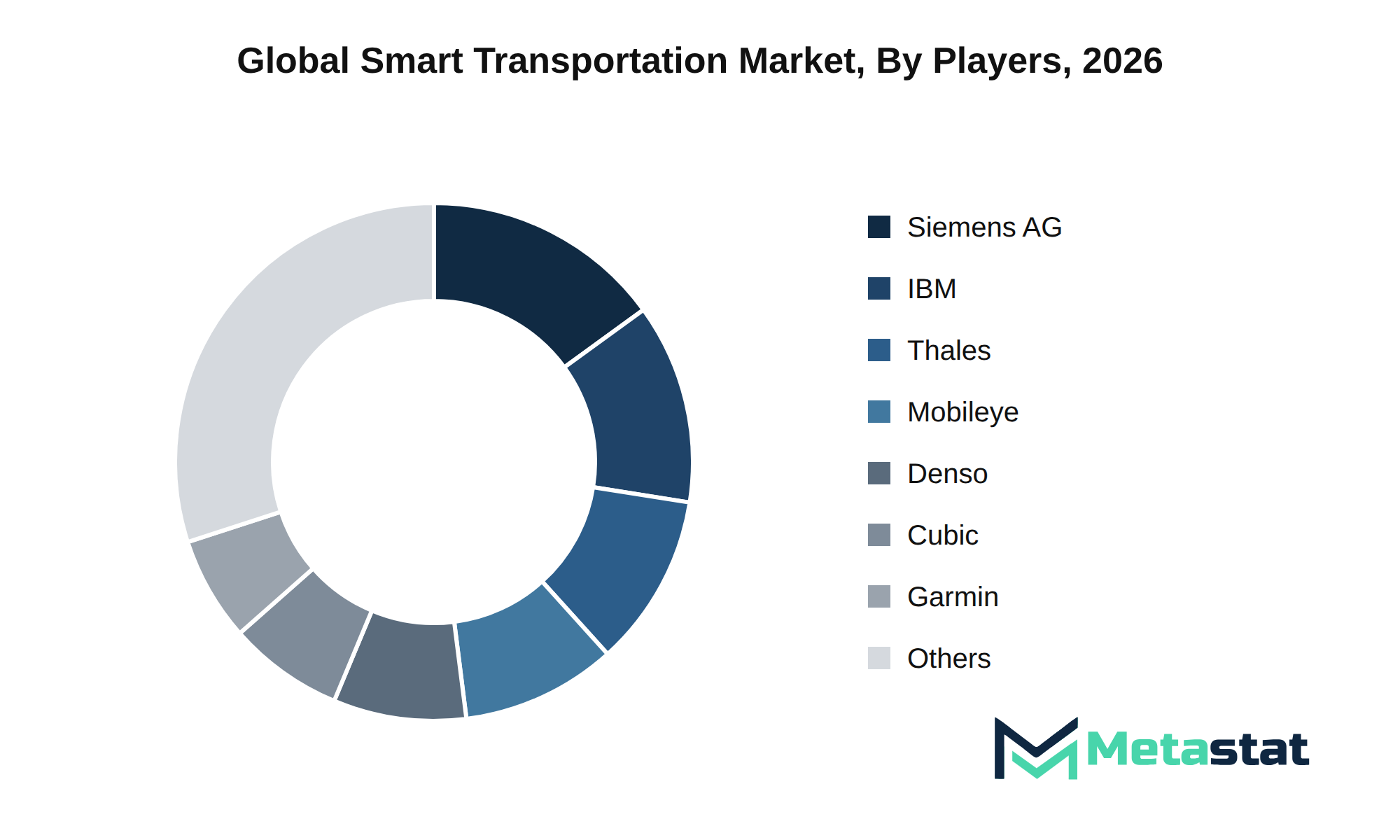
The Smart Transportation market experiences significant activity from various players focusing on mergers, acquisitions, and strategic alliances. Companies including Siemens AG, Thales Group, and IBM Corporation engage in consolidating their positions through targeted acquisitions and partnerships, enhancing their technological capabilities and market reach. Strategic behaviors among these firms include forming joint ventures to leverage complementary strengths and expanding their product offerings to meet the evolving needs of customers.
Product differentiation remains a crucial aspect of competition in the market. Companies like Garmin Ltd and Mobileye invest heavily in research and development, creating proprietary technologies that enhance their value propositions. These technological advancements create barriers to entry, making it challenging for new entrants to penetrate the market. Established players, including Cisco Systems Inc and Denso Corporation, apply their strong intellectual property portfolios to defend market share and maintain competitive advantages.
Customer retention strategies significantly shape competitive dynamics. Firms including Cubic Corporation and Kapsch TrafficCom AG implement effective customer engagement practices to build brand equity and foster loyalty. Switching costs heighten due to the integration of smart technologies into existing infrastructures, further strengthening customer relationships. The future competitive outlook for the Smart Transportation market indicates a focus on innovation and strategic growth vectors, ensuring sustained advancements and positioning within the industry.
Market size is forecast to rise from USD 153.3 billion in 2025 to over USD 396.2 billion by 2033. The base case reflects a growth trajectory driven by various factors, including the integration of next-generation technologies and evolving regulatory frameworks. A 12.6% compound annual growth rate (CAGR) characterizes this scenario, highlighting strong demand across multiple applications, particularly in traffic management and public transport systems.
The bull case anticipates accelerated growth, spurred by rapid advancements in artificial intelligence and machine-learning analytics. Enhanced investments in infrastructure commitments and strategic capital allocation directives support this scenario, leading to increased market competitiveness. Conversely, the bear case accounts for potential disruptions arising from geopolitical realignments and global supply chain shifts. These factors could hinder adoption rates and slow down growth, particularly in regions heavily reliant on imports.
Downstream demand changes and structural consumption shifts within industries highlight the necessity for companies to adapt their strategies accordingly. Emerging white-space opportunities present significant growth pockets, especially in areas including smart parking and connected vehicle support. Executive-level strategic imperatives require firms to invest in research and development commercialization timelines to maintain a competitive edge in the evolving market.
Regulatory evolution timelines and imminent compliance milestones influence investment decisions, encouraging firms to align with policy enforcement horizons. While the market matures, companies focusing on defensibility roadmaps position themselves for sustained growth. Overall, the Smart Transportation market presents numerous opportunities for expansion and innovation, contingent upon strategic responses to macroeconomic scenarios and emerging trends.
The report strategically identifies and profiles the key market players and analyses their core competencies in each sub-segment of the Smart Transportation market.
Report Attributes | Details |
Study Period | 2021-2033 |
Base Year | 2025 |
Estimated Year | 2026 |
Forecast Period | 2026-2033 |
Historical Period | 2021-2025 |
Growth Rate | CAGR 12.6% from 2026 to 2033 |
Revenue Unit | USD billion |
Segmentation | By Type, Application, Mode of Transport, Technology, and Region |
By Region | North America (By Type, Application, Mode of Transport, Technology, and Country)
|
Europe (By Type, Application, Mode of Transport, Technology, and Country)
| |
Asia Pacific (By Type, Application, Mode of Transport, Technology, and Country)
| |
South America (By Type, Application, Mode of Transport, Technology, and Country)
| |
Middle East and Africa (By Type, Application, Mode of Transport, Technology, and Country)
|
Find answers to common questions about this report
The Smart Transportation market size was valued at USD 153.3 billion in 2025, according to the Metastat Insights study.
The Smart Transportation market is projected to grow at a CAGR of 12.6% during the forecast period from 2026 to 2033.
The North America Smart Transportation market size is estimated to reach USD 123.6 billion by 2033.
The Advanced Traffic Management Systems (ATMS) segment leads the Smart Transportation market, with a projected value of USD 107 billion by 2033. This segment's growth reflects its significant role in enhancing traffic efficiency and safety.
Key drivers for the Smart Transportation market include economic growth, urbanization trends, and a focus on sustainability. Increased GDP levels encourage investments in advanced transportation infrastructure, while demographic shifts increase the demand for efficient systems. Rising awareness of carbon emissions motivates investments in technologies that reduce environmental impact.
North America holds the dominant share of the Smart Transportation market, with a projected value of USD 123.6 billion in 2033, representing 33.8 percent of the total market.
Increasing regulatory compliance requirements and stricter environmental regulations create significant barriers for companies in the Smart Transportation market. These challenges often lead to substantial investments in technology upgrades, limiting funding for innovative projects and slowing the pace of technological advancements. infrastructure gaps and workforce challenges further complicate the implementation of smart solutions.
Economic growth and urbanization trends favor product adoption in the Smart Transportation industry. Increased GDP levels and the migration of populations to urban centers drive investments in advanced transportation infrastructure, enhancing operational capacity and efficiency. the growing focus on sustainability aligns with consumer and government demands for innovative solutions that reduce environmental impact.
The Smart Transportation market is estimated to reach a valuation of USD 396.2 billion by 2033.
Key players in the Smart Transportation market include Siemens AG, Thales Group, IBM Corporation, Garmin Ltd, TomTom NV, Cubic Corporation, Mobileye, and Denso Corporation.
The analysts below cover Automotive and Transportation research at Metastat Insights.
LEAD ANALYST
Utkarsh Khirodkar is a Lead Market Research Analyst at MetaStat Insight, specializing in market intelligence, technology sector assessments, and competitive strategy.

ENERGY & INFRASTRUCTURE INDUSTRY CONSULTANT
Automotive and Transportation · Electronics and Semiconductor · Energy and Power · Machinery & Equipment
Saurabh Vasant Ganvir consults for Energy & Infrastructure Industry at MetaStat Insight, specializing in renewable energy, solar EPC, and electric vehicle (EV) infrastructure markets.
Assessing 200mm wafer transition schedules and substrate supply bottlenecks requires precise technical intelligence. MetaStat Insight supplied an actionable breakdown comparing planar and trench MOSFET architectures across automotive and industrial drive markets. The regional capacity estimates for Asia-Pacific foundries helped clarify lead-time uncertainties during our strategic planning session. When we needed additional clarification on high-purity raw material sourcing, their analyst team responded with helpful context within twenty-four hours.
Tracking maintenance cycle demand for secondary flight display units and terrain collision avoidance systems across regional jet fleets involves complex aftermarket dynamics. MetaStat Insight provided practical analysis separating airline retrofit programs from OEM forward-fit production schedules in North America and Southeast Asia. The supplier matrix highlighted component obsolescence timelines without resorting to vague generalizations. The dataset served as a dependable reference during our annual program review meetings.
Evaluating secondary resin quality across post-consumer packaging streams requires reliable technical segmentation. MetaStat Insight delivered an objective assessment that distinguished between extrusion-grade flake pricing and optical sorting throughput limitations across Western Europe. The competitive positioning breakdown for licensed depolymerization technology providers answered several questions during our feedstock feasibility audit. Their team clarified regional trade restrictions on mixed plastic scrap quickly when our team submitted follow-up requests.
Explore related market intelligence reports worth reading alongside this one.