
LEAD ANALYST
Utkarsh Khirodkar is a Lead Market Research Analyst at MetaStat Insight, specializing in market intelligence, technology sector assessments, and competitive strategy.

Global Operational Technology (OT) and Industrial Cybersecurity Market Size, Share, By Offering (OT Security Platforms and Software, Network Security Appliances and Industrial Gateways, Professional and Advisory Services, and Managed OT Security Services), By Security Application (Asset Discovery, Inventory and Exposure Assessment, Network Monitoring, Threat Detection and Incident Response, Vulnerability, Risk and Compliance Management, Network Segmentation, Identity, and Secure Remote Access), By Industrial System (Supervisory Control and Data Acquisition Systems, Distributed Control Systems, Programmable Logic Controllers and Safety Systems, Industrial IoT, and Edge Devices), By End-use Industry (Manufacturing, Energy and Utilities, Oil and Gas, Transportation, and Logistics), Industry Analysis, Growth, Trends, and Forecast, 2026-2033
Report ID
MSI-4810
Published
July, 2026
Updated
Pages
310 Pages
Format
Report Details
Choose Your License
Global Operational Technology (OT) and Industrial Cybersecurity Market
The global Operational Technology (OT) and Industrial Cybersecurity market was valued at USD 25.8 billion in 2025 and is projected to reach USD 82.7 billion by 2033, growing at a CAGR of 15.7% during the forecast period.
The Operational Technology (OT) and Industrial Cybersecurity market is projected to show significant growth from a base value of USD 25.8 billion in 2025 to an estimated USD 82.7 billion by 2033, reflecting a compound annual growth rate (CAGR) of 15.7%. In 2025, North America holds a substantial market share of 33.8%, positioning the United States as a leader in this sector by 2026. Following North America, Europe accounts for 24.9% of the market, while the Asia Pacific region contributes 29.3%. South America and the Middle East and Africa each represent 6% of the market share.
Within the market, the demand for OT security platforms and software is expected to rise from USD 11.5 billion in 2026 to USD 33.4 billion by 2033, achieving a CAGR of 16.4%. This segment indicates a strong trend towards enhanced cybersecurity solutions tailored for operational technology environments. Network security appliances and industrial gateways are also projected to grow, reaching USD 16.9 billion by 2033, with a CAGR of 14.7%. These offerings are critical for protecting the integrity of industrial systems against increasing cyber threats.
Furthermore, professional and advisory services in the cybersecurity domain are on the rise, highlighting the need for expert guidance as organizations manage the complexities of OT security. The growth trajectory of managed OT security services, although not quantified in total value, is expected to maintain a CAGR of 16.5%, reflecting the increasing reliance on outsourced security solutions. As enterprises prioritize cybersecurity, investment in these services will likely become a strategic imperative.
Regulatory compliance and adherence to established standards are essential drivers in the Operational Technology (OT) and Industrial Cybersecurity market. Organizations are increasingly focusing on meeting regulatory requirements to mitigate risks associated with cybersecurity breaches. The implementation of stringent regulations necessitates that companies adopt robust security measures to protect their operations and data integrity. Failure to comply can result in significant financial penalties and reputational damage, making compliance a top priority for many organizations.
Geopolitical risks also play a critical role in shaping the market dynamics. Companies operating in various regions must be aware of the potential impacts of international relations on their cybersecurity strategies. As threats evolve, organizations must remain vigilant and adapt to new regulatory landscapes, ensuring that they are in alignment with local and international requirements. This continuous need for compliance is expected to drive further investments in cybersecurity solutions and services.
As the framework of regulations evolves, businesses are compelled to innovate and enhance their cybersecurity frameworks. The relationship between regulatory requirements and market demands will likely drive advancements in technology and methodologies aimed at fortifying operational technology environments. This ongoing commitment to compliance not only safeguards assets but also enhances overall operational efficiency.
The Operational Technology (OT) and Industrial Cybersecurity market is witnessing a wave of disruption driven by next-generation innovations. Companies are increasingly investing in research and development to create advanced cybersecurity solutions capable of addressing emerging threats. This focus on R&D is expected to yield significant advancements in security applications, including asset discovery, vulnerability management, and incident response.
In addition, the integration of artificial intelligence (AI) and machine learning (ML) technologies into cybersecurity frameworks is leading to more proactive security measures. These technologies enhance the ability to detect and respond to threats in real-time, significantly improving the resilience of industrial systems against cyberattacks. As organizations continue to embrace digitalization, the need for sophisticated cybersecurity solutions becomes critical.
The evolution of the market is also influenced by growing concerns surrounding sustainability and the circular economy. Companies are increasingly recognizing the importance of sustainable practices in their operations, leading to a heightened focus on environmentally friendly cybersecurity solutions. This shift towards sustainable transformation is not only beneficial for the environment but also aligns with corporate social responsibility goals.
In the context of the Operational Technology (OT) and Industrial Cybersecurity market, value chain analysis shows critical procurement vectors influencing customer journey dynamics. Companies are increasingly focusing on integrating cybersecurity measures directly into their operational frameworks, recognizing the importance of a secure supply chain. The relationship between procurement strategies and cybersecurity initiatives is crucial, as organizations seek to ensure that every component of their operations, from sourcing to delivery, meets stringent security standards. This integration supports not only regulatory compliance but also enhances overall operational efficiency.
Digitalization remains a significant trend, with many organizations moving towards Industry 4.0 and 5.0 integration. This shift incorporates advanced technologies like the Industrial Internet of Things (IIoT), which increases the need for robust cybersecurity solutions. As facilities become more interconnected, the potential attack surface expands, necessitating comprehensive security strategies. The growing reliance on smart operations highlights the urgency for businesses to adopt secure OT ecosystems, ensuring their digital transformation does not compromise their operational integrity.
Capital allocation in the market reflects the increasing importance of infrastructure investments aimed at enhancing cybersecurity measures. Organizations are prioritizing capital expenditures (CapEx) to upgrade existing systems and invest in new technologies that strengthen their defenses against cyber threats. Operating expenses (OpEx) are also being scrutinized, with a shift towards more proactive spending on cybersecurity. This proactive approach addresses potential vulnerabilities before they can be exploited, safeguarding critical operational functions.
Macroeconomic headwinds play a crucial role in shaping the environment of the Operational Technology (OT) and Industrial Cybersecurity market. Inflationary pressures and currency volatility can impact investment decisions and operational costs. Companies must navigate these challenges while maintaining their cybersecurity posture, balancing growth initiatives with the need for financial prudence. The fluctuating economic environment may compel organizations to reassess their budgeting priorities, particularly in sectors requiring significant technological upgrades.
As businesses strive for operational resilience, the focus on sustainable transformation, decarbonization, and circular economy dynamics is becoming increasingly relevant. The relationship between sustainability initiatives and cybersecurity strategies is essential, as organizations aim to align their operational practices with environmental goals. This alignment requires careful planning and execution to ensure that sustainable practices do not introduce new vulnerabilities or disrupt existing security frameworks.
Overall, the Operational Technology (OT) and Industrial Cybersecurity market faces considerable constraints and dependencies that organizations must address to thrive. As regulatory requirements evolve and geopolitical risks become more pronounced, companies must remain agile in their approach to cybersecurity. The ability to adapt to these pressures while integrating innovative solutions will be key to maintaining competitive advantage and ensuring long-term sustainability in an increasingly complex operational environment.
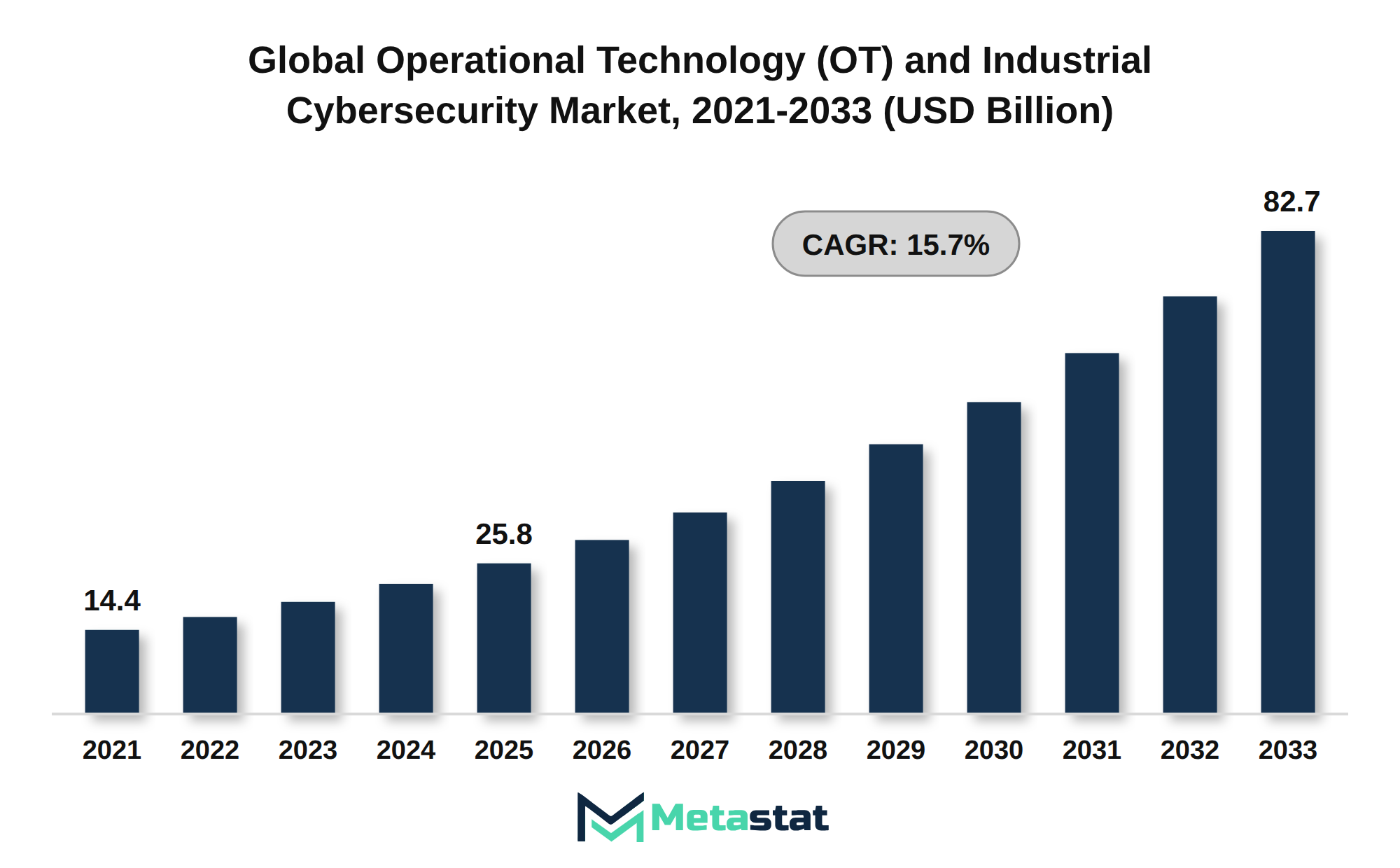
In recent years, industries have increasingly prioritized digital transformation initiatives to enhance operational efficiency and competitiveness. This shift encompasses the adoption of automation, artificial intelligence (AI), and the digitization of legacy processes. As organizations integrate these technologies, the need for robust cybersecurity measures becomes essential to protect sensitive data and critical infrastructure from cyber threats. The Operational Technology (OT) and Industrial Cybersecurity market is benefiting from this trend as companies seek to implement comprehensive security frameworks that guard against potential vulnerabilities arising from interconnected systems.
Particular sectors are experiencing significant pressure to improve their cybersecurity capabilities. For instance, manufacturing and energy sectors are heavily investing in advanced cybersecurity solutions due to their reliance on automation and IoT devices. As these industries modernize their operations, they face growing risks associated with cyberattacks that could disrupt production and compromise safety. Regions such as North America and Europe, which are leading in terms of market share, reflect a heightened awareness of the need for enhanced cybersecurity strategies that align with digital transformation efforts. Forecasts indicate that the North American market alone is expected to reach USD 26.3 billion by 2033, driven by consistent investment in cybersecurity technologies.
For suppliers, this creates a compelling opportunity to develop and market advanced cybersecurity solutions tailored to the specific needs of industries undergoing digital transformation. Companies can leverage innovative offerings, such as OT security platforms and managed security services, to meet the rising demand for comprehensive protection. As organizations continue to prioritize digital initiatives, suppliers that provide advanced cybersecurity solutions will play a crucial role in ensuring the resilience and reliability of operational technologies across various sectors.
Changes in macro-economic conditions and capital investment environments significantly influence the Operational Technology (OT) and Industrial Cybersecurity market. The rising interest rates and GDP growth stimulate investments in automation and digitization across various sectors. Companies are increasingly allocating budget to advance their cybersecurity measures, recognizing the importance of protecting their operational technology infrastructures from potential threats. This shift has converted into robust demand for cybersecurity solutions as organizations respond to evolving operational challenges and threats, focusing on maintaining business continuity and competitive advantage.
The impact of capital investment and economic conditions varies across regions and segments. North America, accounting for 33.8% of the market, is witnessing strong growth due to increased spending on advanced cybersecurity solutions that protect critical infrastructure. The manufacturing sector is particularly active, with a projected growth from USD 9.5 billion in 2026 to USD 25.7 billion by 2033. This growth is driven by the need for enhanced security measures to safeguard against cyber threats while improving operational efficiency. In Asia Pacific, where rapid industrialization is taking place, organizations are also investing significantly in cybersecurity to mitigate risks stemming from increased automation.
For suppliers, this evolving market presents significant opportunities. Companies offering OT security platforms and software can expect substantial growth, with projections showing an increase from USD 11.5 billion in 2026 to USD 33.4 billion by 2033. The demand for network security appliances and industrial gateways is also set to rise, fueled by the urgent need for comprehensive security measures. Suppliers that can innovate and offer integrated solutions will be well-positioned to capture market share and assist organizations in addressing the complexities of modern cybersecurity challenges.
The Operational Technology (OT) and Industrial Cybersecurity market faces significant constraints due to high capital investment requirements. Organizations must allocate substantial resources to upgrade their cybersecurity infrastructure and implement robust operational technology systems. This demand for financial commitment often originates from the need to comply with stringent regulatory standards and to protect against increasing cyber threats, which require sophisticated security measures and technologies. As a result, many companies experience challenges in securing the required funding, which can hinder their ability to adopt essential cybersecurity solutions in a timely manner.
Manufacturing and energy sectors are particularly affected by these capital constraints. In 2025, the manufacturing industry accounted for USD 25.7 billion in the market, indicating a strong reliance on capital investment to enhance security measures. The energy and utilities sector, projected to contribute USD 22.2 billion by 2033, faces similar financial hurdles in securing investments for advanced cybersecurity systems. This limits the ability of organizations in these segments to fully protect themselves against evolving cyber threats, leaving them vulnerable to attacks that could disrupt operations and incur additional costs.
To navigate these financial pressures, many companies are exploring alternative funding models and partnerships to share the costs of cybersecurity enhancements. Some organizations are also adopting phased implementation strategies, allowing for gradual upgrades to their systems. While these workarounds provide some relief, they are often incomplete solutions. Phased implementations can leave critical vulnerabilities unaddressed for extended periods, and reliance on shared resources may not fully mitigate the risks associated with cyber threats. Consequently, the high capital investment requirements remain a significant barrier to achieving comprehensive security and operational integrity in the market.
The Operational Technology (OT) and Industrial Cybersecurity market grapples with significant workforce skill gaps, affecting operational efficiency across various sectors. The rapid pace of technological advancements demands highly specialized skills that many existing employees do not possess. This mismatch creates challenges as organizations strive to implement and maintain advanced cybersecurity measures in their OT environments. Automation displacements have led to a reduction in traditional job roles, further complicating the recruitment and retention of skilled personnel necessary for effective operations.
These challenges are particularly pronounced in the manufacturing and energy sectors, where the need for skilled labor is critical. In manufacturing, the complexity of integrating new cybersecurity solutions with existing systems often outpaces the available talent pool, leading to increased vulnerability to cyber threats. In the energy sector, the specialized knowledge required to protect legacy systems from modern cyber risks further exacerbates the skill gap. Regions such as North America and Europe face heightened pressures as they attempt to balance transitioning to digital solutions while managing an aging workforce.
In response to these skill gaps, firms are investing in training programs and partnerships with educational institutions to cultivate the necessary talent. However, these initiatives come at a high cost, both in terms of financial resources and time. Companies may allocate substantial budgets towards training and development, which can detract from other critical investments in technology and infrastructure. The ongoing struggle to attract and retain qualified professionals ultimately strains operational capacity and threatens the overall resilience of the market. Organizations must adapt their strategies to ensure they have the necessary human resources to support their cybersecurity efforts within the evolving landscape.
As industries shift towards modernization and increased connectivity, emerging regional demands are significantly influencing the Operational Technology (OT) and Industrial Cybersecurity market. The modernization of infrastructure, particularly in regions such as North America and Asia Pacific, is generating a heightened need for robust cybersecurity measures. This change arises from the increasing vulnerabilities associated with digital transformation efforts in sectors like manufacturing and energy. An estimated market size of USD 25.8 billion in 2025 is expected to expand to USD 82.7 billion by 2033, reflecting a compound annual growth rate (CAGR) of 15.7% during the forecast period.
Organizations positioned to capitalize on this opportunity require a blend of technological expertise and strategic partnerships. Players must focus on offering comprehensive OT security platforms and services to manage the complexities of interconnected systems. The market's growth is driven by the demand for solutions in asset discovery, network monitoring, and risk management, with specific offerings projected to achieve significant market shares. For instance, OT security platforms are anticipated to grow from USD 11.5 billion in 2026 to USD 33.4 billion by 2033, demonstrating a strong need for advanced security solutions that can manage the evolving threat landscape.
The timing for expanding capabilities in the market is critical, as rapid technological advancements and the increasing frequency of cyber threats create a narrow window for companies to establish their presence. Organizations must act swiftly to differentiate their offerings and meet the urgent demands of clients seeking enhanced cybersecurity. Failure to adapt could result in lost opportunities as competitors move to fill the gaps in services and solutions tailored for the evolving needs in OT and industrial environments. The dynamics of regional demands and the urgency of infrastructure modernization present a significant opportunity for growth and innovation in the market.
The Global Operational Technology (OT) and Industrial Cybersecurity market is segmented based on Offering, Security Application, Industrial System, and End-use Industry.
Valued at USD 11.5 billion in 2026, the OT Security Platforms and Software segment is projected to reach USD 33.4 billion by 2033, achieving a compound annual growth rate (CAGR) of 16.4% during the forecast period. This growth is driven by the increasing adoption of advanced cybersecurity measures across various sectors. As organizations prioritize the protection of their operational technologies from cyber threats, the demand for robust security platforms escalates.
Technological maturation is significant for the segment's expansion. Companies are increasingly upgrading legacy systems to next-generation solutions that offer enhanced security features. The evolution of product offerings, particularly those that integrate artificial intelligence and machine learning, is also important. These advancements enable real-time threat detection and response, which are essential in mitigating risks associated with cyberattacks.
Regulatory compliance standards are becoming more stringent, necessitating the implementation of reliable OT security solutions. Organizations are compelled to adopt these platforms to meet various compliance requirements, thus driving market demand further. The increasing complexity of industrial systems, coupled with the convergence of IT and OT environments, highlights the importance of continuous investment in security technologies.
As the market evolves, strategic opportunities arise for vendors that can innovate and adapt to changing customer needs. The focus on supply chain resilience and the need for comprehensive security solutions will likely shape the future of the Operational Technology (OT) and Industrial Cybersecurity market.
By 2033, the Network Security Appliances and Industrial Gateways segment is projected to reach USD 16.9 billion, growing at a CAGR of 14.7% during the forecast period. This expansion reflects a growing emphasis on securing industrial networks against an increasing frequency of cyber threats. Demand for these solutions is largely driven by the need for enhanced protection of operational technology (OT) environments, which are vulnerable to attacks due to their integration with IT systems.
The market is experiencing significant technological maturation, with next-generation upgrades in network security appliances becoming more common. These upgrades often include advanced threat detection capabilities and improved interoperability with existing industrial infrastructure. As industries adopt more connected systems, the integration of these tools becomes crucial, leading to rising adoption rates.
Regulatory compliance standards are also influencing the market, as organizations must align with stringent cybersecurity frameworks to mitigate risks. This creates a compliance-driven demand for industrial gateways and security appliances that can ensure adherence to these regulations. As the sector evolves, there are risks associated with technological obsolescence, prompting companies to seek modern solutions to maintain competitive advantage.
Strategic opportunity windows are emerging for companies that can prioritize supply chain resilience and address raw material sourcing challenges. In this segment, understanding the end-use dynamics will be critical in responding to shifting consumption patterns and ensuring product availability in a changing market.
By 2033, the Professional and Advisory Services segment is expected to reach USD 12.5 billion. This growth reflects the increasing complexity of cybersecurity challenges faced by organizations operating within the Operational Technology (OT) and Industrial Cybersecurity market. As industries adopt advanced technologies, the demand for expert guidance and advisory services continues to rise, significantly impacting this segment’s expansion.
Technological maturation and next-gen upgrades drive the need for professional services, as organizations seek to implement effective cybersecurity frameworks that align with evolving threats. Companies are increasingly recognizing the value of strategic advisory services in navigating compliance with regulatory standards, which further fuels adoption rates. The focus on risk management emphasizes the necessity for specialized knowledge in identifying vulnerabilities and ensuring robust organizational defenses.
Cost structures and pricing volatility present unique challenges within this sub-segment, as organizations weigh the investment against the potential costs of cybersecurity breaches. The dynamic nature of threats necessitates continuous investment in professional services to maintain operational resilience. Strategic opportunity windows exist, especially for firms that can deliver tailored solutions addressing specific industry needs. This growing demand for expertise highlights the critical role of professional and advisory services in the overall market.
Managed OT Security Services is projected to grow at a CAGR of 16.5% during the forecast period. This segment benefits from increasing demand for comprehensive cybersecurity solutions across various industries. Organizations are prioritizing managed services to enhance their security posture against evolving threats, focusing on the integration of advanced technological capabilities. As firms pursue digital transformation, the need for specialized security expertise becomes critical, driving adoption rates upward.
Regulatory compliance standards are also a significant factor influencing this segment. Industries are facing mounting pressure to adhere to stringent regulations, prompting many to outsource their OT security needs to managed service providers. This trend reflects a strategic response to heightened scrutiny from regulatory bodies, ensuring that companies meet their compliance obligations while also protecting critical infrastructure.
Cost structures within the Managed OT Security Services segment have become more favorable as competition increases among providers. This has led to pricing volatility, where firms can secure high-quality services at competitive rates. As the market matures, established players are evolving their service offerings, creating new opportunities for partnership and investment.
The Managed OT Security Services segment is poised for substantial growth within the Operational Technology (OT) and Industrial Cybersecurity market, driven by strong demand for specialized services, regulatory compliance, and evolving market dynamics.
This residual category encompasses various offerings that do not fit neatly into the established segments within the Operational Technology (OT) and Industrial Cybersecurity market. Products or services in this category may include niche solutions or emerging technologies that are still gaining traction. The lack of significant market share keeps this segment residual, as its components are often overshadowed by the more dominant categories. Regulatory compliance standards and niche certifications may also influence adoption in this area, further contributing to its limited footprint. As industries evolve, some solutions may transition into more recognized categories, reducing the residual nature of this segment.
Valued at USD 7.3 billion in 2026, the Asset Discovery, Inventory and Exposure Assessment segment is anticipated to grow significantly, reaching USD 21.1 billion by 2033, with a compound annual growth rate (CAGR) of 16.5% during the forecast period. This growth is driven by increasing awareness of the need for comprehensive asset management and risk exposure assessments in operational technology environments.
Technological maturation is important, as advancements in automated discovery and inventory tools enhance the ability to identify and manage assets effectively. These innovations improve operational efficiency and strengthen overall cybersecurity posture by minimizing vulnerabilities. The increasing complexity of industrial networks further emphasizes the necessity for robust asset visibility solutions.
Regulatory compliance standards are also shaping the market, as organizations face pressure to adhere to stricter cybersecurity regulations. This environment encourages investment in asset discovery and exposure assessment solutions, ensuring compliance while mitigating risks. Industries are increasingly adopting these technologies as part of their digital transformation strategies, recognizing their value in maintaining operational continuity.
Cost structures and pricing volatility are factors that organizations must consider when investing in these solutions. However, the long-term benefits of enhanced security and risk management through effective asset visibility justify the associated costs. The market for asset discovery, inventory, and exposure assessment solutions continues to expand within the broader Operational Technology (OT) and Industrial Cybersecurity market.
By 2033, the market for Network Monitoring, Threat Detection and Incident Response is estimated to reach USD 23.8 billion, growing at a compound annual growth rate (CAGR) of 15.6% during the forecast period. This segment's growth is driven by increasing cyber threats targeting operational technology environments, necessitating robust surveillance and rapid incident response capabilities. As industries increasingly adopt digital technologies, the need for continuous monitoring and immediate threat mitigation becomes critical, particularly in sectors such as manufacturing and energy.
Technological maturation is important in the expansion of this segment. Advancements in artificial intelligence and machine learning enhance threat detection capabilities, enabling organizations to identify and respond to potential breaches more effectively. Next-generation security tools are evolving to integrate seamlessly with existing infrastructure, offering improved operational efficiency and reduced response times.
Regulatory compliance also influences the demand for these solutions, as organizations must adhere to stringent cybersecurity standards to protect sensitive data. Compliance requirements drive the adoption of advanced monitoring and incident response technologies, which are essential for meeting legal obligations and maintaining operational integrity.
As businesses invest in these capabilities, strategic opportunity windows arise for vendors to innovate and offer tailored solutions that address specific industry needs. The ongoing evolution of the market in network monitoring and threat detection emphasizes the importance of proactive cybersecurity measures within the broader Operational Technology (OT) and Industrial Cybersecurity market.
By 2033, the Vulnerability, Risk and Compliance Management segment is expected to reach USD 18 billion. This growth is driven by the increasing need for organizations to adhere to stringent regulatory compliance standards and the rising awareness of cybersecurity risks across various industries. As businesses seek to enhance their risk management frameworks, investment in vulnerability assessment tools and compliance management solutions becomes essential.
The market is experiencing significant technological maturation, with next-generation upgrades in software capabilities providing advanced analytics and automation features. These enhancements facilitate proactive risk mitigation strategies that are becoming indispensable in the face of evolving cyber threats. Organizations are also shifting towards integrated solutions that streamline compliance processes, reducing administrative burdens and improving overall efficiency.
Adoption rates are increasing as more organizations recognize the necessity of maintaining operational resilience. Companies are prioritizing risk management initiatives to protect critical assets and ensure business continuity. This trend is further supported by growing demand from sectors such as manufacturing and energy, which require robust risk management systems to safeguard their operations.
The dynamics of the market are influenced by the need for strategic opportunity windows, as businesses look to capitalize on emerging technologies and regulatory changes. The evolving nature of compliance requirements creates a fertile ground for new entrants and innovation, driving competition among service providers in the Operational Technology (OT) and Industrial Cybersecurity market.
Growing at a compound annual growth rate (CAGR) of 15.2% during the forecast period, the Network Segmentation, Identity and Secure Remote Access segment is essential in enhancing cybersecurity measures for operational technology environments. As industries increasingly adopt advanced cybersecurity frameworks, the demand for effective network segmentation has surged, emphasizing the need for protecting critical assets and minimizing vulnerabilities.
Technological maturation and the evolution of next-generation security solutions are driving this segment's growth. Organizations are transitioning to more sophisticated systems that support secure remote access, enabling employees to connect safely from various locations. This trend is particularly prevalent in sectors that require robust security measures to safeguard sensitive data.
Regulatory compliance standards also contribute significantly to the segment's expansion. Businesses are compelled to adhere to stringent regulations that necessitate effective identity management and secure access protocols, prompting investments in these cybersecurity solutions. As industries increasingly rely on interconnected devices, the complexity of managing these systems introduces new challenges, making effective network segmentation a priority.
Cost structures and pricing volatility directly impact the operational efficiency of organizations. As firms seek to optimize cybersecurity investments, balancing cost against the necessity for secure remote access becomes essential. This dynamic ensures that the Network Segmentation, Identity and Secure Remote Access solutions remain a focal point in the broader Operational Technology (OT) and Industrial Cybersecurity market.
A range of applications fall under this residual category within the Operational Technology (OT) and Industrial Cybersecurity market, encompassing those that do not align with the defined segments. This aggregation includes specialized tools and solutions that address niche cybersecurity needs or integrate with emerging technologies. Such offerings remain residual due to their limited adoption, often driven by specific industry regulations or unique operational requirements. As organizations evolve their cybersecurity strategies, these applications may face challenges in gaining traction against more established solutions. Consequently, their growth is influenced by the ongoing demand for regulatory compliance and shifts in end-user dynamics.
Valued at USD 8.6 billion in 2026, the Supervisory Control and Data Acquisition Systems segment is projected to reach USD 22.6 billion by 2033, growing at a compound annual growth rate (CAGR) of 14.9% during the forecast period. This growth is driven by increasing demand for real-time monitoring and control in various industrial applications, alongside the need for enhanced data integrity and security measures.
Technological maturation is important for the adoption of Supervisory Control and Data Acquisition Systems. The integration of advanced analytics and machine learning capabilities into these systems enhances operational efficiency and decision-making processes. Next-generation upgrades are essential as organizations strive to keep pace with changing cyber threats while maintaining compliance with regulatory standards.
The segment also benefits from a broad downstream application matrix, with significant utilization in manufacturing, energy, and utilities. These industries rely on SCADA systems to streamline operations and ensure safety. Companies are increasingly investing in these systems, leading to a notable surge in adoption rates.
Pricing volatility and margin pressures specific to this segment may pose challenges. Fluctuations in raw material costs and the need for continuous innovation can impact overall profitability. To mitigate these risks, organizations are focusing on supply chain resilience and efficient resource management.
By 2033, the Distributed Control Systems segment is expected to reach USD 19 billion, growing at a compound annual growth rate (CAGR) of 15.1% during the forecast period. This growth is driven by the ongoing technological maturation in the field, which facilitates the deployment of advanced control systems across various industries. Adoption rates are increasing as organizations prioritize efficiency and automation in their operations, leading to greater demand for integrated control solutions.
In addition, the evolving industrial applications highlight the necessity for enhanced connectivity and interoperability among systems. As industries increasingly shift towards smart manufacturing practices, the need for reliable and efficient distributed control systems becomes essential. Regulatory compliance standards are also influencing market dynamics, as industries seek to align with safety and operational regulations. This alignment often necessitates upgrades to existing systems, further propelling the demand for distributed control technologies.
Supply chain resilience is another critical factor in the segment's expansion. Industries are focusing on systems that can withstand disruptions and maintain operational continuity. As organizations navigate these challenges, investment in distributed control systems will play a vital role in ensuring operational integrity and security. The market is poised for significant growth, highlighting the importance of adapting to technological advancements and regulatory requirements in the Operational Technology (OT) and Industrial Cybersecurity market.
The Programmable Logic Controllers and Safety Systems segment is anticipated to reach USD 17.9 billion by 2033. This growth will be driven by several key factors, including technological maturation and the ongoing need for safety compliance across industries. As organizations increasingly focus on enhancing operational efficiency, upgrades to next-generation programmable logic controllers (PLCs) are expected to accelerate adoption rates. These upgrades not only improve performance but also enable organizations to integrate advanced cybersecurity measures, reinforcing the importance of safeguarding critical infrastructure.
Additionally, the shifting dynamics in downstream applications are also influencing this segment. Industries such as manufacturing and energy are adopting PLCs and safety systems to streamline processes and ensure compliance with strict regulatory standards. Increasingly complex operational environments necessitate sophisticated safety protocols, further stimulating demand in the sector.
Cost structures are another significant aspect, as companies face pressure to balance investment in advanced systems with budget constraints. The pricing volatility of raw materials can impact the overall cost of PLCs and safety systems, affecting profit margins. As organizations seek to enhance their supply chain resilience, evaluating suppliers for reliability and cost-effectiveness will remain crucial.
The growing interest in programmable logic controllers and safety systems within the Operational Technology (OT) and Industrial Cybersecurity market reflects a broader trend toward modernization and compliance, ensuring that industries are equipped to meet future challenges.
Projected to grow at a compound annual growth rate (CAGR) of 18.1% during the forecast period, the Industrial IoT and Edge Devices segment reflects significant advancements in technology adoption across various industries. This growth is driven primarily by the increasing demand for real-time data analytics and the need for enhanced operational efficiency. Industries are progressively integrating IoT solutions, enabling them to monitor and optimize processes remotely, which directly contributes to performance improvements.
Technological maturation is a key factor facilitating this expansion. Innovations in edge computing and IoT devices are enhancing data processing capabilities at the source, reducing latency and bandwidth usage. These developments not only improve operational efficiency but also improve cybersecurity measures, as data is processed closer to the point of origin, thereby minimizing potential vulnerabilities related to data transmission.
Downstream applications are also evolving, with industries such as manufacturing and energy increasingly relying on IoT solutions to streamline operations. As businesses shift towards automated processes, the demand for IoT-enabled devices is expected to rise, aligning with the broader trends within the Operational Technology (OT) and Industrial Cybersecurity market. Companies are actively seeking edge devices that offer both scalability and interoperability, which drives market growth.
However, as the segment expands, it faces challenges related to cost structures and margin pressures. The integration of advanced IoT solutions often involves significant upfront investment, which can be a barrier for smaller enterprises. Regulatory compliance standards are another component that companies must navigate to ensure that their implementations meet industry-specific requirements.
This residual category aggregates offerings that do not fit into the more defined segments of the Industrial Systems category. It remains a minor component of the market due to its varied nature, which makes it difficult to classify under specific applications or technologies. As the demand for specialized solutions increases, this segment may continue to be defined by niche products and services that cater to unique requirements in the Operational Technology (OT) and Industrial Cybersecurity market. Ongoing technological maturation and regulatory compliance standards may influence the evolution of this sub-segment, even as it retains its residual status within the overall market structure.
Valued at USD 9.5 billion in 2026, the manufacturing segment is projected to reach USD 25.7 billion by 2033, growing at a compound annual growth rate (CAGR) of 15.3% during the forecast period. This growth reflects the increasing focus on cybersecurity measures within manufacturing processes, driven by the need for operational efficiency and safety. As industries adopt advanced technologies, the demand for robust operational technology (OT) and industrial cybersecurity market solutions becomes essential to address vulnerabilities.
Technological maturation is important in this segment, with manufacturers increasingly upgrading legacy systems to next-generation platforms that offer enhanced security features. The integration of Industrial IoT and edge devices contributes to this evolution, improving data collection and analysis while simultaneously raising concerns about cybersecurity risks. Manufacturers must navigate these challenges, balancing innovation with the imperative to protect sensitive data.
Regulatory compliance is another critical factor shaping the landscape. As manufacturing entities face stricter regulations regarding data protection and cybersecurity measures, the push for compliance drives adoption of advanced solutions. Organizations are compelled to invest in security applications that monitor and manage vulnerabilities, ensuring adherence to evolving standards.
Supply chain resilience has become a priority for manufacturers. Disruptions in the supply chain can significantly impact production capabilities, emphasizing the necessity for comprehensive cybersecurity strategies. By investing in these strategies, manufacturers can mitigate risks and enhance operational continuity in an increasingly complex industry environment.
By 2033, the Energy and Utilities segment is estimated to reach USD 22.2 billion, growing at a compound annual growth rate (CAGR) of 16.1% during the forecast period. This growth reflects a significant push towards advanced operational technology and cybersecurity measures within the energy sector, driven by increasing digitalization and the need for enhanced security protocols.
Technological maturation plays a critical role in this segment's expansion, as utilities upgrade their infrastructures to incorporate next-generation systems. These systems are more efficient and interconnected, creating a robust environment for real-time data management and monitoring. As a result, investment in OT security platforms and software is becoming essential for safeguarding critical assets against cyber threats.
Regulatory compliance standards are another driving factor. Governments worldwide are implementing stricter guidelines that necessitate the adoption of advanced security measures to protect energy infrastructure. Organizations are therefore compelled to invest in solutions that ensure compliance while also enhancing operational reliability.
Cost structures within the energy and utilities sector also influence market dynamics. As pricing volatility in energy markets continues, organizations must balance operational expenditures with the need to invest in cybersecurity. This creates a dual pressure to minimize costs while ensuring that security investments yield tangible benefits in risk mitigation.
Overall, the Energy and Utilities segment is poised for substantial growth within the Operational Technology (OT) and Industrial Cybersecurity market, shaped by technological advancements, regulatory pressures, and cost management strategies.
By 2033, the Oil and Gas segment is expected to reach USD 14 billion. This growth is driven by the ongoing modernization of infrastructure and the increasing shift towards digital transformation within the sector. As companies enhance their operational efficiencies, they are also prioritizing cybersecurity measures to safeguard their critical assets against evolving threats.
Regulatory compliance remains a significant factor influencing investment in operational technology and industrial cybersecurity solutions. Companies face stringent standards that necessitate robust security protocols, creating a demand for specialized services and technologies. This pressure pushes organizations to adopt advanced cybersecurity frameworks tailored to the unique needs of the oil and gas industry.
Cost structures in this segment are under continuous scrutiny due to fluctuating oil prices and margin pressures. Companies are looking for solutions that enhance security while also improving overall operational efficiencies. This dual focus on cost and security is likely to drive investments in advanced OT security platforms and software.
The demand for resilience in supply chains and logistics highlights the necessity for enhanced cybersecurity measures. As the sector becomes more interdependent on technology, the importance of safeguarding digital assets against potential disruptions increases. This emphasis on cybersecurity is critical in strategic planning within the operational technology and industrial cybersecurity market.
With a projected compound annual growth rate (CAGR) of 16.4%, the Transportation and Logistics segment is set to experience substantial expansion during the forecast period. This growth can be attributed to various factors, including the increasing demand for real-time tracking and monitoring of goods, which enhances operational efficiency and supply chain visibility.
Technological maturation is important in shaping the dynamics of this segment. The rise of advanced analytics, cloud computing, and the Internet of Things (IoT) has led to next-generation upgrades in transportation systems, facilitating better decision-making and quicker response times. These innovations improve not only logistics but also the overall customer experience by ensuring timely deliveries.
Regulatory compliance standards also drive investment in cybersecurity measures within transportation and logistics. Organizations are increasingly required to adopt stringent security protocols to protect sensitive data and ensure safe operations. This heightened focus on regulatory adherence contributes to the escalating demand for operational technology and industrial cybersecurity solutions within the market.
In addition, the need for supply chain resilience is critical. Disruptions caused by unforeseen events necessitate robust logistics strategies. Companies are investing in integrated cybersecurity frameworks to mitigate risks associated with digital threats, ensuring uninterrupted operations. The Transportation and Logistics segment is positioned for significant growth within the broader operational technology and industrial cybersecurity market.
This residual category includes applications and services that do not fit neatly into the defined end-use industries of the Operational Technology (OT) and Industrial Cybersecurity market. It remains residual due to the diverse array of sectors and functions it encompasses, making it difficult to categorize under specific headings. Primary demand drivers for this segment include technological maturation and the need for next-gen upgrades. Regulatory compliance standards also influence adoption, as organizations seek to align with various niche certifications. Ultimately, these factors contribute to the continued significance of this segment amid evolving market dynamics.
Based on geography, the Global Operational Technology (OT) and Industrial Cybersecurity market is divided into North America, Europe, Asia-Pacific, South America, Middle East, and Africa.
North America has a significant role in the Operational Technology (OT) and Industrial Cybersecurity market, holding a substantial share of the global market in 2025. This region is set to expand at a CAGR of 15.7% within the forecast period, reaching a market size (TAM) of USD 26.3 billion by the end of 2033.
Infrastructure modernization acts as a primary demand driver within the region. The United States, Canada, and Mexico are investing heavily in upgrading their industrial systems, leading to increased adoption of advanced OT security measures. High-value replacement cycles in existing systems further contribute to this trend, allowing companies to integrate newer, more secure technologies in their operations.
Mature market dynamics are evident, as numerous organizations have already implemented basic cybersecurity measures and are now focusing on enhancing their capabilities. This incremental growth vector allows for the adoption of sophisticated solutions, such as OT security platforms and software, which are projected to grow significantly, reaching USD 33.4 billion by 2033. The focus on advanced technologies will likely drive further investment in the sector.
Localized manufacturing densities are also influencing the market, especially in the United States, where there is a shift towards nearshoring initiatives. As businesses seek to strengthen supply chain resilience, this trend encourages investments in local production capabilities, thereby increasing demand for cybersecurity solutions tailored to the specific needs of manufacturers.
Finally, the regional competitive environment is characterized by the presence of several domestic market leaders and ongoing vendor consolidation trends. As companies strive for competitive advantage, collaboration and partnerships among cybersecurity solution providers are likely to intensify, shaping the future of the Operational Technology (OT) and Industrial Cybersecurity market in North America.
Europe's share of the global Operational Technology (OT) and Industrial Cybersecurity market is expected to reach 24.9% in 2025. The region's market is influenced by various factors, including infrastructure modernization and emerging market front-runners, which enhance the demand for advanced cybersecurity solutions. Countries like Germany, France, and the UK are leading in this sector, driven by their robust manufacturing bases and increasing investments in digital transformation.
Infrastructure modernization initiatives serve as significant catalysts for growth. As industries seek to upgrade and integrate new technologies, they also prioritize cybersecurity measures to protect their systems. This trend is particularly evident in Germany and France, where industries are increasingly adopting OT Security Platforms and Software. The rising need for efficient and secure operations fuels the demand for managed OT security services across the region.
The region exhibits mature market dynamics, characterized by high-value replacement cycles. Established industries in the UK and Italy are investing in upgrading their cybersecurity frameworks to meet evolving regulatory standards and protect against sophisticated threats. The increasing complexity of industrial systems drives the need for enhanced security applications, such as Network Monitoring and Threat Detection, creating incremental growth vectors.
Localized procurement dynamics also play a crucial role in shaping the market. Different cultural nuances across countries influence B2B buying behaviors, with organizations focusing on tailored solutions that address specific operational challenges. In regions such as Spain and Russia, local compliance mandates and geographic regulatory frameworks dictate the adoption of cybersecurity measures, further propelling market expansion.
Overall, the European market for Operational Technology (OT) and Industrial Cybersecurity is positioned for substantial growth, with increasing awareness about the necessity of robust cybersecurity frameworks across industries. As organizations continue to modernize their infrastructures, the demand for advanced security solutions will likely see significant acceleration, driven by the ongoing evolution of the cybersecurity landscape.
Asia-Pacific holds a significant position in the Operational Technology (OT) and Industrial Cybersecurity market, accounting for 29.3% of the global share in 2025. This region is characterized by a diverse market landscape, driven by rapid industrialization and technological advancements across countries such as China, India, Japan, South Korea, and Australia, as well as emerging markets in Southeast Asia.
Infrastructure modernization is a key factor for growth in the Asia-Pacific region. Countries like India and China are investing heavily in upgrading their industrial systems, which creates opportunities for advanced cybersecurity solutions. The need for enhanced security is being emphasized as industries shift towards digitalization, necessitating robust OT security platforms and software. Consequently, sectors such as manufacturing and energy show promising adoption rates, particularly in high-precision environments.
Localized manufacturing densities and nearshoring initiatives contribute to the market dynamics of the region. Businesses are increasingly recognizing the importance of securing their supply chains against cyber threats. This trend is particularly evident in South Korea and Japan, where advanced manufacturing hubs are encouraging investments in managed OT security services and professional advisory services.
As geopolitical factors influence trade flows, the region is experiencing shifts in vendor consolidation trends. Domestic market leaders are emerging as influential players, competing vigorously with established global firms. A competitive environment encourages innovation and the adoption of comprehensive security frameworks, ensuring that industrial operations can withstand growing cyber threats.
Asia-Pacific demonstrates a unique blend of mature market dynamics and emerging market front-runners. The Operational Technology (OT) and Industrial Cybersecurity market is set for considerable growth, driven by efforts to modernize industrial infrastructure, address localized procurement dynamics, and meet compliance mandates. The region's diverse portfolio of initiatives and investments positions it favorably in the global cybersecurity market.
In 2025, South America's share of the global Operational Technology (OT) and Industrial Cybersecurity market is projected at 6.00%. The region's growth is driven primarily by the modernization of infrastructure, which is vital for improving operational efficiency in sectors such as manufacturing, energy, and utilities. Brazil and Argentina are expected to lead in adoption rates, with significant investment in upgrading legacy systems to enhance cybersecurity measures.
The Brazilian market is experiencing a strong push towards adopting Operational Technology (OT) solutions, driven by government initiatives aimed at digital transformation. This trend is accompanied by an increasing focus on cybersecurity in industrial settings, addressing vulnerabilities that could arise from outdated systems. Argentina also shows promising engagement in enhancing its industrial cybersecurity posture, highlighting a regional commitment to secure critical infrastructure.
Supply chain regionalization is significant in shaping the market dynamics. The movement towards localized manufacturing densities creates a more resilient supply chain, which is essential for mitigating risks associated with global disruptions. This shift towards nearshoring is evident in both Brazil and Argentina, where firms are increasingly sourcing components and services locally, thereby reducing dependency on distant suppliers.
Despite ongoing challenges, including geopolitical factors and varying compliance mandates, the competitive landscape in South America is evolving. Domestic market leaders are consolidating their positions, while international players are exploring partnerships to enhance their reach. The focus on localized procurement dynamics reflects cultural nuances that influence B2B buying behaviors, highlighting the importance of understanding regional markets.
As the market matures, high-value replacement cycles are expected to drive incremental growth. Investments in advanced security applications are crucial, particularly in sectors like manufacturing, where the need for robust OT security platforms and software is increasing. The projected growth of the Operational Technology (OT) and Industrial Cybersecurity market in South America indicates a significant opportunity for stakeholders to capitalize on this momentum.
In 2025, the Middle East and Africa region is projected to account for 6.00% of the global Operational Technology (OT) and Industrial Cybersecurity market. Key demand drivers in this region include infrastructure modernization and the need for enhanced cybersecurity measures across various industries. Countries such as Saudi Arabia and the UAE are leading the way in adopting advanced technologies, with significant investments aimed at upgrading their industrial infrastructure. South Africa is also emerging as a competitive player, focusing on local compliance mandates that align with global cybersecurity standards.
Adoption rates of Operational Technology solutions are increasing in underpenetrated territories within the region. Companies are motivated to enhance their operational resilience and security posture, given the rising threats in the cyber landscape. The focus on localized manufacturing densities alongside nearshoring initiatives is reshaping the supply chain dynamics, allowing businesses to adapt swiftly to regional demands while minimizing reliance on distant suppliers.
The competitive landscape in the Middle East and Africa includes domestic market leaders who are consolidating their positions and expanding their service offerings. This trend is supported by foreign direct investment (FDI) flows directed toward cybersecurity enhancements and operational technology integration. Regional players are prioritizing the development of tailored solutions that meet specific local needs, which includes addressing cultural nuances and procurement dynamics unique to the area.
Energy grid resiliency and local infrastructure readiness are essential factors impacting market growth. As nations in the region strive to diversify their energy sources and improve the reliability of their industrial operations, the demand for sophisticated OT and cybersecurity solutions continues to rise. This scenario is anticipated to drive both incremental growth vectors and high-value replacement cycles, reinforcing the region's position in the global market.
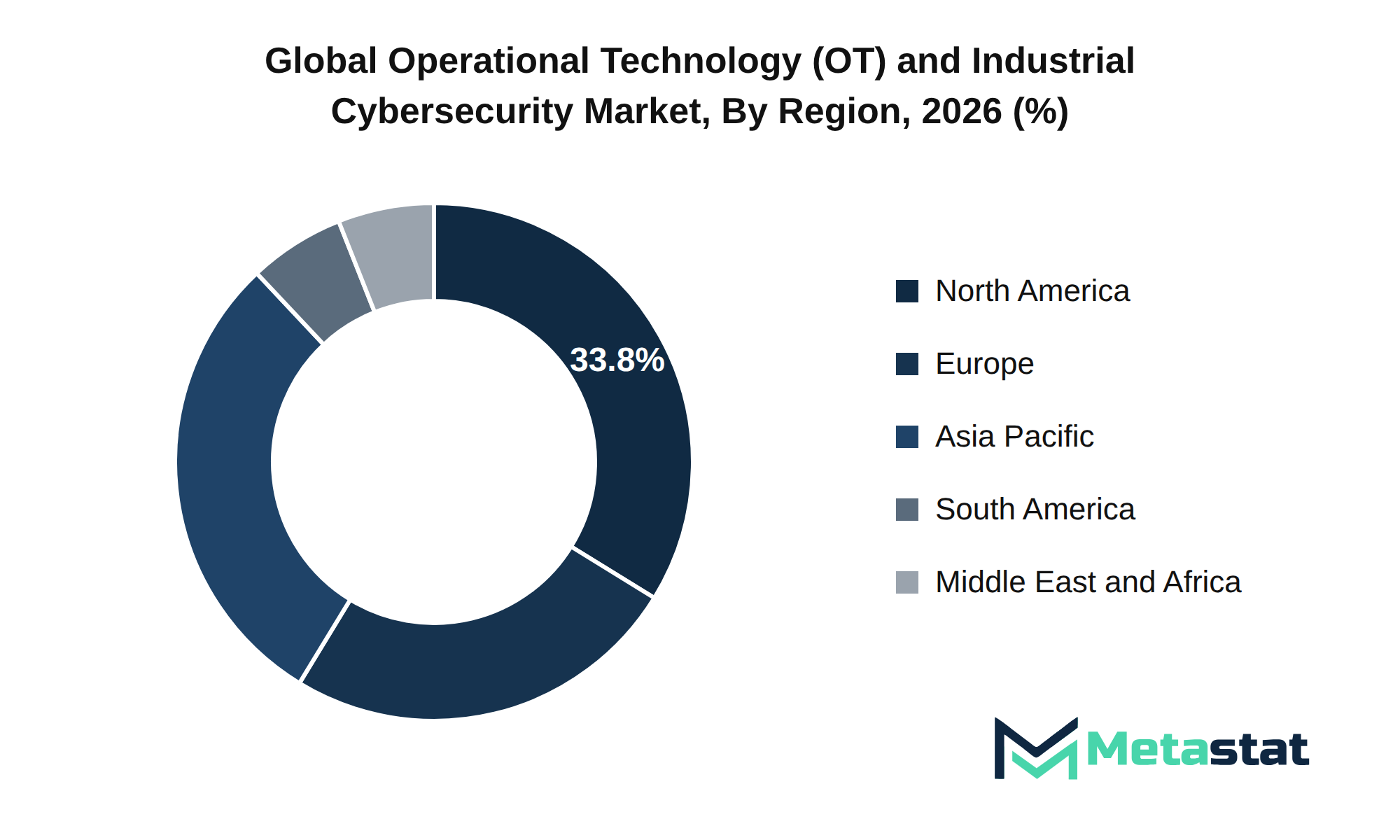
The Operational Technology (OT) and Industrial Cybersecurity market is experiencing a trend towards consolidation as established players seek to enhance their market presence through mergers and acquisitions. This trend is evident as companies aim to broaden their service offerings and fortify their intellectual property (IP) portfolios. As competition intensifies, larger firms are acquiring smaller, innovative companies to integrate their technologies and strengthen their market positions. This strategic behavior not only expands product ranges but also enhances capabilities in addressing evolving cybersecurity threats.
Consolidation patterns are also shaped by the necessity for companies to maintain technological defensibility. By acquiring niche players, major firms can mitigate the threat posed by emerging startups and enhance their R&D pipelines. The resulting strengthened portfolios facilitate better responses to the diverse security needs of end-users across various industries, including manufacturing, energy, and transportation.
Companies in the market employ diverse go-to-market strategies tailored to their unique offerings and customer segments. Strategic alliances and partnerships are commonplace, allowing firms to leverage each other's strengths for enhanced market reach. For instance, partnerships between cybersecurity solution providers and industry-specific firms enable the integration of specialized security measures tailored to specific operational environments.
Pricing architectures within the market exhibit variability, depending on the service offerings. Platforms focusing on OT security software often adopt a subscription model, providing continuous updates and support, while hardware solutions may favor a one-time purchase model. Additionally, managed OT security services are emerging as a significant segment, driven by organizations' desire to outsource cybersecurity management to specialized providers.
Product differentiation remains a crucial aspect, with firms focusing on proprietary technologies and unique service offerings to gain competitive advantages. For example, companies like Claroty Ltd. and Nozomi Networks Inc. emphasize their capabilities in asset discovery and inventory assessment, addressing specific security challenges faced by industries reliant on operational technologies.
Barriers to entry in the Operational Technology (OT) and Industrial Cybersecurity market are substantial. Established players benefit from brand equity and a loyal customer base, making it challenging for new entrants to capture market share. The intricate regulatory landscape surrounding industrial cybersecurity necessitates significant investment in compliance and operational knowledge, deterring potential disruptors.
In terms of customer retention strategies, firms are focusing on enhancing service quality and support. High switching costs associated with operational technology systems further secure existing customer relationships, as businesses are often reluctant to change providers once systems are integrated. This aspect highlights the importance of brand equity in maintaining market position.
Looking ahead, the future competitive outlook for the Operational Technology (OT) and Industrial Cybersecurity market appears positive, driven by increasing demand for robust cybersecurity measures across various industries. Firms must focus on continually evolving their offerings to address emerging threats and adapt to advancements in technology. As cyber threats become more sophisticated, the emphasis on strategic growth vectors and defensive imperatives will become essential.
The market environment is shaped by significant consolidation trends, diverse go-to-market strategies, and robust barriers to entry. Established firms must leverage their strengths, engage in strategic partnerships, and focus on product differentiation to maintain their competitive edge in this changing environment.
The Operational Technology (OT) and Industrial Cybersecurity market is projected to expand significantly, with the market size forecast to rise from USD 25.8 billion in 2025 to over USD 82.7 billion by 2033, reflecting a compound annual growth rate (CAGR) of 15.7%. This growth trajectory is supported by various factors influencing demand across industries, including advancements in technology, increasing regulatory pressures, and the evolving landscape of cybersecurity threats.
In a bull case scenario, the acceleration of digital transformation initiatives across sectors can enhance the market's growth potential. Companies increasingly recognize the importance of integrating operational technology with strong cybersecurity measures. Investments in next-generation technologies, such as artificial intelligence and machine learning, may streamline security operations and enhance threat detection capabilities. This scenario would likely see greater adoption of OT security platforms and software, which are expected to grow from USD 11.5 billion in 2026 to USD 33.4 billion by 2033, at a CAGR of 16.4%.
Conversely, in a bear case scenario, market growth could be hindered by geopolitical factors, economic uncertainties, or slower-than-anticipated regulatory developments. Companies may delay investments in cybersecurity infrastructure or opt for budget cuts in times of economic strain, impacting the overall market. A lack of skilled professionals in the cybersecurity field could exacerbate vulnerabilities in operational technology systems, leading to potential setbacks in market growth.
Emerging white-space opportunities exist as industries adapt to new demands and challenges. There is a pronounced need for specialized security solutions in sectors such as energy and utilities, which are increasingly reliant on digital systems. The energy sector alone is expected to see its cybersecurity segment grow to USD 22.2 billion by 2033, driven by regulatory mandates and the necessity for compliance in monitoring and risk management.
Strategic capital allocation will be critical for organizations seeking to enhance their cybersecurity posture. Firms should consider qualifying a second supplier outside the current concentration region to diversify capabilities and reduce risk exposure. This approach can also protect against supply chain disruptions that often accompany geopolitical shifts. Organizations will benefit from increasing their investment in research and development (R&D) to stay ahead of emerging threats and leverage innovative solutions.
The market will also be influenced by regulatory evolution timelines and compliance requirements that are increasingly stringent. Companies must proactively align their cybersecurity strategies with forthcoming regulations to avoid penalties and ensure operational continuity. This alignment will be especially crucial as compliance milestones are set to become more defined and enforced across various regions.
For the base case of USD 25.8 billion in 2025 to USD 82.7 billion by 2033 to hold true, several factors must align. These include sustained investments in cybersecurity infrastructure by organizations across key sectors, timely implementation of regulatory frameworks, and a commitment to integrating advanced technologies that enhance operational resilience. A stable geopolitical environment will be essential for the global supply chains that support the operational technology ecosystem.
The report strategically identifies and profiles the key market players and analyses their core competencies in each sub-segment of the Operational Technology (OT) and Industrial Cybersecurity market.
|
Report Attributes |
Details |
|
Study Period |
2021-2033 |
|
Base Year |
2025 |
|
Estimated Year |
2026 |
|
Forecast Period |
2026-2033 |
|
Historical Period |
2021-2025 |
|
Growth Rate |
CAGR 15.7% from 2026 to 2033 |
|
Revenue Unit |
USD billion |
|
Sales Volume Unit |
Thousand Units |
|
Segmentation |
By Offering, Security Application, Industrial System, End-use Industry, and Region |
|
By Region |
North America (By Offering, Security Application, Industrial System, End-use Industry, and Country)
|
|
Europe (By Offering, Security Application, Industrial System, End-use Industry, and Country)
|
|
|
Asia Pacific (By Offering, Security Application, Industrial System, End-use Industry, and Country)
|
|
|
South America (By Offering, Security Application, Industrial System, End-use Industry, and Country)
|
|
|
Middle East and Africa (By Offering, Security Application, Industrial System, End-use Industry, and Country)
|
Find answers to common questions about this report
The Operational Technology (OT) and Industrial Cybersecurity market size was valued at USD 25.8 billion in 2025, according to the Metastat Insights study.
The Operational Technology (OT) and Industrial Cybersecurity market is expected to expand at a CAGR of 15.7% during the forecast period from 2026 to 2033.
According to Metastat Insights analysis, the North America Operational Technology (OT) and Industrial Cybersecurity market size is projected to reach USD 26.3 billion by 2033.
OT Security Platforms and Software leads the Operational Technology (OT) and Industrial Cybersecurity market, with a value of USD 11.5 billion in 2026. This segment is expected to grow to USD 33.4 billion by 2033, reflecting a compound annual growth rate (CAGR) of 16.4%.
Key drivers for the Operational Technology (OT) and Industrial Cybersecurity market include the increasing focus on digital transformation initiatives across various sectors, particularly manufacturing and energy. These industries are investing significantly in advanced cybersecurity solutions to protect their operations from escalating cyber threats, recognizing the critical need for robust security measures.
North America holds the dominant share of the Operational Technology (OT) and Industrial Cybersecurity market, with a regional share of 33.8% in 2025.
The Operational Technology (OT) and Industrial Cybersecurity market faces significant constraints due to high capital investment requirements. Organizations often struggle to secure the necessary funding for upgrading their cybersecurity infrastructure, particularly in the manufacturing and energy sectors, which can hinder timely adoption of essential cybersecurity solutions.
Key factors favoring product adoption in the Operational Technology and Industrial Cybersecurity market include the increasing prioritization of digital transformation initiatives and the need for robust cybersecurity measures to protect sensitive data and critical infrastructure. Sectors like manufacturing and energy are particularly focused on enhancing their cybersecurity capabilities due to rising risks from cyber threats.
The Operational Technology (OT) and Industrial Cybersecurity market is estimated to reach a valuation of USD 82.7 billion by 2033.
Key players in the Operational Technology (OT) and Industrial Cybersecurity market include ABB Ltd., Cisco Systems, Inc., Fortinet, Inc., Honeywell International Inc., Microsoft Corporation, Palo Alto Networks, Inc., Rockwell Automation, Inc., and Siemens AG.
The analysts below cover Information & Technology research at Metastat Insights.
LEAD ANALYST
Utkarsh Khirodkar is a Lead Market Research Analyst at MetaStat Insight, specializing in market intelligence, technology sector assessments, and competitive strategy.

PRINCIPAL CONSULTANT - ENTERPRISE AI & EMERGING TECHNOLOGIES
Banking & Finance · Electronics and Semiconductor · Energy and Power · Healthcare IT · Information & Technology · Professional Services
Vijay Gunti is a Principal Consultant at MetaStat Insight, bringing over two decades of experience across enterprise digital transformation, technology strategy, and intelligent systems.

LEAD CONSULTANT - COMMUNICATION, TELECOM, AND IT
Electronics and Semiconductor · Information & Technology · Machinery & Equipment · Professional Services
Ravindra Sathe Consultants for Communication, Telecom, and IT at MetaStat Insight. He leads the firm's industry research initiatives across telecommunications infrastructure, digital connectivity, enterprise networking, and emerging information technology domains.
Last Updated: August, 2026
Enterprise zero-trust network rollouts are often slowed down by multi-cloud transit latency and proprietary hardware retirement schedules. This study provided realistic total cost of ownership models comparing cloud-delivered security edge solutions against traditional hardware refreshes. The analysis of contract renewal lengths and software maintenance fees gave us clear visibility into enterprise replacement cycles over the next three to five years.
Scaling antibody-drug conjugate manufacturing hinges on contract manufacturing availability for high-potency active ingredients. The MetaStat Insight analysis looked closely at global cleanroom slot constraints, bioconjugation batch failure rates, and supply chain redundancies between the US, Europe, and India. The supplier capability matrix proved genuinely useful for our team when mapping secondary source options across our clinical pipeline.
Floating offshore wind feasibility relies heavily on specialized installation vessel availability and port crane limits, which most broad renewable energy forecasts ignore. The report delivered a thorough analysis of dry dock capacity, mooring chain supply constraints, and raw material pricing trends for deepwater anchor installations. It served as a solid independent sanity check for our offshore project capital expenditure assumptions.
Explore related market intelligence reports worth reading alongside this one.