
Explore the critical factors influencing pricing in the Plastic Processing Equipment sector and how buyers leverage them for better decision-making.
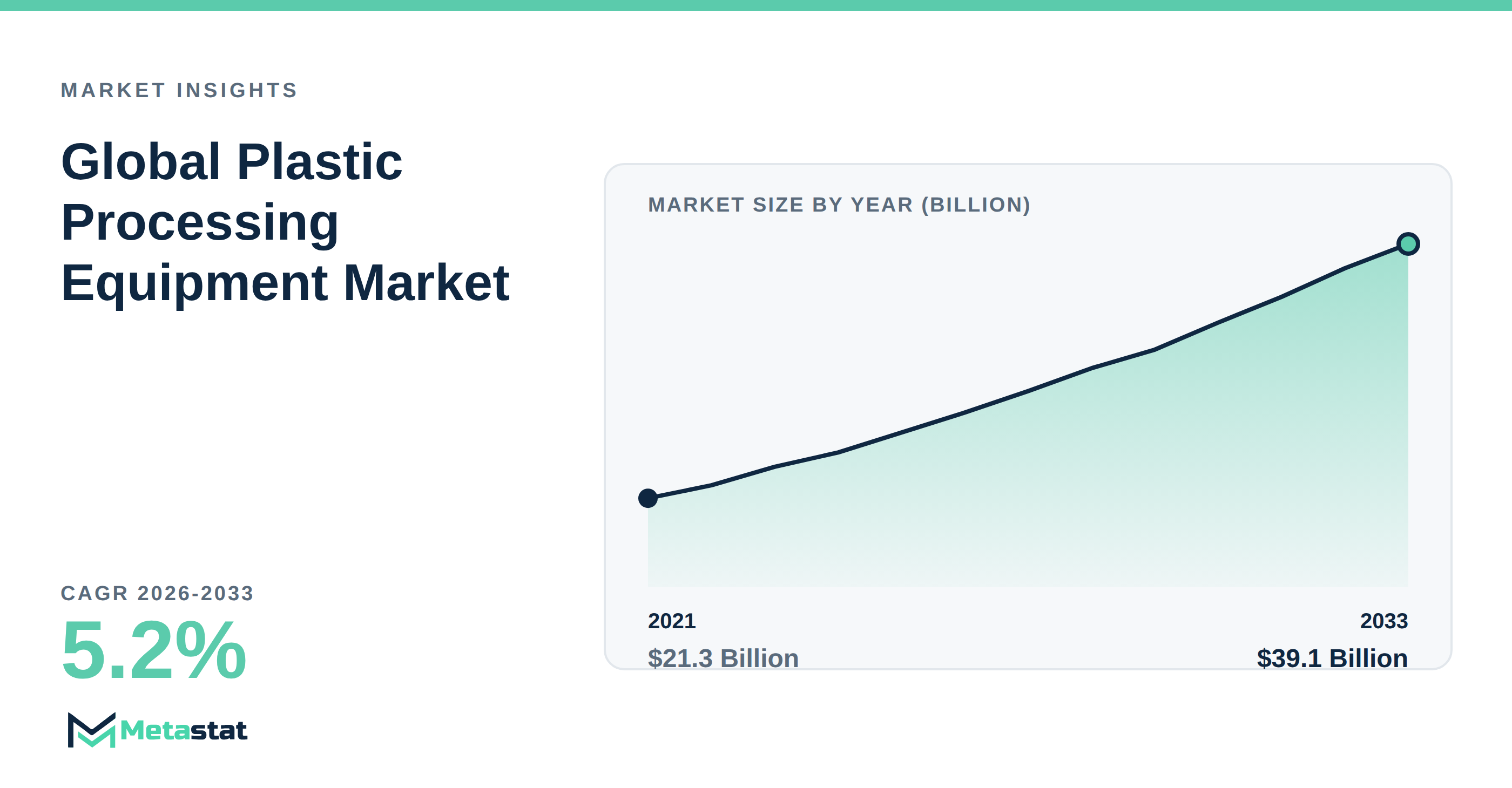
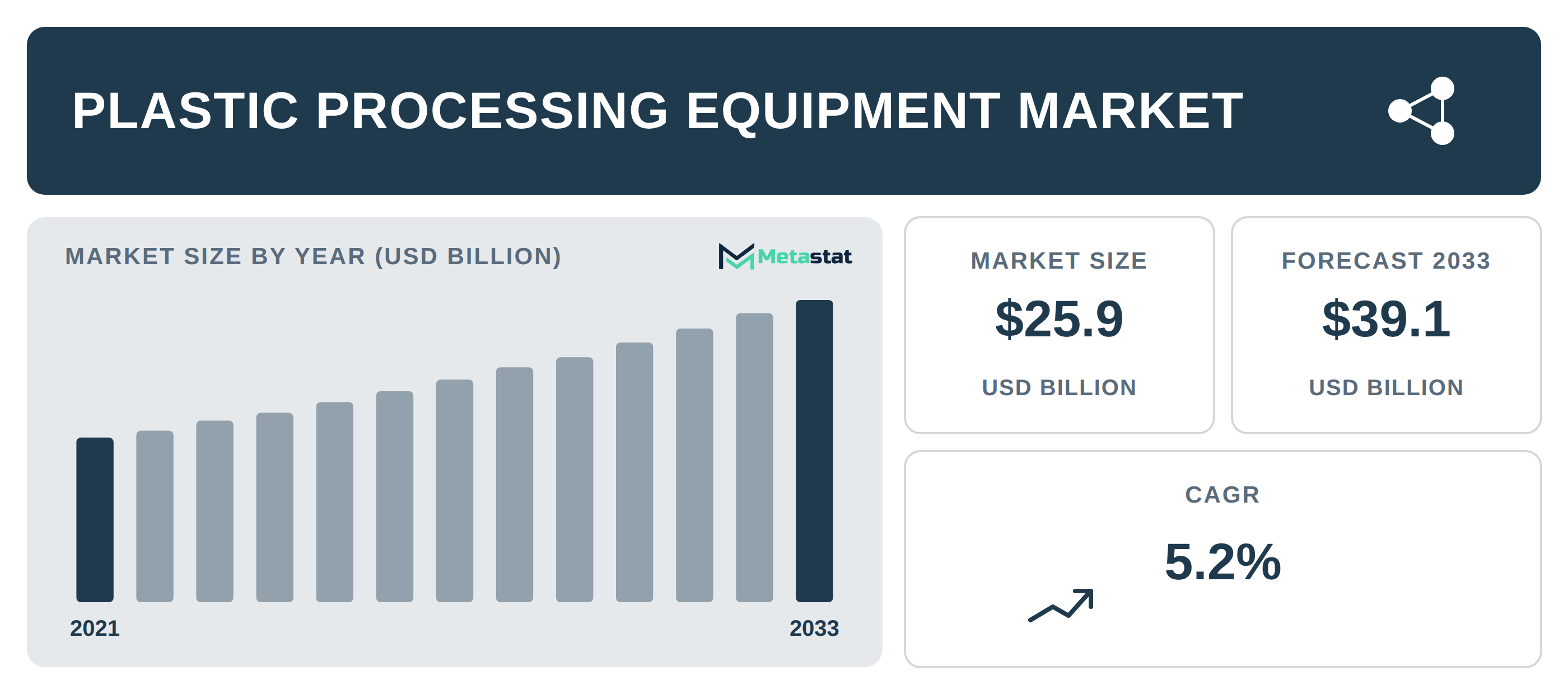
The dynamics of pricing in the market for Plastic Processing Equipment are shaped by various factors affecting both manufacturers and buyers. Understanding these elements provides a competitive advantage and guides efficient purchasing decisions. Are several insights into what influences costs in this market. The full figures are in our Plastic Processing Equipment market size and forecast report.
1. Automation Enhances Productivity and Cost
Investing in fully automated machinery plays a significant role in shaping pricing in the market for Plastic Processing Equipment. Automation streamlines production processes, enabling manufacturers to achieve higher output with fewer labor requirements. The anticipated revenue from fully automated equipment is projected to reach USD 20.2 billion by 2033, indicating a strong demand for efficiency. Buyers gain leverage by exploring automation solutions that improve production capabilities while helping to reduce operational expenses, thereby justifying their initial investments.
2. Energy Efficiency Affects Operational Costs
Energy consumption critically impacts the total cost of ownership for Plastic Processing Equipment. Machinery that operates with lower energy consumption translates into substantial savings over its operational lifetime. The market is gearing up for fully automated systems that incorporate energy-saving features, which are expected to significantly contribute to operational efficiency. Buyers enhance sustainability efforts and reduce long-term costs by selecting energy-efficient machinery that optimizes power usage.
3. Lightweighting Influences Production Economics
The trend toward lightweighting in plastic products directly affects the pricing strategies of equipment manufacturers. As producers prioritize creating lighter yet durable items, they require specialized machinery that effectively processes these materials. This focus on lightweight solutions has increased the emphasis on advanced equipment capable of supporting these initiatives, particularly in sectors like packaging, which continues to see growth. Buyers make informed decisions by assessing how lightweighting impacts production efficiency and the related costs.
4. Investment in Sustainable Solutions Drives Demand
Growing consumer preferences for sustainable and eco-friendly products are shaping pricing in the Plastic Processing Equipment sector. Companies are heavily investing in technologies that facilitate the production of recyclable and biodegradable materials. The packaging segment is expected to expand from USD 11.1 billion in 2026 to USD 15.7 billion by 2033, reflecting this trend. Buyers interested in adopting sustainable practices will find opportunities in equipment that aligns with these developments, potentially leading to favorable pricing as suppliers compete to meet evolving consumer expectations.
5. Price Sensitivity and Competitive Dynamics
Price sensitivity in sectors like automotive and building construction notably limits the adoption of advanced Plastic Processing Equipment. High capital costs associated with modern machinery deter investments, resulting in a cautious approach from manufacturers facing budget constraints. Buyers in these industries prioritize cost-effective solutions, which ultimately lead to longer machinery lifecycles and a reluctance to adopt innovations. Understanding these competitive dynamics and price pressures helps buyers negotiate better terms and make smarter investment choices.
6. Customized Solutions and Direct Relationships
Direct sales channels facilitate tailored solutions between manufacturers and buyers, influencing pricing strategies within the market for Plastic Processing Equipment. The capacity to customize offerings based on specific buyer needs significantly enhances the relationship. Companies often prefer direct engagement to improve communication, customer service, and secure competitive pricing. Buyers who establish strong ties with suppliers frequently gain access to favorable terms, incentives, and more attractive pricing options.
7. Regulatory Compliance and Quality Standards
Regulatory compliance requirements significantly influence production costs and pricing in the market for Plastic Processing Equipment. Industries demanding stringent quality standards, including healthcare and pharmaceuticals, often experience higher equipment costs due to the need for advanced technologies ensuring precision and reliability. Buyers in these sectors should assess the long-term value of compliance-driven machinery, which mitigates risks associated with product defects and regulatory penalties.
By focusing on automation, energy efficiency, sustainability, and strong supplier relationships, stakeholders enhance their decision-making process and potentially lower overall costs in the market for Plastic Processing Equipment.
Tags
About the Authors

LEAD ANALYST
Utkarsh Khirodkar is a Lead Market Research Analyst at MetaStat Insight, specializing in market intelligence, technology sector assessments, and competitive strategy.

SENIOR RESEARCH ANALYST
Biotechnology · Food and Beverages · Medical Devices · Packaging
Snehal Pasalkar is a Research Analyst at MetaStat Insight, operating at the intersection of life sciences research, competitive strategy, and market intelligence.

INDUSTRY CONSULTANT - CHEMICALS & ADVANCED MATERIALS
Chemicals and Materials · Machinery & Equipment · Packaging
Amit Gadhekar Consultant for Chemicals and Materials at MetaStat Insight, directing sector-specific intelligence, research, and strategic consulting across global chemical and processing markets.