
Explore six essential insights affecting pricing in South Africa's hospitality sector, from luxury accommodations to direct booking advantages.
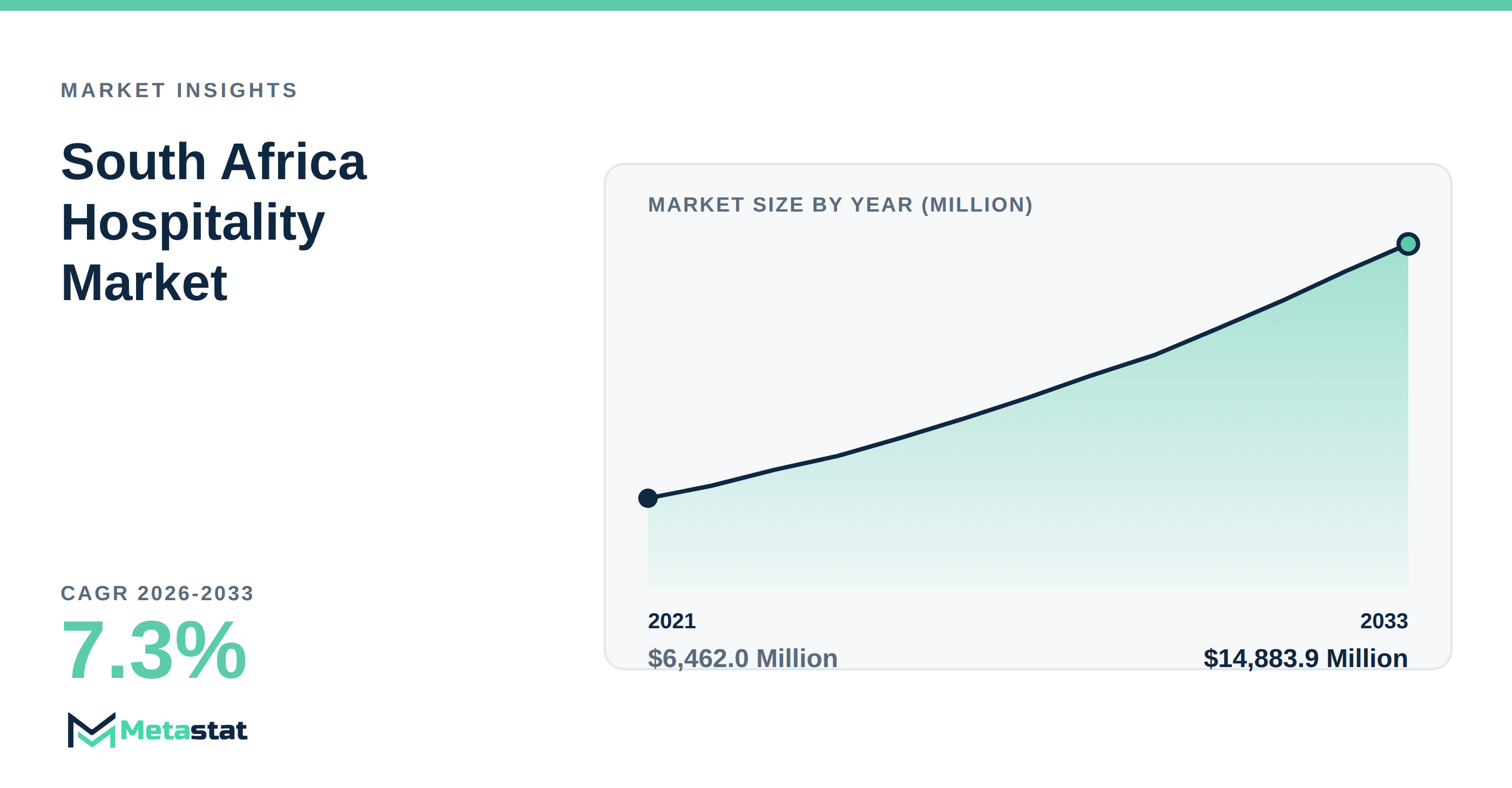
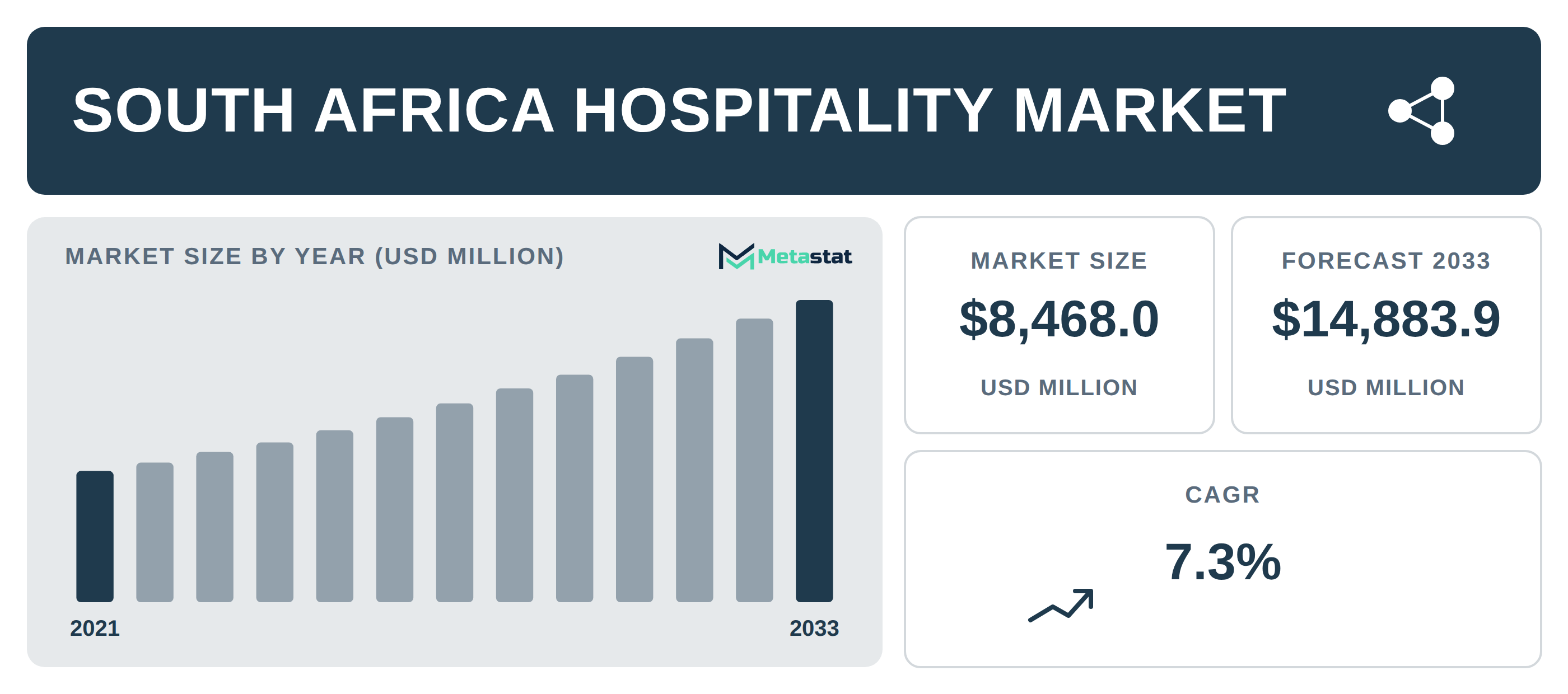
The market for South Africa Hospitality is experiencing significant transformation, driven by evolving consumer preferences and economic factors. Understanding pricing strategies is crucial for both buyers and operators keen on optimizing their investments. Are six key insights into the elements affecting South Africa Hospitality pricing. The full figures are in our South Africa Hospitality market size and forecast report.
1. The rise in luxury accommodations
Luxury accommodations attract affluent travelers, influencing pricing strategies across South Africa’s hospitality sector. The demand for premium experiences has led to increased spending on services and amenities, particularly in the luxury segment. This trend reflects a broader consumer movement towards personalization and quality. The luxury segment is expected to grow from USD 2,067.4 million in 2026 to approximately USD 3,450.1 million by 2033. Businesses consider how these shifts affect their pricing structures to attract high-end clientele.
2. Increased competition from serviced apartments
The growing interest in serviced apartments indicates changing preferences among travelers, leading to competitive pricing pressures. Serviced apartments, which appeal to both business and leisure travelers, offer home-like amenities and flexibility for extended stays. This segment is anticipated to experience a significant growth rate, prompting operators to adjust their pricing models to remain competitive against this rising trend. Adapting strategies to provide attractive pricing packages helps capture this lucrative market segment.
3. Direct booking advantages
Direct bookings through hotel websites are becoming increasingly popular, allowing hotels to retain more revenue by avoiding third-party commission costs. This shift is projected to generate significant revenue by 2033. Hotels enhancing direct booking functionalities through user-friendly interfaces and personalized experiences create greater opportunities for improved pricing strategies. Focusing on direct sales reduces reliance on Online Travel Agencies (OTAs) and boosts profitability.
4. Price sensitivity among budget-conscious travelers
Price sensitivity remains a significant challenge in the hospitality sector. Many budget-conscious travelers tend to hesitate in selecting accommodations, impacting overall demand. This cautiousness is particularly pronounced among independent hotels, which often struggle to compete with chain hotels offering promotional rates. Operators carefully assess their pricing structures to cater to these segments, ensuring accessibility while delivering quality services.
5. Impact of corporate and MICE events on pricing
Corporate and MICE travel significantly influences pricing within the hospitality sector. This segment's growth, driven by increased business activities and events, requires hotels to offer competitive pricing tailored to corporate clients. With projected revenue from corporate and MICE contracts expected to reach USD 2,362.1 million by 2033, establishing effective pricing strategies for group bookings will be essential for maximizing profitability in this lucrative sector.
6. Operational cost pressures affecting pricing
Rising operational costs, including increasing labor and supplier prices, are putting pressure on margins, prompting adjustments to pricing strategies in the hospitality sector. Hotels are investing in technology to streamline operations and enhance guest experiences; however, these costs are reflected in their pricing models. Understanding how to balance operational expenditures against competitive pricing will be critical for maintaining profitability.
In summary, understanding the various factors shaping South Africa Hospitality pricing is vital for buyers and operators alike. By focusing on consumer preferences, adapting to competition, and strategically managing operational costs, stakeholders optimize their pricing strategies to enhance profitability and customer satisfaction.
Tags
About the Author

LEAD ANALYST
Utkarsh Khirodkar is a Lead Market Research Analyst at MetaStat Insight, specializing in market intelligence, technology sector assessments, and competitive strategy.