
Explore the key trends shaping the Europe Terminal Block market, from automation to renewable energy, and their impact on buyer decisions.
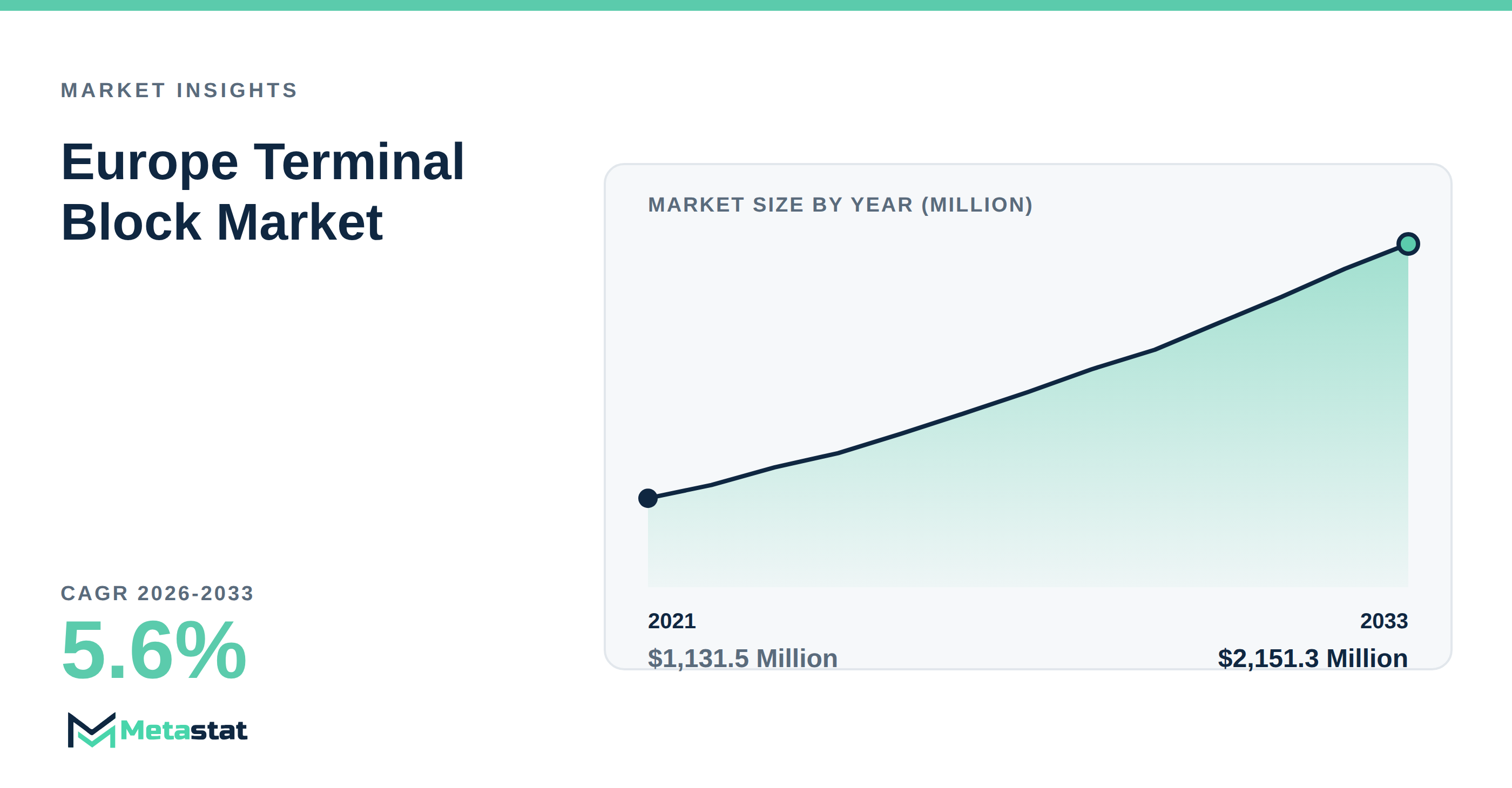
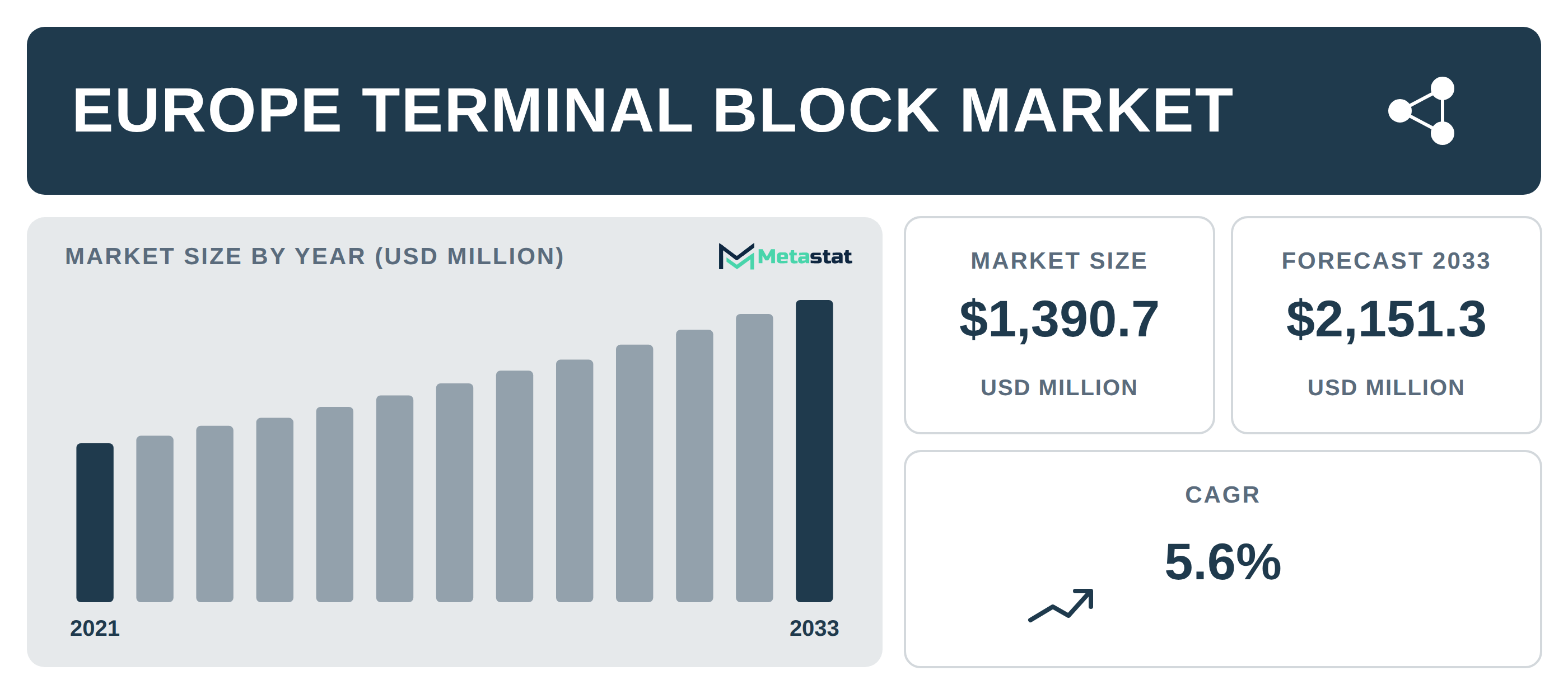
Understanding the evolving landscape of the market for Europe Terminal Block highlights several key trends that are influencing demand. With automation, energy efficiency, and advancements in technology driving these changes, buyers stay informed to make optimal purchasing decisions. Are the crucial trends reshaping the terminal block landscape: The full figures are in our Europe Terminal Block market size and forecast report.
1. Rising Demand for Push-in Spring Clamps
The growing preference for push-in spring clamps signifies a notable transformation in the terminal block sector. This connection technology facilitates faster connections and disconnections, reducing downtime during assembly processes. Industries including industrial manufacturing favor this solution due to its efficiency and straightforward installation. The anticipated compound annual growth rate of 8.9% for push-in spring clamps underscores their significant role in enhancing operational efficiency. While this technology gains traction, manufacturers are tasked with innovating to satisfy evolving customer requirements.
2. Focus on Automation and Smart Infrastructure
The increasing emphasis on automation across various sectors fuels the demand for advanced terminal block solutions. The integration of smart infrastructure compels buyers to seek components that support efficient electrical connectivity. This trend is prevalent in applications including industrial machinery and energy management systems, where reliability and speed are paramount. Manufacturers have a profound opportunity to innovate and streamline product offerings to align with the rising automation trends, ensuring relevance in a competitive landscape.
3. Expanding Renewable Energy Sector
The rising demand for high-current connections, especially within the renewable energy sector, is reshaping purchasing behaviors among buyers. With a projected compound annual growth rate of 6.6%, terminal blocks used in solar power installations and energy storage systems are becoming increasingly essential. Buyers are prioritizing suppliers who provide performance guarantees coupled with stable pricing through long-term agreements, enabling improved project budgeting. This trend impacts procurement strategies and encourages suppliers to invest in solutions that support renewable energy initiatives.
4. Compact PCB Terminal Blocks for Space Efficiency
Compact PCB terminal blocks are gaining traction as manufacturers pursue space-efficient designs in industrial device development. The focus on miniaturization drives expected growth in the segment, with a projected value of USD 599.3 million for PCB-mounted terminal blocks by 2033, reflecting a compound annual growth rate of 6.5%. These components allow for optimized layouts, enabling high-density interconnectivity without sacrificing electrical performance. Suppliers concentrating on compact solutions meet this growing demand and enhance their product appeal.
5. Enhanced Installation Methods: Transition to Push-in Connections
Panel builders are increasingly opting for push-in connections over traditional screw methods due to faster installation and reduced labor costs. This shift signals a broader industry trend toward improved efficiency in assembly processes. While screw clamp options remain pertinent, the growth of push-in technology indicates a strategic move in preferences among builders. Suppliers should recognize this trend to refine their offerings and gain competitive advantages in the market.
6. Price Sensitivity and its Impact on Adoption
Price sensitivity plays a crucial role in influencing purchasing decisions within the terminal block sector, particularly among industrial buyers. Elevated costs often discourage firms from making extensive investments in advanced technologies, which lead to slower adoption rates. Suppliers face pressure to maintain competitive pricing while ensuring high-quality solutions. Addressing price concerns through innovative pricing structures or cost-effective offerings help suppliers build stronger relationships with price-sensitive customers.
These key trends illustrate the dynamic shifts occurring within the market for Europe Terminal Block. By understanding and adapting to these forces, both buyers and suppliers position themselves for success in this evolving landscape. Staying informed about these trends will enable stakeholders to navigate the complexities of the terminal block sector effectively.
Tags
About the Authors

LEAD ANALYST
Utkarsh Khirodkar is a Lead Market Research Analyst at MetaStat Insight, specializing in market intelligence, technology sector assessments, and competitive strategy.

PRINCIPAL CONSULTANT - ENTERPRISE AI & EMERGING TECHNOLOGIES
Banking & Finance · Electronics and Semiconductor · Energy and Power · Healthcare IT · Information & Technology · Professional Services
Vijay Gunti is a Principal Consultant at MetaStat Insight, bringing over two decades of experience across enterprise digital transformation, technology strategy, and intelligent systems.

PRINCIPAL CONSULTANT - QUALITY SYSTEMS & COMPLIANCE
Electronics and Semiconductor · Machinery & Equipment · Professional Services
Omkar Phadtare is an Industry Consultant at MetaStat Insight, specializing in quality systems, regulatory compliance, and standards benchmarking to drive data-driven market intelligence and strategic industry research.

ENERGY & INFRASTRUCTURE INDUSTRY CONSULTANT
Automotive and Transportation · Electronics and Semiconductor · Energy and Power · Machinery & Equipment
Saurabh Vasant Ganvir consults for Energy & Infrastructure Industry at MetaStat Insight, specializing in renewable energy, solar EPC, and electric vehicle (EV) infrastructure markets.

LEAD CONSULTANT - COMMUNICATION, TELECOM, AND IT
Electronics and Semiconductor · Information & Technology · Machinery & Equipment · Professional Services
Ravindra Sathe Consultants for Communication, Telecom, and IT at MetaStat Insight. He leads the firm's industry research initiatives across telecommunications infrastructure, digital connectivity, enterprise networking, and emerging information technology domains.