
Explore the key trends influencing the Electromechanical Switch market, from automation to customization demands, and how they impact buyers.
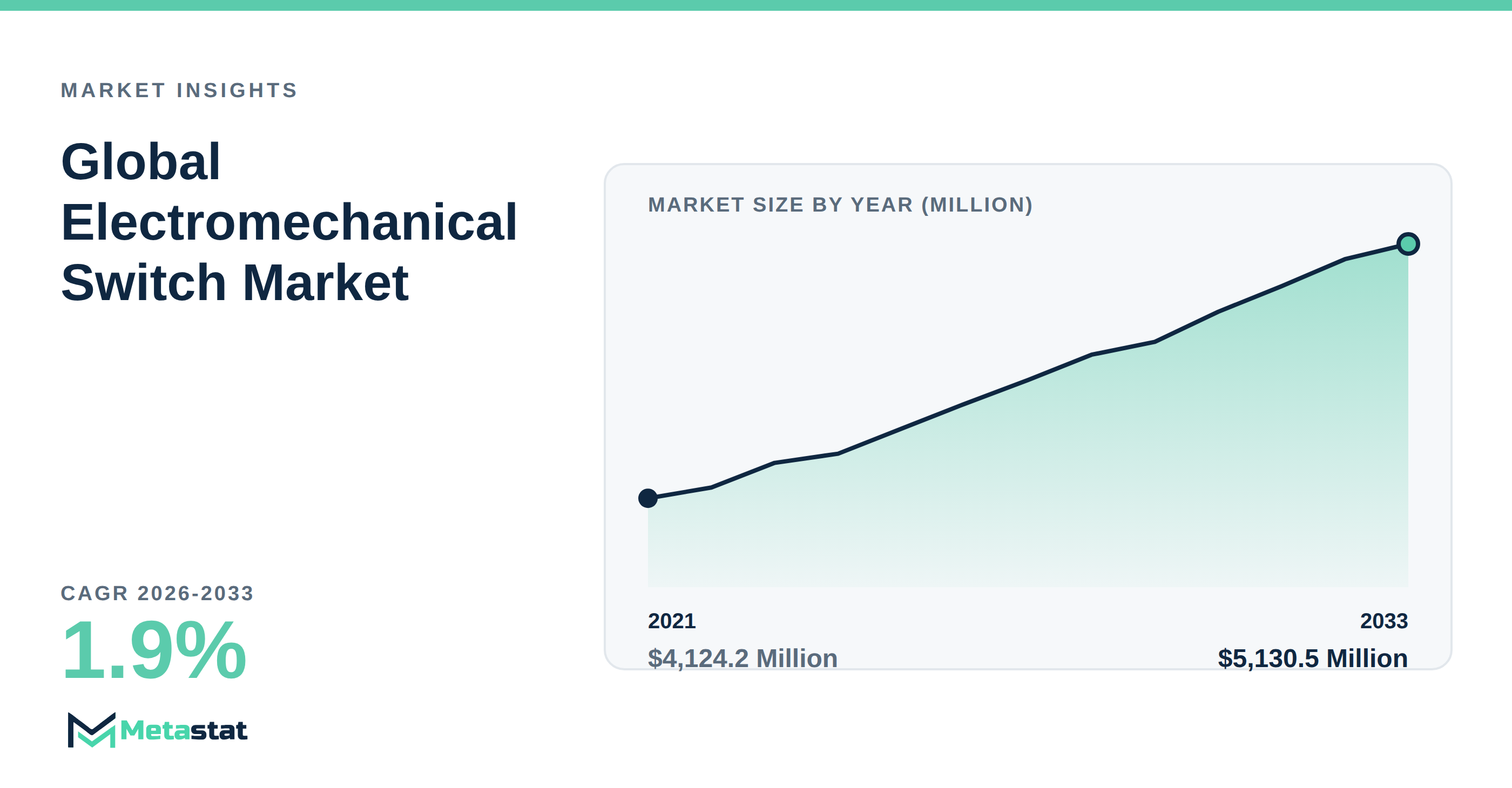
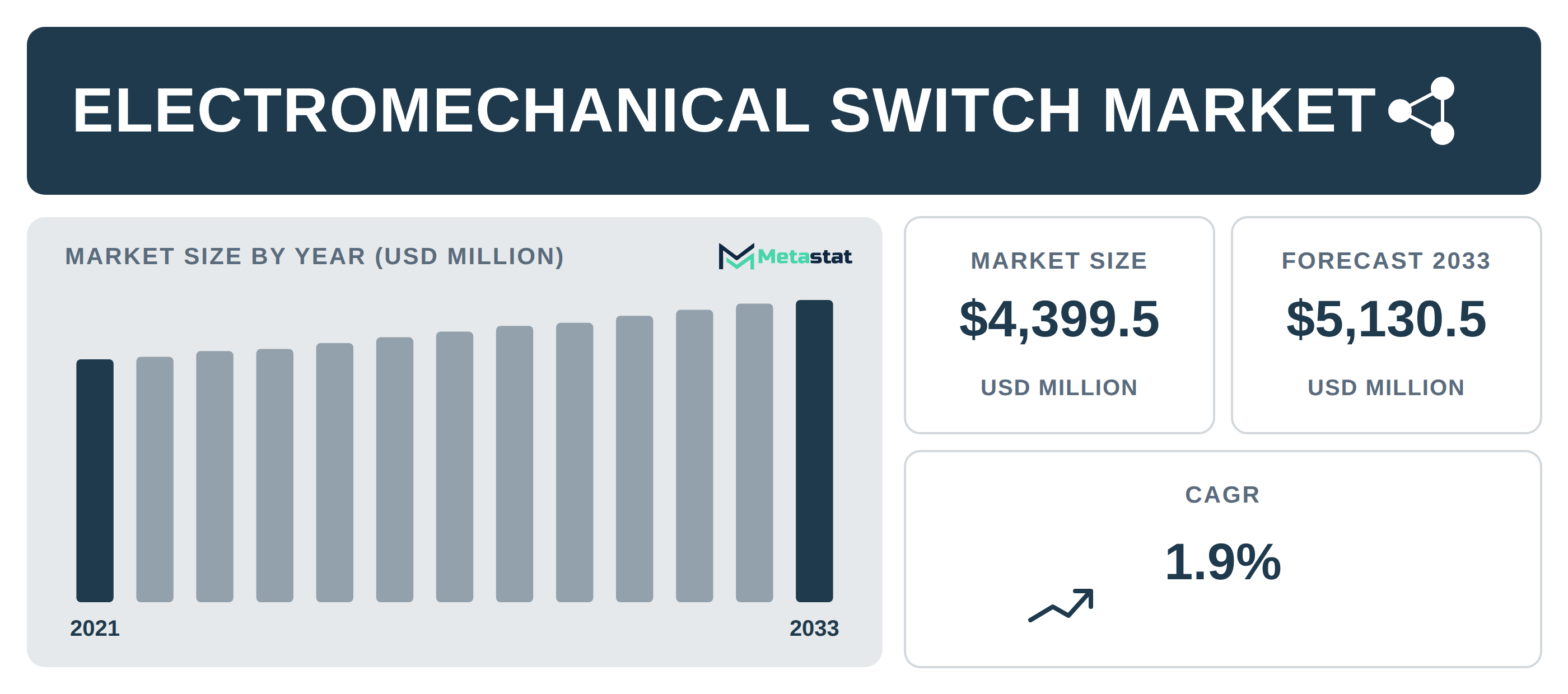
The market for Electromechanical Switch continues to evolve, driven by various trends that are reshaping buyer behavior and technology deployments. Companies in the automotive, consumer electronics, and industrial sectors are particularly affected by these changes. Are six key trends influencing this dynamic market that buyers understand to make informed decisions about their switch purchasing strategies. Electromechanical Switch market size and forecast report.
1. Rising Demand for Automation
Automation drives significant demand for Electromechanical Switches across various industries. This trend is particularly evident in manufacturing and automotive applications, where reliable switching components enhance operational efficiency. Companies invest in these switches to streamline processes and improve productivity. The shift toward automated systems requires durable and high-performance switches, prompting suppliers to innovate and enhance their product offerings. This commitment to quality helps manufacturers maintain competitiveness in an increasingly automated landscape.
2. Push for Enhanced Durability in Harsh Environments
In challenging conditions, including extreme temperatures, moisture exposure, and vibrations, buyers prioritize durability in Electromechanical Switches. The automotive industry exemplifies this need, with projections indicating substantial growth in demand for robust switching solutions over the next decade. Manufacturers focusing on materials and designs that enhance performance in adverse environments better meet buyer expectations and increase their market presence. Enhanced durability not only reduces maintenance costs but ensures reliability in critical applications.
3. Impact of Digital Transformation on Electromechanical Switch Trends
The rapid advancement of digital technology significantly influences the market for Electromechanical Switches. Integration of smart systems in sectors like consumer electronics and automotive emphasizes the necessity for reliable switching solutions. With the Internet of Things (IoT) and smart appliances becoming more common, manufacturers aim to develop switches that support improved functionality and connectivity. This transition creates competitive pressure among suppliers to deliver technologically advanced products that meet the evolving demands of the marketplace.
4. Pricing Sensitivity Among Buyers
Price sensitivity remains a critical factor in the adoption of Electromechanical Switches. High production costs and fluctuating prices for components lead to increased expenses for buyers, particularly in sectors including consumer electronics and automotive manufacturing. This sensitivity limits the ability of buyers to invest in newer technologies, which in turn affects growth. Competitive pricing strategies, volume purchasing agreements, and long-term contracts help suppliers navigate this challenge and sustain demand, ultimately enhancing their market position.
5. Transition to Electric and Smart Vehicles
The automotive industry's transition toward electric and smart vehicles significantly impacts the demand for Electromechanical Switches. While manufacturers prioritize advanced vehicle functionalities and enhanced safety features, the reliance on high-quality switching solutions intensifies. This shift necessitates investments in innovative switch designs that accommodate new technologies, ensuring consistent performance across critical vehicle systems. Suppliers who adapt to these changes capitalize on the growing market for electric and smart vehicles.
6. Need for Customization in Electronic Devices
Customization is becoming increasingly vital in the development of Electromechanical Switches, driven by consumer preferences for personalized and specialized electronic devices. Industries including telecommunications and network management require tailored solutions to meet specific operational needs. This trend encourages manufacturers to focus on flexibility and adaptability in their product designs, positioning them advantageously within niche markets. By addressing customization demands, companies differentiate themselves and enhance their appeal to a broader range of customers.
These trends reflect the ongoing evolution within the market for Electromechanical Switch, highlighting changing buyer requirements and technological advancements. Companies that proactively address these dynamics will enhance their competitiveness and capitalize on emerging opportunities in this vital sector.
Tags
About the Authors

LEAD ANALYST
Utkarsh Khirodkar is a Lead Market Research Analyst at MetaStat Insight, specializing in market intelligence, technology sector assessments, and competitive strategy.

PRINCIPAL CONSULTANT - ENTERPRISE AI & EMERGING TECHNOLOGIES
Banking & Finance · Electronics and Semiconductor · Energy and Power · Healthcare IT · Information & Technology · Professional Services
Vijay Gunti is a Principal Consultant at MetaStat Insight, bringing over two decades of experience across enterprise digital transformation, technology strategy, and intelligent systems.

PRINCIPAL CONSULTANT - QUALITY SYSTEMS & COMPLIANCE
Electronics and Semiconductor · Machinery & Equipment · Professional Services
Omkar Phadtare is an Industry Consultant at MetaStat Insight, specializing in quality systems, regulatory compliance, and standards benchmarking to drive data-driven market intelligence and strategic industry research.

ENERGY & INFRASTRUCTURE INDUSTRY CONSULTANT
Automotive and Transportation · Electronics and Semiconductor · Energy and Power · Machinery & Equipment
Saurabh Vasant Ganvir consults for Energy & Infrastructure Industry at MetaStat Insight, specializing in renewable energy, solar EPC, and electric vehicle (EV) infrastructure markets.

LEAD CONSULTANT - COMMUNICATION, TELECOM, AND IT
Electronics and Semiconductor · Information & Technology · Machinery & Equipment · Professional Services
Ravindra Sathe Consultants for Communication, Telecom, and IT at MetaStat Insight. He leads the firm's industry research initiatives across telecommunications infrastructure, digital connectivity, enterprise networking, and emerging information technology domains.