
Explore the key factors affecting Fixed-Line Broadband Access Equipment pricing and buyer leverage.
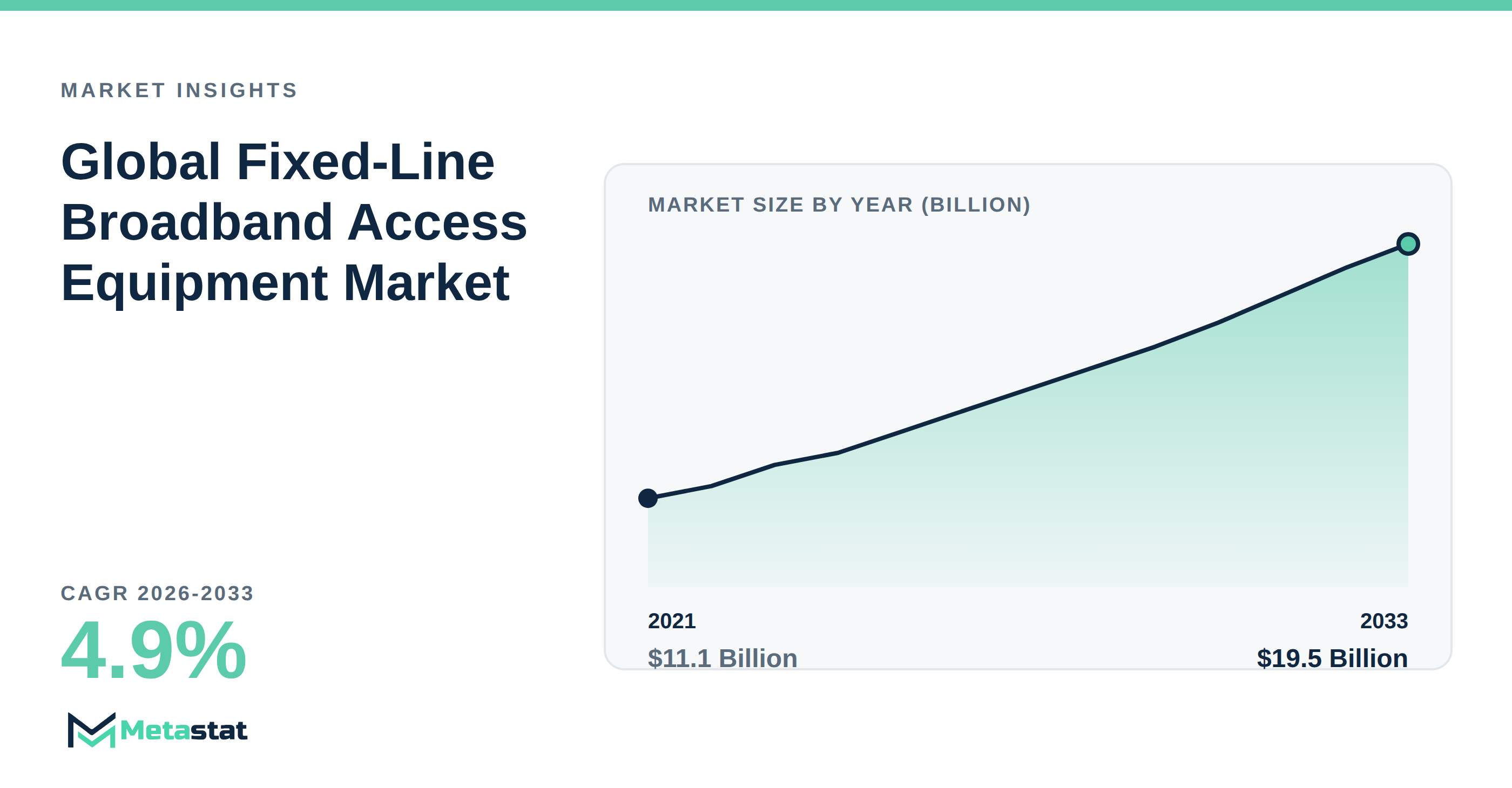
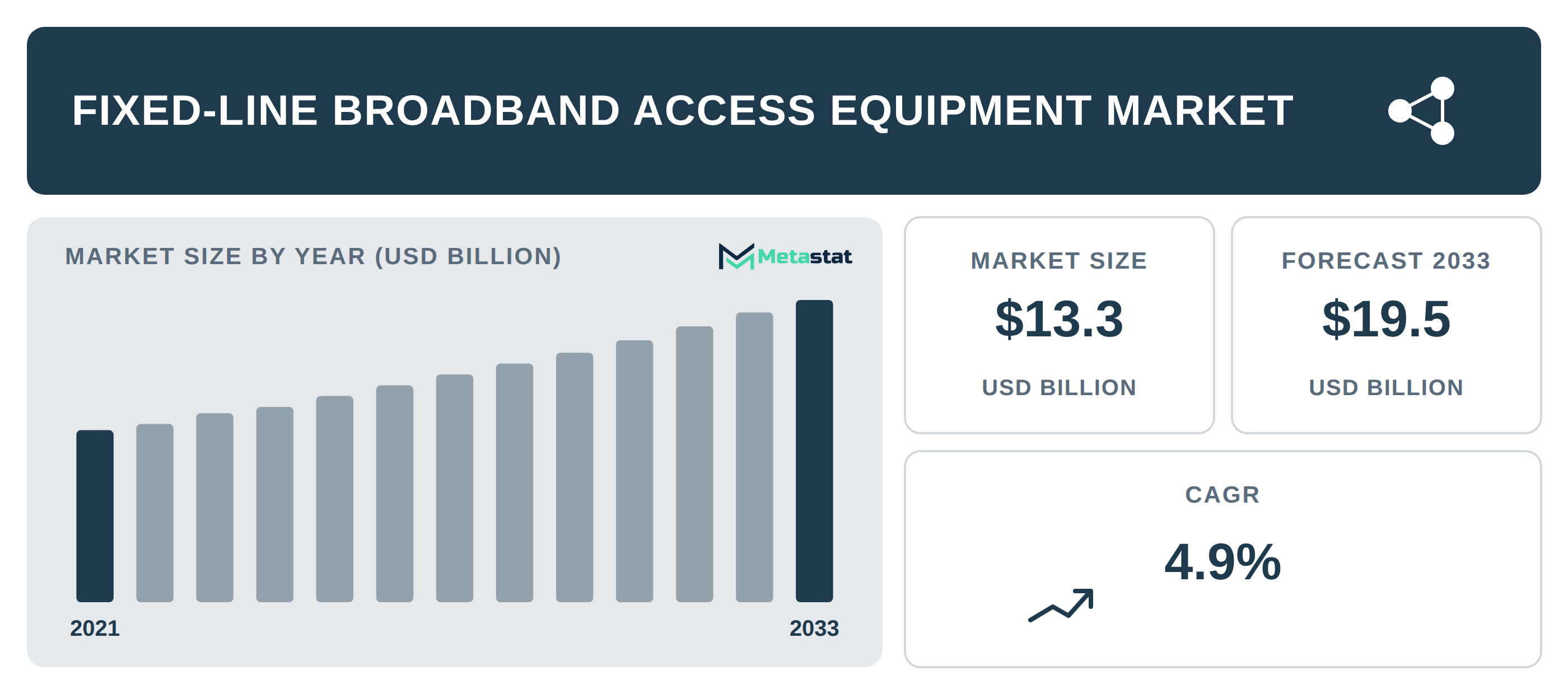
The pricing of Fixed-Line Broadband Access Equipment is influenced by various factors that buyers understand to optimize their purchasing strategies. This blog explores key elements affecting costs in this sector, highlighting areas where buyers exert leverage. The full figures are in our Fixed-Line Broadband Access Equipment market size and forecast report.
1. Transitioning from GPON to XGS-PON Technology
The trend towards replacing Gigabit Passive Optical Network (GPON) systems with 10-Gigabit Symmetric Passive Optical Network (XGS-PON) technology is reshaping pricing strategies. The advanced capabilities of XGS-PON come with increased costs, yet they promise substantial long-term benefits, including greater bandwidth and enhanced performance. Buyers are prompted to analyze the initial investment versus the potential savings gained from more efficient service delivery. This shift underscores the importance of service providers to substantiate their pricing with improvements in user satisfaction and capabilities.
2. DOCSIS Modernization and Cable Infrastructure Upgrades
Advancements in the Data Over Cable Service Interface Specification (DOCSIS) necessitate significant updates to existing cable networks. These upgrades often lead to increased overall costs for operators but enable them to offer better services that justify higher prices. Buyers should focus on negotiating favorable contract terms that include provisions for ongoing updates and maintenance, thereby reducing the financial burden of upfront costs while gaining access to the latest technologies. Such strategic negotiations enhance the value of investments in broadband infrastructure.
3. The Growing Importance of Optical Network Terminals (ONTs)
Optical Network Terminals (ONTs) are increasingly in demand as consumers seek high-speed internet solutions. With the anticipated rise in the value of this segment, buyers negotiate competitive pricing, especially when dealing with suppliers that provide ONTs. The growing competition among manufacturers improves pricing flexibility, benefitting buyers who commit to bulk purchases or long-term agreements. This competitive environment is essential for securing advantageous pricing and enhancing overall service quality.
4. Rising Demand in Residential and Commercial Sectors
The growing need for high-capacity broadband solutions among residential and commercial users drives demand in the Fixed-Line Broadband Access Equipment sector. Buyers from these segments leverage this demand surge to secure favorable pricing arrangements. As competition intensifies among service providers, buyers take advantage of opportunities to negotiate better prices while ensuring their connectivity requirements are fulfilled.
5. Innovative Pricing Models and Financing Options
New pricing models, including subscription and pay-as-you-go options, allow buyers to align equipment costs with their service revenues. Such models reduce the burden of significant upfront expenses, making advanced technological solutions accessible even to smaller operators. Buyers who acknowledge the financial implications of these flexible pricing structures negotiate terms that better accommodate their budgetary constraints while still upgrading their systems effectively.
6. Input Cost Challenges Impacting Suppliers
Rising costs of materials, including electronic components and fiber optics, pose challenges for suppliers in the Fixed-Line Broadband Access Equipment sector. These increased input costs lead to higher prices for buyers. However, suppliers are adapting by seeking strategic partnerships and vertical integration to control costs more effectively. Buyers should remain aware of these dynamics and leverage their purchasing power to negotiate more favorable pricing amidst these cost pressures.
Understanding these influencing factors enables buyers in the market for Fixed-Line Broadband Access Equipment to make informed decisions. By leveraging existing market dynamics, operators optimize their purchasing strategies, ensuring they secure both competitive pricing and enhanced technology solutions.
Tags
About the Authors

LEAD ANALYST
Utkarsh Khirodkar is a Lead Market Research Analyst at MetaStat Insight, specializing in market intelligence, technology sector assessments, and competitive strategy.

PRINCIPAL CONSULTANT - ENTERPRISE AI & EMERGING TECHNOLOGIES
Banking & Finance · Electronics and Semiconductor · Energy and Power · Healthcare IT · Information & Technology · Professional Services
Vijay Gunti is a Principal Consultant at MetaStat Insight, bringing over two decades of experience across enterprise digital transformation, technology strategy, and intelligent systems.

LEAD CONSULTANT - COMMUNICATION, TELECOM, AND IT
Electronics and Semiconductor · Information & Technology · Machinery & Equipment · Professional Services
Ravindra Sathe Consultants for Communication, Telecom, and IT at MetaStat Insight. He leads the firm's industry research initiatives across telecommunications infrastructure, digital connectivity, enterprise networking, and emerging information technology domains.