
Explore six pivotal trends impacting the EV Charging Cables market, from liquid-cooled innovations to the importance of cable flexibility and standard compatibility.
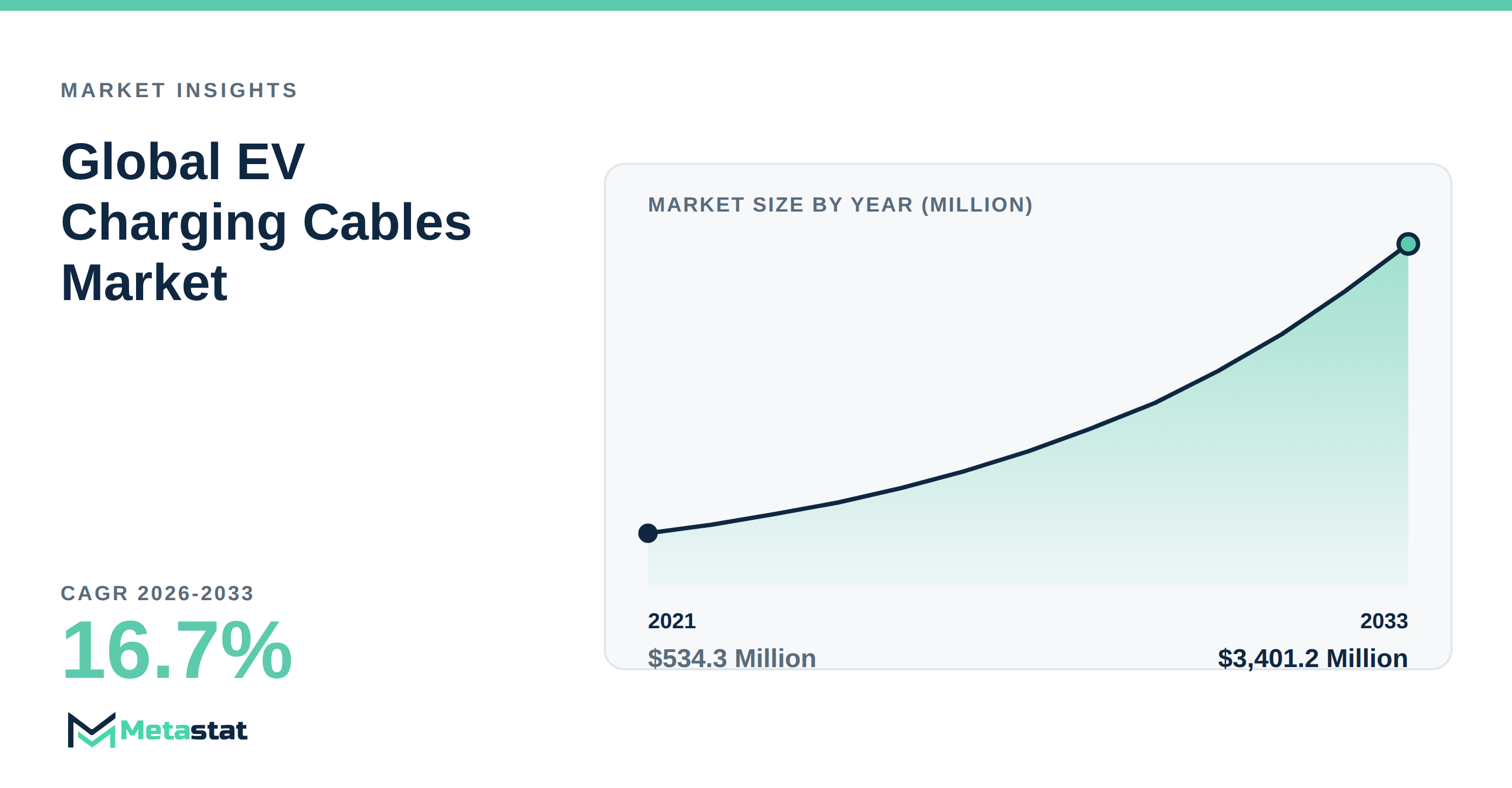
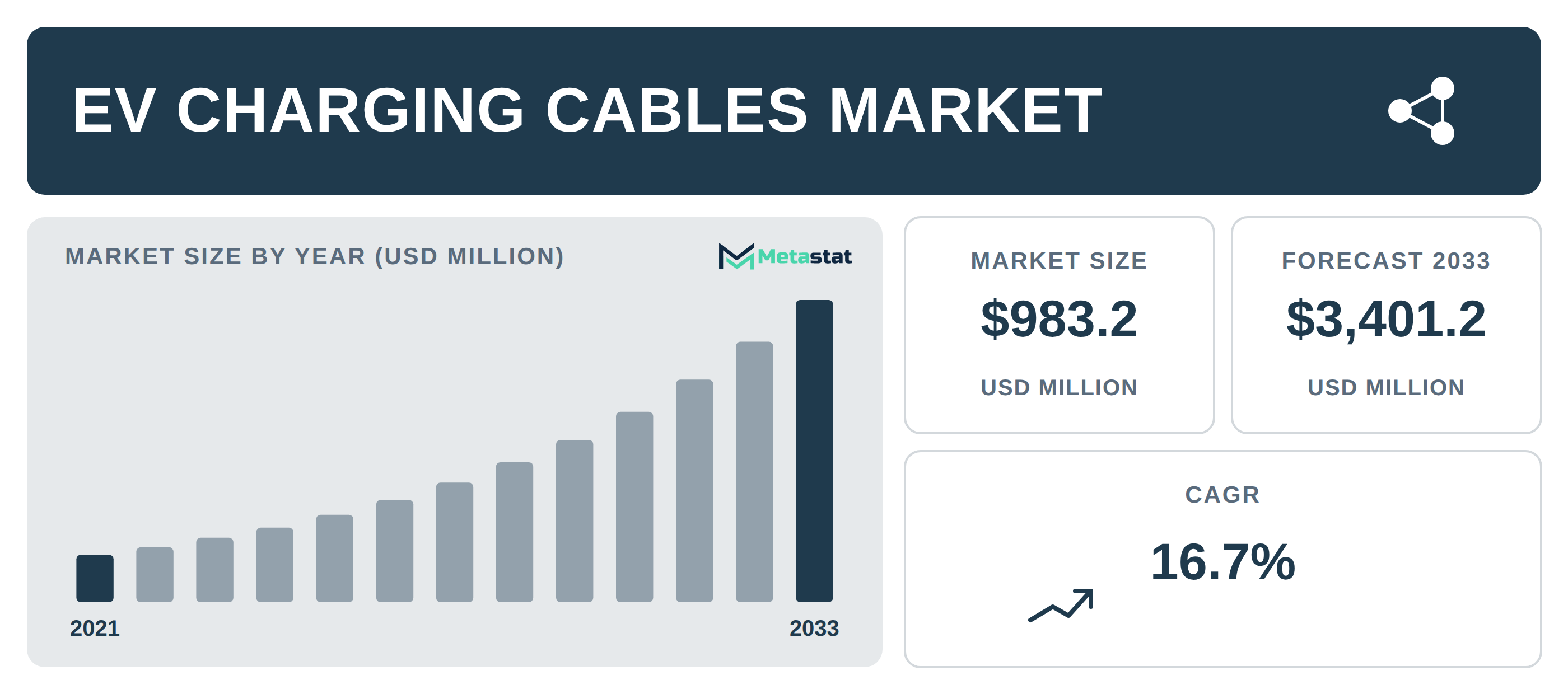
The market for EV Charging Cables is transforming, propelled by technological advancements and an increasing number of electric vehicles on the roads. This post highlights six key trends that are reshaping this market, providing insights for buyers and operators to refine their procurement strategies. The full figures are in our EV Charging Cables market size and forecast report.
1. Growing Adoption of Liquid-Cooled Cables
The rise in demand for liquid-cooled charging cables stems from their capacity to support higher power transfer rates essential for megawatt charging applications. This trend signifies a shift towards quicker charging systems, particularly in commercial environments where operational downtime incurs high costs. The value of liquid-cooled cables is anticipated to reach USD 1,078.5 million by 2033, reflecting an increasing commitment to high-performance charging infrastructure.
2. Importance of Compatibility with CCS, NACS, and GB/T Standards
Procurement strategies increasingly reflect a focus on cables that meet compatibility standards including CCS, NACS, and GB/T. This emphasis ensures that charging solutions serve a wide spectrum of electric vehicles. The strong demand projected for DC charging cables underlines how these standards facilitate efficient charging, crucial for operators seeking reliable supply chains and long-term partnerships.
3. Increasing Demand for Flexible Cables
Flexibility is becoming one of the most critical aspects of public charging stations within the EV Charging Cables sector. Cables that adapt easily to different vehicle types enhance the user experience by speeding up connection times. With public charging cable values projected to hit USD 1,946.9 million by 2033, this flexibility is essential for accommodating a diverse array of consumer needs in a rapidly growing market.
4. Replacement Cycles Affecting Operational Costs
Wear and tear necessitate regular replacement of charging cables in public settings, impacting total operational expenses for service providers. The anticipated growth in the public charging cable segment emphasizes the necessity for robust cable designs that endure frequent use. By utilizing high-quality, durable cables, operators lessen replacement expenses and increase reliability, which in turn builds consumer trust in public charging solutions.
5. Influence of Cable Length on Charging Efficiency
Cable length plays a vital role in determining charging efficiency, with shorter cables generally reducing energy loss during transmission. The segment for cables measuring below 5 meters is expected to expand, highlighting the increasing need for effective home charging solutions. By understanding how cable length impacts performance, buyers select the most suitable options, enhancing customer satisfaction and promoting the broader adoption of electric vehicles.
6. Technological Advancements Driving Performance Improvements
Recent innovations in cable materials and designs contribute significantly to the performance of EV Charging Cables. Suppliers are allocating resources to develop improved conductor technologies and insulation solutions that elevate energy efficiency and resistance to heat. These advancements are appealing to both manufacturers and end users, encouraging the uptake of more efficient charging systems while aligning with the overarching trend toward sustainability within the industry.
Overall, recognizing these trends is crucial for stakeholders in the EV Charging Cables sector. Understanding their implications enables buyers and operators to make informed decisions that align with evolving consumer expectations and the growing push for sustainable transport solutions.
Tags
About the Authors

LEAD ANALYST
Utkarsh Khirodkar is a Lead Market Research Analyst at MetaStat Insight, specializing in market intelligence, technology sector assessments, and competitive strategy.

ENERGY & INFRASTRUCTURE INDUSTRY CONSULTANT
Automotive and Transportation · Electronics and Semiconductor · Energy and Power · Machinery & Equipment
Saurabh Vasant Ganvir consults for Energy & Infrastructure Industry at MetaStat Insight, specializing in renewable energy, solar EPC, and electric vehicle (EV) infrastructure markets.