
Explore the pivotal trends reshaping the 2-Shot (2K) Injection Molding industry. Understand how these changes impact buyers and manufacturers alike.
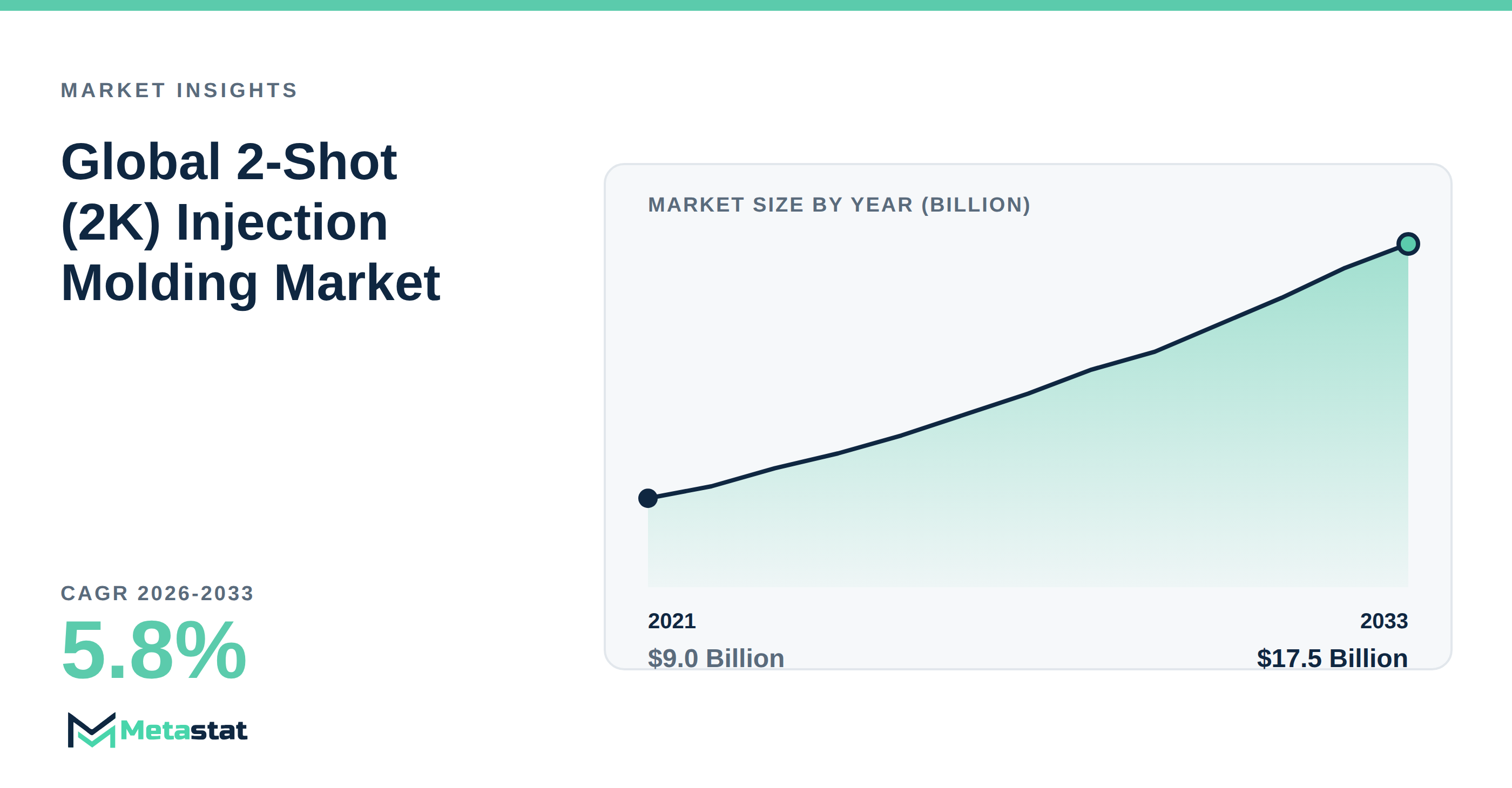
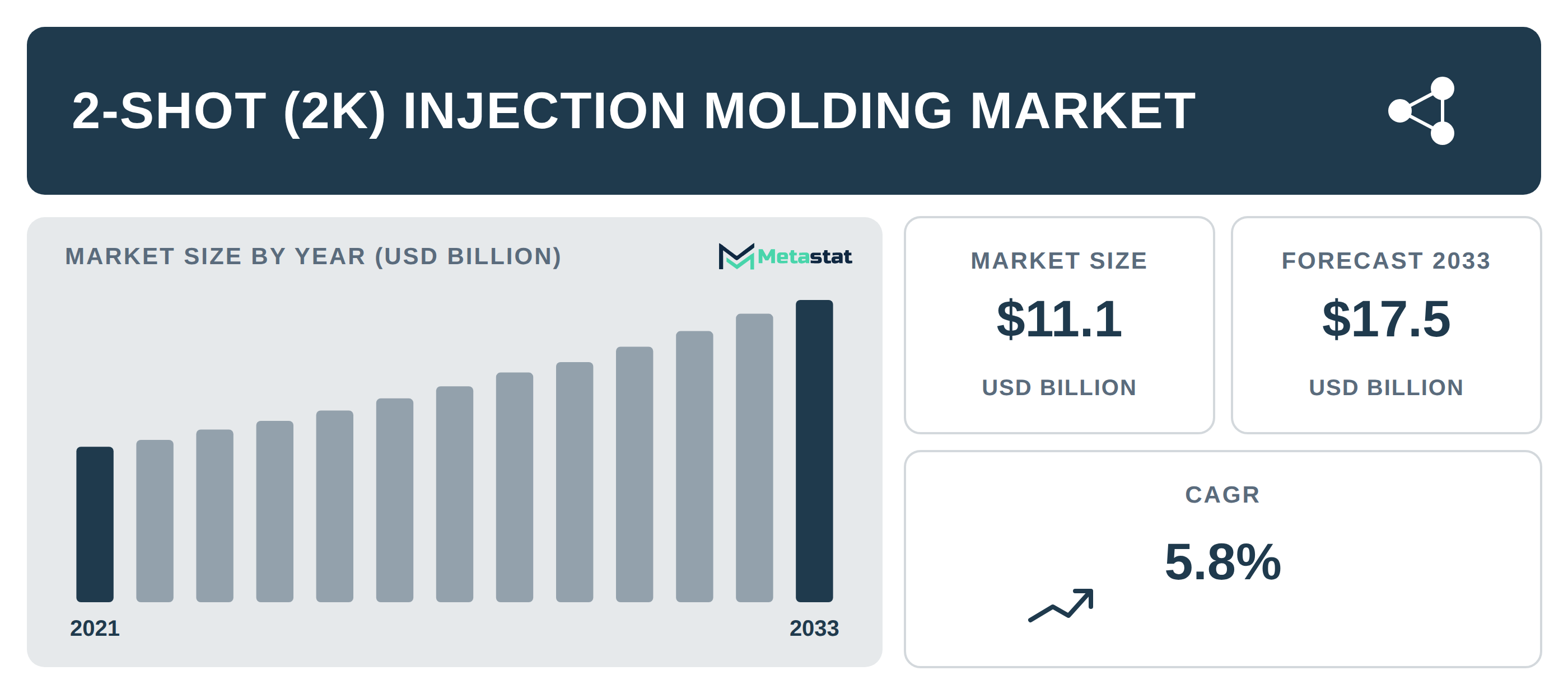
The evolving landscape of 2-Shot (2K) Injection Molding is shaped by several key trends that significantly impact demand and the strategies buyers adopt. Understanding these trends is crucial for manufacturers and suppliers aiming to maintain a competitive edge. This blog highlights six important trends that are transforming the dynamics of this sector. The full figures are in our 2-Shot (2K) Injection Molding market size and forecast report.
1. Demand for Lightweight Materials in Automotive Production
The automotive sector increasingly drives the need for lightweight, high-performance components. This shift is primarily fueled by manufacturers’ goals to improve fuel efficiency and reduce emissions. As automotive producers seek innovative solutions to comply with stricter regulations, 2-Shot (2K) Injection Molding becomes instrumental in producing complex parts that combine multiple materials, enhancing both functionality and performance. Buyers in this sector align their sourcing strategies to prioritize suppliers who deliver these advanced components efficiently.
2. Adoption of Advanced Robotics for Precision Manufacturing
Integrating robotics into the molding process enhances precision and efficiency, enabling manufacturers to keep pace with rising demand for high-quality components. Automation reduces cycle times and minimizes errors, ensuring consistent product quality. Buyers increasingly assess suppliers based on their technological capabilities, emphasizing the importance of advanced manufacturing techniques. This focus on precision improves production outcomes and encourages long-term partnerships between manufacturers and their suppliers.
3. Growth in Electrical and Electronics Components
The expanding market for electrical and electronics components reinforces the role of 2-Shot (2K) Injection Molding, particularly within sectors demanding high precision. Innovations in consumer electronics drive the need for durable and lightweight molded parts, with this segment projected to grow significantly. Buyers are aware of emerging technologies that influence component design and functionality, ensuring their procurement strategies reflect the latest advancements for a competitive edge.
4. Rising Costs of Traditional Resins Prompting Material Innovation
Escalating prices for traditional resins prompt manufacturers to explore alternative materials. While costs rise, suppliers face pressure to offer viable substitutes that meet performance and durability standards. This trend encourages innovation in material sourcing, leading to increased use of recycled and bio-based resins. Buyers should actively engage in discussions with suppliers about alternative materials, ensuring their procurement strategies remain cost-effective while meeting the evolving expectations of end-users.
5. Emphasis on Sustainability and Eco-Friendly Practices
Sustainability has become a critical factor in manufacturing processes, with consumers favoring eco-friendly products. The need for sustainable solutions is especially pronounced in packaging and automotive sectors, where producers face pressure to meet environmental standards. Buyers should prioritize partnerships with suppliers who demonstrate a commitment to sustainable practices and materials, as this trend aligns with consumer preferences and enhances brand reputation.
6. Technological Advancements in Smart Manufacturing
The integration of smart technologies including IoT in production processes transforms traditional molding practices. Real-time monitoring and data analysis lead to predictive maintenance, minimizing downtime and optimizing efficiency. Buyers are increasingly considering how suppliers adapt to these innovations, influencing procurement strategies. Companies that effectively implement smart manufacturing techniques expect improved operational costs and enhanced product quality, positioning them favorably in the competitive landscape.
Understanding these trends equips buyers and manufacturers with insights that guide their strategic decisions in the 2-Shot (2K) Injection Molding space. While the industry continues to evolve, adapting to these dynamics will be essential for achieving long-lasting success and encouraging innovation.
Tags
About the Authors

LEAD ANALYST
Utkarsh Khirodkar is a Lead Market Research Analyst at MetaStat Insight, specializing in market intelligence, technology sector assessments, and competitive strategy.

INDUSTRY CONSULTANT - CHEMICALS & ADVANCED MATERIALS
Chemicals and Materials · Machinery & Equipment · Packaging
Amit Gadhekar Consultant for Chemicals and Materials at MetaStat Insight, directing sector-specific intelligence, research, and strategic consulting across global chemical and processing markets.