
Explore essential questions to ask suppliers in the Forklift and Industrial Lift Truck market to enhance operational efficiency and sustainability.
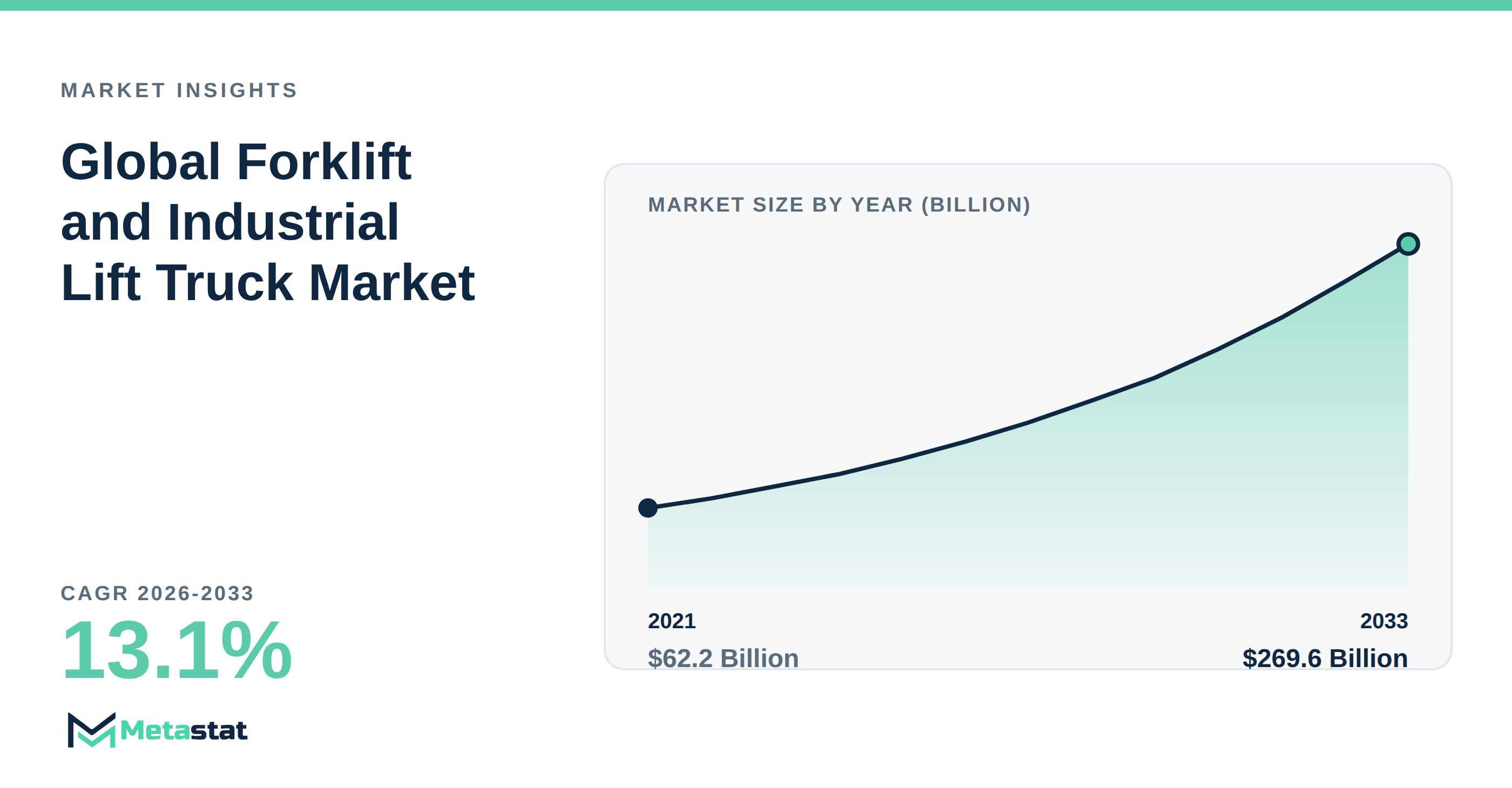
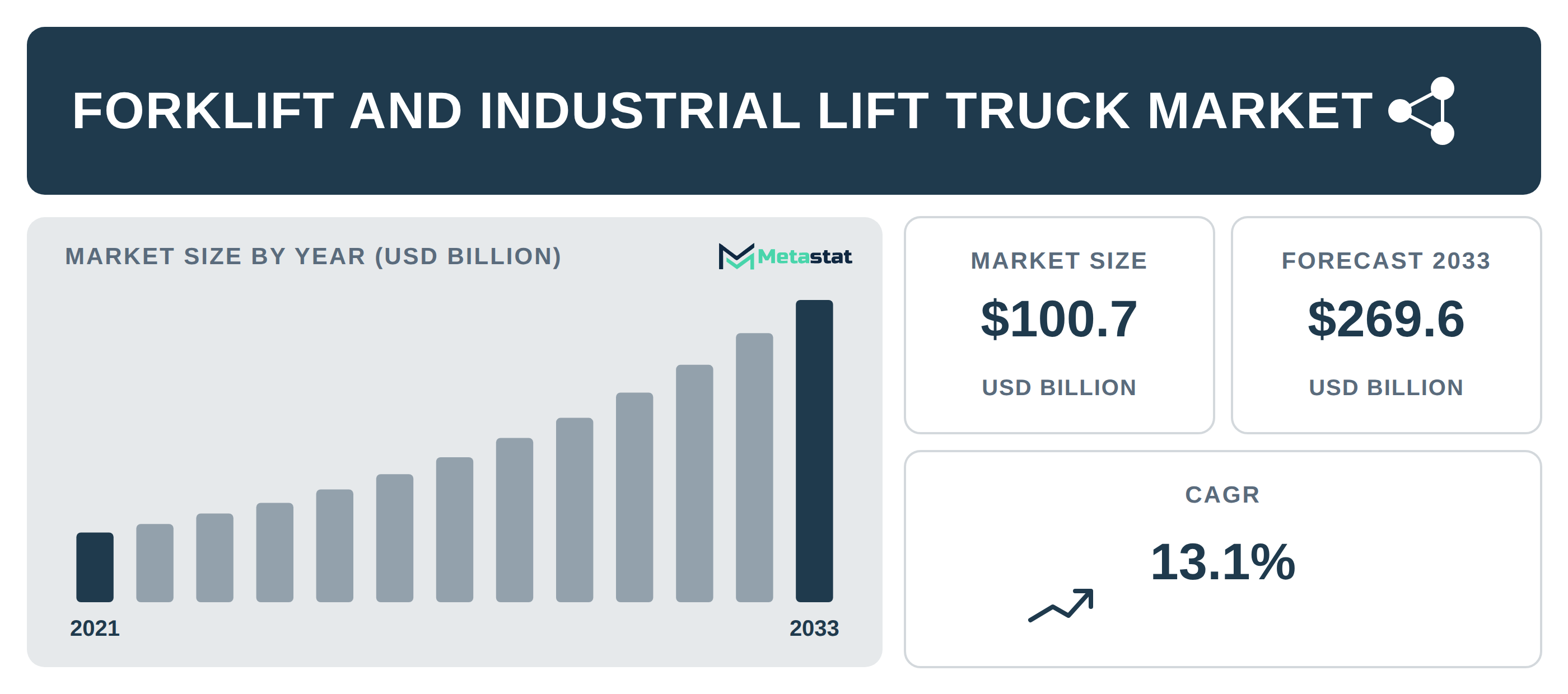
The market for Forklift and Industrial Lift Trucks is evolving rapidly, influenced by advancements in technology and shifting buyer preferences. For potential buyers looking to enhance their operations, asking the right questions to suppliers is essential. Below are six key questions that guide effective purchasing decisions. The full figures are in our Forklift and Industrial Lift Truck market size and forecast report.
1. How do your products support sustainability goals?
With increasing regulatory pressures and a global focus on sustainability, suppliers demonstrate how their equipment aligns with environmental objectives. Buyers should inquire about the use of lithium-ion batteries, which offer lower emissions compared to traditional diesel or lead-acid power sources. The rising demand for energy-efficient solutions necessitates an understanding of how a supplier's offerings contribute to sustainable practices, enhancing corporate responsibility and improving brand image when marketed to eco-conscious clients.
2. What is the total cost of ownership for your forklifts?
Buyers comprehend the total cost of ownership (TCO) associated with various forklift options. Electric forklifts generally present lower operational costs due to reduced maintenance and energy expenses. The market for lead-acid battery electric forklifts is poised for growth, indicating their cost-effectiveness. Engaging suppliers on TCO helps buyers manage budgets effectively, allowing for more accurate forecasting of long-term expenses while selecting the most financially viable options.
3. How do your forklifts enhance operational efficiency?
Inquiring about specific features that improve operational efficiency provides insights into a supplier's product innovation. For instance, reach trucks and powered pallet stackers are increasingly adopted due to their ability to maximize storage in high-density warehouses. Suppliers should provide evidence of how their equipment streamlines material handling processes and increases productivity within buyers' operations, which is essential in a competitive market environment.
4. What financing options do you offer for equipment acquisition?
Understanding financing options simplifies the procurement process, particularly for buyers managing fluctuating market conditions. Many businesses favor rental and fleet leasing models to optimize their costs. Suppliers offering flexible financing solutions attract more customers, as these options allow organizations to maintain modern fleets without substantial upfront investments. This flexibility aids buyers in adapting to seasonal demands and managing their cash flow effectively.
5. How do you support technological advancements in your products?
With rapid technological changes impacting the market, buyers should inquire about how suppliers adapt to innovations. For instance, suppliers investing in lithium-ion technology enhance battery life and reduce downtime for charging. Engaging with suppliers about their commitment to research and development provides buyers confidence in their investment, ensuring they are equipped with the latest technology that aligns with trends toward automation and efficiency.
6. What are the trends you see in the Forklift and Industrial Lift Truck industry?
Finally, buyers should ask suppliers about emerging trends in the Forklift and Industrial Lift Truck sector. Understanding market dynamics including increasing demand for automation, high-density warehousing, and shifts toward electric models guide purchasing decisions. Suppliers who stay ahead of these trends demonstrate their capability to address future challenges and opportunities, assuring buyers they are investing in equipment that is future-proof and aligned with industry needs.
By asking these questions, buyers make informed decisions when selecting Forklift and Industrial Lift Truck suppliers. These inquiries not only reflect a buyer's strategic goals but facilitate a deeper understanding of how suppliers meet their operational requirements effectively.
Tags
About the Authors

LEAD ANALYST
Utkarsh Khirodkar is a Lead Market Research Analyst at MetaStat Insight, specializing in market intelligence, technology sector assessments, and competitive strategy.

INDUSTRY CONSULTANT - CHEMICALS & ADVANCED MATERIALS
Chemicals and Materials · Machinery & Equipment · Packaging
Amit Gadhekar Consultant for Chemicals and Materials at MetaStat Insight, directing sector-specific intelligence, research, and strategic consulting across global chemical and processing markets.

PRINCIPAL CONSULTANT - QUALITY SYSTEMS & COMPLIANCE
Electronics and Semiconductor · Machinery & Equipment · Professional Services
Omkar Phadtare is an Industry Consultant at MetaStat Insight, specializing in quality systems, regulatory compliance, and standards benchmarking to drive data-driven market intelligence and strategic industry research.

ENERGY & INFRASTRUCTURE INDUSTRY CONSULTANT
Automotive and Transportation · Electronics and Semiconductor · Energy and Power · Machinery & Equipment
Saurabh Vasant Ganvir consults for Energy & Infrastructure Industry at MetaStat Insight, specializing in renewable energy, solar EPC, and electric vehicle (EV) infrastructure markets.

LEAD CONSULTANT - COMMUNICATION, TELECOM, AND IT
Electronics and Semiconductor · Information & Technology · Machinery & Equipment · Professional Services
Ravindra Sathe Consultants for Communication, Telecom, and IT at MetaStat Insight. He leads the firm's industry research initiatives across telecommunications infrastructure, digital connectivity, enterprise networking, and emerging information technology domains.