
Explore the essential questions that buyers ask HTML5 Games suppliers to ensure optimal gaming experiences and successful partnerships.
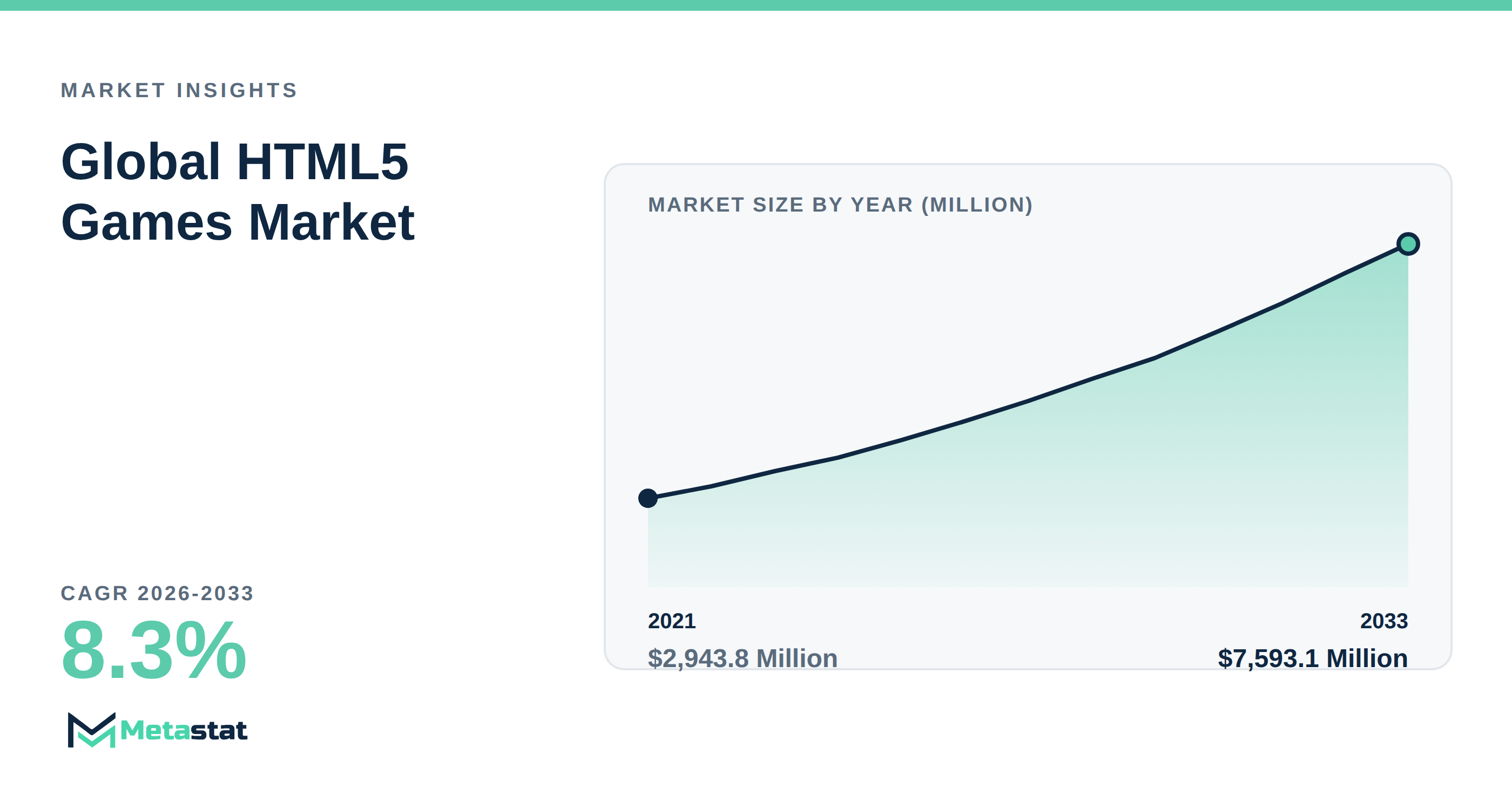
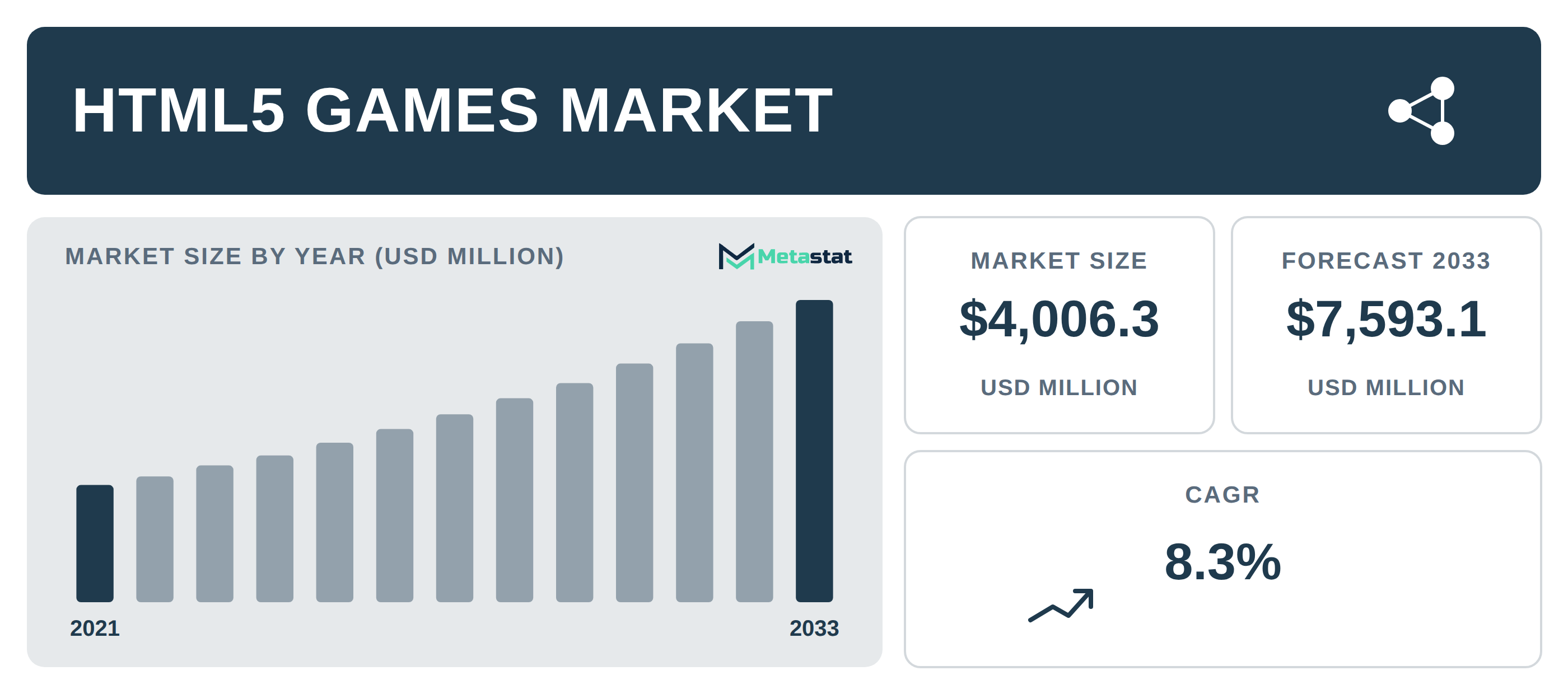
The demand for interactive gaming experiences continues to rise, making it essential for buyers to engage with HTML5 Games suppliers effectively. Understanding suppliers' capabilities and offerings significantly enhances the gaming experience and ensures that buyers meet user expectations in this evolving environment. Are six critical questions that buyers should ask suppliers. The full figures are in our HTML5 Games market size and forecast report.
1. How do you optimize games for mobile devices?
With mobile devices generating substantial revenue within the sector for HTML5 Games, suppliers should demonstrate their strategies for optimizing games for performance on smartphones and tablets. Buyers should inquire about techniques to ensure fast loading times, smooth gameplay, and compatibility with various mobile operating systems. A supplier's commitment to mobile optimization indicates their understanding of current player preferences, which increasingly lean toward accessibility and user-friendly experiences. This focus leads to improved user retention and satisfaction.
2. What monetization strategies do you implement?
Understanding how suppliers monetize their games is crucial for buyers seeking profitable partnerships. Buyers should ask about the revenue models used, including in-game purchases, subscriptions, and in-game advertising. With in-game purchases projected to generate USD 3,091.9 million by 2033, insights into successful monetization strategies help buyers maximize revenue potential while maintaining user engagement. Effective monetization approaches directly contribute to sustainability and long-term success of the games.
3. How do you incorporate player feedback into game development?
Suppliers that actively seek and implement player feedback into their game development processes demonstrate a commitment to continuous improvement. Buyers should explore how suppliers gather user insights and adapt to changing player preferences. This adaptive approach leads to enhanced gameplay experiences and increased user retention, which is vital in a competitive market. Understanding a supplier's feedback mechanisms provides buyers confidence in their ability to deliver quality gaming experiences.
4. What technologies do you leverage to enhance gaming experiences?
Incorporating advanced technologies including augmented reality and artificial intelligence significantly improves gaming experiences. Buyers should ask suppliers about their use of innovative technologies to enhance gameplay, graphics, and overall user engagement. Knowledge of these technologies shows a supplier’s ability to stay ahead of trends and meet evolving consumer demands, ultimately leading to richer and more immersive gaming experiences for players.
5. How do you ensure a diverse range of game genres?
Offering a broad spectrum of game genres helps suppliers cater to a wider audience, enhancing engagement across different player segments. Buyers should inquire about the genres that suppliers focus on and their strategies for diversifying offerings to attract various demographics. For instance, the growing popularity of strategy games highlights the importance of catering to diverse player interests. A supplier’s adaptability in genre offerings signifies their capability to attract and retain users.
6. What partnerships do you have to enhance content accessibility?
Strategic partnerships play a vital role in expanding content availability and enhancing user experiences. Buyers should ask suppliers about their collaborations with other companies, including those focusing on distribution channels or technology enhancements. These partnerships improve the reach of games and ensure that the content is accessible across multiple platforms, encouraging broader adoption and engagement from players.
Asking these questions equips buyers with valuable insights into HTML5 Games suppliers, ensuring informed decisions that lead to enhanced gaming experiences. Understanding how suppliers operate and what they prioritize helps buyers navigate the changing landscape of interactive gaming.
Tags
About the Authors

LEAD ANALYST
Utkarsh Khirodkar is a Lead Market Research Analyst at MetaStat Insight, specializing in market intelligence, technology sector assessments, and competitive strategy.

PRINCIPAL CONSULTANT - ENTERPRISE AI & EMERGING TECHNOLOGIES
Banking & Finance · Electronics and Semiconductor · Energy and Power · Healthcare IT · Information & Technology · Professional Services
Vijay Gunti is a Principal Consultant at MetaStat Insight, bringing over two decades of experience across enterprise digital transformation, technology strategy, and intelligent systems.

LEAD CONSULTANT - COMMUNICATION, TELECOM, AND IT
Electronics and Semiconductor · Information & Technology · Machinery & Equipment · Professional Services
Ravindra Sathe Consultants for Communication, Telecom, and IT at MetaStat Insight. He leads the firm's industry research initiatives across telecommunications infrastructure, digital connectivity, enterprise networking, and emerging information technology domains.