
Discover the key trends reshaping the market for Sheepskin Boots and what they mean for buyers and operators in the footwear industry.
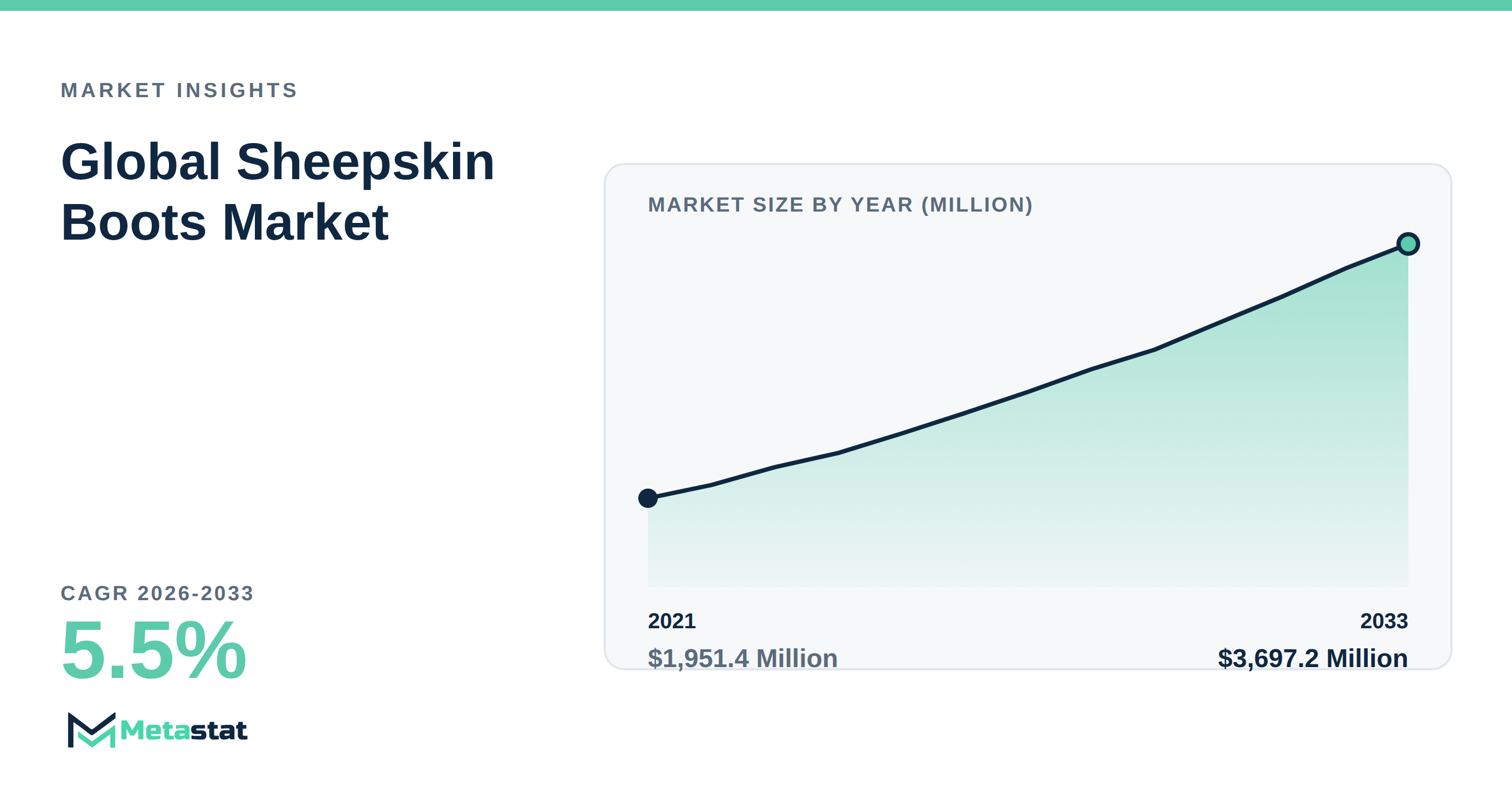
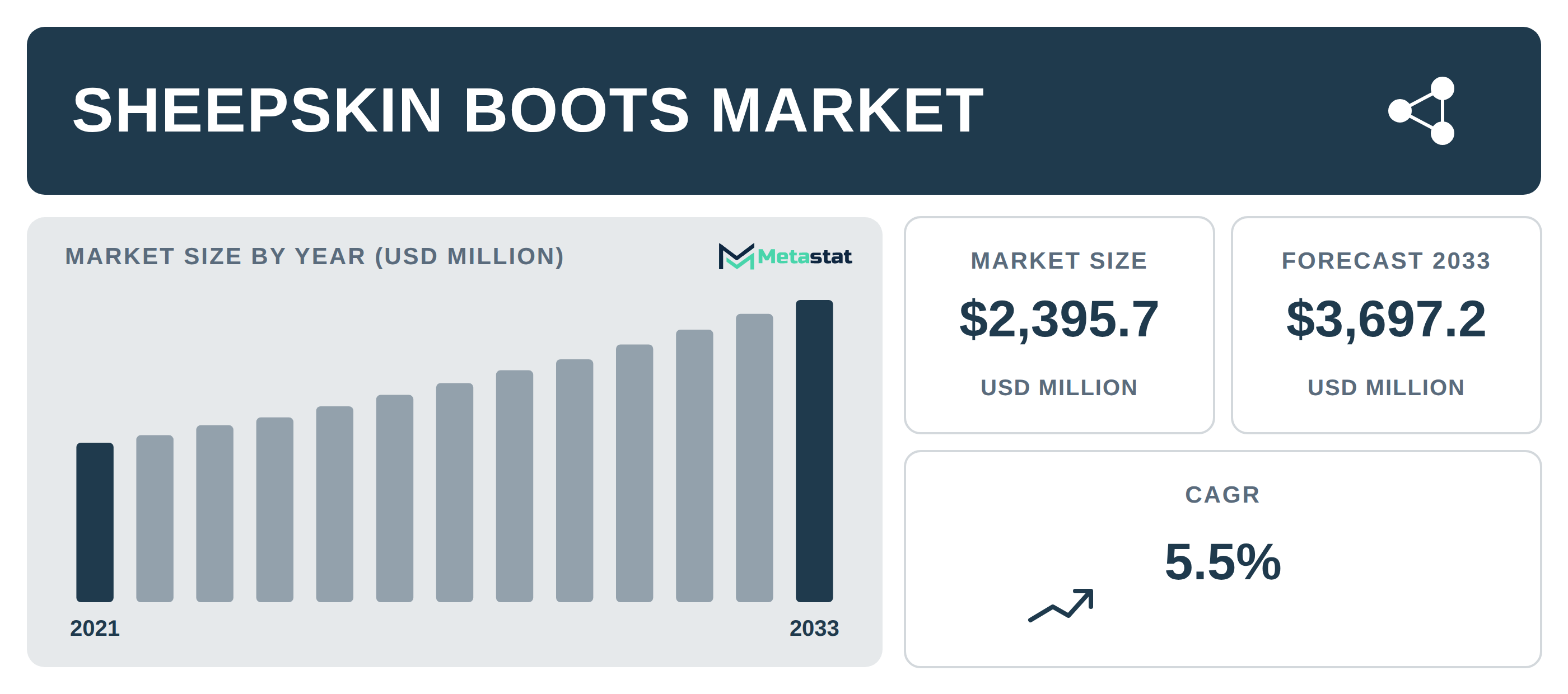
The market for Sheepskin Boots is experiencing significant changes that influence consumer buying behavior. Understanding these trends is essential for buyers and operators in the footwear industry, particularly those focused on maximizing their appeal in a competitive landscape. This blog highlights six key trends that are shaping demand for Sheepskin Boots as they align with contemporary consumer preferences. The full figures are in our Sheepskin Boots market size and forecast report.
1. Mini and platform styles cater to fashion-forward consumers
The rising popularity of mini and platform sheepskin boots reflects a shift towards stylish yet comfortable footwear. This trend stems from a desire for versatility in everyday wear, appealing to consumers who prioritize both fashion and functionality. Sales for ankle and mini styles are projected to increase significantly, showcasing the demand for designs that merge aesthetic appeal with practicality. Buyers expect a wider variety of options that meet both comfort and style criteria, positioning brands that cater to these preferences for increased sales.
2. Twinface sheepskin and shearling linings enhance appeal
Growing consumer interest in Twinface sheepskin showcases its unique fusion of aesthetic and functional advantages. Known for its plush texture and insulation properties, this material attracts buyers focused on quality. The anticipated increase in demand for footwear featuring shearling linings highlights a trend towards luxurious materials that provide warmth during colder months. Understanding these material preferences allows retailers to align their product offerings with consumer expectations, ultimately enhancing appeal.
3. E-commerce channels drive purchasing decisions
The transition towards online shopping significantly alters how consumers acquire sheepskin boots. With substantial growth projected for online sales, brands are revisiting their distribution strategies to connect with a wider consumer base. This trend emphasizes the need for retailers to bolster their digital presence, streamline logistics, and enhance customer experiences. Buyers should explore partnerships with e-commerce platforms to capitalize on the increasing demand for convenience and product variety.
4. Women's demand shapes style and functionality
The segment for women's sheepskin boots demonstrates notable growth, as female consumers increasingly pursue fashionable and functional choices. This demographic influences sales through preferences for quality materials and versatile designs, impacting competition among brands. Retailers should concentrate on styles tailored to this audience, as the focus on comfort and aesthetics presents a substantial business opportunity. Recognizing women's fashion trends help guide inventory decisions and marketing strategies.
5. Sustainable practices influence buyer behavior
Growing awareness of sustainability is reshaping consumer preferences in the market for Sheepskin Boots. Buyers are gravitating towards brands that emphasize eco-friendly materials and ethical production practices. This trend enhances a brand's appeal while cultivating loyalty among environmentally conscious consumers. Retailers leverage this shift by showcasing their sustainable practices in marketing efforts, ensuring alignment with evolving consumer values and preferences.
6. Price sensitivity impacts purchasing decisions
The high price point of sheepskin boots limits demand among budget-conscious consumers, particularly in the children's segment. Many families seek more affordable alternatives, which slow the uptake of premium offerings. This price sensitivity leads to smaller orders and delayed purchases, especially during economic downturns. Retailers balance quality and affordability to enhance market penetration, ensuring they cater to both value-driven and quality-seeking shoppers.
By staying attuned to these trends, buyers and operators in the sheepskin boots industry makes informed decisions to adapt to evolving consumer expectations. Understanding these dynamics not only enhances competitiveness but strengthens the overall position in the market.
Tags
About the Author

LEAD ANALYST
Utkarsh Khirodkar is a Lead Market Research Analyst at MetaStat Insight, specializing in market intelligence, technology sector assessments, and competitive strategy.