
Explore the emerging trends in India Wet Wire Drawing Lubricants, including rising demand from the automotive sector and the shift towards synthetic solutions.
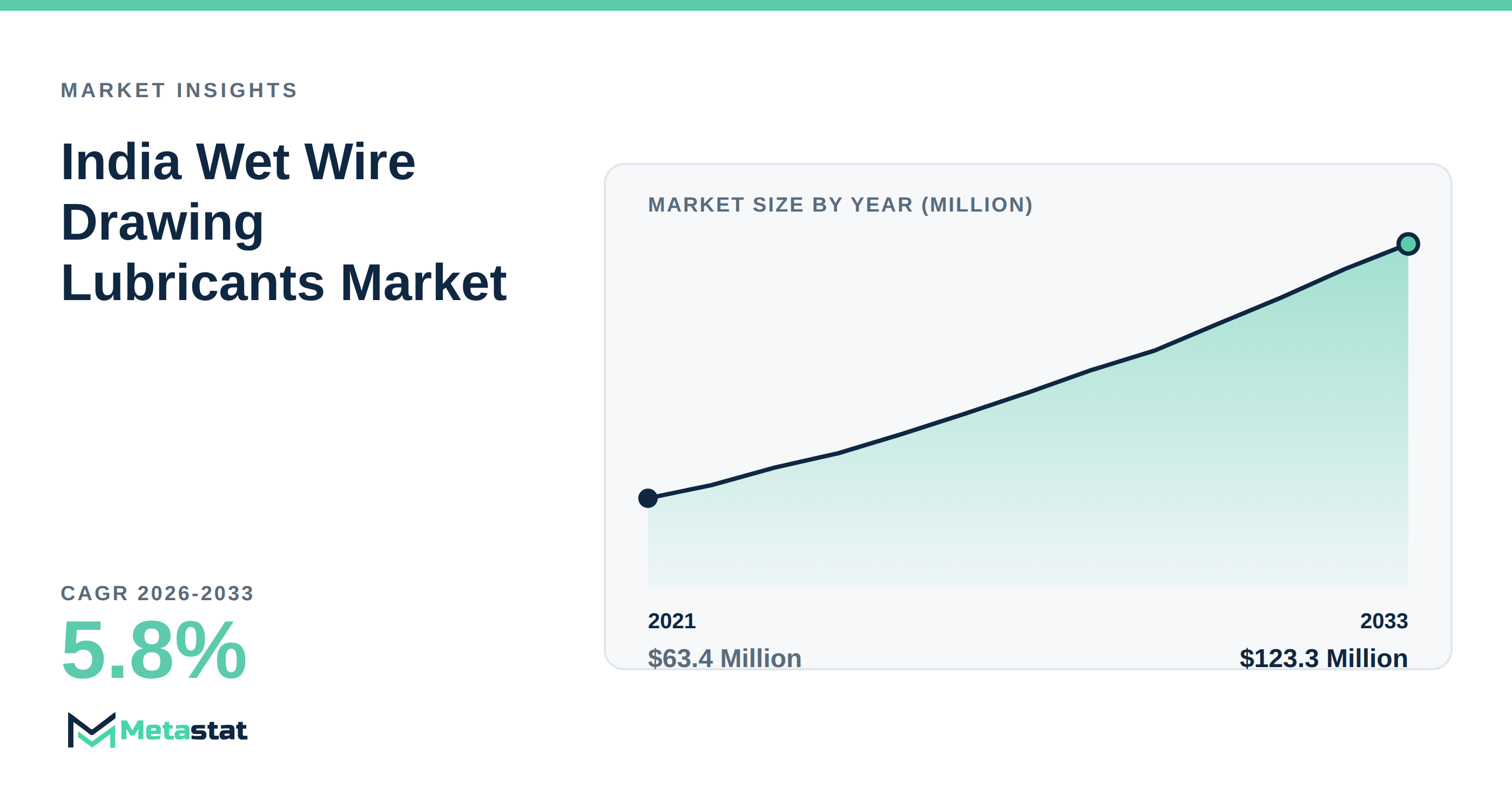
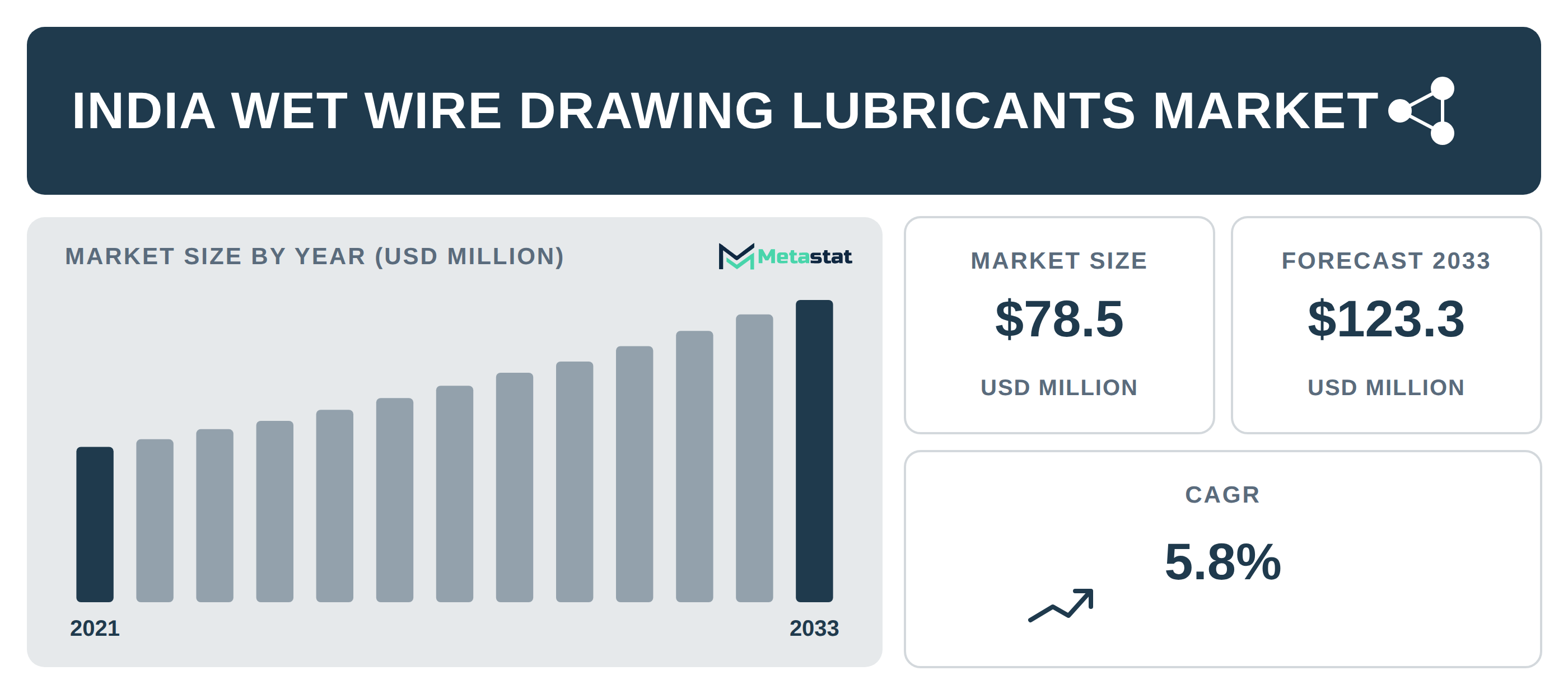
The landscape for India Wet Wire Drawing Lubricants is changing significantly, influenced by various demand factors and evolving buyer preferences. Understanding these trends is essential for manufacturers and suppliers aiming to optimize their offerings and maintain a competitive advantage. For a deeper dive into the India Wet Wire Drawing Lubricants market size and forecast report, visit our detailed analysis. The full figures are in our India Wet Wire Drawing Lubricants market size and forecast report.
1. Increasing Demand from Automotive Manufacturing
The automotive sector drives demand for high-performance wire drawing lubricants. While the automotive industry expands, manufacturers increasingly prioritize quality lubricants that enhance production efficiency and product quality. This trend emphasizes the importance of specialized lubricant solutions, leading to increased investments in superior formulations designed to meet rigorous industry standards. The continuous growth in vehicle production necessitates reliable lubricant options, making it essential for suppliers to adapt their product lines accordingly.
2. Shift Towards Synthetic Lubricants
Synthetic lubricants are becoming more prevalent in wire drawing processes due to their remarkable performance characteristics. The movement towards these advanced formulations arises from their excellent lubricity and thermal stability, which enhance production efficiency. This shift not only supports operational excellence but positions manufacturers competitively in an increasingly demanding marketplace. The anticipated rise in synthetic lubricant adoption, expected to reach USD 49.7 million by 2033, signals a strategic focus on materials that meet performance and environmental standards.
3. Price Sensitivity in Purchasing Decisions
Price sensitivity remains a critical factor for buyers in the market. Many manufacturers, especially in the automotive and tyre sectors, encounter budget constraints that influence their lubricant selections. This focus on cost management leads to a growing preference for lower-priced alternatives, which hinder the adoption of high-performance lubricants. Suppliers are addressing this challenge by demonstrating the long-term savings and enhanced efficiencies associated with premium lubricant options.
4. Rising Raw Material Costs
Raw material costs significantly affect profitability within the lubricant supply chain. Fluctuating prices for essential inputs compel suppliers to reassess pricing strategies and explore alternative formulations to maintain competitiveness. This situation emphasizes the need for manufacturers to remain agile in their procurement processes, ensuring access to high-quality materials without sacrificing product performance. Maintaining strong supplier relationships help mitigate the impact of raw material fluctuations.
5. Growth of the Polymer-Based Lubricants Segment
Polymer-based lubricants are gaining traction within the sector, driven by increasing demand for efficient lubrication solutions across various applications. This segment attracts manufacturers who prioritize performance enhancement and reduced environmental impact. As sustainability takes precedence, the adoption of polymer-based products is projected to rise, offering fresh opportunities for suppliers to innovate. The expected growth from USD 15.7 million in 2026 to USD 24.5 million by 2033 underscores the increasing importance of this segment.
6. Evolving Distribution Channels
The distribution framework for lubricants is shifting, with a notable trend towards direct sales. Manufacturers increasingly engage with suppliers directly to procure quality products tailored to their specific requirements. This evolution highlights the significance of personalized service and relationship-building in the procurement process, enhancing market access for suppliers while addressing the changing demands of end-users. The expected growth of the Direct Sales channel to USD 68.7 million by 2033 reflects this preference for direct engagement.
The trends reshaping the market for India Wet Wire Drawing Lubricants underscore the importance of adaptability and strategic investment. By recognizing and responding to these dynamics, manufacturers and suppliers effectively meet the evolving demands of the industry.
Tags
About the Authors

LEAD ANALYST
Utkarsh Khirodkar is a Lead Market Research Analyst at MetaStat Insight, specializing in market intelligence, technology sector assessments, and competitive strategy.

INDUSTRY CONSULTANT - CHEMICALS & ADVANCED MATERIALS
Chemicals and Materials · Machinery & Equipment · Packaging
Amit Gadhekar Consultant for Chemicals and Materials at MetaStat Insight, directing sector-specific intelligence, research, and strategic consulting across global chemical and processing markets.