
Explore the evolving trends in Anti-Decubitus Dynamic Mattresses, highlighting crucial factors influencing purchase decisions and enhancing patient care.
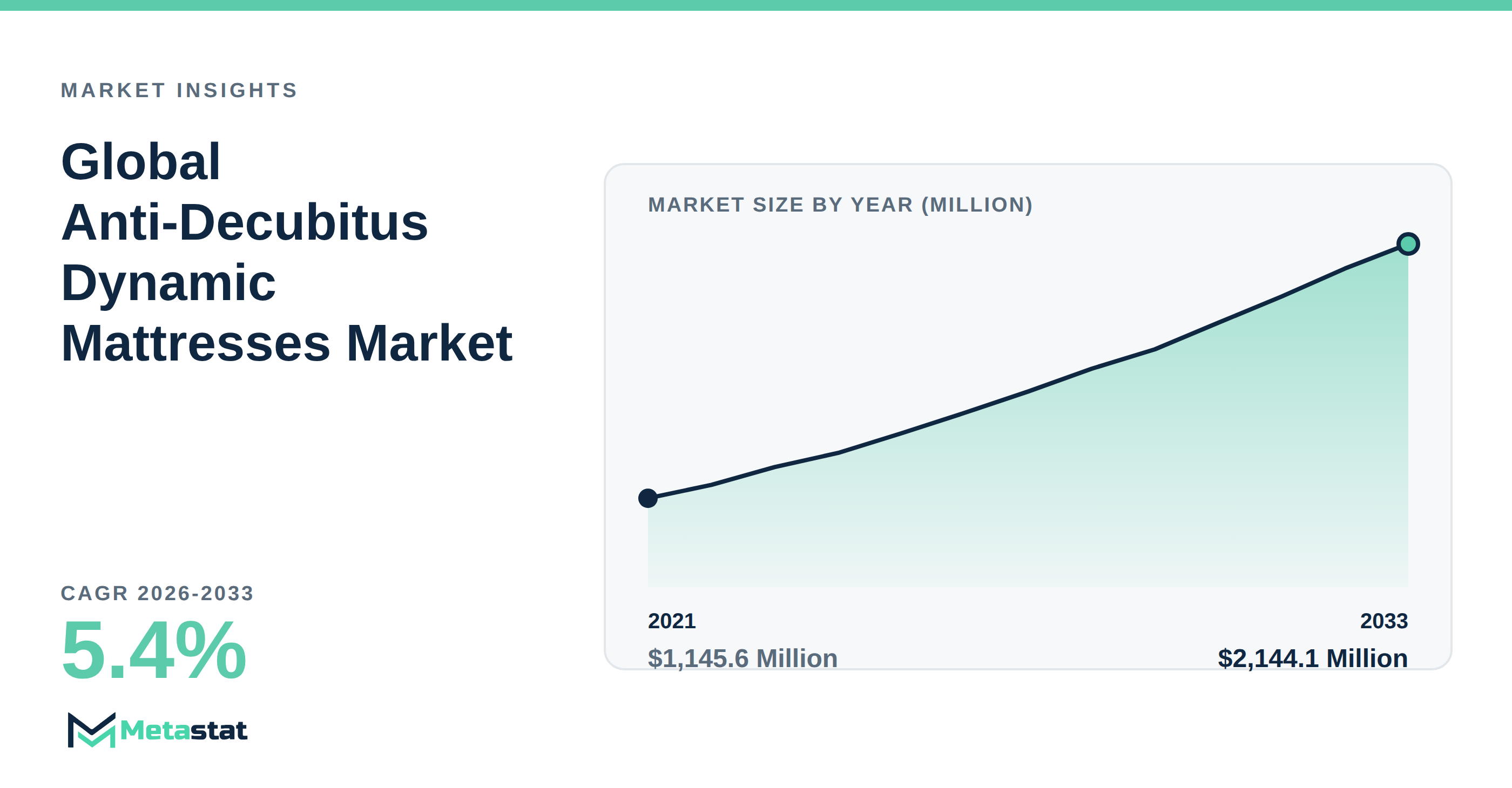
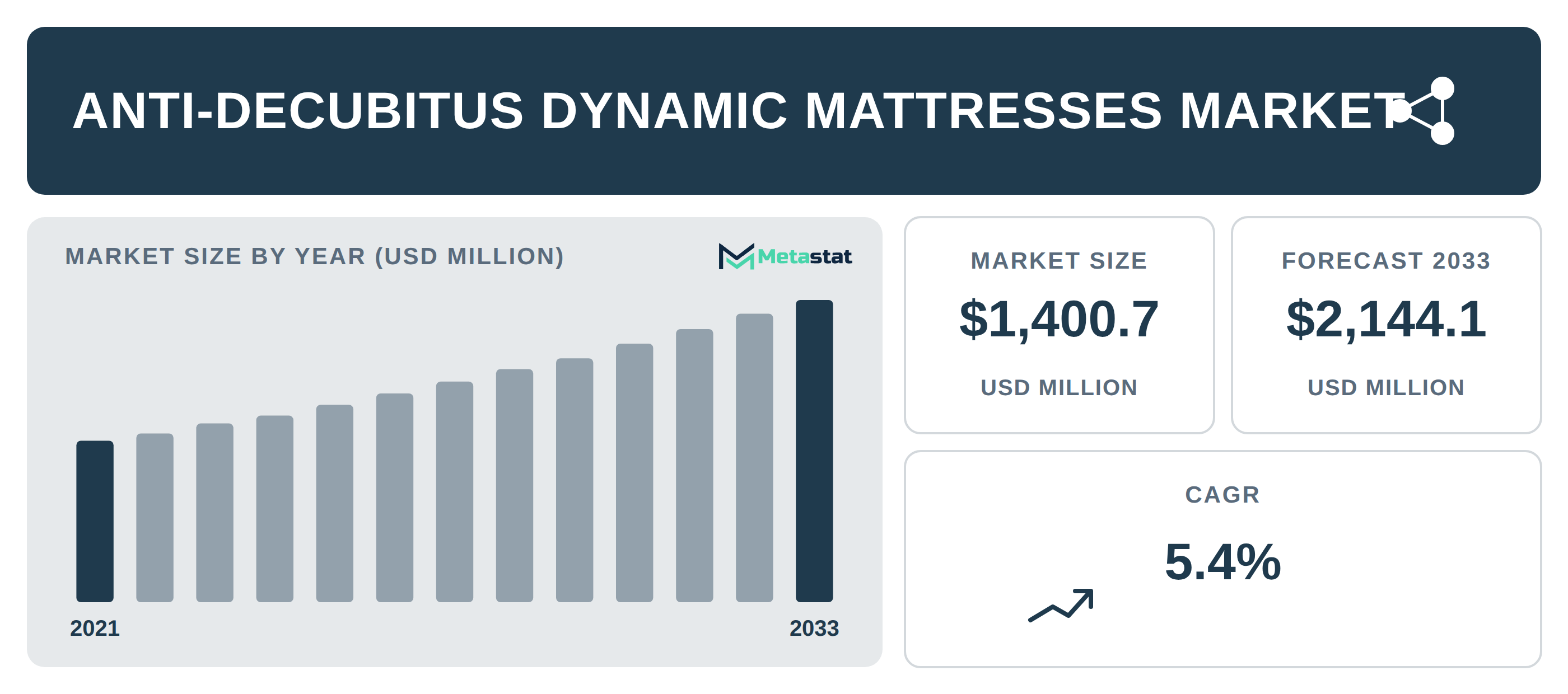
As health systems evolve, the demand for specialized products in patient care changes significantly. The market for Anti-Decubitus Dynamic Mattresses is shifting markedly, influenced by various factors. Understanding these trends is crucial for buyers aiming to enhance patient care while managing costs effectively. This piece highlights six trends reshaping the market for Anti-Decubitus Dynamic Mattresses. The full figures are in our Anti-Decubitus Dynamic Mattresses market size and forecast report.
1. Increasing focus on pressure injury prevention
A growing awareness of pressure injury prevention among healthcare providers significantly drives the demand for Anti-Decubitus Dynamic Mattresses. Facilities, especially hospitals and long-term care homes, prioritize patient safety to reduce risks of skin breakdown. This shift prompts investments in innovative mattress technologies that enhance patient comfort and improve care effectiveness, ultimately leading to better clinical results.
2. Technological advancements enhance mattress performance
Innovations in material science and mattress design are reshaping the effectiveness of dynamic mattresses. New technologies allow for better weight distribution and real-time monitoring of patient conditions, enabling personalized care. These enhancements not only lead to improved patient outcomes but support healthcare facilities in adapting to new care protocols, enhancing their competitive position in the market.
3. Growing demand for low-air-loss systems
The low-air-loss segment is experiencing significant growth, reflecting its effectiveness in maintaining skin integrity for at-risk populations. By 2033, this segment is projected to reach USD 535.2 million, driven by the need for improved comfort and patient safety. The emphasis on these systems represents a strategic investment in long-term patient care strategies, influencing purchasing decisions across various healthcare settings.
4. Price sensitivity limits adoption rates
Price sensitivity among buyers, particularly in long-term care facilities and home healthcare, presents challenges for the adoption of advanced mattress technologies. Budget constraints often lead to postponed purchases or a preference for lower-cost alternatives. Understanding these financial dynamics is essential for suppliers aiming to attract budget-conscious buyers while justifying the value of their products through demonstrated clinical outcomes.
5. Hybrid support surfaces drive therapy advancements
Hybrid mattresses that combine air and foam technologies are gaining traction in long-term care facilities. Projected to reach USD 457.3 million by 2033, these systems provide tailored support that adapts to patients’ needs. This trend emphasizes the necessity for innovative solutions that address the specific requirements of diverse patient populations, enhancing care quality and operational efficiencies.
6. Evolving procurement channels for mattress acquisition
The methods by which healthcare providers procure Anti-Decubitus Dynamic Mattresses are evolving. Direct manufacturer contracts, medical equipment distributors, and online medical supply platforms represent diverse avenues for acquiring these products. The increasing adoption of digital channels reflects a shift in purchasing behaviors, allowing facilities to access competitive pricing and streamline procurement processes. Understanding these evolving procurement strategies enables healthcare organizations to optimize their purchasing decisions.
While the market for Anti-Decubitus Dynamic Mattresses evolves, these trends highlight crucial shifts influencing purchasing decisions, driving innovation, and improving patient care outcomes. Understanding these dynamics equips healthcare providers and stakeholders to make informed decisions that enhance both patient comfort and operational effectiveness.
Tags
About the Authors

LEAD ANALYST
Utkarsh Khirodkar is a Lead Market Research Analyst at MetaStat Insight, specializing in market intelligence, technology sector assessments, and competitive strategy.

LEAD PRINCIPAL ANALYST, PHARMA AND HEALTHCARE
Food and Beverages · Healthcare · Healthcare IT · Medical Devices
Ajay Devgire is the Lead Healthcare Analyst at MetaStat Insight, leading strategic research and market intelligence initiatives across the global healthcare domain.

SENIOR RESEARCH ANALYST
Biotechnology · Food and Beverages · Medical Devices · Packaging
Snehal Pasalkar is a Research Analyst at MetaStat Insight, operating at the intersection of life sciences research, competitive strategy, and market intelligence.