
Explore essential questions buyers should ask Bubble Tea suppliers to ensure quality and adaptability in their offerings.
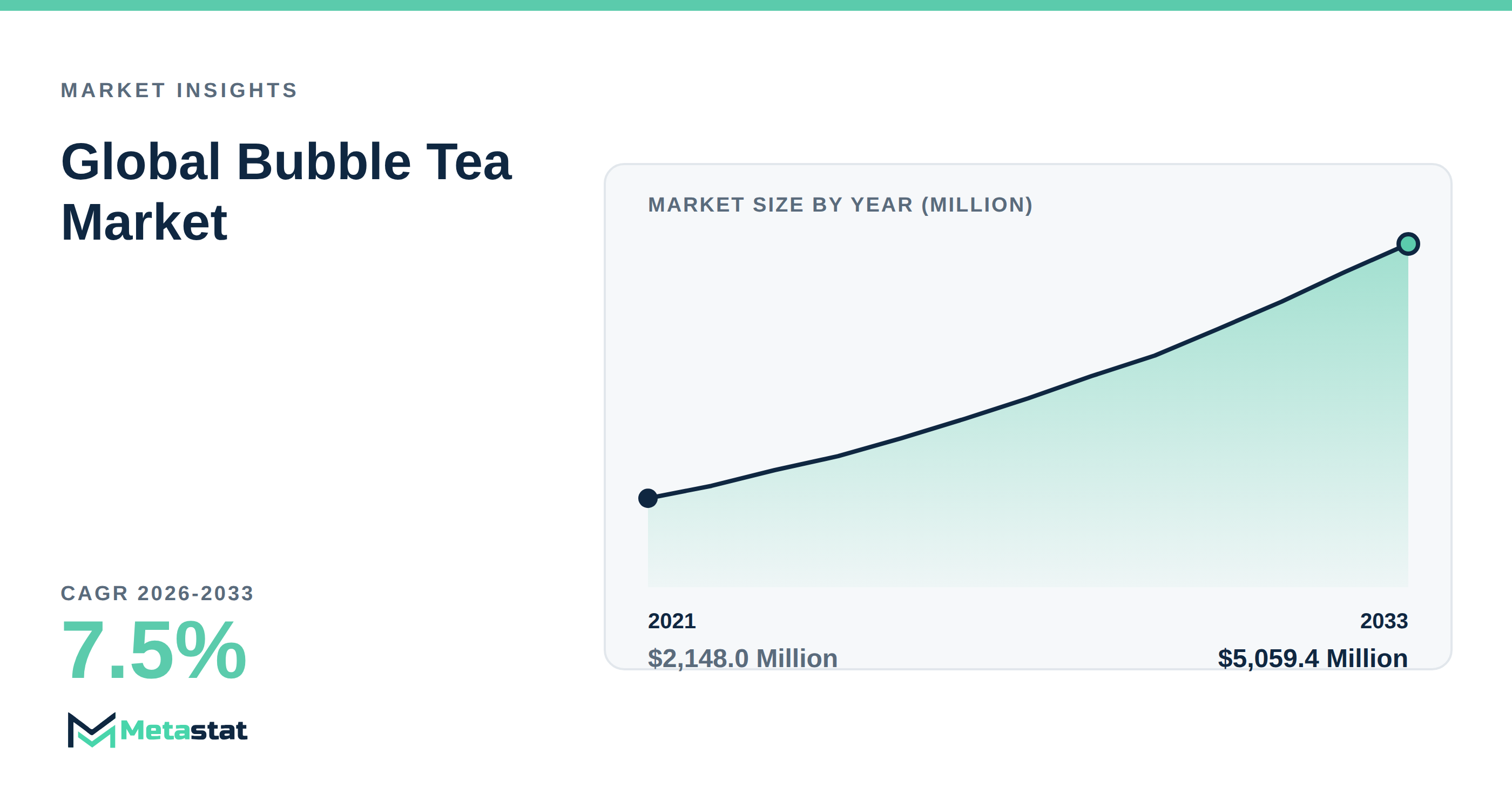
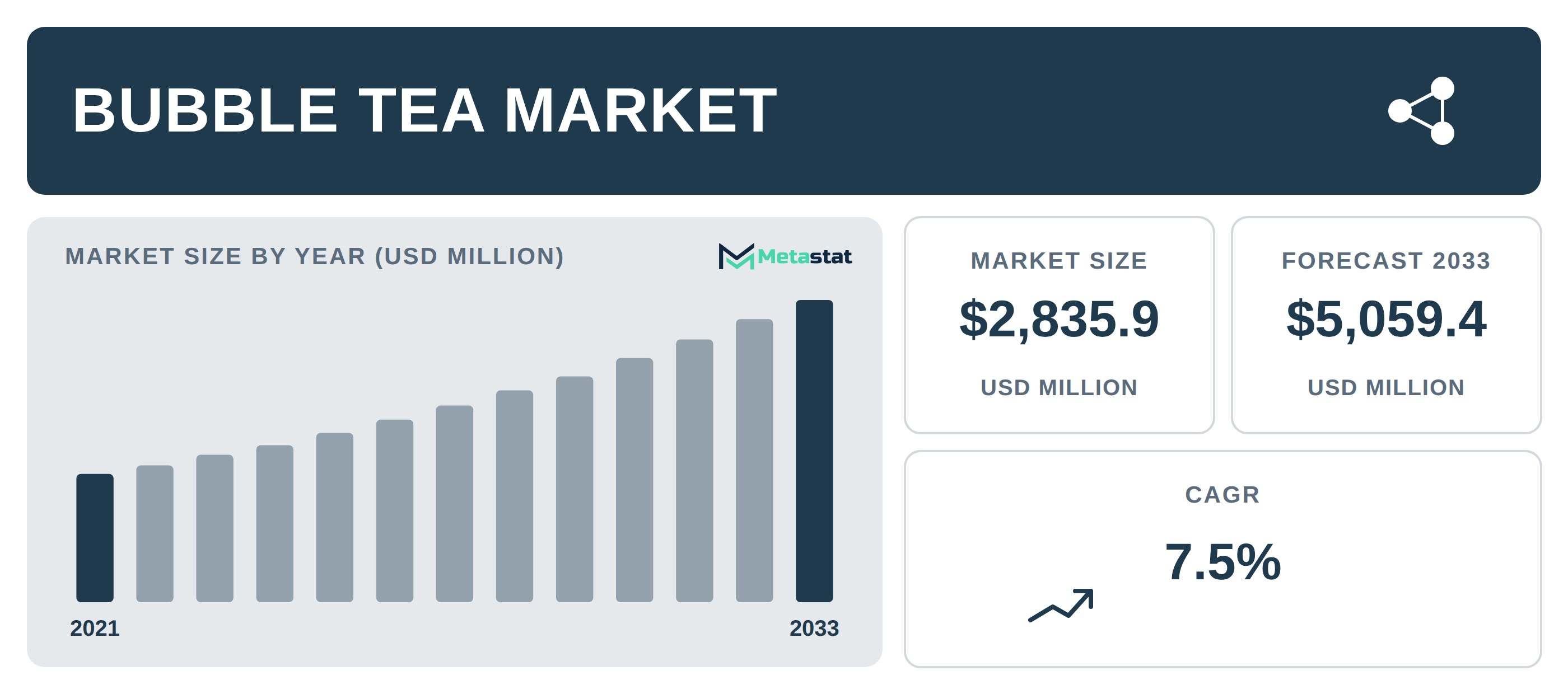
The market for Bubble Tea has seen significant growth, driven by evolving consumer preferences and a demand for unique beverage experiences. For buyers looking to engage with suppliers in this market for Bubble Tea, asking the right questions is crucial. This blog presents key inquiries to consider when assessing potential suppliers, highlighting insights derived from recent research. The full figures are in our Bubble Tea market size and forecast report.
1. What ingredients do you prioritize for quality and sustainability?
Buyers increasingly seek suppliers who focus on high-quality ingredients that align with health-conscious trends. Ingredients including fresh fruit and quality tea enhance the overall appeal of Bubble Tea and cater to consumer preferences for healthier options. Suppliers that prioritize sustainability in their sourcing methods attract consumers looking for responsible purchasing choices. This emphasis on quality ingredients leads to higher customer satisfaction and brand loyalty.
2. How do you adapt to changing flavor preferences?
Consumer trends indicate a growing preference for innovative and fruit-based flavors, particularly among younger demographics. Suppliers should demonstrate their ability to adapt to these changing tastes through continuous product development. Companies that offer unique flavor combinations and seasonal offerings capitalize on this trend, driving customer engagement and sales. A supplier's responsiveness to market demands is a critical factor in determining long-term partnerships.
3. What customization options do you provide to consumers?
Customization remains a significant driver in the market for Bubble Tea, allowing consumers to tailor their beverages to personal tastes. Buyers should inquire about the range of customization options suppliers offer, including ingredient substitutions, sugar levels, and topping choices. Suppliers that enable a high degree of personalization are likely to attract a broader customer base, catering to diverse consumer preferences and encouraging repeat purchases.
4. How do you ensure the freshness and quality of your packaged products?
While the packaged ready-to-drink segment grows, maintaining the freshness and quality of these products is essential. Buyers should ask suppliers how they manage shelf life and ensure that the tapioca pearls retain their desirable texture. Suppliers who invest in better packaging technologies and implement stringent quality control measures significantly enhance their product's appeal. This attention to quality often translates to higher sales and customer satisfaction.
5. What distribution channels do you support for Bubble Tea products?
The choice of distribution channels influences a buyer's success in reaching customers effectively. As digital ordering and delivery options rise in popularity, suppliers should discuss their capabilities in supporting these channels. Buyers benefit from partnering with suppliers who facilitate both in-store and online sales, maximizing their product reach. Suppliers that have established relationships with delivery platforms boost the visibility of their offerings, catering to evolving consumer purchasing behaviors.
6. What strategies do you employ for price competitiveness?
Price sensitivity among consumers directly impacts purchasing decisions. Buyers should understand how suppliers manage ingredient costs and pricing strategies without compromising on quality. Effective negotiation with ingredient producers and bulk purchasing helps maintain competitive pricing, appealing to budget-conscious consumers. Suppliers who balance quality ingredients with affordability will likely build stronger relationships with buyers and ensure competitiveness.
7. How do you leverage technology in your operations?
In this digital age, technology plays an increasingly vital role in operations. Suppliers should explain how they incorporate technology to streamline processes, enhance customer engagement, and improve supply chain efficiency. For instance, leveraging data analytics help suppliers anticipate trends and adjust their offerings accordingly. Those who effectively utilize technology often enhance their market position and maintain a competitive edge.
The questions outlined above highlight the critical aspects buyers should consider when evaluating suppliers in the market for Bubble Tea. By focusing on quality, adaptability, customization, freshness, distribution, pricing strategies, and technology usage, buyers make informed decisions that enhance their offerings and support market success.
Tags
About the Authors

LEAD ANALYST
Utkarsh Khirodkar is a Lead Market Research Analyst at MetaStat Insight, specializing in market intelligence, technology sector assessments, and competitive strategy.

LEAD PRINCIPAL ANALYST, PHARMA AND HEALTHCARE
Food and Beverages · Healthcare · Healthcare IT · Medical Devices
Ajay Devgire is the Lead Healthcare Analyst at MetaStat Insight, leading strategic research and market intelligence initiatives across the global healthcare domain.

SENIOR RESEARCH ANALYST
Biotechnology · Food and Beverages · Medical Devices · Packaging
Snehal Pasalkar is a Research Analyst at MetaStat Insight, operating at the intersection of life sciences research, competitive strategy, and market intelligence.