
Explore key Design Services trends transforming how businesses and consumers engage with creative solutions, from sustainability to AI integration.
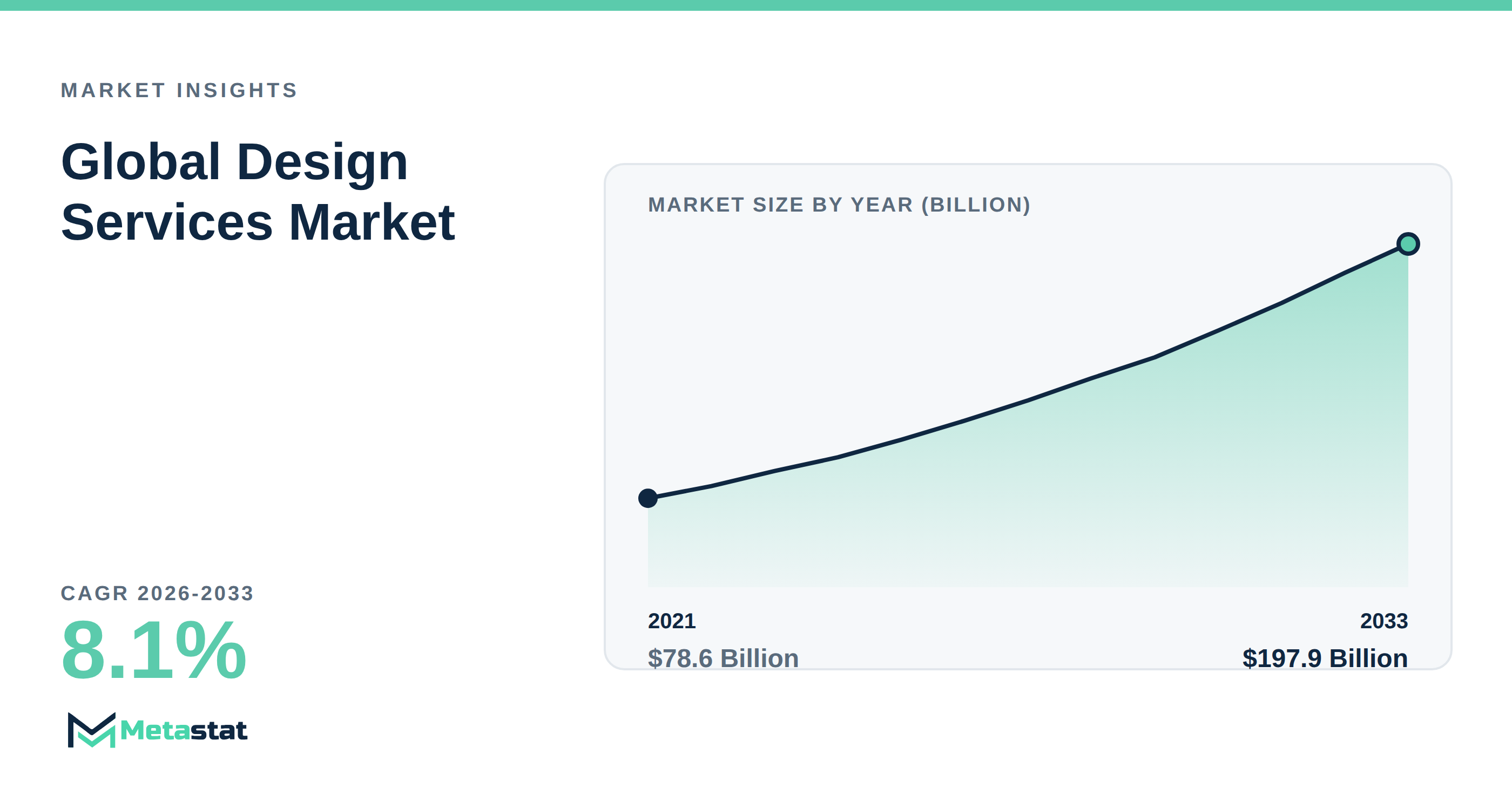
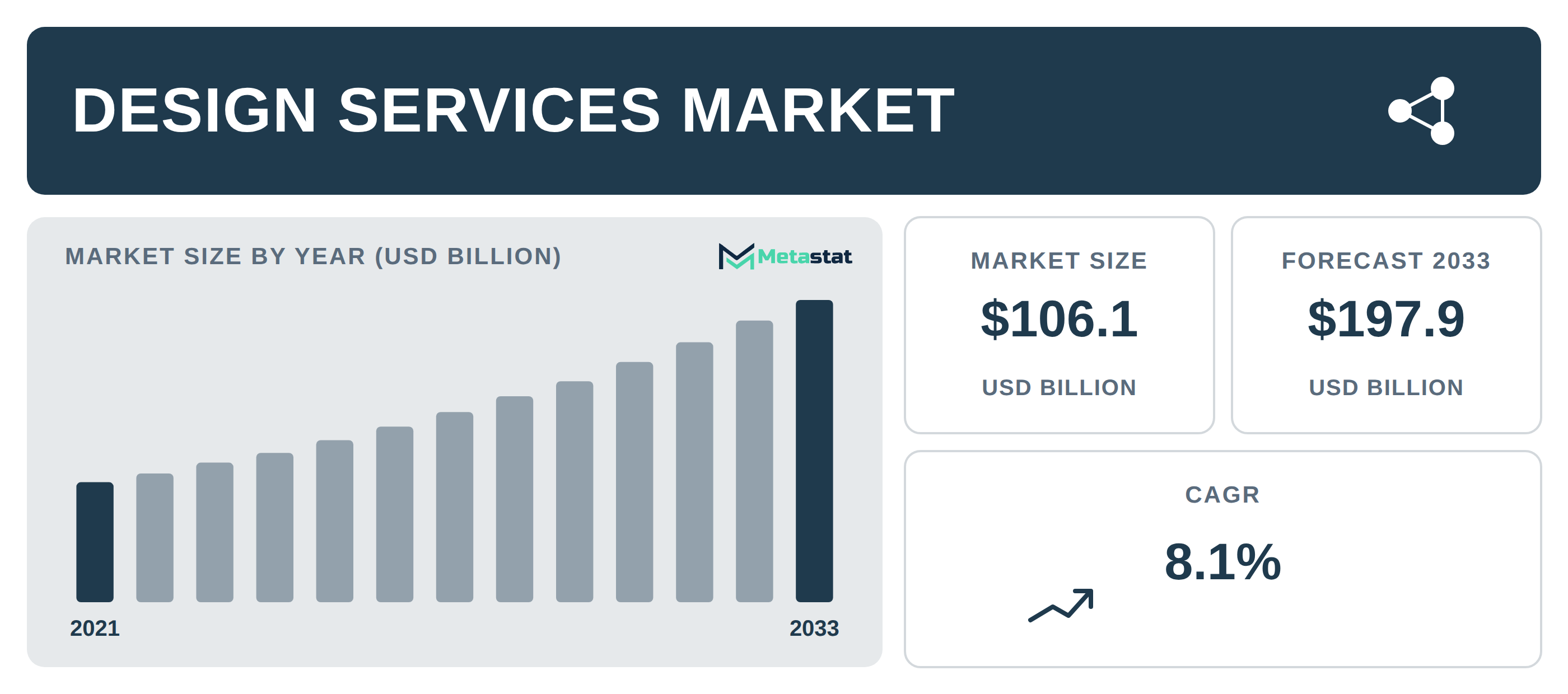
The landscape of Design Services is shifting, influenced by various trends that reshape how businesses and consumers engage with creative solutions. These trends reflect changing consumer expectations, technological advancements, and evolving dynamics that directly impact purchasing decisions. For detailed insights, refer to the Design Services market size and forecast report.
1. Increasing Demand for Unique Interior Spaces
The growing focus on aesthetics drives investments in interior design services. Organizations and individuals seek distinct and personalized environments that express their identities. This shift toward customized interior projects leads clients to prioritize tailored design experiences over conventional solutions. Consequently, the emphasis on specialized interior design services thrives, particularly in commercial contexts where branding is vital for competitive positioning.
2. Rise of Generative AI in Design Workflows
The integration of generative AI is transforming design workflows across graphic and industrial sectors. This technology enhances creativity while simplifying tasks, enabling designers to produce innovative concepts efficiently. Firms that adopt generative AI experience improved productivity, allowing them to offer distinct solutions that align with changing consumer expectations. While demand for unique designs continues to rise, employing AI technology becomes crucial for organizations striving to maintain competitiveness.
3. Growth of Subscription-Based Design Services
Subscription-based service models are gaining traction within Design Services, allowing companies to access creative solutions without long-term commitments. This trend provides flexibility, enabling clients to adjust services to match their immediate needs. As organizations increasingly embrace subscription offerings, design firms adapt by tailoring their services accordingly. Such a shift fosters long-term client relationships while enhancing cash flow management for service providers.
4. Emphasis on Sustainable Design Practices
Environmental considerations are becoming essential in design projects, especially for businesses pursuing eco-friendly initiatives. The rising demand for sustainable design solutions, including energy-efficient lighting and recyclable materials, highlights growing consumer awareness of environmental issues. Clients increasingly seek design services that align with corporate social responsibility goals, creating opportunities for designers specializing in eco-friendly practices to meet evolving needs.
5. Impact of Online Design Platforms on Accessibility
The emergence of online design platforms signifies a notable shift in how consumers access creative services. These platforms facilitate connections between designers and clients, offering a wider selection of options for various applications. The convenience and scalability provided by these online solutions appeal to a diverse clientele, particularly those in search of cost-effective alternatives. This trend democratizes access to design services, enabling more individuals and enterprises to collaborate with professional designers.
6. Strain of Rising Costs on Design Investments
Increased costs associated with design services create barriers for consumers and enterprises alike. Higher pricing induces hesitance among buyers, especially small businesses and startups that require affordable solutions. This financial strain results in project delays or scaled-back requirements, impacting overall service demand. Clients are now prioritizing cost-management strategies while seeking quality design solutions, significantly influencing their purchasing behavior.
7. Competition for Skilled Design Talent
Challenges in attracting and retaining skilled design professionals affect the profitability of service providers. The growing demand for specialized talent raises recruitment expenses, leading to higher service fees for clients. Companies in the sector adapt by enhancing employee value propositions and implementing flexible work arrangements to attract top talent. The competitive nature of the talent pool emphasizes the need for effective talent management strategies to maintain a competitive position.
These trends illustrate the dynamic nature of the Design Services sector. As buyers increasingly prioritize unique solutions and sustainability while managing rising costs and talent challenges, the industry continues to adapt and innovate, reflecting the changing landscape of consumer preferences.
Tags
About the Authors

LEAD ANALYST
Utkarsh Khirodkar is a Lead Market Research Analyst at MetaStat Insight, specializing in market intelligence, technology sector assessments, and competitive strategy.

PRINCIPAL CONSULTANT - ENTERPRISE AI & EMERGING TECHNOLOGIES
Banking & Finance · Electronics and Semiconductor · Energy and Power · Healthcare IT · Information & Technology · Professional Services
Vijay Gunti is a Principal Consultant at MetaStat Insight, bringing over two decades of experience across enterprise digital transformation, technology strategy, and intelligent systems.

PRINCIPAL CONSULTANT - QUALITY SYSTEMS & COMPLIANCE
Electronics and Semiconductor · Machinery & Equipment · Professional Services
Omkar Phadtare is an Industry Consultant at MetaStat Insight, specializing in quality systems, regulatory compliance, and standards benchmarking to drive data-driven market intelligence and strategic industry research.

LEAD CONSULTANT - COMMUNICATION, TELECOM, AND IT
Electronics and Semiconductor · Information & Technology · Machinery & Equipment · Professional Services
Ravindra Sathe Consultants for Communication, Telecom, and IT at MetaStat Insight. He leads the firm's industry research initiatives across telecommunications infrastructure, digital connectivity, enterprise networking, and emerging information technology domains.