
Navigating the Nordic Non-Food FMCG Distribution market requires asking the right questions of suppliers. This guide highlights essential inquiries that can enhance operational efficiency, compliance, and market adaptation.
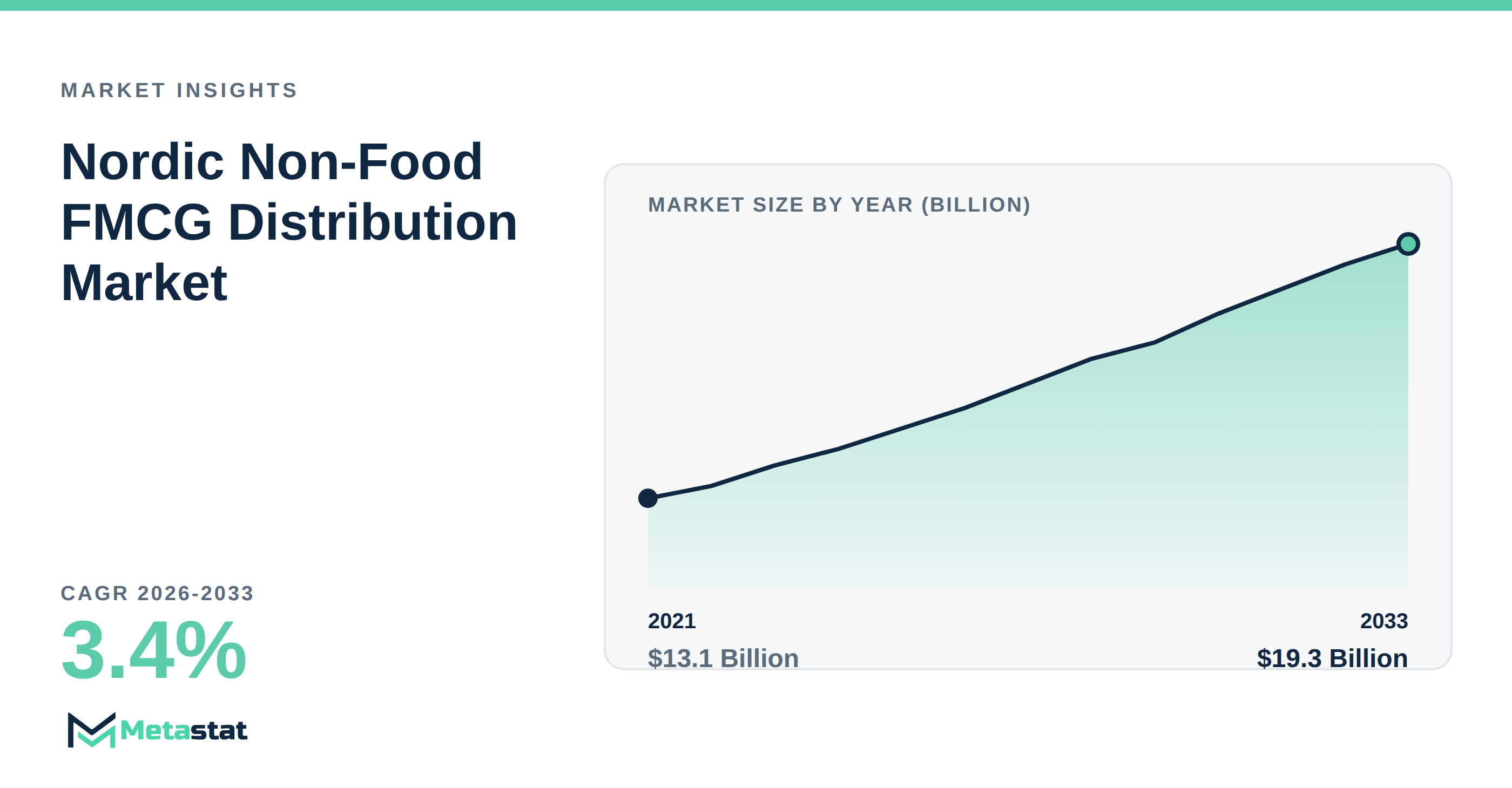
The Nordic Non-Food FMCG Distribution market is set to increase from USD 14.8 billion in 2025 to USD 19.3 billion by 2033, driven by substantial consumer interest in various non-food products. Buyers are proactive when assessing suppliers by posing critical questions that will unveil operational efficiencies, regulatory compliance, and market trends.
1. How do you ensure compliance with evolving regulations?
Regulatory compliance represents a key challenge in the Nordic Non-Food FMCG Distribution market, with stringent standards in product safety and environmental responsibility elevating operational costs. Suppliers should be transparent about their strategies for meeting compliance demands, including any relevant certifications, quality assurance measures, and monitoring processes. Gaining insight into a supplier's compliance approach helps mitigate risks and builds consumer trust, because brands perceived to be compliant are more likely to attract environmentally and health-focused consumers.
2. What innovations are you implementing to enhance efficiency?
Innovation is critical for suppliers aiming to sustain competitiveness within the Nordic Non-Food FMCG Distribution market. Inquiring about investments in technology, including automation, artificial intelligence, and advanced data analytics, allows buyers to evaluate how these innovations improve operational efficiencies. Understanding the impact of these technologies on cost structures and customer service positions buyers to select suppliers that effectively adapt to evolving market demands while protecting profit margins.
3. How do you address pricing volatility and supply chain disruptions?
Inflationary pressures and fluctuating input costs pose significant challenges to pricing strategies in the Nordic Non-Food FMCG Distribution market. Buyers should examine a supplier’s approach to managing these risks, which could include diversified sourcing practices, flexible pricing models, and proactive risk management techniques. Suppliers that develop strategies to tackle pricing volatility and supply chain uncertainties are likely to provide more stable pricing and consistent product availability, essential for maintaining customer satisfaction.
4. What measures do you take to adapt to consumer trends?
While consumer preferences increasingly shift towards sustainable and health-oriented products, it becomes vital for buyers to understand how suppliers respond to these trends. Questions regarding how suppliers incorporate consumer feedback into product development and marketing strategies provide valuable insights. Evaluating a supplier's commitment to sustainability and ability to introduce new products aligns purchasing decisions with consumer expectations, ultimately enhancing sales performance and brand loyalty.
5. How do you manage your e-commerce and digital channel strategy?
The surge in e-commerce within the Nordic Non-Food FMCG Distribution market emphasizes the need for suppliers to have robust digital strategies. Inquiries should focus on how suppliers utilize online platforms and digital marketing techniques to improve consumer engagement. This includes leveraging data analytics to understand consumer behavior and fine-tune product offerings. Suppliers who adeptly navigate the digital environment captures a broader audience and enhance market penetration, making them valuable partners for buyers.
6. What sustainability initiatives are you pursuing?
With increasing consumer awareness surrounding sustainability, knowing a supplier's initiatives in this area is essential. Buyers should probe into the supplier's efforts in reducing their carbon footprint, utilizing eco-friendly materials, and promoting ethical sourcing. Suppliers that prioritize sustainability are better positioned to meet consumer demands and regulatory compliance, potentially enhancing brand reputation and loyalty among environmentally conscious customers.
7. What partnerships or collaborations do you pursue?
Collaborations within the supply chain significantlies impact a supplier's ability to innovate and respond to market demands. Buyers should inquire about the partnerships or collaborations suppliers engage in to enhance their operational capabilities and market reach. Strong alliances often lead to improved product offerings, faster innovation cycles, and enhanced service delivery, contributing to a supplier's long-term competitiveness in the Nordic Non-Food FMCG Distribution market.
Engaging suppliers with these targeted inquiries equips buyers in the Nordic Non-Food FMCG Distribution market with the insights necessary to navigate the complexities of this expanding field. Understanding compliance, innovation, pricing strategies, consumer trends, digital engagement, sustainability, and partnerships fosters informed decision-making. For more detailed insights, readers explore the Nordic Non-Food FMCG Distribution Market.
Tags
About the Author

LEAD ANALYST
Utkarsh Khirodkar is a Lead Market Research Analyst at MetaStat Insight, specializing in market intelligence, technology sector assessments, and competitive strategy.