
As the Latin America Color Cosmetics and Makeup Accessories market grows, buyers should ask crucial questions to select the best suppliers. Here are seven key inquiries.
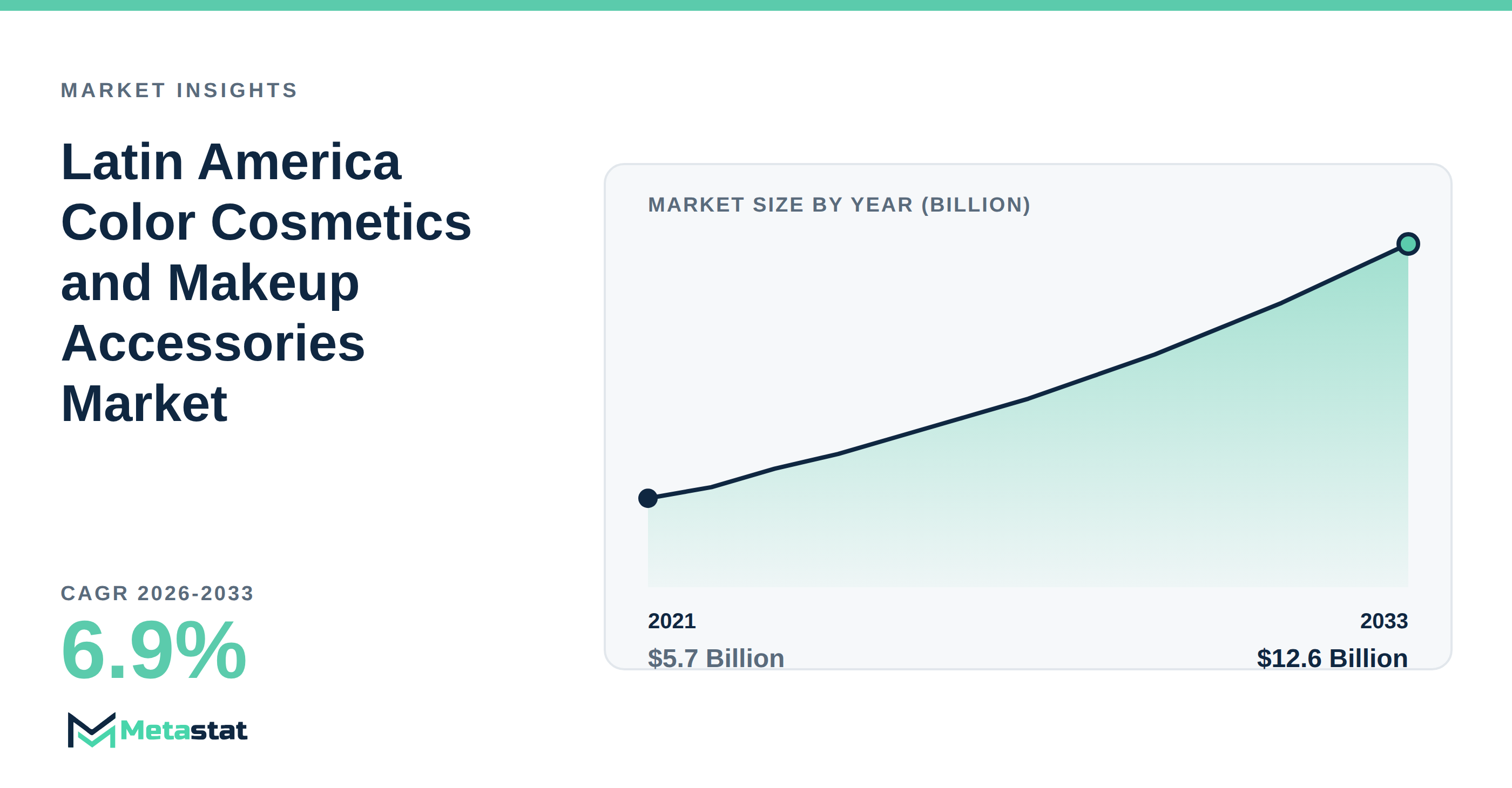
The Latin America Color Cosmetics and Makeup Accessories market is expected to grow significantly, projected to reach USD 12.6 billion by 2033, up from USD 7.4 billion in 2025. This growth presents buyers with critical questions to ensure effective supplier relationships and product selection. Understanding what inquiries to make leads to improved purchasing decisions and greater consumer satisfaction.
1. What sustainability practices do you have in place?
With increasing consumer awareness regarding environmental issues, brands are prioritizing eco-friendly practices. Buyers should inquire about suppliers’ sustainability initiatives covering sourcing, production methods, and packaging. A supplier's commitment to sustainability not only enhances their brand image but aligns with the rising demand for environmentally conscious products in the Latin America Color Cosmetics and Makeup Accessories market.
2. How do you address the shift towards premium products?
The trend towards premiumization is reshaping purchasing habits across the Latin America Color Cosmetics and Makeup Accessories market. Buyers assess how suppliers adapt to this shift, focusing on product quality, distinct formulations, and brand positioning. By understanding how suppliers prioritize premium offerings, buyers select products that align with evolving consumer expectations for quality and efficacy.
3. What innovative formulations do you offer?
Innovation in product formulations drives consumer interest, particularly for long-wear and multifunctional products. Buyers should ask suppliers about their latest formulations and how they cater to diverse consumer preferences. Suppliers focusing on product effectiveness and unique features position themselves advantageously in a competitive marketplace, thereby enhancing the opportunities for buyers to attract discerning customers.
4. How does e-commerce factor into your distribution strategy?
E-commerce continues to transform distribution channels within the cosmetics market, improving consumer access to a broad array of products. Buyers inquire how suppliers incorporate e-commerce into their strategies. Understanding this aspect helps buyers choose suppliers that offer streamlined processes and robust online shopping experiences, which are crucial for appealing to today’s digital consumers.
5. How do you support clean beauty and vegan product lines?
With the growing demand for clean beauty and vegan formulations, buyers should explore how suppliers address this trend in their product offerings. Brands that emphasize clean ingredients and ethical sourcing attract a loyal clientele, making inquiries about these practices essential for buyers aiming to align with shifting consumer values.
6. What strategies do you employ for engaging with social commerce?
Social commerce has emerged because a key channel for product marketing and sales in the color cosmetics market. Buyers should evaluate suppliers’ approaches to leveraging social media and influencer marketing. Understanding how suppliers engage through social commerce offers buyers insights into effective marketing strategies that resonate with younger consumers.
7. How do you account for regional differences in consumer preferences?
Regional variations across Latin America significantly impact beauty consumption trends. Buyers ask suppliers how they tailor their product offerings to meet distinct regional preferences. Suppliers who comprehend local consumer dynamics provide customized solutions, thereby enhancing collaboration and satisfaction within the Latin America Color Cosmetics and Makeup Accessories market.
These inquiries represent the foundation of effective buyer-supplier relationships. By posing these critical questions, buyers enhance their purchasing decisions, aligning with the prevailing trends in the Latin America Color Cosmetics and Makeup Accessories market.
The full analysis is in Latin America Color Cosmetics and Makeup Accessories Market.
Tags
About the Author

LEAD ANALYST
Utkarsh Khirodkar is a Lead Market Research Analyst at MetaStat Insight, specializing in market intelligence, technology sector assessments, and competitive strategy.