
As cybersecurity threats increase, organizations ask key questions when selecting US Zero Trust Security suppliers to ensure they meet their needs.
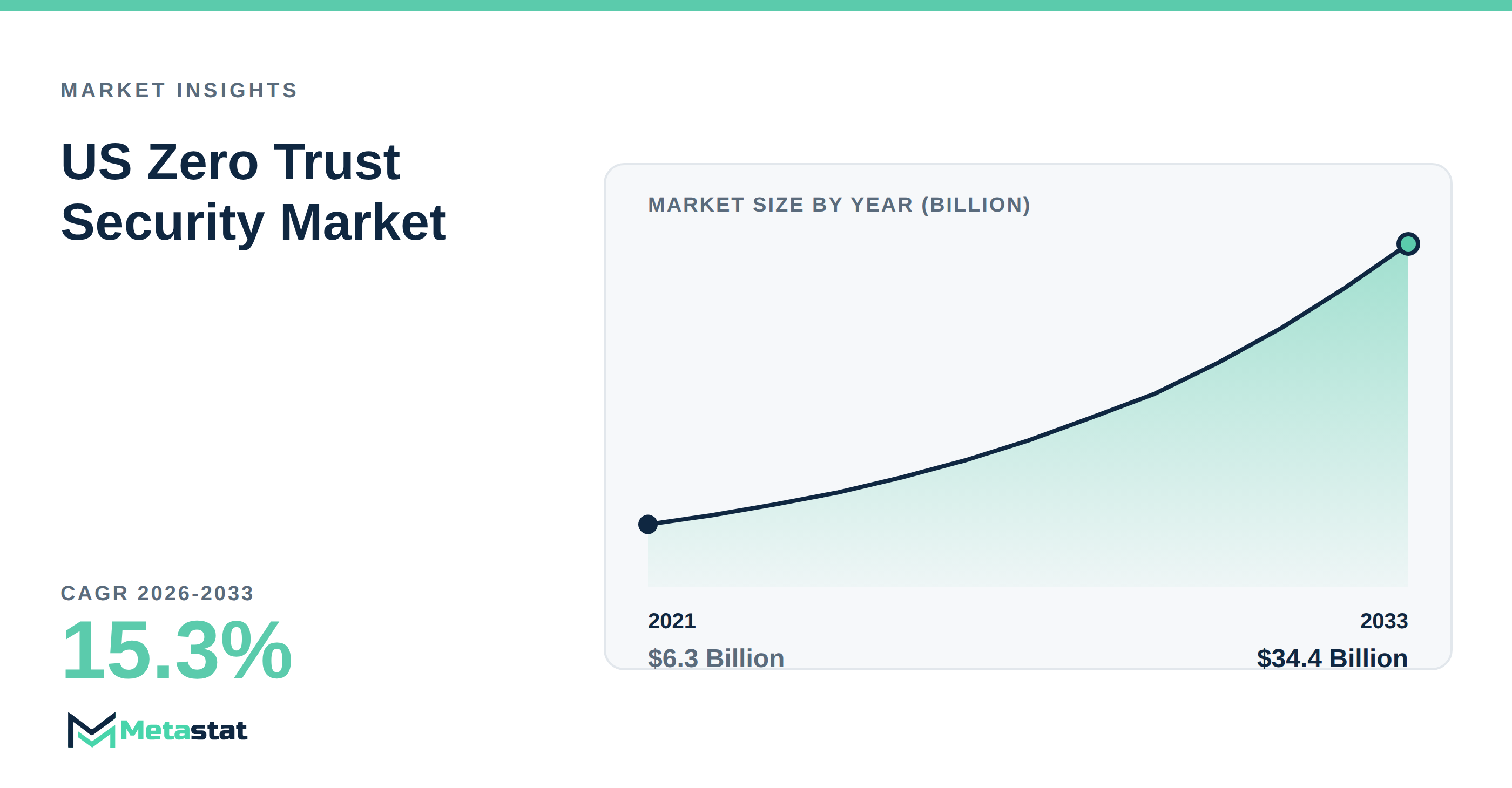
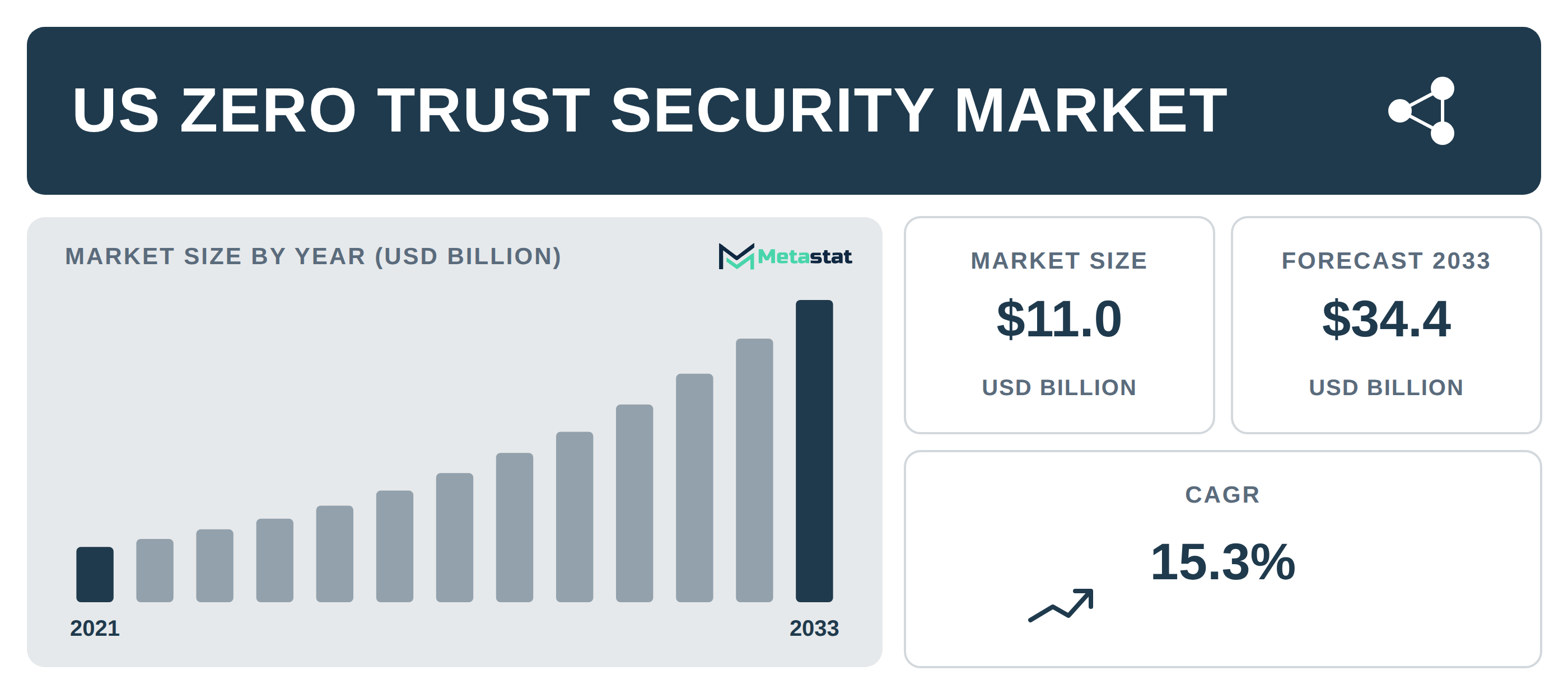
As organizations face increasing cybersecurity threats, investing in effective Zero Trust Security solutions has become imperative. For buyers in this market, it is essential to engage with suppliers who address specific needs and challenges. The following questions are vital for evaluating potential suppliers in the US Zero Trust Security. The full figures are in our US Zero Trust Security market size and forecast report.
1. How does your solution address emerging cyber threats?
Buyers ensure that suppliers provide updated solutions capable of countering evolving cyber threats. Organizations increasingly encounter sophisticated attacks, necessitating a proactive stance on security. Suppliers should demonstrate their approach to staying ahead of new vulnerabilities and adapting their offerings accordingly. This focus ensures organizations receive adequate protection against potential breaches and maintain operational continuity in a rapidly changing landscape.
2. What is your strategy for integrating identity security and microsegmentation?
The convergence of identity security and microsegmentation is critical for effective Zero Trust Security frameworks. With identity and access management projected to generate significant revenue by 2033, suppliers should articulate how they plan to integrate these components into their offerings. This comprehensive strategy enhances security measures, enabling organizations to maintain tight control over access and protect sensitive data from unauthorized entry.
3. How will your solution support compliance with industry regulations?
Organizations across sectors face increasing regulatory scrutiny, particularly in finance and healthcare. Suppliers clarify how their solutions assist clients in achieving compliance with relevant regulations. This aspect is crucial for organizations aiming to avoid penalties and maintain customer trust while implementing robust security measures. Suppliers should provide specific examples of how their solutions have helped other organizations navigate compliance challenges effectively.
4. What deployment model will work best for our unique infrastructure?
With both cloud and on-premises deployment models available, understanding which option aligns with an organization’s needs is vital. Suppliers should provide insights into the strengths of each model and assist organizations in selecting the best approach for their infrastructure. This guidance significantly affects cybersecurity outcomes, ensuring that organizations effectively secure their data and systems based on their operational requirements.
5. How do you ensure scalability in your Zero Trust Security solutions?
Scalability is crucial as organizations expand and adapt to changing business environments. Suppliers should explain how their solutions accommodate growth, particularly in hybrid environments where both on-premises and cloud solutions coexist. A scalable approach facilitates integration and ensures consistent security across all platforms, enabling organizations to respond effectively to evolving cybersecurity needs.
6. What advanced technologies do you employ in your offerings?
Advanced technologies, including AI and machine learning, enhance security posture by improving threat detection and response capabilities. Buyers should inquire about the technologies suppliers deploy to strengthen their solutions. Understanding these technological foundations allows organizations to assess the effectiveness and efficiency of potential security solutions while ensuring they align with the latest industry advancements.
7. How do you provide continuous support and updates?
Cybersecurity is an ongoing challenge, necessitating continuous updates and support. Organizations should ask suppliers about their processes for delivering software updates, customer support, and adaptation to new threats. Reliable ongoing support ensures organizations maintain strong security measures and address emerging challenges that could compromise their security posture.
Engaging suppliers with well-defined answers to these questions helps organizations make informed decisions in their pursuit of effective Zero Trust Security solutions. By focusing on these key areas, buyers enhance their cybersecurity frameworks and protect sensitive data against escalating threats. Improved supplier engagement ultimately contributes to stronger security strategies and operational resilience.
Tags
About the Authors

LEAD ANALYST
Utkarsh Khirodkar is a Lead Market Research Analyst at MetaStat Insight, specializing in market intelligence, technology sector assessments, and competitive strategy.

PRINCIPAL CONSULTANT - ENTERPRISE AI & EMERGING TECHNOLOGIES
Banking & Finance · Electronics and Semiconductor · Energy and Power · Healthcare IT · Information & Technology · Professional Services
Vijay Gunti is a Principal Consultant at MetaStat Insight, bringing over two decades of experience across enterprise digital transformation, technology strategy, and intelligent systems.

LEAD CONSULTANT - COMMUNICATION, TELECOM, AND IT
Electronics and Semiconductor · Information & Technology · Machinery & Equipment · Professional Services
Ravindra Sathe Consultants for Communication, Telecom, and IT at MetaStat Insight. He leads the firm's industry research initiatives across telecommunications infrastructure, digital connectivity, enterprise networking, and emerging information technology domains.