
Selecting the right CRO is vital for clinical trials. Explore seven essential questions buyers should ask to ensure a successful partnership.
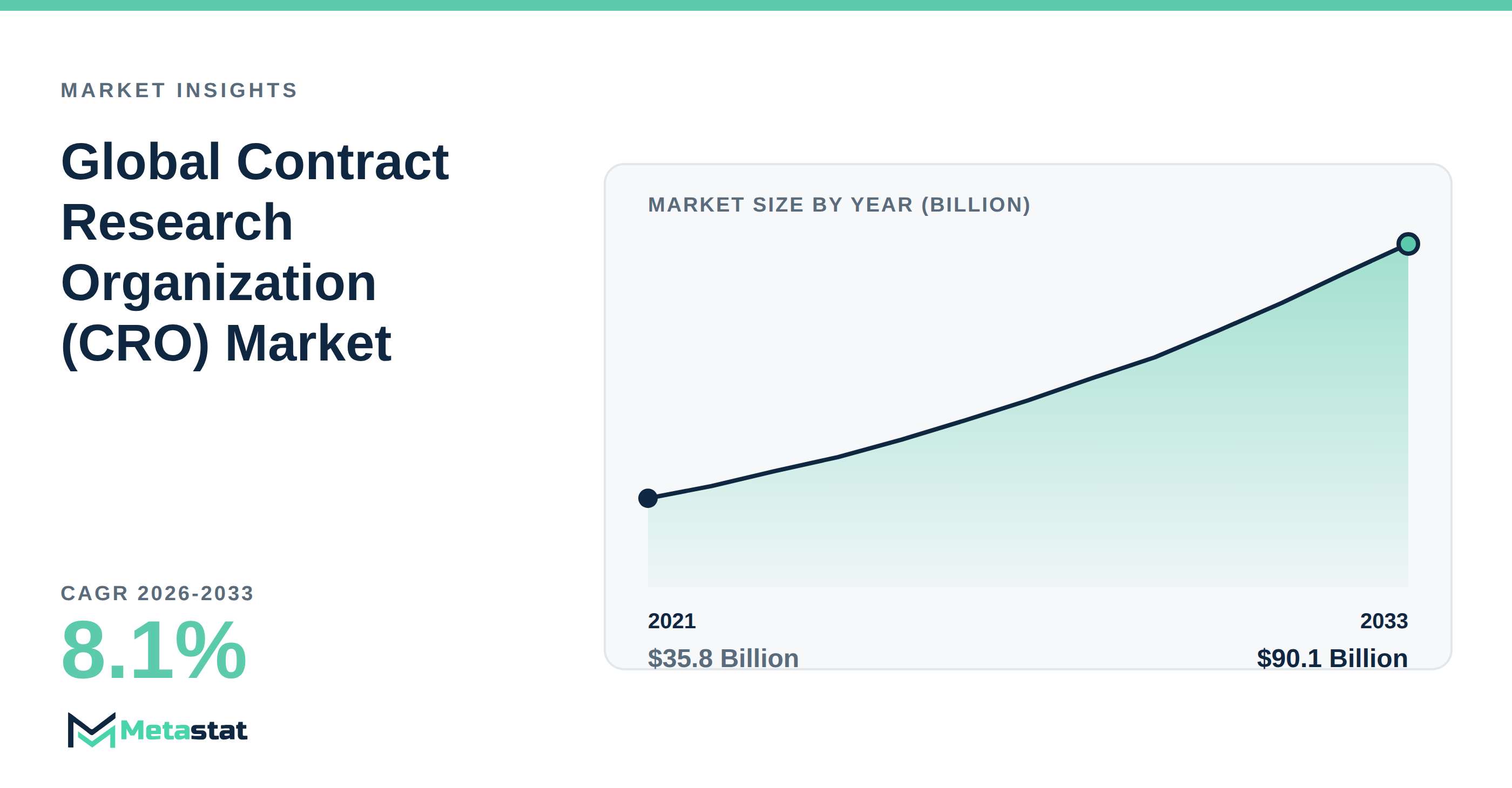
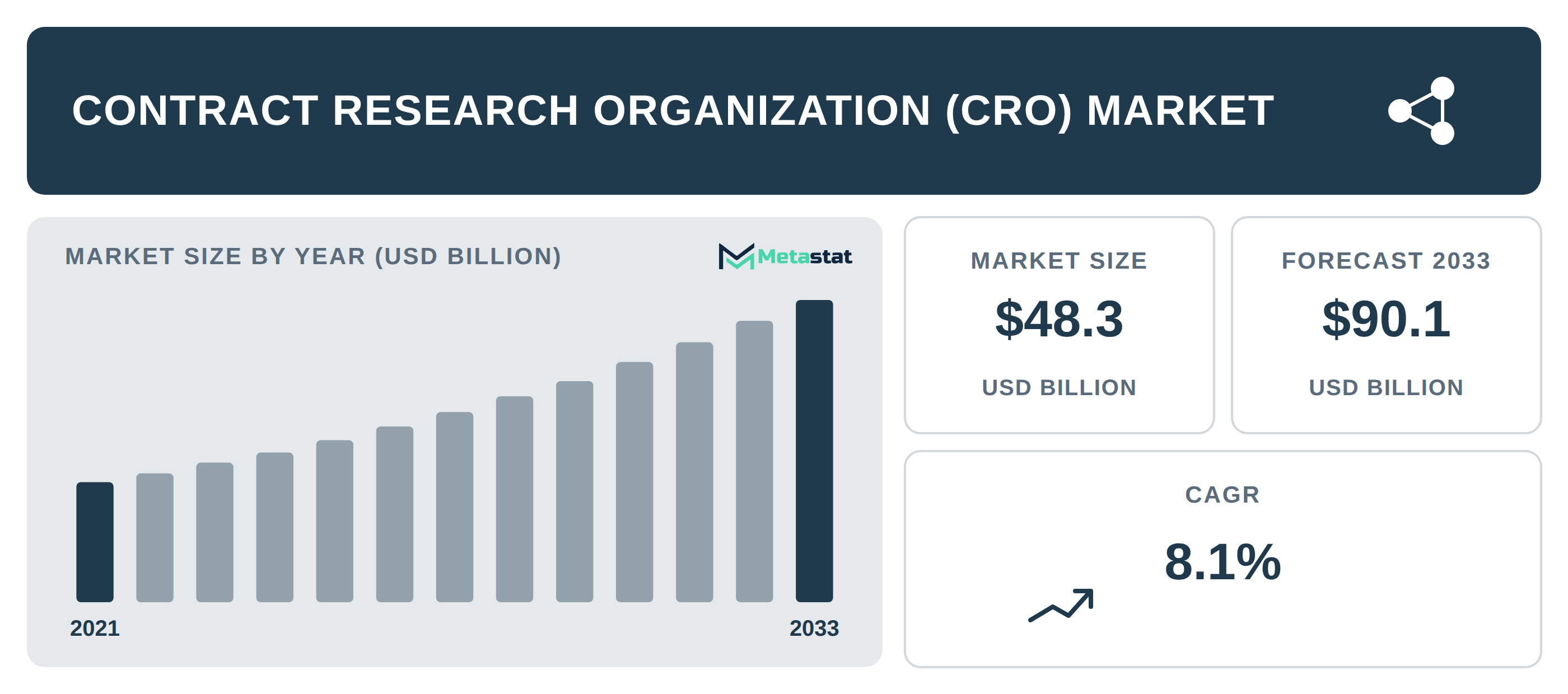
In the evolving field of clinical research, selecting the right Contract Research Organization (CRO) supplier is crucial. With an estimated increase in demand for specialized services, buyers should formulate key questions to ensure they partner with a capable CRO. Below are essential questions buyers should consider asking their prospective CRO suppliers. The full figures are in our Contract Research Organization (CRO) market size and forecast report.
1. What experience do you have in our specific therapeutic area?
CRO suppliers should demonstrate expertise in the therapeutic area relevant to the buyer's clinical trials. Experience in oncology, for instance, can significantly impact trial results. The oncology segment is expected to expand significantly, increasing from approximately USD 16.4 billion in 2026 to around USD 29.8 billion by 2033. Suppliers with a solid track record in specialized areas provide insights that enhance the design and execution of trials.
2. How do you ensure compliance with regulatory standards?
Compliance remains a critical factor in the success of clinical trials. Potential suppliers should have robust processes in place to meet evolving regulatory requirements. Buyers should inquire about the CRO's procedures for documentation, reporting, and communication with regulatory authorities. This ensures that the CRO navigates potential challenges, especially in complex therapeutic areas like oncology and neurology, which face stringent scrutiny.
3. What strategies do you use for patient recruitment and retention?
Patient recruitment is often a significant hurdle in clinical trials. Effective strategies for attracting and retaining participants determine the success of a study. Buyers should assess the CRO's methodologies for engaging participants, considering factors including community outreach and digital engagement. The emphasis on patient-centric approaches leads to higher enrollment rates and improved trial outcomes.
4. How do you leverage technology in your operations?
Technology is essential in modern clinical trials. Buyers should inquire about the use of electronic data capture systems, AI-assisted monitoring, and other innovative tools that streamline trial processes. For instance, AI technologies in feasibility and risk-based monitoring enhance decision-making and ensure regulatory compliance. A CRO that embraces technological advancements positions itself as a valuable partner in the clinical research process.
5. How do you approach project management?
Efficient project management is vital to the timely execution of clinical trials. Buyers should evaluate the CRO's project management capabilities, including resource allocation, timeline management, and budget adherence. A well-organized approach mitigates delays and increases operational efficiency. The Project Management sector itself is expected to witness significant growth, highlighting its importance within the CRO sector.
6. What is your pricing structure, and how does it align with value-based outcomes?
Understanding the pricing model is essential for buyers. They should inquire whether the CRO offers flexible pricing arrangements linked to trial outcomes. This value-based pricing approach aligns incentives and ensures that the buyer receives quality results. As financial scrutiny intensifies, CROs that adapt their pricing to reflect performance outcomes establish stronger partnerships with their clients.
7. Can you provide references or case studies from past projects?
References and case studies offer insights into a CRO's capabilities and reliability. Buyers should ask for examples of successful trials relevant to their needs. Reviewing past projects clarifies the strengths of the CRO and the results they achieved, particularly in the context of complex studies like biomarker-led oncology trials. This transparency boosts trust and highlights the CRO's commitment to quality.
As buyers navigate the landscape of CRO suppliers, asking these key questions leads to informed decision-making. Understanding each supplier's strengths, practices, and past performance directly influences the success of clinical trials and the overall drug development process.
Tags
About the Authors

LEAD ANALYST
Utkarsh Khirodkar is a Lead Market Research Analyst at MetaStat Insight, specializing in market intelligence, technology sector assessments, and competitive strategy.

SENIOR RESEARCH ANALYST
Biotechnology · Food and Beverages · Medical Devices · Packaging
Snehal Pasalkar is a Research Analyst at MetaStat Insight, operating at the intersection of life sciences research, competitive strategy, and market intelligence.