
LEAD ANALYST
Utkarsh Khirodkar is a Lead Market Research Analyst at MetaStat Insight, specializing in market intelligence, technology sector assessments, and competitive strategy.

Global Contract Research Organization (CRO) Market Size, Share, By Service Type (Clinical Monitoring, Project Management, Central Laboratory and Bioanalytical Services, Clinical Data Management, Biostatistics and Statistical Programming, Regulatory Affairs and Medical Writing, Clinical Safety and Medical Monitoring, Patient Recruitment and Retention), By Clinical Phase (Phase I, Phase II, Phase III, Phase IV), By Therapeutic Area (Oncology, Neurology, Cardiovascular Diseases, Metabolic and Endocrine Disorders, Immunology and Inflammation, Infectious Diseases, Respiratory Diseases, Gastrointestinal Diseases), By Sponsor Type (Pharmaceutical Companies, Biotechnology Companies, Medical Device and Diagnostics Companies, Academic and Research Institutions), Industry Analysis, Growth, Trends, and Forecast, 2026-2033
Report ID
MSI-3727
Published
November, 2026
Pages
268 Pages
Format
Historical
Base year
Forecast
Forecast period
Report Details
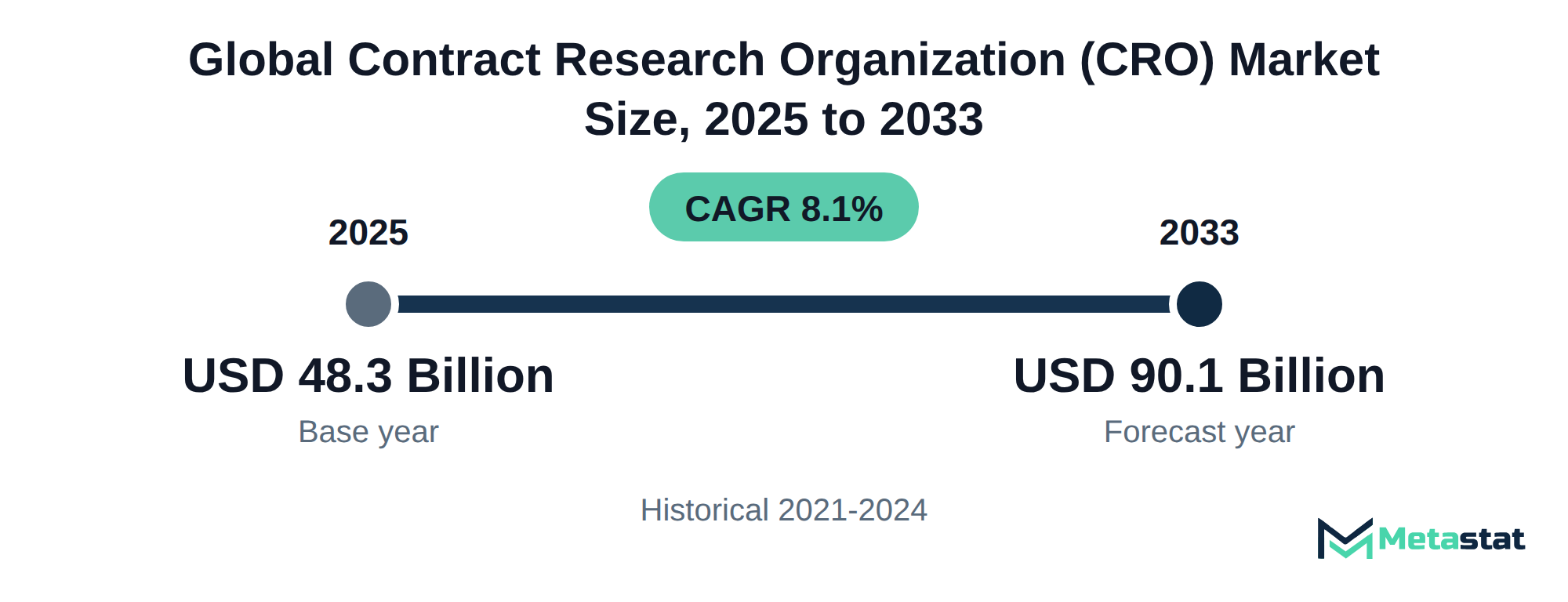
Market Valuation: Valued at $48.3 Billion in 2025, projected to reach $90.1 Billion by 2033 at a 8.1% CAGR.
Dominant Segment: Clinical Monitoring leads the market, driven by the essential need for real-time oversight in clinical trials, ensuring regulatory compliance and patient safety.
Geographic Lead: North America is the leading region, holding 39.3% of the market in 2025, with the US projected to maintain its dominance due to the expansion of clinical trials and personalized medicine.
What's Inside: The report provides a comprehensive analysis of the CRO market, including detailed competitive coverage, service type segmentation, and forecasts spanning from 2026 to 2033.
Emerging Technologies: Advancements in AI and data analytics are reshaping trial execution, enhancing efficiency and decision-making processes for sponsors in the CRO market.
Oncology Growth: The oncology segment shows significant growth, expected to expand from USD 16.4 billion in 2026 to USD 29.8 billion by 2033, fueled by increased investments in cancer research.
Choose Your License
Global Contract Research Organization (CRO) Market
The global Contract Research Organization (CRO) market was valued at USD 48.3 billion in 2025 and is projected to reach USD 90.1 billion by 2033, growing at a CAGR of 8.1% over the forecast period.
The Contract Research Organization (CRO) market covers services that support the pharmaceutical, biotechnology, and medical device industries in developing new products. Buyers invest in these services to streamline their research and development processes, ensuring compliance with regulatory standards while optimizing time and cost efficiency. This market enhances clinical trials, data management, and regulatory affairs, ultimately improving the success of drug development initiatives.
Growth in the market is driven by increasing demand for innovative therapies, particularly in oncology, which has the highest market value among therapeutic areas. North America holds 39.3% of the market in 2025, with the US leading in 2026. The expansion of clinical trials and the rise of personalized medicine contribute significantly to this growth, with stakeholders seeking to address unmet medical needs and improve patient outcomes.
The market's competitive landscape includes many service providers, and key players focus on different aspects of clinical research. The Asia Pacific region, accounting for 24.9% of the market, demonstrates rapid growth potential due to increasing investments in healthcare infrastructure and a rising number of clinical trials conducted in this area. This regional growth extends the global reach of the CRO market and serves clients worldwide.
The Contract Research Organization (CRO) market consists of various services that facilitate the development and commercialization of drugs and medical devices. Buyers invest in these services to enhance efficiency, ensure compliance with regulatory standards, and accelerate time-to-market for their products. This investment is critical for pharmaceutical and biotechnology companies, which face increasing pressure to bring innovative treatments to patients while managing costs and risks associated with research and development.
Among the segments, Clinical Monitoring holds the highest value, reflecting the essential role of real-time oversight in clinical trials. The growing prevalence of chronic diseases and the rising demand for novel therapies significantly stimulate market growth, driving companies to seek reliable CRO partners capable of supporting complex trial designs and regulatory submissions.
The increasing complexity of clinical trials and the need for specialized expertise further contribute to market expansion. The rising investment in oncology research emphasizes the significance of this therapeutic area within the CRO market. Companies prioritize strategic partnerships and invest in advanced technologies to streamline operations, maintain competitiveness, and address the evolving needs of their clients.
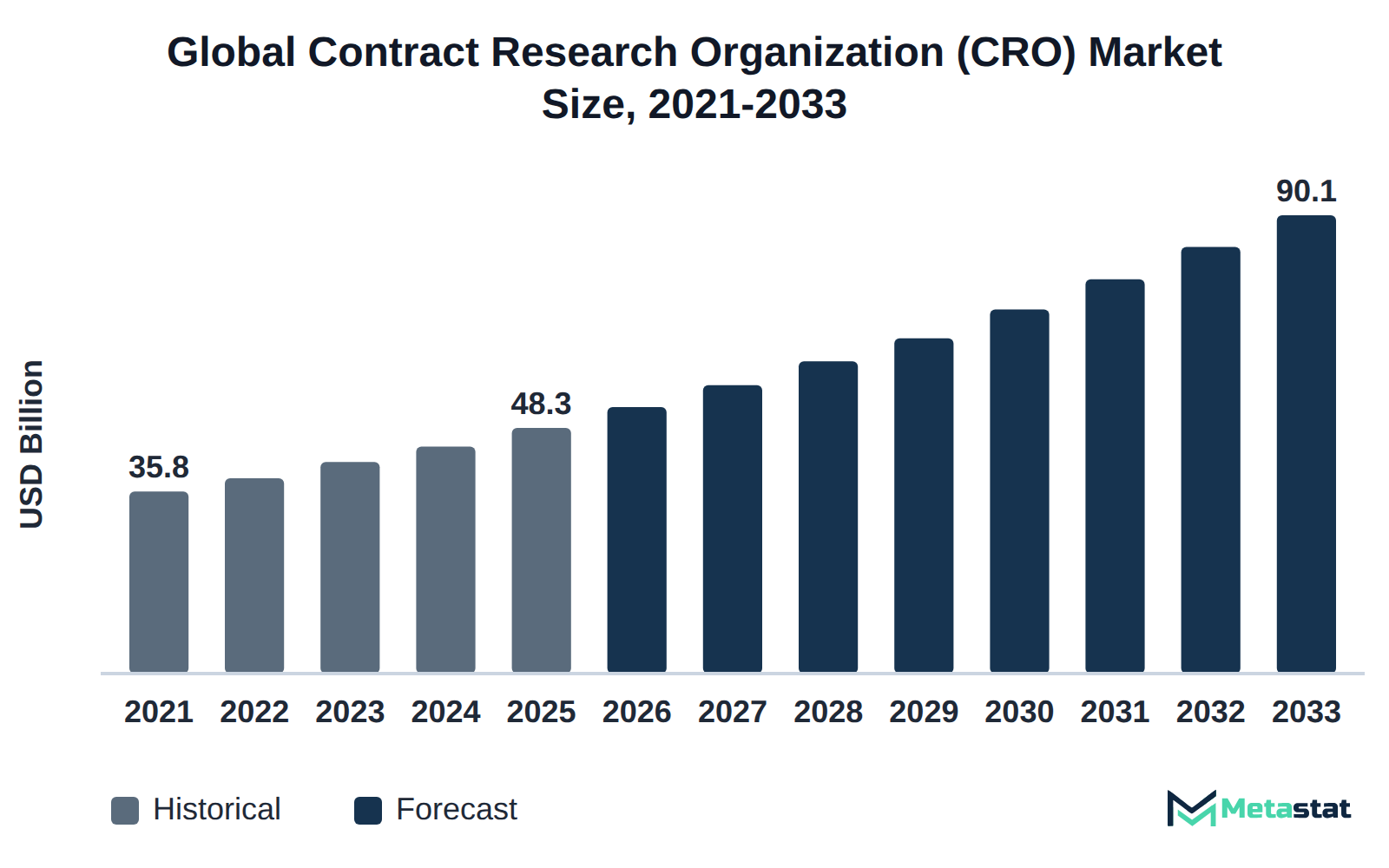
The shift towards functional outsourcing and hybrid contracts significantly impacts the Contract Research Organization (CRO) market. This transformation arises from sponsors seeking more flexible and cost-effective solutions to streamline clinical trials. Hybrid contracts, which combine traditional service agreements with performance-based incentives, enhance collaboration between sponsors and CROs, driving efficiencies in trial execution.
In 2026, the Clinical Monitoring segment is projected to generate USD 11.6 billion, which shows how important these services are. The increasing complexity of clinical trials and the need for real-time data accessibility fuel the adoption of functional outsourcing. Sponsors use CROs' expertise in therapeutic areas such as oncology and neurology to allocate resources more efficiently and shorten timelines.
This trend towards functional outsourcing enables sponsors to focus on core competencies while accessing specialized skills from CROs. Pharmaceutical CDMO services follow a similar outsourcing model on the manufacturing side. The market experiences a shift in procurement strategies, emphasizing the value of strategic partnerships. Such developments support revenue growth and competitiveness in the CRO sector as sponsors look for efficient clinical trial solutions.
In the Contract Research Organization (CRO) market, the complexity of biomarker-led oncology trials demands increased laboratory and biometrics capabilities. These trials require advanced methodologies to evaluate the effects of treatments on diverse patient populations. The shift towards personalized medicine enhances the necessity for precise biomarker identification and validation, resulting in the need for specialized laboratory services.
Consequently, service providers are adapting their pricing and contract models to accommodate these heightened requirements. A significant segment within the market, Central Laboratory and Bioanalytical Services, is expected to reach USD 16.2 billion by 2033, reflecting a growing emphasis on high-quality laboratory capabilities. This growth indicates that buyers prioritize contracts that include a full set of laboratory services and guarantee compliance with regulatory standards.
The financial implications of this trend are substantial; buyers increasingly seek value-based pricing arrangements that link costs to outcomes achieved in trials. Providers that align their pricing strategies with the unique demands of clinical studies involving biomarkers position themselves favorably in the competitive environment. This alignment builds long-term partnerships and improves the efficiency and effectiveness of clinical trials.
AI-assisted feasibility and risk-based monitoring transform trial execution within the Contract Research Organization (CRO) market. These innovative technologies enhance the efficiency of clinical trials by offering precise assessments of study feasibility and risk factors. For instance, clinical monitoring services, a key segment, will grow from USD 11.6 billion in 2026 to USD 19.1 billion by 2033, demonstrating the increasing reliance on data-driven insights to streamline processes.
Pharmaceutical companies, one of the primary buyer groups in the market, prioritize the integration of artificial intelligence tools in their trial management strategies. These tools inform decision-making, reduce operational costs, and improve resource allocation. A projected compound annual growth rate (CAGR) of 8.1% in the overall market points to the importance of using advanced technologies to improve outcomes.
The implementation of AI in risk-based monitoring facilitates timely adjustments to clinical protocols, minimizing delays caused by unforeseen challenges. This proactive approach improves the quality of data collected and supports regulatory compliance, which is critical for maintaining competitiveness in the CRO landscape. Firms investing in AI technologies drive market evolution, leading to significant growth opportunities for participants who embrace these advancements.
The selection of a Contract Research Organization (CRO) for early-phase trials hinges on multiple critical factors, including expertise in specific therapeutic areas and operational efficiencies. Sponsors typically prioritize CROs with proven experience in handling clinical trials relevant to their therapeutic focus. For instance, in the Oncology therapeutic area, the segment is projected to experience significant growth, expanding from USD 16.4 billion in 2026 to USD 29.8 billion by 2033, reflecting an annual growth rate of 8.9%. This trend highlights the importance of choosing CROs with specialized capabilities in Oncology to enhance trial outcomes and expedite the drug development process.
Sponsors assess the CRO's ability to manage logistics efficiently across global trials. Decentralized clinical trials add a further logistical layer by moving parts of data collection outside the clinic. Logistical challenges often impact trial timelines and budgets, making operational excellence a key criterion during the selection process. The market's competitive nature requires CROs to show both expertise and adaptability to varying regulatory environments and patient recruitment strategies. Sponsors that partner with capable CROs able to handle these complexities achieve better results in their clinical trials, which drives higher success rates for product candidates.
Pharmaceutical and biotechnology companies are directing significant resources toward oncology research, reflecting a growing focus on cancer treatments. This shift results from rising cancer prevalence and ongoing advancements in targeted therapies and immunotherapies. The oncology segment is expected to grow from USD 16.4 billion in 2026 to USD 29.8 billion by 2033, driven by increased clinical trial activity and the demand for innovative treatment options. The demand for Contract Research Organization (CRO) services specifically designed for oncology trials has surged, creating opportunities for providers to expand their offerings in this critical therapeutic area. Enhanced investment in oncology is expected to lead to a higher volume of studies and increased engagement with CROs, impacting the overall market positively.
Advancements in technology significantly impact efficiency within the Contract Research Organization (CRO) market. Tools including electronic data capture (EDC) systems and cloud-based platforms streamline data management and improve data integrity during clinical trials. These technologies enable real-time monitoring and reporting, reducing delays associated with traditional data collection methods. Enhanced data analytics capabilities enable CROs to derive insights from vast datasets, improving decision-making processes for sponsors.
The integration of wearable medical devices and remote patient monitoring systems allows for more precise patient engagement and data collection, particularly in clinical trials for chronic diseases. This shift toward digital solutions reduces operational costs and accelerates timelines, attracting pharmaceutical and biotechnology companies seeking faster time-to-market for new therapies. Rapid advancements in technology are expected to help sustain growth in the market, raise competitiveness, and drive innovation across the industry.
Price sensitivity among pharmaceutical and biotechnology companies restricts the growth of the Contract Research Organization (CRO) market. High costs associated with outsourcing research and development efforts deter smaller firms from engaging CROs, leading to slower uptake of services. Many companies prioritize cost-cutting measures, resulting in reduced order volumes or delayed project initiation. This financial scrutiny manifests in clinical trials, where budgets are tightly controlled. Consequently, the adoption of CRO services occurs at a more gradual pace, affecting overall market momentum. In addition, larger companies negotiate lower fees, influencing the revenue potential of CROs and limiting the market's ability to capitalize on growth opportunities. The impact of this price sensitivity highlights a critical challenge for CROs in attracting a broader client base while maintaining competitive pricing structures in an increasingly cost-conscious environment.
In the Contract Research Organization (CRO) market, rising talent acquisition costs significantly impact service delivery and profitability. Increased competition for skilled professionals in clinical research roles drives wage inflation, impacting margin sustainability for providers. This situation has led many CROs to invest in training and development programs to enhance workforce capabilities while improving retention rates. By developing in-house talent, organizations aim to mitigate the impact of external market fluctuations on operational efficiency.
Several firms expand their recruitment and staffing efforts into emerging markets where workforce costs are lower, allowing them to balance expenses while maintaining quality service. This strategy enables the market to sustain competitive pricing structures without sacrificing service quality. Strategic partnerships with academic institutions provide access to a larger talent pool, which drives innovation within the sector. These responses show a proactive approach to meeting the need for specialized expertise as talent costs rise.
The oncology therapeutic area demonstrates significant growth potential within the Contract Research Organization (CRO) market. This growth results from increasing investments in cancer research, driven by rising incidences of cancer worldwide and the resulting demand for innovative treatment solutions.
Pharmaceutical and biotechnology companies represent primary buyers within this segment, seeking specialized support for complex clinical trials. Oncology-focused CRO services, including clinical monitoring and project management, address specific needs for clinical data management, patient recruitment, and regulatory compliance, ensuring efficient trial execution. Investment in advanced technologies enhances service delivery, promoting growth in the oncology segment of the market.
The Global Contract Research Organization (CRO) market is segmented based on Service Type, Clinical Phase, Therapeutic Area, and Sponsor Type.
Clinical Monitoring is valued at USD 11.6 billion in 2026 and is projected to reach USD 19.1 billion by 2033, at a CAGR of 7.3% during the forecast period. This segment is essential in overseeing clinical trials and ensuring adherence to regulatory standards, primarily by pharmaceutical and biotechnology companies. The increasing complexity of clinical trials drives demand for specialized monitoring services, reflecting the growing emphasis on data integrity and patient safety. In comparison to other service types, Clinical Monitoring exhibits a moderate growth rate, positioned between Project Management and Central Laboratory Services. The focus on regulatory compliance and risk management differentiates this segment, balancing cost efficiency with the necessity for thorough oversight. Consequently, investments in technology and experienced personnel are vital to meet the rising expectations of stakeholders in the market.
Project Management segment is estimated to reach USD 15.7 billion by 2033, at a CAGR of 7.4% during the forecast period. This segment involves overseeing clinical trials, coordinating resources, managing timelines, and ensuring compliance with regulatory requirements, serving pharmaceutical companies, biotechnology firms, and academic institutions. Increasing complexity in trial management and the growing emphasis on timely project delivery drive demand, supporting competitive growth. Compared to other segments including Clinical Monitoring, which shows a CAGR of 7.3%, Project Management displays a slightly higher growth trajectory. The need for careful planning and execution, combined with advancements in project management software, enhances operational efficiency, enabling firms to manage multiple projects simultaneously while adhering to budgetary constraints. This dynamic environment contributes to the ongoing expansion of the segment, highlighting its significance within the market.
This segment supports clinical trials through laboratory testing and bioanalytical services, used primarily by pharmaceutical and biotechnology companies. The increasing demand for precision in drug development significantly influences this segment, driven by the need for comprehensive testing and analysis. Compared to other service types, it exhibits a strong growth trajectory, with a projected CAGR of 8.0%, outpacing segments including Clinical Data Management. The rising focus on personalized medicine and complex biological testing further enhances investment in this area. Regulatory requirements for safety and efficacy testing enhance reliance on laboratory services, creating robust opportunities for growth in the market.
Clinical Data Management segment is projected to grow at a CAGR of 8.7% during the forecast period. This segment focuses on collecting, managing, and analyzing clinical trial data, primarily used by pharmaceutical and biotechnology companies and research institutions. The increasing emphasis on data accuracy and regulatory compliance drives demand for these services, reflecting the growing complexity of clinical trials. Differentiating itself from other segments, Clinical Data Management experiences significant growth, supported by advancements in data analytics and management software. This segment's focus on regulatory adherence and data security positions it uniquely against other services including Clinical Monitoring and Project Management, which experience varying growth rates. With the market evolving, demand for efficient and reliable data management solutions continues to strengthen.
Biostatistics and Statistical Programming involves the application of statistical methods and programming principles to analyze clinical trial data. This segment serves pharmaceutical companies, biotechnology firms, and medical device manufacturers seeking to derive insights from complex datasets. The increasing demand for rigorous data analysis drives growth in this area, reflecting a broader trend within the market toward evidence-based decision-making. This segment distinguishes itself from others, including Clinical Monitoring and Project Management, by its specialized focus on data interpretation and statistical reporting, which typically commands higher pricing due to the advanced expertise required. The market's emphasis on compliance with regulatory standards influences the adoption of sophisticated biostatistical methodologies, further shaping the development of Biostatistics and Statistical Programming.
Regulatory Affairs and Medical Writing plays a critical function within the Contract Research Organization (CRO) market, ensuring compliance with applicable regulations throughout the drug and device development process. This segment is essential for pharmaceutical companies, biotechnology firms, and medical device manufacturers, involving the preparation and submission of documents that meet regulatory standards. Increasing regulatory scrutiny drives demand for comprehensive documentation and effective communication with health authorities. Unlike other segments, this area focuses on precise and extensive documentation requirements, leading to higher service costs. The segment's emphasis on regulatory compliance differentiates it from Clinical Monitoring and Project Management, which are more operationally focused. Demand is strong for this segment, reflecting the growing complexity of regulatory requirements in development processes across various therapeutic areas, including oncology and neurology.
Clinical Safety and Medical Monitoring ensures participant safety and monitors adverse events throughout the trial duration. Pharmaceutical and biotechnology companies frequently engage these services to comply with stringent regulatory standards while protecting patient welfare. Demand for these services is driven by a greater emphasis on safety protocols and the complexity of modern clinical trials, reflecting a growing awareness within the industry. This segment typically exhibits a distinct pace of growth compared to others, influenced by regulatory scrutiny and the need for robust safety measures. Unlike Project Management and Clinical Monitoring, which exhibit faster growth rates, Clinical Safety and Medical Monitoring attracts a more specialized audience, requiring a nuanced understanding of both clinical and regulatory environments. These factors contribute to its unique positioning within the Contract Research Organization (CRO) market.
Patient Recruitment and Retention involves strategies and methodologies aimed at attracting and maintaining participants in clinical trials. Sponsors, including pharmaceutical and biotechnology companies, apply these services to ensure sufficient enrollment and retention of participants, which is crucial for trial success. Ongoing challenges, including patient engagement and the evolving regulatory landscape, drive innovation in recruitment strategies. This segment differentiates itself from others by focusing specifically on human resources and participant dynamics, addressing unique needs compared to other service types including Clinical Monitoring or Project Management. Factors including increasing competition for trial participants and rising expectations for trial operations further influence this segment's demand. While segments including Clinical Data Management see faster growth rates, the emphasis on patient-centric approaches in recruitment highlights the importance of this niche in the market.
Quality Assurance and Trial Supply Coordination encompass essential services necessary for managing the integrity and logistics of clinical trials. These services enable sponsors, including pharmaceutical and biotechnology companies, to maintain compliance and ensure that trial supplies are managed effectively throughout the clinical process. Demand for these services is driven by the increasing complexity of clinical trials and the necessity for stringent quality control measures. This sub-segment differs from others by focusing on operational excellence and compliance, positioning it uniquely to support trial management across various phases. While segments like Project Management and Clinical Monitoring experience significant growth, the specialized nature of Quality Assurance and Trial Supply Coordination indicates different dynamics, appealing to organizations that prioritize regulatory compliance and trial efficiency. The competitive environment within the market further emphasizes the importance of quality services, which are crucial to achieving successful clinical outcomes.
Phase I segment is valued at USD 9.2 billion in 2026 and is projected to reach USD 16.4 billion by 2033, at a CAGR of 8.6% during the forecast period. This segment focuses on the earliest stage of clinical trials, where new drugs and therapies undergo initial testing for safety and dosing. Pharmaceutical and biotechnology companies engage in this phase to gather critical data that informs further development. The driving force behind the increase in this segment stems from growing investment in innovative therapies and the need for swift drug development processes. Compared to other phases, Phase I shows a relatively strong growth rate, projected at 8.6% CAGR, indicating strong demand from sponsors seeking to bring drugs to market efficiently. In contrast, Phase II, although critical, experiences a CAGR of 8.5%, making Phase I marginally more dynamic in growth prospects. This differentiation highlights the escalating focus on early-stage trials in the broader context of the market.
Phase II segment is estimated to reach USD 21.1 billion by 2033, at a CAGR of 8.5% during the forecast period. This phase focuses on evaluating the efficacy and safety of a drug in a larger group of participants, typically involving hundreds to thousands of subjects. Pharmaceutical companies and biotechnology firms heavily rely on this segment to determine optimal dosing and monitor side effects. Growth in this segment is driven by the increasing number of clinical trials aimed at addressing various therapeutic areas, particularly oncology, which is experiencing heightened attention. Compared to Phase I and Phase III, Phase II offers a more substantial participant pool, enabling in-depth analysis of drug effects. The market benefits from ongoing advancements in trial methodologies and regulatory frameworks that enhance the efficiency of these studies.
The Phase III segment is expected to reach USD 43.4 billion by 2033. This phase focuses on large-scale testing of new treatments and therapies, validating their effectiveness and monitoring adverse reactions in diverse populations. Pharmaceutical companies and biotechnology firms primarily engage with this segment to ensure that new products meet regulatory standards before market introduction. A driving force behind this segment's growth includes the increasing emphasis on oncology research, projected to expand at a CAGR of 8.9%. This growth rate positions Phase III as the fastest-growing area compared to other clinical phases, reflecting heightened demand for thorough clinical evaluations. Evolving regulatory requirements necessitate comprehensive studies, further supporting the demand for Phase III services in the market. The rising complexity of clinical trials presents challenges and opportunities for service providers in this segment.
Phase IV segment is projected to grow at a CAGR of 8.8% during the forecast period. This phase focuses on post-marketing studies that assess long-term effects, optimal use, and cost-effectiveness of drugs after they receive regulatory approval. Pharmaceutical companies and healthcare organizations engage in this phase to gather real-world evidence and ensure ongoing safety monitoring. The growth of this segment is primarily driven by the increasing emphasis on drug safety and efficacy in real-world settings, alongside regulatory requirements for post-marketing surveillance. Compared to other segments, Phase IV demonstrates a unique position in addressing long-term patient outcomes, differentiating it from earlier phases that prioritize safety and efficacy. This segment supports the broader objectives of the market by enhancing overall patient care and treatment strategies.
This segment serves pharmaceutical and biotechnology companies focused on developing novel therapies for cancer treatment. Increasing demand for innovative oncology therapies drives growth, supported by rising incidence rates of various cancers worldwide. Pharmaceutical companies prioritize research in oncology, reflecting a strategic focus on high-value therapeutic areas, leading to more rapid advancements compared to other segments. In particular, the oncology segment features a higher growth rate than therapeutic areas including cardiovascular diseases, which presents a CAGR of 8.2%. The emphasis on personalized medicine and targeted therapies further enhances market dynamics, ensuring oncology remains a key area of investment and research in the CRO market.
The neurology segment is estimated to reach USD 12.8 billion by 2033, at a CAGR of 8.7% during the forecast period. This segment focuses on clinical trials and research dedicated to neurological disorders, serving pharmaceutical and biotechnology companies specializing in central nervous system therapeutics for conditions including Alzheimer's and Parkinson's disease. The increasing prevalence of neurological disorders drives demand, prompting significant investments in research and development by stakeholders in the market. Unlike other segments, including oncology, which is anticipated to grow at a CAGR of 8.9%, the neurology segment experiences a slightly lower growth rate while maintaining strong demand. This segment's growth is supported by advancements in clinical trial methodologies and a growing understanding of neurological conditions, ensuring a robust pipeline of potential therapies.
The Cardiovascular Diseases segment is expected to reach USD 8.2 billion by 2033. This segment is crucial for the development of treatments targeting heart-related conditions and is predominantly used by pharmaceutical companies and biotechnology firms focused on innovative therapies. The increasing prevalence of cardiovascular diseases drives growth in this area, alongside heightened investment in research and development. Compared to other therapeutic areas, this segment experiences a slightly slower growth rate, with a CAGR of 8.2%, influenced by regulatory challenges and the complexity of clinical trials. The strategic emphasis on precision medicine guides the evolution of solutions in this segment, enhancing its appeal and relevance in the broader market.
Metabolic and Endocrine Disorders segment is projected to grow at a CAGR of 9.7% during the forecast period. This segment addresses various conditions related to hormonal imbalances and metabolic dysfunctions, often employed by pharmaceutical companies and biotechnology firms for drug development and clinical trials. The increasing prevalence of obesity, diabetes, and hormonal disorders drives demand for innovative treatments and research in this area. Compared to other therapeutic areas, this segment demonstrates significant growth potential, reflecting a heightened focus on metabolic health. Advancements in treatment methods and drug formulations enhance the opportunities within this segment, distinguishing it from slower-growing areas including cardiovascular diseases. The Contract Research Organization (CRO) market benefits from the escalating need for specialized research services in the metabolic and endocrine space, reinforcing its significance in overall industry growth strategy.
Immunology and Inflammation focuses on the study and treatment of immune system disorders and inflammatory diseases. Pharmaceutical companies and biotechnology firms apply this segment to develop therapies aimed at addressing conditions including autoimmune diseases and allergies. A significant driver for this segment stems from the increasing prevalence of such disorders globally, prompting demand for innovative treatments. Regulatory factors influence this area; developing biologics for inflammatory conditions often involves navigating complex and stringent approval processes. Compared to other therapeutic areas, this segment experiences slower growth due to these regulatory challenges, although its importance in addressing unmet medical needs continues to drive investment in research and development. Overall, the segment contributes to advancements in treatment options for chronic and debilitating conditions.
Infectious Diseases encompass the research and development of solutions for various infectious pathogens affecting human health. This segment is used by pharmaceutical companies, biotechnology firms, and academic institutions that focus on developing treatments and vaccines. The rising incidence of infectious diseases, including COVID-19 and emerging viral outbreaks, drives significant interest and investment in this area. Demand from public health sectors and governmental bodies further supports growth, emphasizing the urgency for innovative therapeutic solutions. Compared to other therapeutic areas, growth potential in Infectious Diseases is notable, fueled by constant changes in the epidemiological landscape. This segment stands out due to the rapid development cycles associated with infectious disease outbreaks, differing from the slower growth observed in segments including Oncology.
Respiratory Diseases focus on the prevention and treatment of disorders affecting the respiratory system. This segment attracts interest from pharmaceutical companies and biotechnology firms that develop therapies and conduct clinical trials targeting various respiratory conditions. Increasing prevalence of respiratory diseases, alongside rising global awareness of air quality and its implications on health, drives demand for research and development in this area. Unlike other therapeutic areas, the Respiratory Diseases segment experiences unique challenges with patient recruitment due to the highly variable nature of respiratory conditions across different populations. Enhanced focus on personalized medicine within this segment further differentiates it from others, reflecting a shift in treatment approaches and the corresponding research strategies employed in the Contract Research Organization (CRO) market. The market continues to evolve in response to regulatory changes and technological advancements that improve treatment outcomes for patients with respiratory conditions.
Gastrointestinal Diseases encompass a range of disorders affecting the digestive tract, including conditions including Crohn's disease, ulcerative colitis, and irritable bowel syndrome. These diseases require extensive clinical research to evaluate new treatment options and therapies, primarily conducted by pharmaceutical companies and research institutions. The increasing prevalence of gastrointestinal disorders drives demand for clinical research services in this area. Growing awareness of these diseases and advancements in treatment options further support this segment's expansion. This segment's growth trajectory differs from other therapeutic areas, including Oncology, which experiences more rapid growth due to higher demand for innovative cancer treatments. Market players focus on developing targeted therapies, which necessitate specialized research efforts, contributing to the distinctive dynamics observed within the Contract Research Organization (CRO) market.
Ophthalmology, Dermatology, and Renal Diseases represent a specialized segment that focuses on the research and development of treatments for various ocular, skin, and kidney disorders. This segment attracts attention from pharmaceutical companies and biotechnology firms seeking to address unmet medical needs through innovative therapies. An increasing prevalence of chronic conditions within these therapeutic areas drives demand for advanced research initiatives. This segment differs from others due to its emphasis on specialized treatments, which require a different approach to clinical trials and patient recruitment strategies. The complexity of these diseases necessitates tailored protocols and methodologies, influencing overall development timelines in the Contract Research Organization (CRO) market. Ongoing advancements in technology, including gene therapy and biologics, enhance research efforts, offering new avenues for treatment and impacting competitive dynamics in the market.
Pharmaceutical Companies segment is valued at USD 22.6 billion in 2026 and is projected to reach USD 36.6 billion by 2033, at a CAGR of 7.2% during the forecast period. This segment serves pharmaceutical firms in their clinical trials and research initiatives, focusing on drug development and regulatory compliance. Increasing demand for innovative therapies and drugs drives growth in this segment, reflecting a strong emphasis on R&D investments by pharmaceutical companies. Compared to other sponsor types, including Biotechnology Companies, which is projected to grow at a higher CAGR of 9.3%, Pharmaceutical Companies experience slightly slower growth. The need for regulatory compliance and robust data management in clinical trials significantly influences the dynamics of this segment. The market continues to evolve with advancements in technology and an increasing emphasis on patient-centric approaches in drug development.
Biotechnology Companies segment is estimated to reach USD 38.3 billion by 2033, at a CAGR of 9.3% during the forecast period. This segment primarily serves organizations engaged in the research, development, and commercialization of new therapies and products. The growth of this segment is driven by an increasing focus on innovative biologics and personalized medicine, which requires extensive clinical trials and regulatory support. Compared to other sponsor types, biotechnology companies face more significant investment challenges, often balancing high research costs with the potential for substantial returns on successful product launches. This segment's growth rate exceeds that of pharmaceutical companies, projected at a CAGR of 7.2%, highlighting the unique dynamics of the biotechnology sector within the broader market.
Medical Device and Diagnostics Companies segment is expected to reach USD 7.8 billion by 2033. This segment focuses on the development and testing of medical devices and diagnostic tools in healthcare settings. Key stakeholders include medical device manufacturers and diagnostic firms that rely on Contract Research Organization (CRO) services to ensure compliance with regulatory requirements and to facilitate clinical trials. Growth in this segment is driven by advancements in technology and rising demand for innovative healthcare solutions. A notable difference from other sponsor types lies in its higher anticipated growth rate, supported by a robust CAGR of 9.3%. This growth contrasts with the more conservative expansion seen in segments including Pharmaceutical Companies, which is projected to grow at a CAGR of 7.2%. Market dynamics reflect a significant emphasis on rapid technological advancement and the evolving landscape of healthcare diagnostics.
Academic and Research Institutions segment is projected to grow at a CAGR of 6.5% during the forecast period. This segment is vital for the development and execution of clinical trials, providing essential support to researchers in drug development and testing. Driven by increasing collaboration between academic entities and pharmaceutical companies, this segment experiences steady demand. Academic institutions often engage in research that aligns with public health priorities and innovative therapeutic approaches, differentiating them from other sponsor types. Compared to Pharmaceutical Companies, which are expected to reach USD 36.6 billion by 2033, Academic and Research Institutions operate with different funding models and goals, leading to a slower growth rate. While the market moves towards more collaboration, the unique requirements of academic research contribute to specific operational dynamics that impact overall market strategies and outcomes.
This sub-segment encompasses the involvement of government agencies and non-profit organizations in clinical research activities. These entities seek to advance public health initiatives and improve patient outcomes by partnering with Contract Research Organizations (CROs) for their expertise. Demand arises from the need for effective trial management and regulatory compliance, with these organizations typically pursuing research that addresses societal health challenges. Government agencies prioritize funding for studies that align with public health goals, while non-profits focus on specific diseases or conditions, differentiating their research interests from the commercial objectives of pharmaceutical and biotechnology companies. This sub-segment exhibits slower growth compared to others, reflecting the niche focus and funding constraints typical of governmental and non-profit initiatives. Collaboration with CROs enables these organizations to leverage specialized capabilities, enhancing the efficiency and effectiveness of their research efforts in the market.
Based on geography, the Global Contract Research Organization (CRO) market is divided into North America, Europe, Asia-Pacific, South America, Middle East, and Africa.
Significant growth in the Contract Research Organization (CRO) market will originate from North America, driven by the presence of established pharmaceutical and biotechnology companies. Regulatory frameworks that support clinical trials, along with advanced research infrastructure, position this region favorably for continued expansion. The market is projected to achieve USD 33.9 billion by the end of 2033, reflecting robust demand for various services, particularly in clinical monitoring and project management. Collaboration among key players enhances the region's ability to address diverse therapeutic areas, including oncology and neurology. Demand arises from a strong focus on innovation and efficiency in drug development processes.
Demand in Europe for the Contract Research Organization (CRO) market stems from numerous pharmaceutical and biotechnology companies focused on innovative therapies. Countries like Germany, France, and the UK prioritize extensive clinical trials, driven by an emphasis on advanced healthcare standards. The regulatory environment in this region encourages collaboration between contract research organizations and local academic institutions, creating a conducive environment for research and development.
With a market share of 29.00% in 2025, Europe's contribution significantly impacts the overall growth trajectory of the global market. Strategic investments in clinical monitoring and project management services enhance operational efficiencies for organizations navigating the complex drug development process. This focus on specialized service types aligns with the increasing demand for personalized medicine, reflecting the region's commitment to advancing healthcare solutions.
With a projected share of 24.9% of the global market in 2025, demand in Asia-Pacific is driven by significant investments in clinical research and development. Countries including China and India increasingly focus on enhancing their healthcare infrastructures, which creates opportunities for growth in the Contract Research Organization (CRO) market. Pharmaceutical and biotechnology companies in these regions actively seek CRO services to expedite their development pipelines. The presence of a large patient population and rising healthcare expenditures further support this demand. In addition, the rising prevalence of chronic diseases fuels research activities, leading to greater collaboration between CROs and local healthcare providers. This dynamic environment positions the region as a critical area for future market expansion.
Demand for the Contract Research Organization (CRO) market in South America is influenced by the growing pharmaceutical and biotechnology industries in Brazil and Argentina. The region faces specific challenges, including limited infrastructure and regulatory complexities that impact research timelines and operational costs. Nonetheless, ongoing investments in healthcare infrastructure and increased focus on clinical trials drive growth potential. South America represents a notable share of the global market. The presence of emerging biotechnology companies further contributes to the demand for CRO services, particularly in the context of drug development and regulatory support. The market in this region is expected to expand, reflecting a broader trend of increasing clinical research activities across South America.
Market dynamics in the Middle East and Africa reflect unique characteristics shaping demand for the Contract Research Organization (CRO) market. Increasing investments in healthcare infrastructure and the growing focus on clinical trials drive interest among pharmaceutical companies and biotechnology firms. Countries like Saudi Arabia and the UAE have instituted programs to enhance research capabilities, attracting global players seeking to expand their presence in these developing markets. South Africa's diverse disease profile presents opportunities for research into various therapeutic areas, especially in oncology. A projected market share of 2.5% in 2025 highlights the potential for growth, driven by rising demand for advanced medical solutions tailored to local needs.
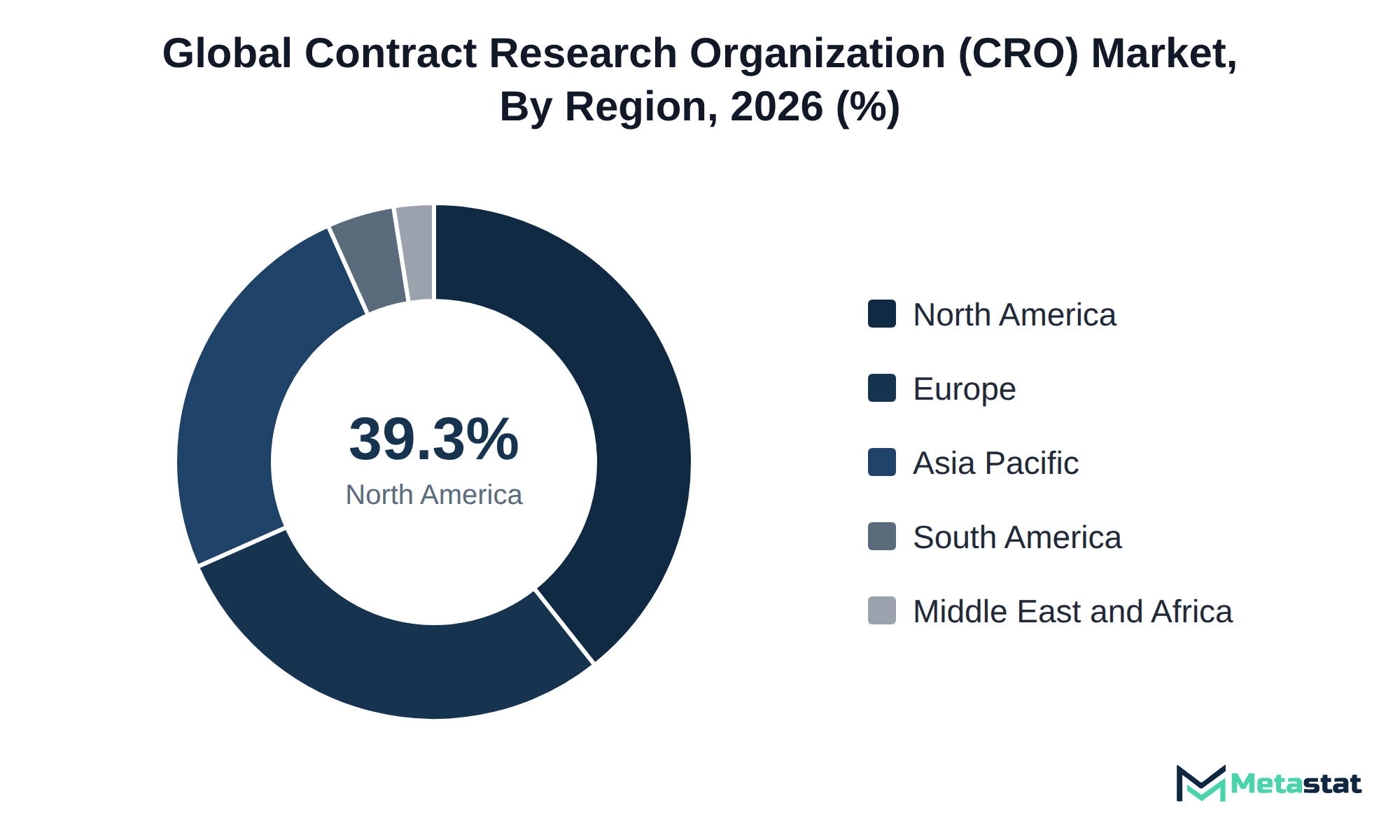
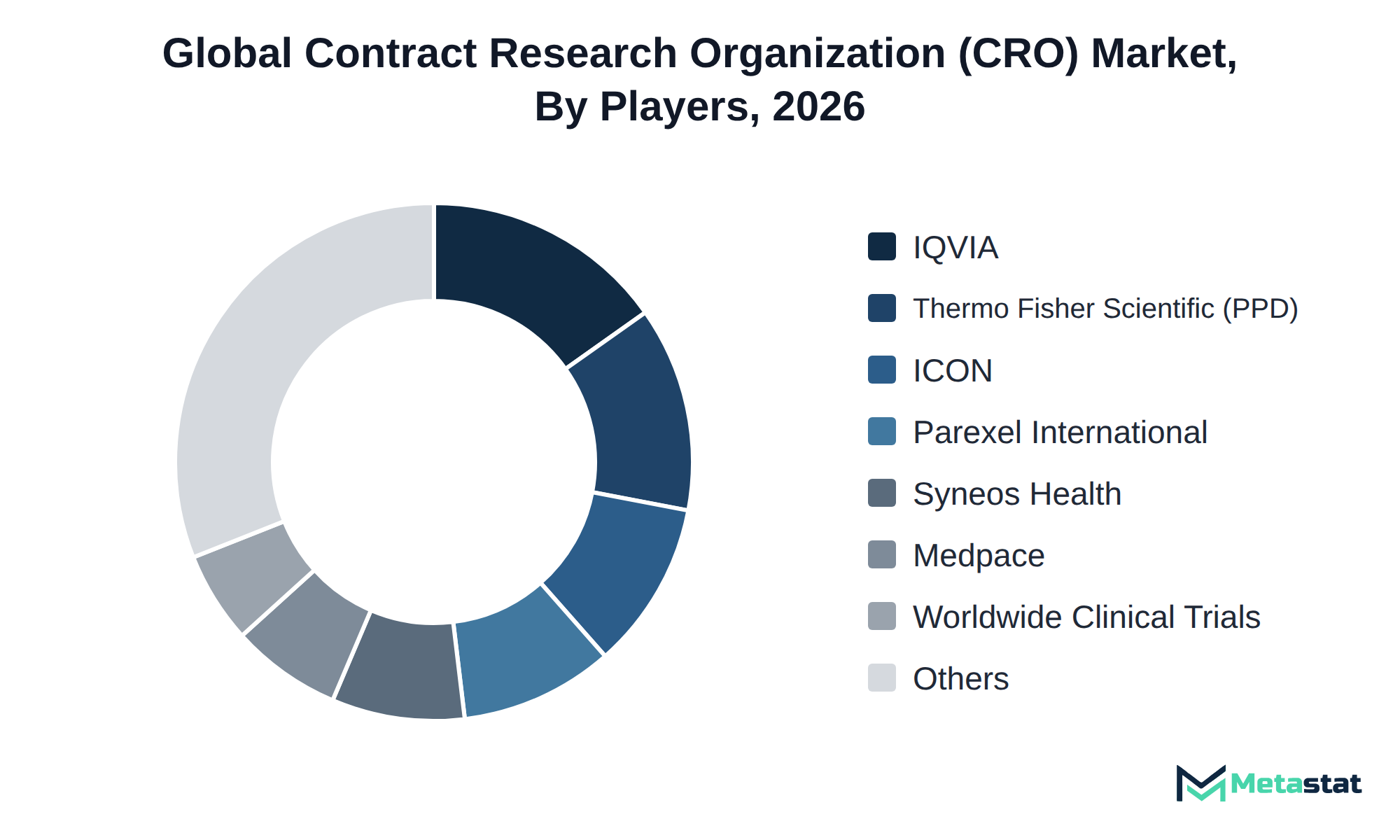
Competition in the Contract Research Organization (CRO) market features a range of strategies and focuses among key players. Companies differentiate themselves through various service types, including clinical monitoring, project management, and bioanalytical services. Buyers often choose suppliers based on factors including pricing, certification, customization, and service quality, ensuring alignment with project requirements.
IQVIA Holdings Inc. prioritizes advanced data analytics and technology integration, enhancing operational efficiencies for clients. ICON plc emphasizes customization and global reach, catering to specific needs in diverse therapeutic areas. Thermo Fisher Scientific Inc. (PPD) focuses on comprehensive laboratory services, providing a robust ecosystem for clinical trial management. These strategic choices shape competitive dynamics in the market.
Achieving this growth relies on several key developments within the market. The expansion in the Oncology therapeutic area, expected to rise from USD 16.4 billion in 2026 to USD 29.8 billion by 2033, reflects the growing focus on cancer therapies among pharmaceutical companies. However, risks including regulatory hurdles and increased competition in the industry impede progress. These challenges primarily affect the Project Management segment, which anticipates growth while facing scrutiny from both regulatory bodies and market entrants. The combination of these developments and risks will shape the trajectory of the Contract Research Organization (CRO) market in the coming years, determining whether growth aligns with forecasts or encounters obstacles.
By Service Type: Clinical Monitoring, Project Management, Central Laboratory and Bioanalytical Services, Clinical Data Management, Biostatistics and Statistical Programming, Regulatory Affairs and Medical Writing, Clinical Safety and Medical Monitoring, Patient Recruitment and Retention, Others (Quality Assurance, Trial Supply Coordination)
By Clinical Phase: Phase I, Phase II, Phase III, Phase IV
By Therapeutic Area: Oncology, Neurology, Cardiovascular Diseases, Metabolic and Endocrine Disorders, Immunology and Inflammation, Infectious Diseases, Respiratory Diseases, Gastrointestinal Diseases, Others (Ophthalmology, Dermatology, Renal Diseases)
By Sponsor Type: Pharmaceutical Companies, Biotechnology Companies, Medical Device and Diagnostics Companies, Academic and Research Institutions, Others (Government Agencies, Non-Profit Organizations)
The report strategically identifies and profiles the key market players and analyses their core competencies in each sub-segment of the Contract Research Organization (CRO) market.
|
Report Attributes |
Details |
|
Study Period |
2021-2033 |
|
Base Year |
2025 |
|
Estimated Year |
2026 |
|
Forecast Period |
2026-2033 |
|
Historical Period |
2021-2025 |
|
Growth Rate |
CAGR 8.1% from 2026 to 2033 |
|
Revenue Unit |
USD billion |
|
Segmentation |
By Service Type, Clinical Phase, Therapeutic Area, Sponsor Type, and Region |
|
By Region |
North America (By Service Type, Clinical Phase, Therapeutic Area, Sponsor Type, and Country)
|
|
Europe (By Service Type, Clinical Phase, Therapeutic Area, Sponsor Type, and Country)
|
|
|
Asia Pacific (By Service Type, Clinical Phase, Therapeutic Area, Sponsor Type, and Country)
|
|
|
South America (By Service Type, Clinical Phase, Therapeutic Area, Sponsor Type, and Country)
|
|
|
Middle East and Africa (By Service Type, Clinical Phase, Therapeutic Area, Sponsor Type, and Country)
|
Find answers to common questions about this report
The Contract Research Organization (CRO) market size was valued at USD 48.3 billion in 2025.
The market is projected to grow at a CAGR of 8.1% during the forecast period from 2026 to 2033.
The North America Contract Research Organization (CRO) market size is estimated to reach USD 33.9 billion by 2033.
The leading segment in the Contract Research Organization market is Phase III, with a projected value of USD 43.4 billion by 2033. This segment surpasses others in terms of revenue generation within the clinical phase category.
Rising investments in oncology research, driven by increasing cancer prevalence and demand for innovative treatments, significantly support market growth. Advancements in technology enhance efficiency and reduce operational costs, attracting pharmaceutical and biotechnology companies seeking faster time-to-market for new therapies.
North America holds the dominant share of the Contract Research Organization (CRO) market, with a value of USD 33.9 billion in 2033, representing 39.3 percent of the total market.
Price sensitivity among pharmaceutical and biotechnology companies restricts growth due to high costs associated with outsourcing research and development efforts. rising talent acquisition costs impact service delivery and profitability, leading to wage inflation and affecting margin sustainability for providers.
The oncology segment is experiencing significant growth due to increased investments in cancer research and the demand for innovative treatment solutions. Pharmaceutical and biotechnology companies are seeking specialized support for complex clinical trials, driving the adoption of Contract Research Organization services tailored to oncology.
The Contract Research Organization (CRO) market is estimated to reach a valuation of USD 90.1 billion by 2033.
Key players operating in the Contract Research Organization (CRO) market include IQVIA Holdings Inc., ICON plc, Thermo Fisher Scientific Inc. (PPD), Parexel International Corporation, Syneos Health, Inc., Medpace Holdings, Inc., Labcorp Holdings Inc., and Charles River Laboratories International, Inc.
The analysts below cover Biotechnology research at Metastat Insights.
LEAD ANALYST
Utkarsh Khirodkar is a Lead Market Research Analyst at MetaStat Insight, specializing in market intelligence, technology sector assessments, and competitive strategy.

SENIOR RESEARCH ANALYST
Biotechnology · Food and Beverages · Medical Devices · Packaging
Snehal Pasalkar is a Research Analyst at MetaStat Insight, operating at the intersection of life sciences research, competitive strategy, and market intelligence.
Scaling antibody-drug conjugate manufacturing hinges on contract manufacturing availability for high-potency active ingredients. The MetaStat Insight analysis looked closely at global cleanroom slot constraints, bioconjugation batch failure rates, and supply chain redundancies between the US, Europe, and India. The supplier capability matrix proved genuinely useful for our team when mapping secondary source options across our clinical pipeline.
Floating offshore wind feasibility relies heavily on specialized installation vessel availability and port crane limits, which most broad renewable energy forecasts ignore. The report delivered a thorough analysis of dry dock capacity, mooring chain supply constraints, and raw material pricing trends for deepwater anchor installations. It served as a solid independent sanity check for our offshore project capital expenditure assumptions.
Assessing commercial microgrid software adoption requires looking past top-level installation numbers and examining utility interconnection queues. The research provided verifiable data on average permitting timelines, tariff structures, and battery storage integration costs across regional utility territories. That grounded perspective was valuable for our team when building five-year demand projections for industrial microgrid controllers.
Explore related market intelligence reports worth reading alongside this one.