
LEAD ANALYST
Utkarsh Khirodkar is a Lead Market Research Analyst at MetaStat Insight, specializing in market intelligence, technology sector assessments, and competitive strategy.

Global Wearable Medical Devices Market Size, Share, By Device Type (Diagnostic and Monitoring Devices and Therapeutic Devices), By Device Grade (Consumer-Grade Devices and Clinical-Grade Devices), By Device Site (Wrist and Hand, Upper Arm, Chest and Back, Head and Ear, Foot and Ankle), By End User (Consumers and Home Care Patients, Hospitals and Clinics, Long-Term Care Facilities, Clinical Research and Academic Institutions and Occupational and Military Health Services), Industry Analysis, Growth, Trends, and Forecast, 2026-2033
Report ID
MSI-5589
Published
October, 2026
Pages
288 Pages
Format
Historical
Base year
Forecast
Forecast period
Report Details
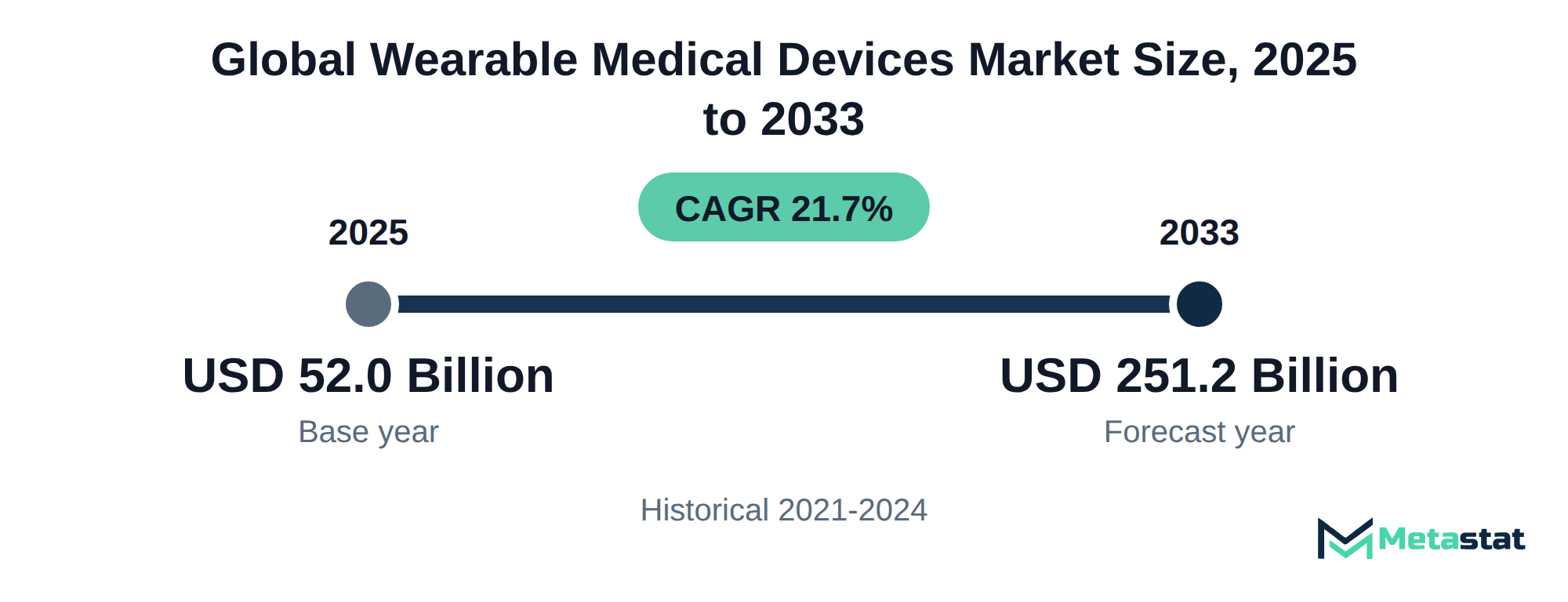
Market Valuation: Valued at $52 Billion in 2025, projected to reach $251.2 Billion by 2033 at a 21.7% CAGR.
Dominant Segment: The Diagnostic and Monitoring Devices segment leads the market, driven by a significant need for continuous health tracking and real-time data analysis, projected to grow to USD 166.5 billion by 2033.
Geographic Lead: North America currently holds the largest market share at 36.9%, with the US expected to maintain its lead due to its established healthcare infrastructure and high disposable income.
What's Inside: This report provides a comprehensive analysis of the competitive landscape, market segmentation, and detailed forecasts from 2026 to 2033, covering various device types and end-user applications.
Growth in Consumer-Grade Devices: The consumer-grade segment is anticipated to grow significantly, reaching USD 176.5 billion by 2033, fueled by rising health awareness and demand for personal health monitoring solutions.
Increased Adoption of Remote Monitoring: Technological advancements in remote monitoring devices are driving market expansion, enhancing data connectivity and user experience, particularly among healthcare providers and consumers.
Choose Your License
Global Wearable Medical Devices Market
The global Wearable Medical Devices market was valued at USD 52 billion in 2025 and is projected to reach USD 251.2 billion by 2033, growing at a CAGR of 21.7% over the forecast period.
The Wearable Medical Devices market covers devices that monitor health conditions, deliver therapeutic interventions, and support overall well-being. Buyers invest in these devices due to the increasing prevalence of chronic diseases, the growing demand for remote patient monitoring, and the need for efficient health management solutions. Individuals and healthcare providers use these devices to manage health proactively and improve patient outcomes.
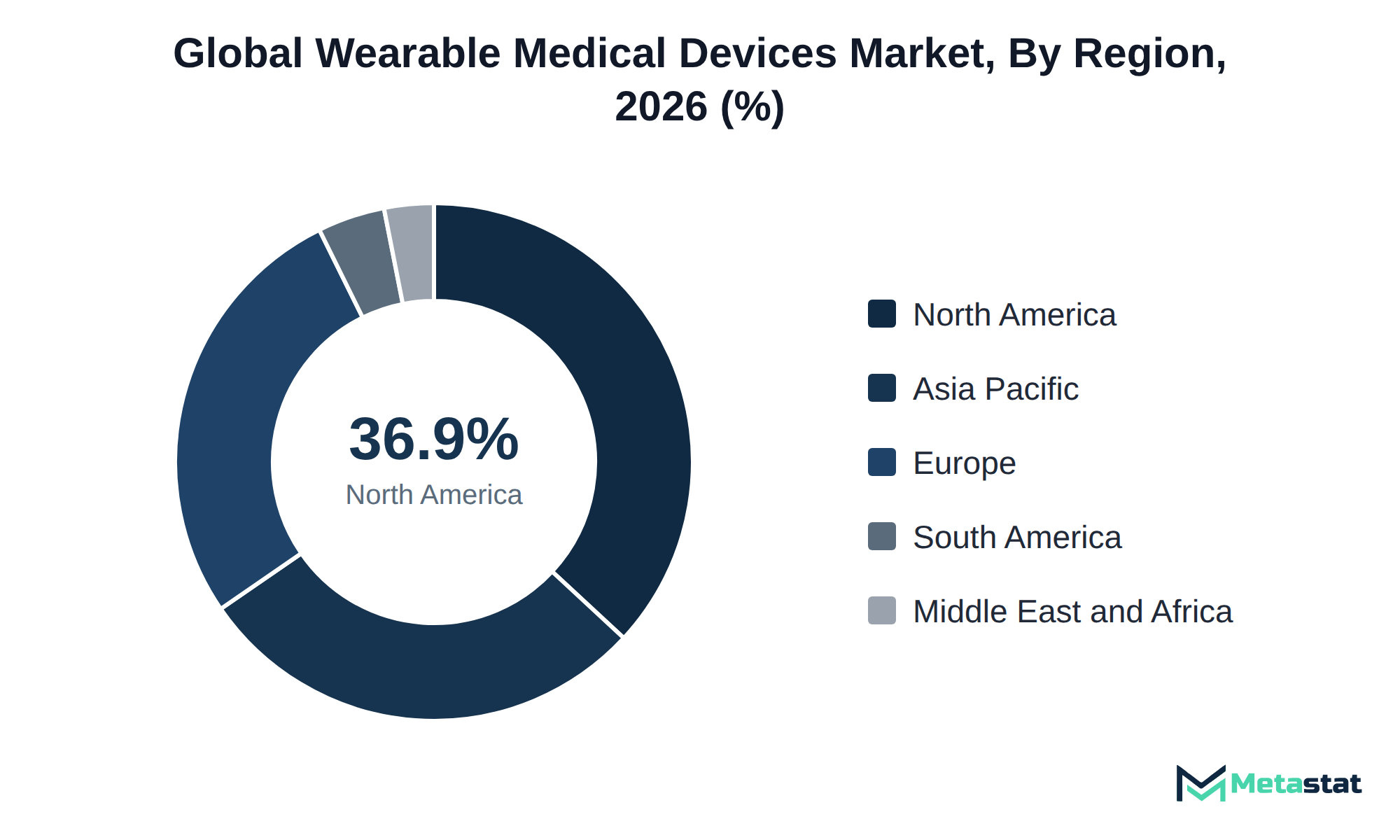
Growth in the market is driven by advancements in technology, increasing health awareness, and the rise of telehealth and telemedicine. The Diagnostic and Monitoring Devices segment captures the largest share, reflecting a significant need for continuous health tracking and real-time data analysis. In 2025, North America holds 36.9% of the market, with the US leading in 2026. The region's established healthcare infrastructure and high disposable income contribute to its market prominence.
The demand for Consumer-Grade Devices is expected to rise, driven by a shift towards home-based healthcare solutions. The market caters to various end-users, including consumers, hospitals, and long-term care facilities, each requiring tailored solutions. Continuous innovation and the integration of smart technology into wearable devices enhance their appeal, supporting sustained growth in the sector.
The market attracts investment due to its capacity to improve health outcomes and enhance patient engagement. Buyers include consumers seeking personal health monitoring solutions, healthcare providers aiming to enhance patient care, and long-term care facilities focusing on efficient health management. These stakeholders increasingly prioritize devices that offer advanced functionalities, reliable data, and integration with existing healthcare systems.
Growth in the market is propelled by rising demand for diagnostic and monitoring devices, driven by the need for preventive healthcare measures. The region's significant share results from high healthcare expenditure, advanced technology adoption, and a robust regulatory framework supporting innovation in wearable technologies.
Diagnostic and monitoring devices represent the segment with the highest revenue potential, projected to reach USD 166.5 billion by 2033, growing at a CAGR of 22.4%. This growth reflects increasing awareness of health management and the convenience offered by wearable technologies. The market shows promising expansion opportunities, particularly in regions including Asia Pacific, where healthcare infrastructure continues to evolve.
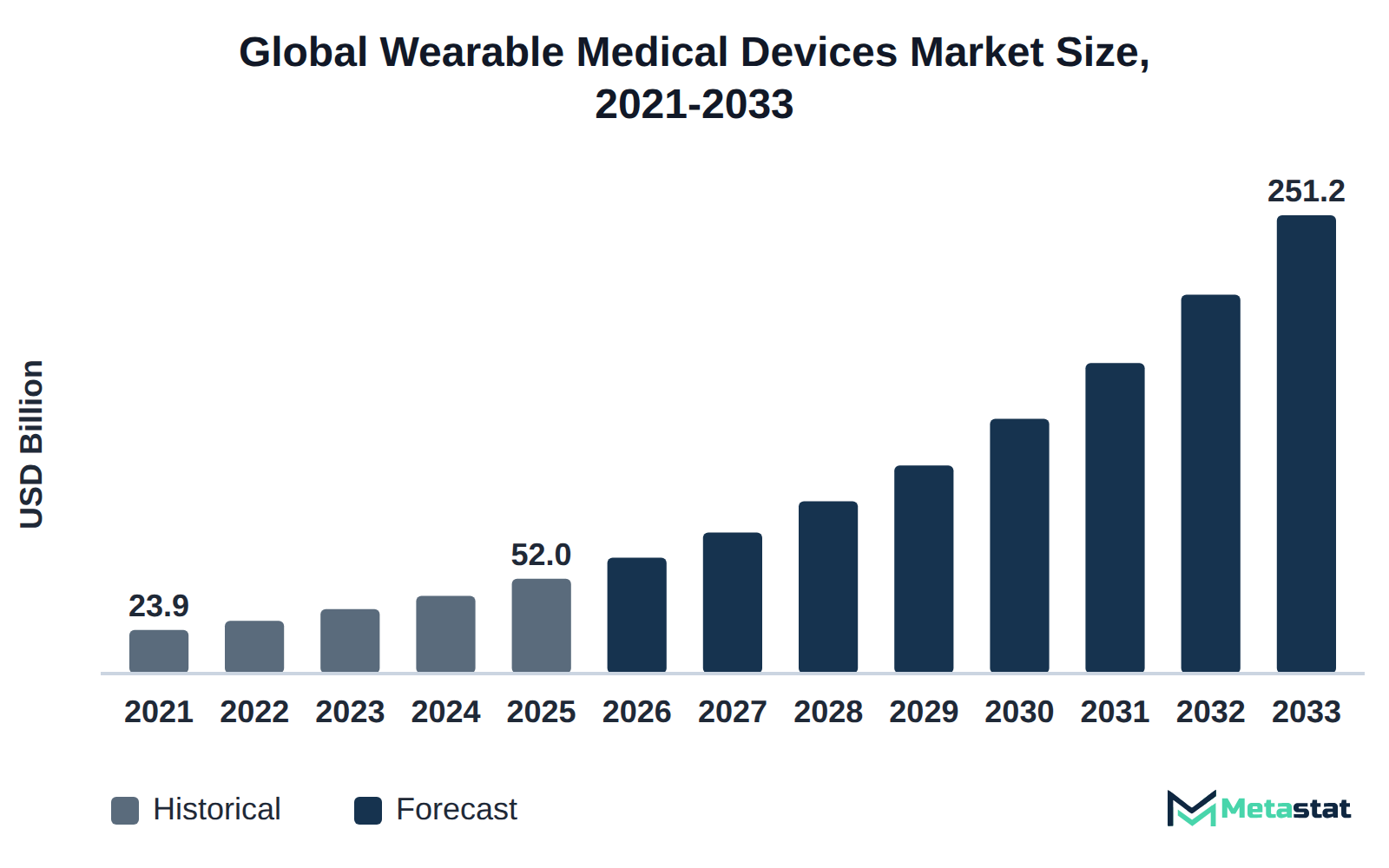
Continuous monitoring of vital signs, glucose levels, and ECGs represents a significant shift in the Wearable Medical Devices market. Continuous glucose tracking also supports digital diabetes management for patients with chronic conditions. This evolution moves away from traditional episodic testing methods, offering patients real-time insights into their health. For instance, diagnostic and monitoring devices are projected to increase from USD 40.5 billion in 2026 to USD 166.5 billion by 2033, reflecting a compound annual growth rate of 22.4%. This rapid growth highlights the increasing demand for continuous monitoring solutions that enable consumers to manage chronic conditions effectively.
The expansion of continuous monitoring technologies directly influences various buyer groups, including consumers and home care patients, who seek enhanced health management tools. The ability to track health metrics continuously drives improved patient outcomes and reduces hospital visits. Hospitals and clinics are integrating these devices into their operations, anticipating a market value of USD 64.8 billion by 2033 for this segment. Enhanced data collection from continuous monitoring enables healthcare providers to make informed decisions, leading to better treatment plans tailored to individual patient needs.
Clinical-grade wearable sensors play a significant role in enabling decentralized clinical trials and generating real-world evidence, influencing how buyers engage with these technologies. The integration of these advanced devices aligns with trends in remote patient monitoring and personalized healthcare, driving investment from various stakeholders. In 2033, the value of clinical-grade devices is projected to reach USD 74.7 billion, reflecting a compound annual growth rate of 24.9% during the forecast period.
Pricing models for clinical-grade wearable sensors often depend on several factors, including the device's functionality, regulatory approval, and the complexity of integration into healthcare systems. Buyers typically engage in procurement through direct purchasing agreements or rental contracts, ensuring access to the latest technologies without incurring exorbitant upfront costs. These arrangements provide flexibility, allowing healthcare providers to adapt to evolving patient needs while maintaining budgetary control.
This dynamic purchasing environment encourages innovation among suppliers in the wearable medical devices market, as companies strive to offer competitive pricing structures and value-added services. By investing in clinical-grade wearable sensors, stakeholders enhance the quality of care delivered to patients while ensuring compliance with regulations and clinical standards. The growth of this segment increases competition among suppliers, which ultimately benefits end users through improved pricing and enhanced product offerings.
Chest-worn multiparameter systems monitor occupational heat strain, particularly for workers in high-temperature environments. These devices employ advanced sensors to track vital signs, including body temperature, heart rate, and other physiological parameters, providing real-time data that assists in ensuring worker safety and health. The increasing focus on workplace safety drives demand for these innovative solutions, reflecting a broader trend in the wearable medical devices market.
In the forecast period, the segment for chest-worn devices is anticipated to gain traction due to growing regulations surrounding occupational health and safety standards. Companies are investing in technology to ensure compliance and enhance worker protection. The overall wearable medical devices market is expected to grow from USD 1,004.1 million in 2025 to USD 251.2 billion by 2033, highlighting a significant opportunity for devices specifically designed for occupational health monitoring.
Employers adopting chest-worn multiparameter systems benefit from improved employee well-being and reduced incidents of heat-related illnesses. With the increasing incidence of heat strain across various industries, these systems serve as an essential component of workplace health strategies, enhancing productivity and reducing healthcare costs associated with occupational hazards.
Clinical-grade wearable medical devices differ significantly from consumer health trackers in terms of data accuracy and regulatory standards. The accuracy of clinical-grade devices is critical, often adhering to strict guidelines set by health authorities. For instance, clinical-grade devices are projected to reach a market value of USD 74.7 billion by 2033, highlighting their increasing acceptance in healthcare settings.
In contrast, consumer health trackers focus on user-friendly features and convenience, sacrificing data precision for broader appeal. These devices provide valuable insights into personal health metrics but lack the rigorous validation processes required for clinical use. The distinction impacts various stakeholders, including healthcare providers and patients, with clinical-grade devices delivering reliable information for diagnosing and monitoring health conditions.
The Wearable Medical Devices market reflects a growing trend toward the use of clinical-grade devices in hospitals and clinics, where accurate data is essential for patient management. The projected CAGR of 24.9% for clinical-grade devices highlights their increasing importance in the healthcare ecosystem, driving demand for advanced monitoring solutions.
Growing consumer interest in health management and fitness monitoring significantly drives spending on wearable medical devices. Individuals increasingly prioritize proactive health monitoring, seeking devices that enable them to track vital signs, physical activity, and other health metrics. This shift in consumer behavior enhances demand for diagnostic and monitoring devices, particularly among health-conscious consumers and home care patients. The wearable medical devices market is projected to generate USD 63.5 billion in 2026, up from a base value of USD 52 billion in 2025. Rising health awareness and the desire for personalized health data create a more engaged consumer base, contributing to sustained growth in both volume and market value.
Technological advancements in remote monitoring devices significantly influence the expansion of the Wearable Medical Devices market. Enhanced connectivity features, including Bluetooth and Wi-Fi, facilitate efficient data transmission between devices and healthcare systems, enabling users to monitor their health metrics in real-time. Increased integration with mobile applications enhances user experience by providing analytics and personalized health insights, driving adoption among consumers and healthcare providers.
The shift towards telehealth and remote patient monitoring among healthcare facilities results in heightened demand for these devices. Contactless remote patient monitoring offers a related option that tracks patients without a worn device. Hospitals and clinics increasingly allocate resources towards implementing these technologies to improve patient care, reduce hospital readmissions, and streamline clinical workflows. This trend creates opportunities for manufacturers to innovate and differentiate their product offerings, ensuring strong competition within the market.
Remote monitoring technology continues to shape the Wearable Medical Devices market by driving growth and meeting the rising need for proactive health management solutions.
High costs associated with wearable medical devices restrict adoption among consumers and home care patients. Many potential buyers express concern over initial investment and ongoing expenses related to device maintenance and subscription services. This price sensitivity results in slower uptake of devices intended for chronic disease management and health monitoring.
Hospitals and clinics face budget constraints that lead to smaller order quantities and delayed procurement decisions. The high upfront costs challenge institutions to justify the investment, especially when balancing other operational expenditures. Clinical research and academic institutions demonstrate caution in adopting new technologies, often requiring extensive validation and budget approval processes. Such limitations hinder the overall growth trajectory of the wearable medical devices market, impacting long-term revenue potential and market expansion.
Suppliers in the Wearable Medical Devices market experience significant margin pressure stemming from rising input costs for materials and components. Increased demand for high-quality sensors, batteries, and advanced materials drives these expenses, impacting profitability. Suppliers face challenges in managing costs while maintaining competitive pricing, particularly in a landscape marked by rapid technological advancements and product innovation strategies. Many suppliers adopt cost optimization strategies, including sourcing materials from regions with lower production costs, thereby enhancing operational efficiency. Partnerships with manufacturers facilitate innovation in material science, leading to more effective, cost-efficient solutions. This response aims to sustain profit margins in a competitive environment, which directly shapes market dynamics and growth potential.
The segment of consumer-grade wearable medical devices represents a significant growth opportunity within the market. The projected growth rate for this segment stands at 20.5% CAGR, with values rising from USD 47.7 billion in 2026 to USD 176.5 billion by 2033. Increasing health awareness among consumers drives demand for devices that monitor fitness and wellness. Technology innovations enhance functionality and open up more applications. For instance, wearable devices that track heart rate, physical activity, and sleep patterns attract a growing consumer base. This trend particularly appeals to health-conscious individuals seeking to manage their health proactively. While the market continues to evolve, investment in consumer-grade devices is expected to flourish, reflecting changing preferences among buyers. This segment epitomizes the potential for growth within the broader market.
The Global Wearable Medical Devices market is segmented based on Device Type, Device Grade, Device Site, and End User.
These devices facilitate continuous health monitoring and diagnostic capabilities, appealing to consumers, home care patients, and healthcare professionals. The growing emphasis on preventative healthcare and remote patient monitoring significantly drives demand within this segment. Technological advancements in body sensors and data analytics play a vital role in enhancing the accuracy and reliability of these devices. Compared to Therapeutic Devices, which are projected to reach USD 84.7 billion by 2033 at a CAGR of 20.5%, the Diagnostic and Monitoring Devices segment exhibits a faster growth trajectory, reflecting heightened consumer and provider focus on health management and real-time data accessibility.
These devices provide solutions for managing chronic conditions, delivering medication through tools such as insulin pumps, and enhancing patient outcomes. Hospitals and clinics, along with consumers, use these devices for their potential to improve health management, particularly in diabetes and cardiovascular care. The segment benefits from technological advancements in drug delivery systems and remote monitoring capabilities, contributing to its accelerated growth. Compared to Diagnostic and Monitoring Devices, which have a CAGR of 22.4%, Therapeutic Devices experience slightly slower growth but still present significant opportunities for innovation and market penetration. The increasing prevalence of chronic diseases drives demand for these devices, positioning the segment favorably in the expanding market for wearable medical devices.
These devices cater to individual users focusing on personal health and fitness tracking, enhancing self-management of health conditions. The rising trend in health consciousness among consumers significantly drives demand for these devices, providing an accessible means of monitoring health metrics. This segment distinguishes itself from Clinical-Grade Devices through its broader market appeal, typically lower price points, and higher growth rate; Clinical-Grade Devices project a CAGR of 24.9%. Consumer-Grade Devices face less regulatory scrutiny, facilitating rapid innovation and wider adoption, while the increasing integration of technology enhances functionality, further stimulating growth in the market.
These devices provide precise monitoring and diagnostics for patients in clinical settings, ensuring high standards of data accuracy and reliability. Primarily used by hospitals and clinics, these devices support critical health decisions and patient management strategies. The rapid adoption of telehealth services significantly drives demand for these devices, allowing for real-time data collection and analysis. Compared to consumer-grade devices, clinical-grade devices command a higher price point and cater to a more specialized market. This segment differentiates itself through stringent regulatory requirements and advanced technological capabilities, resulting in a strong growth trajectory anticipated in the market.
The Wrist and Hand segment is valued at USD 35.1 billion in 2026 and is projected to reach USD 127.6 billion by 2033, at a CAGR of 20.3% during the forecast period. Devices in this segment are commonly used for personal fitness tracking, health monitoring, and managing chronic conditions. Health-conscious individuals and patients requiring regular monitoring drive demand for these devices. Growing awareness of health management contributes to this demand. Compared to other device sites, the Wrist and Hand segment exhibits a competitive growth rate, fueled by the increasing integration of advanced technology in consumer-grade devices. Unlike the Upper Arm or Chest and Back segments, which focus more on clinical applications, the Wrist and Hand segment appeals primarily to individual consumers seeking convenience and accessibility in health monitoring.
Upper Arm segment is estimated to reach USD 52.1 billion by 2033, at a CAGR of 25% during the forecast period. This segment includes wearable medical devices designed for monitoring and therapeutic purposes, commonly used by consumers and healthcare professionals for managing various health conditions. Strong demand for more advanced monitoring solutions drives significant growth in this segment, due to the increasing prevalence of chronic diseases. The segment stands out in its growth trajectory compared to others, attributed to its higher CAGR and expanding applications in both home care and clinical settings. Focus on real-time data collection and connectivity enhances its appeal, differentiating it from other device sites including wrist and hand, which experience slower growth. With ongoing technological advancements, the Upper Arm segment is positioned for strong expansion as health management and patient care requirements evolve.
Chest and Back segment is expected to reach USD 35.1 billion by 2033. This segment primarily serves consumers, healthcare providers, and fitness enthusiasts for continuous monitoring of vital signs and activity levels. Wearable patches are one format used for this type of continuous monitoring. The growing emphasis on preventive healthcare and remote patient management significantly drives its expansion. Increasing integration of sophisticated sensors and connectivity features enhances user experience, setting this segment apart from others, particularly in terms of technology adoption. Compared to the Upper Arm segment, which is projected to grow at a higher CAGR of 25%, the Chest and Back segment exhibits a slower growth rate influenced by varying consumer preferences and usage scenarios. The distinct application of devices in this segment appeals to users seeking comprehensive health insights, contributing to the overall growth of the market.
Projected to grow at a CAGR of 20.4% during the forecast period, the Head and Ear segment focuses on devices designed for monitoring and therapeutic purposes targeting auditory and vestibular health. This segment finds applications among consumers seeking health insights and healthcare professionals monitoring specific conditions. The increasing prevalence of hearing-related issues drives demand for innovative solutions in this category. Technological advancements play a significant role, enhancing the functionality and appeal of these devices. The Head and Ear segment takes a differentiated approach to market engagement, focusing on specialized health needs and potentially higher price points for advanced offerings. By comparison, the Wrist and Hand segment is valued at USD 35.1 billion in 2026. The growing emphasis on personalized healthcare further supports the expansion of this segment in the Wearable Medical Devices market.
Foot and Ankle devices focus on monitoring and managing conditions related to the lower extremities. These devices cater primarily to athletes, individuals recovering from injuries, and those with chronic conditions affecting mobility. Growing awareness of the importance of monitoring foot and ankle health increases demand, particularly among fitness enthusiasts and healthcare providers. Innovations in sensor technology enhance the accuracy and functionality of these devices, making them more attractive to buyers. Compared to other segments, this sub-segment faces relatively slower growth due to higher costs associated with advanced technology and the niche market focused on specific health conditions. The need for regular monitoring of foot health supports sustained interest, while advancements in wearable technologies contribute to gradual adoption. The Wearable Medical Devices market observes significant potential from this segment, driven by the increasing prevalence of foot-related health issues and a desire for improved health outcomes.
Devices classified under the Others (Abdomen, Thigh) category include wearable medical devices designed for monitoring health metrics in areas not typically covered by more common device sites. These devices primarily serve consumers and healthcare professionals seeking innovative solutions to track physiological data in the abdominal and thigh regions. The growing trend of remote health monitoring significantly influences this segment, driven by increasing demand for comprehensive health insights. Compared to other device sites, this segment experiences distinct user adoption patterns, reflecting specific health conditions that necessitate monitoring in these areas. The diversity of applications for abdominal and thigh devices leads to different pricing strategies, impacting their competitive positioning in the market. This sub-segment adds diversity to the overall Wearable Medical Devices market by addressing niche health needs often overlooked in broader categorization.
Valued at USD 39.7 billion in 2026, this segment is projected to reach USD 148.5 billion by 2033, at a CAGR of 20.7% during the forecast period. Consumers and home care patients engage with wearable medical devices for continuous health monitoring, chronic disease management, and fitness tracking. The increasing demand for personalized health insights significantly drives growth in this segment. Unlike clinical users, consumers and home care patients seek devices that are affordable and easy to use, contributing to a different pricing structure compared to clinical-grade devices. The segment's anticipated growth stems from an increasing focus on preventive healthcare and self-monitoring, reflecting a cultural shift towards personal health management. This sub-segment shows a higher growth rate compared to other end-user categories, with the market adapting to changing consumer preferences and technological advancements.
Hospitals and Clinics segment is estimated to reach USD 64.8 billion by 2033, at a CAGR of 23.2% during the forecast period. This segment encompasses the use of wearable medical devices for patient monitoring and management in healthcare facilities. Medical professionals use these devices to track vital signs, manage chronic conditions, and improve patient care. The increasing emphasis on remote patient monitoring and improved healthcare outcomes drives strong demand in this segment. Compared to other segments, Hospitals and Clinics experience higher growth due to the pressing need for efficient healthcare solutions. This segment's growth rate outpaces others, including Long-Term Care Facilities, due to its critical role in the healthcare ecosystem. Enhanced connectivity and technological advancements further increase the appeal of wearable medical devices in clinical settings, promoting more effective patient management.
Long-Term Care Facilities segment is expected to reach USD 18.7 billion by 2033. These facilities employ wearable medical devices to monitor patients with chronic conditions, enhancing patient care while reducing hospitalization costs. Many of these facilities operate within the wider aged care industry. An increasing emphasis on remote patient monitoring significantly drives this segment, reflecting a broader trend towards value-based care. Unlike other segments, including Hospitals and Clinics, Long-Term Care Facilities experience a slower growth trajectory, influenced by the complexity of integrating advanced technologies into existing care frameworks. The segment's anticipated growth rate contrasts with the projected 23.2% CAGR for Hospitals and Clinics, establishing a distinct market profile. Balancing cost with effective patient management remains vital, particularly in a regulatory environment that encourages preventive care solutions.
Clinical Research and Academic Institutions segment is projected to grow at a CAGR of 23.1% during the forecast period. This segment primarily focuses on the development and evaluation of wearable medical devices used in clinical trials and research studies. Researchers and academic institutions use these devices to gather real-time data on patient health metrics, improving the accuracy of clinical outcomes. Growing investment in clinical research and increasing emphasis on remote patient monitoring drive demand for these devices. Compared to other segments, this segment experiences a faster growth trajectory due to the rising need for innovative solutions in clinical settings. Investment in technology upgrades and regulatory support for remote monitoring solutions further support this growth. In contrast, segments like Hospitals and Clinics, while substantial, do not grow rapidly due to existing infrastructure and established practices in patient care.
Occupational and Military Health Services involves the use of wearable medical devices designed to support health monitoring and management for military personnel and occupational healthcare providers. This segment serves healthcare professionals who require real-time data on health metrics to ensure the well-being of individuals in high-stress environments. Demand for these devices is driven by the increasing emphasis on preventive healthcare and the need for enhanced monitoring capabilities in challenging conditions. Compared to other segments, this sub-segment experiences slower growth due to stringent regulatory requirements and the specialized nature of its applications. However, advancements in technology and increased investment in healthcare for armed forces could stimulate interest and adoption. The unique challenges faced by this segment differentiate it from broader consumer and clinical markets, reflecting the specific needs of its user base and the critical nature of monitoring in occupational health.
Based on geography, the Global Wearable Medical Devices market is divided into North America, Europe, Asia-Pacific, South America, Middle East, and Africa.
In North America, the growth of the Wearable Medical Devices market is driven by increasing consumer demand for health monitoring solutions and advancements in technology. Countries including the United States, Canada, and Mexico lead in adopting these devices, with well-established healthcare infrastructure supporting this trend. Regulatory support for innovative health technologies further enhances the market environment. The region is projected to reach USD 86.1 billion by the end of 2033, accounting for 36.9% of the global market share in 2025. Factors influencing this demand include a growing emphasis on preventive healthcare and chronic disease management. The rising popularity of consumer-grade wearable devices contributes to a significant market presence.
In Europe, the demand for wearable medical devices significantly expands due to a growing aging population and increased health awareness among consumers. Countries including Germany, France, and the UK drive this trend with strong healthcare infrastructure and technological advancements. Regulatory efforts support the rapid integration of innovative devices into healthcare systems, enhancing patient care and monitoring capabilities. Increasing investment in healthcare technology leads to improved patient outcomes and operational efficiencies for healthcare providers. The wearable medical devices market is projected to hold a share of 27.3% in 2025.
Demand for wearable medical devices in Asia-Pacific reflects significant growth potential, driven by increasing health awareness and advancements in technology. Countries like China and India exhibit a rising prevalence of chronic diseases, prompting consumers to seek innovative health solutions. The region's expanding healthcare infrastructure, supported by government initiatives, enhances accessibility to these devices. In Japan, the emphasis on elderly care fuels demand for monitoring devices, while South Korea emphasizes a strong focus on integrating technology into healthcare. The wearable medical devices market in Asia-Pacific, valued at USD 42.6 billion in 2025, captures 28.5% of the global share. By 2033, the market is projected to reach USD 251.2 billion, indicating strong growth prospects driven by both consumer and healthcare sectors.
In South America, the demand for wearable medical devices predominantly stems from key players in Brazil and Argentina, driven by a focus on health management and monitoring. Increasing concerns related to chronic diseases and a growing emphasis on preventive healthcare contribute significantly to market growth. The region's limited healthcare infrastructure presents challenges, yet it drives innovation in device development aimed at enhancing accessibility and patient engagement. With a share of 4.2% of the global market in 2025, the wearable medical devices market in South America is expected to expand further, supported by rising disposable incomes and improving healthcare awareness. Investment in local manufacturing capabilities and partnerships with technology firms will enhance the availability of advanced devices tailored for consumers and healthcare providers.
The Wearable Medical Devices market in the Middle East and Africa shows distinct characteristics shaped by local conditions. Demand arises from increasing health awareness among consumers, driven by the region's growing healthcare infrastructure. Saudi Arabia and the UAE represent significant markets where investments in healthcare technology promote the adoption of wearable devices. South Africa demonstrates a rising shift toward personal health management, aiding market growth. The region’s share of the global market reached 3.1% in 2025, reflecting potential for expansion. Evolving regulatory environments create opportunities for manufacturers and suppliers aiming to enter the market. The landscape for wearable medical devices remains dynamic, supported by technological advancements and a growing emphasis on preventive healthcare.
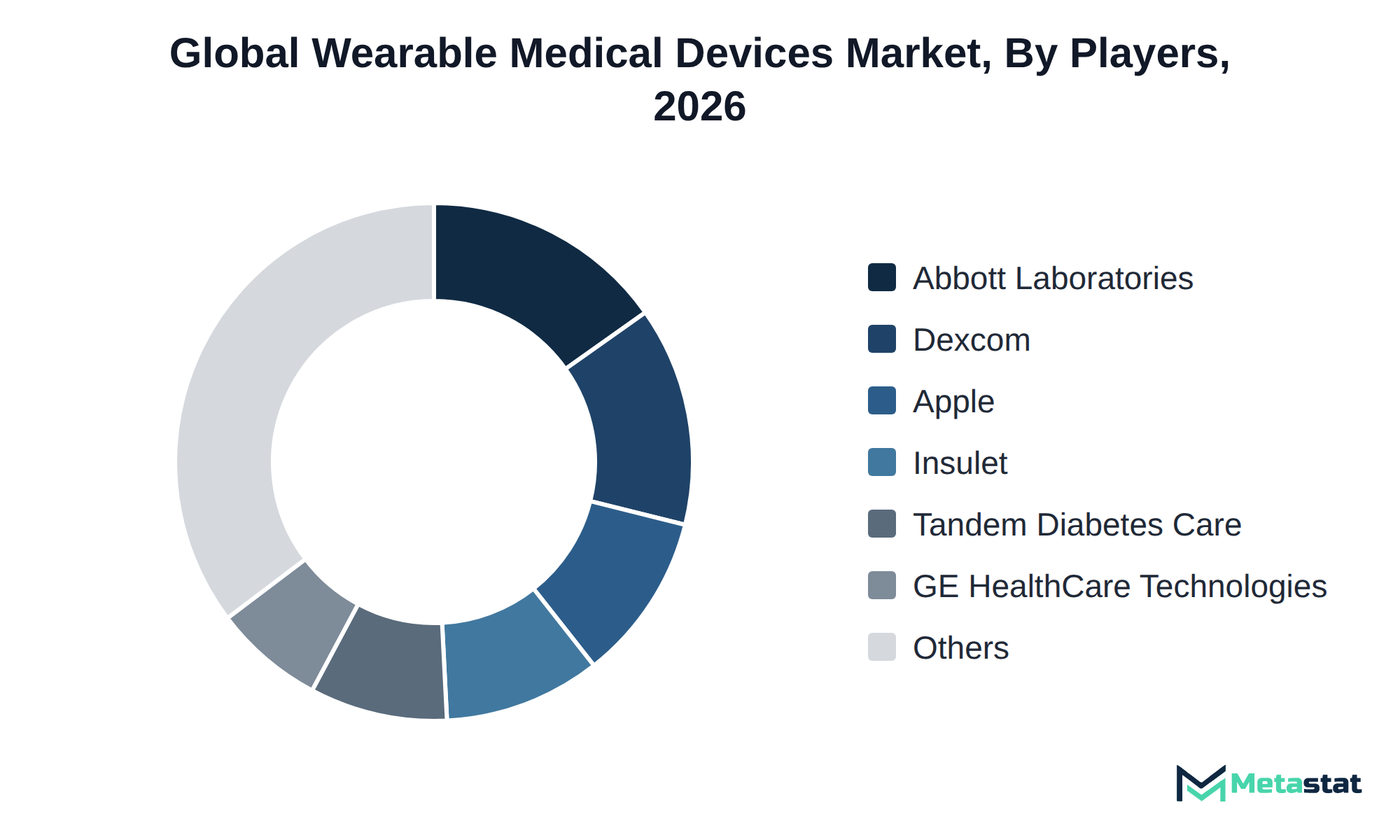
Companies in the Wearable Medical Devices market compete through diverse strategies focused on innovation, quality, and user experience. Key players differentiate their offerings based on factors including price, certification, customization, and service. Buyers evaluate these aspects when making purchasing decisions, ensuring that chosen devices meet specific health and lifestyle needs.
For instance, Abbott Laboratories and Dexcom, Inc. emphasize diagnostic and monitoring devices, catering to consumers and healthcare providers who prioritize accuracy and reliability. Meanwhile, Apple Inc. and Garmin Ltd. focus on integrating consumer-grade devices with advanced technology, appealing to health-conscious consumers seeking multifunctional wearables. Companies including Koninklijke Philips N.V. and GE HealthCare Technologies Inc. concentrate on clinical-grade devices, targeting healthcare facilities that value certified, high-quality medical solutions.
Growth in the wearable medical devices market through the forecast period relies on several key developments. First, the expansion of diagnostic and monitoring devices is essential, particularly with increasing consumer adoption of these technologies for health tracking. This segment is projected to experience a compound annual growth rate (CAGR) of 22.4%, significantly contributing to overall market growth. Second, rising demand for consumer-grade devices will drive revenue. With a projected CAGR of 20.5%, these devices cater to home care patients, highlighting a shift toward decentralized healthcare solutions. The North American region plays a significant role, expected to hold a substantial market share, with a projected value of USD 86.1 billion by 2033. One primary risk to achieving this forecast lies in regulatory hurdles that could delay product approvals or market entry, particularly affecting clinical-grade devices. Such challenges could impact hospitals and clinics, slowing adoption rates and ultimately affecting market growth.
By Device Type: Diagnostic and Monitoring Devices, Therapeutic Devices
By Device Site: Wrist and Hand, Upper Arm, Chest and Back, Head and Ear, Foot and Ankle, Others (Abdomen, Thigh)
By End User: Consumers and Home Care Patients, Hospitals and Clinics, Long-Term Care Facilities, Clinical Research and Academic Institutions, Occupational and Military Health Services
The report strategically identifies and profiles the key market players and analyses their core competencies in each sub-segment of the Wearable Medical Devices market.
Report Attributes | Details |
Study Period | 2021-2033 |
Base Year | 2025 |
Estimated Year | 2026 |
Forecast Period | 2026-2033 |
Historical Period | 2021-2025 |
Growth Rate | CAGR 21.7% from 2026 to 2033 |
Revenue Unit | USD billion |
Segmentation | By Device Type, Device Grade, Device Site, End User, and Region |
By Region | North America (By Device Type, Device Grade, Device Site, End User, and Country)
|
Europe (By Device Type, Device Grade, Device Site, End User, and Country)
| |
Asia Pacific (By Device Type, Device Grade, Device Site, End User, and Country)
| |
South America (By Device Type, Device Grade, Device Site, End User, and Country)
| |
Middle East and Africa (By Device Type, Device Grade, Device Site, End User, and Country)
|
Find answers to common questions about this report
The Wearable Medical Devices market size was valued at USD 52 billion in 2025.
The market is projected to grow at a CAGR of 21.7% during the forecast period from 2026 to 2033.
The North America Wearable Medical Devices market size is estimated to reach USD 86.1 billion by 2033.
Diagnostic and Monitoring Devices lead the Wearable Medical Devices market, with a projected value of USD 166.5 billion by 2033. This segment outpaces Therapeutic Devices, which is expected to reach USD 84.7 billion in the same year.
Growing consumer interest in health management and fitness monitoring significantly drives spending on wearable medical devices. Technological advancements in remote monitoring devices influence the expansion of the market by enhancing connectivity features and integration with mobile applications.
North America holds the dominant share of the Wearable Medical Devices market, with a projected value of USD 86.1 billion in 2033, representing 36.9 percent of the total market. This region surpasses others in market share, reflecting its strong demand and investment in wearable medical technologies.
High costs associated with wearable medical devices restrict adoption among consumers and home care patients. Price sensitivity results in slower uptake, particularly for chronic disease management devices, while hospitals face budget constraints that lead to smaller order quantities and delayed procurement decisions.
Growing health awareness among consumers and technological innovations favor adoption in the wearable medical devices industry. The demand for devices that monitor fitness and wellness continues to rise, particularly in the consumer-grade segment, which is projected to grow from USD 47.7 billion in 2026 to USD 176.5 billion by 2033.
The Wearable Medical Devices market is estimated to reach a valuation of USD 251.2 billion by 2033.
Key players operating in the Wearable Medical Devices market include Abbott Laboratories, Dexcom, Inc., Insulet Corporation, Apple Inc., Garmin Ltd., Koninklijke Philips N.V., and Terumo Corporation.
The analysts below cover Medical Devices research at Metastat Insights.
LEAD ANALYST
Utkarsh Khirodkar is a Lead Market Research Analyst at MetaStat Insight, specializing in market intelligence, technology sector assessments, and competitive strategy.

LEAD PRINCIPAL ANALYST, PHARMA AND HEALTHCARE
Food and Beverages · Healthcare · Healthcare IT · Medical Devices
Ajay Devgire is the Lead Healthcare Analyst at MetaStat Insight, leading strategic research and market intelligence initiatives across the global healthcare domain.

SENIOR RESEARCH ANALYST
Biotechnology · Food and Beverages · Medical Devices · Packaging
Snehal Pasalkar is a Research Analyst at MetaStat Insight, operating at the intersection of life sciences research, competitive strategy, and market intelligence.
Enterprise zero-trust network rollouts are often slowed down by multi-cloud transit latency and proprietary hardware retirement schedules. This study provided realistic total cost of ownership models comparing cloud-delivered security edge solutions against traditional hardware refreshes. The analysis of contract renewal lengths and software maintenance fees gave us clear visibility into enterprise replacement cycles over the next three to five years.
Scaling antibody-drug conjugate manufacturing hinges on contract manufacturing availability for high-potency active ingredients. The MetaStat Insight analysis looked closely at global cleanroom slot constraints, bioconjugation batch failure rates, and supply chain redundancies between the US, Europe, and India. The supplier capability matrix proved genuinely useful for our team when mapping secondary source options across our clinical pipeline.
Floating offshore wind feasibility relies heavily on specialized installation vessel availability and port crane limits, which most broad renewable energy forecasts ignore. The report delivered a thorough analysis of dry dock capacity, mooring chain supply constraints, and raw material pricing trends for deepwater anchor installations. It served as a solid independent sanity check for our offshore project capital expenditure assumptions.
Explore related market intelligence reports worth reading alongside this one.